Pokemon Pokopia (Switch 2) review: Not quite the Pokemon game you expect

Pokemon Pokopia (Switch 2) review: Not quite the Pokemon game you expect


Pokemon Pokopia for the Nintendo Switch 2 didn’t seem like the kind of Pokemon game I’d usually play. No battles, no gyms, and none of that usual sense of progression Pokemon players are used to. Pokopia basically has me playing as a Ditto pretending to be human (which is a bit meta, considering how the franchise has always blurred the line between its characters and the player), and instead of catching Pokemon, I’m tidying up the world and hoping they show up if I’ve done things right.

Then I got hooked on the game. Not immediately, but I did.

The first hour or so was a bit of a slog. I walk around, plant some grass, water them, clear a few obstacles, and repeat. Nothing really happens. Or at least, nothing that feels like progress. Then my first Pokemon shows up. Then another. Then I start wandering further out, doing a bunch of small, fairly mundane things just to see what else might appear.

That’s when it started to click.

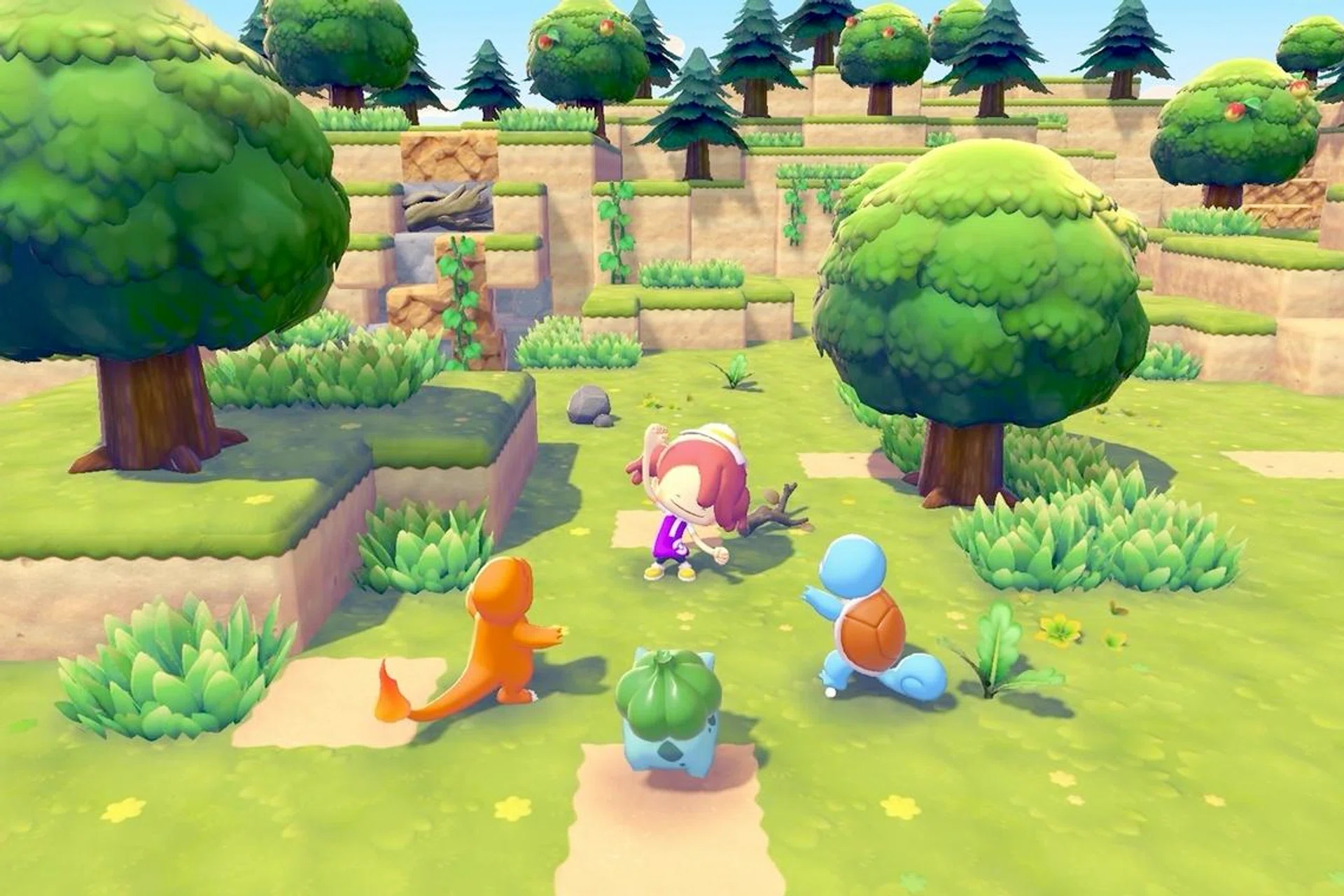
Because once I get what the game is going for, everything starts to fall into place a bit more. You’re not just placing things randomly – you’re building small habitats. Get the mix right, and Pokemon start popping up or wander in. Then they’ll teach you abilities that let you shape the world in slightly bigger ways. For instance, early Pokemon like Bulbasaur help you grow plants, Squirtle lets you produce water, and Scyther grants you the ability to cut through obstacles that were previously in your way. It’s simple, and it knows it.

A charmer that doesn’t rush you
Pokopia charming

There’s an oddly satisfying charm to Pokopia.

Image: The Pokemon Company / Game Freak
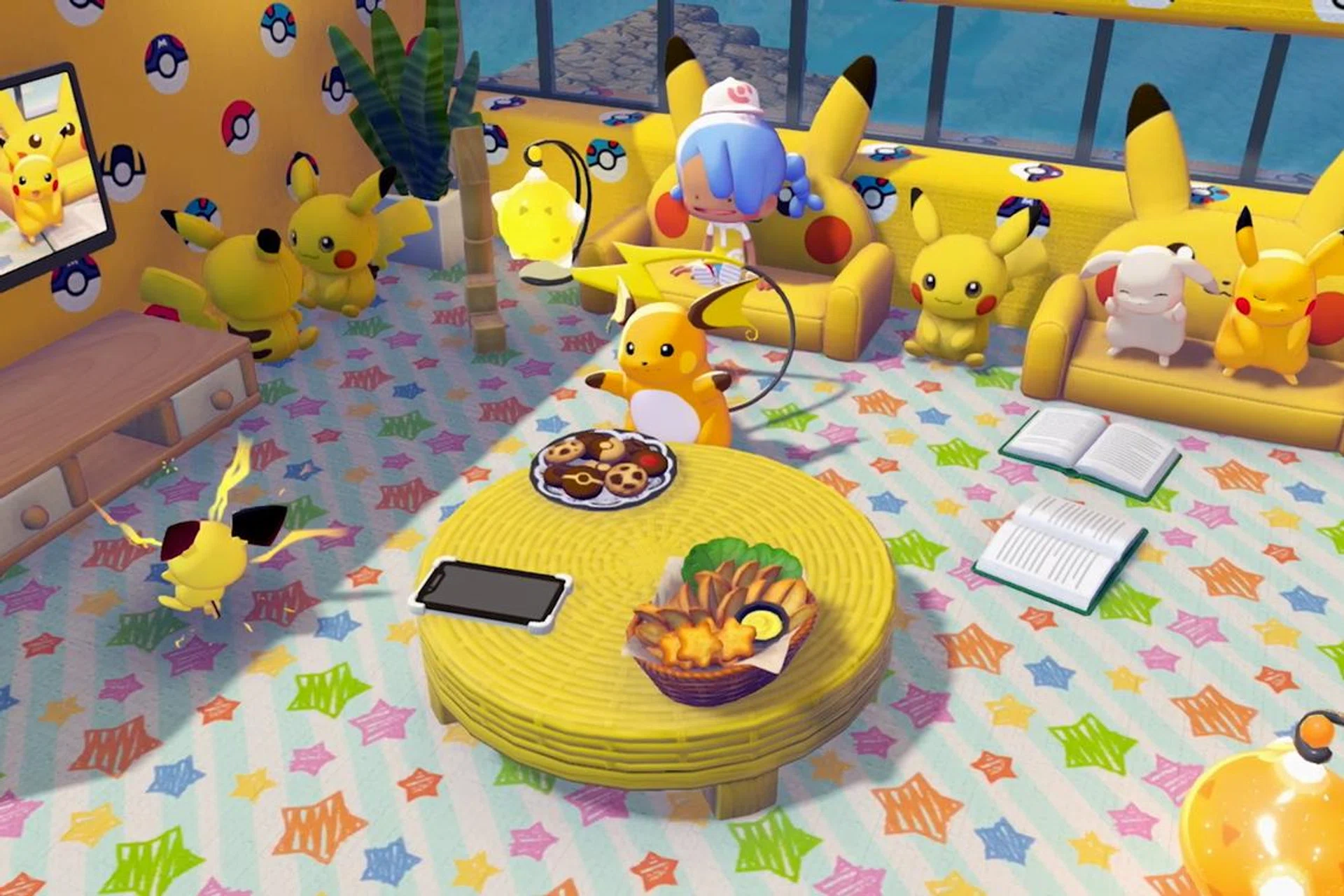
I think a big part of Pokopia’s charm is that it doesn’t really push you. There’s technically a story about why the world feels empty and what happened to the people (I won’t spoil it), but the game never really forces you to follow it. It’s very much a sandbox, and you can ignore all of that for long stretches without feeling like you’re missing anything. Most of the time, I forgot the story was even there. I’d get distracted trying to attract one specific Pokemon I hadn’t seen yet, telling myself I’d just tweak the layout a bit – move a patch of grass here, clear something there, maybe add a bit of water nearby – see if it works, and then stop. Except it doesn’t always work the first time. So I tweak it. Then tweak it again. And before I know it, an hour’s gone.

The Ditto idea, which I initially thought was just a weird narrative excuse, actually ends up making sense the longer I play. Unlike traditional Pokemon games, in Pokopia, you’re not really “owning” the Pokemon here. Rather, you’re learning from them, borrowing their abilities, and using that to shape the space around you. It changes the tone quite a bit. You’re not building a team or thinking about stats – you’re figuring out things like where to grow more plants, whether this patch needs water, or if clearing out a few obstacles might get something new to show up. Most of the time, you’re just nudging things around, making small changes, and then stepping back to see if it works. It’s a much softer approach than what Pokemon usually does, and I didn’t think I’d like that as much as I did.

That said, the cracks do start to show once you’ve spent more time with it – as it did for me. For one, I found the game’s interface to be annoying. There were a few moments where I was trying to place something in a very specific spot and ended up nudging it back and forth because the controls didn’t quite land. To be fair, it’s not a huge problem but it happens often enough that it can become frustratingly irritating, especially in a game that revolves so heavily around placement and fine adjustments.

And then there’s the repetition. Early on, everything feels new because you’re still figuring out how different Pokemon behave. Later, you start to see the patterns. Some Pokemon clearly lean towards the obvious. I won’t go into spoilers, but grass-type ones like Bulbasaur tend to show up when you’ve got enough greenery around, while Squirtle might need water nearby before they even appear. So you end up putting down the same kinds of objects, maybe adjusting the spacing a bit, and that’s about it. It doesn’t stop being satisfying, but the sense of discovery definitely dips once you get further in, and you’re no longer experimenting as much as you are grinding.

There is multiplayer too, though I didn’t spend a lot of time with it. You can visit other players’ spaces, see what they’ve built, and maybe get some inspirations for your own. It’s very Animal Crossing-ish in that aspect. Sure, it’s nice, but I didn’t feel like it added much to the experience overall.

There’s no end game

Animal Crossing and Pokopia

Like Animal Crossing? You’ll probably like Pokemon Pokopia too.

Image: The Pokemon Company / Game Freak

By the time I realised I had been playing Pokopia for weeks, it felt less like I was trying to “finish” it and more like I was just checking in. I’d load it up, move a few things around, see if anything new shows up, maybe unlock another ability, then leave it again. Pokopia isn’t a game that demands your full attention, but it does have a way of pulling you back in small, quiet ways. Part of that comes down to how the game feels overall. It’s quieter than most Pokemon games, not just in terms of gameplay, but in tone. There’s this slightly empty, almost melancholic atmosphere to it.

So with that said, I don’t think Pokopia is going to land for everyone. If you’re expecting something closer to the mainline Pokemon games, you’ll be awfully disappointed. Pokopia is slower, quieter, and a lot less competitive, and if you need that constant sense of progression, this might feel a bit aimless.

But if you’re okay with that, there’s still something here that works. Pokopia may be a bit rough around the edges, and it is more repetitive than I’d like, especially once you start recognising the patterns in how Pokemon show up. It reminds me a little of Animal Crossing in that sense – another game where you’re not really chasing anything in particular, just spending time doing small, everyday things and slowly shaping the space around you.

Still, I kept coming back to it, even when I didn’t really have a clear goal in mind, and I think that’s probably why it worked for me in the end.

Pokemon Pokopia is now available for $95.90 for Nintendo Switch 2. Purchase the game at Nintendo’s official store at Lazada or Shopee.


Read Full Article At Source