In pursuit of mental clarity and high energy, many professionals are investing in home set-ups that rival wellness centres
[SINGAPORE] As a couple raising four children, Luke Tan and Candice Chaignat are deeply intentional about their health. Tan, a 46-year-old Singaporean, wakes up before 5 am to carry out breathwork exercises and red-light therapy to regulate his circadian rhythm.
Chaignat, his 45-year-old Swiss partner, wakes up a little later, at around 6 am. They cycle together to a nearby gym, timing their session to catch the first light of the day. “We try to get morning sunlight as early as possible,” says Tan, describing it as a natural cue for the body to wake.
Afterwards, they return home for a slower ritual: walking barefoot in their garden to “ground” themselves, a practice they say helps calm the body. Depending on their schedules, the morning may also include meditation, journalling and sound healing.
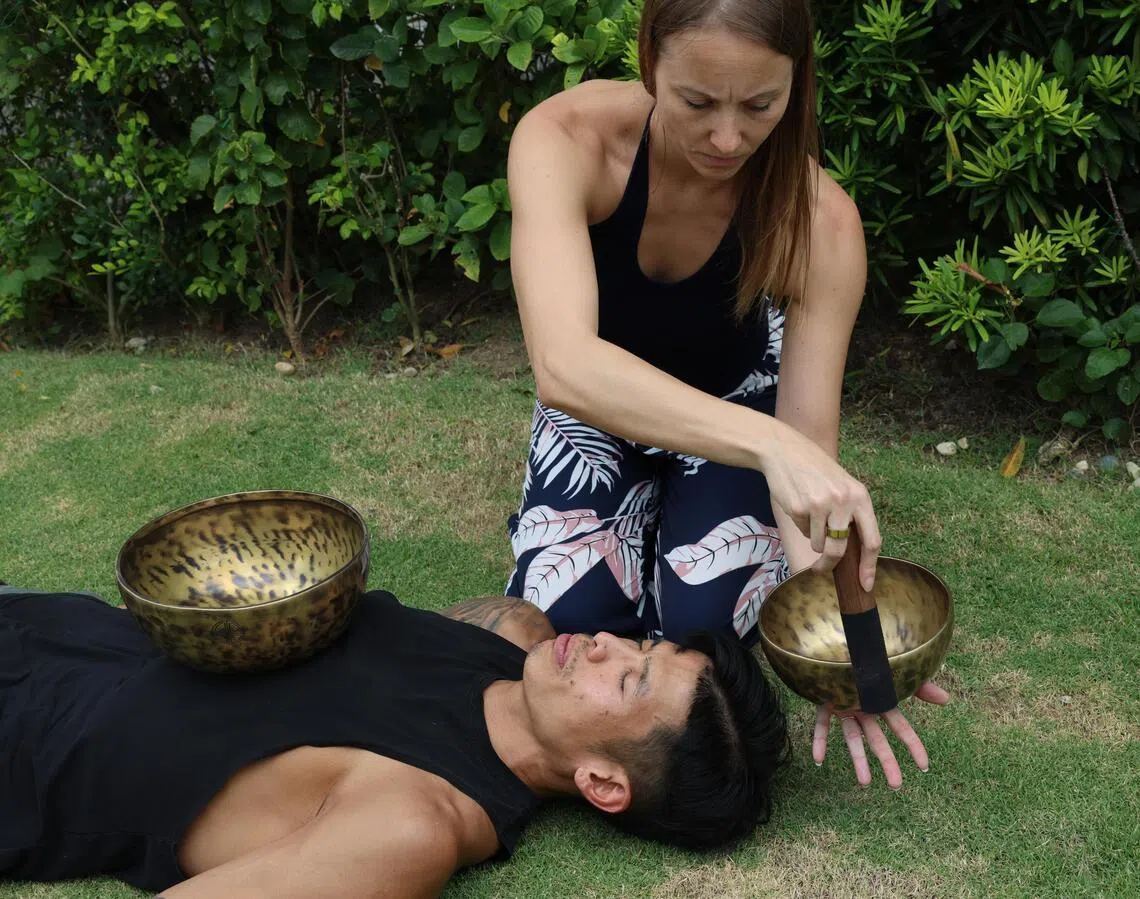
“We have a holistic view of living that starts with the mind, the body, the relationships,” Chaignat says.
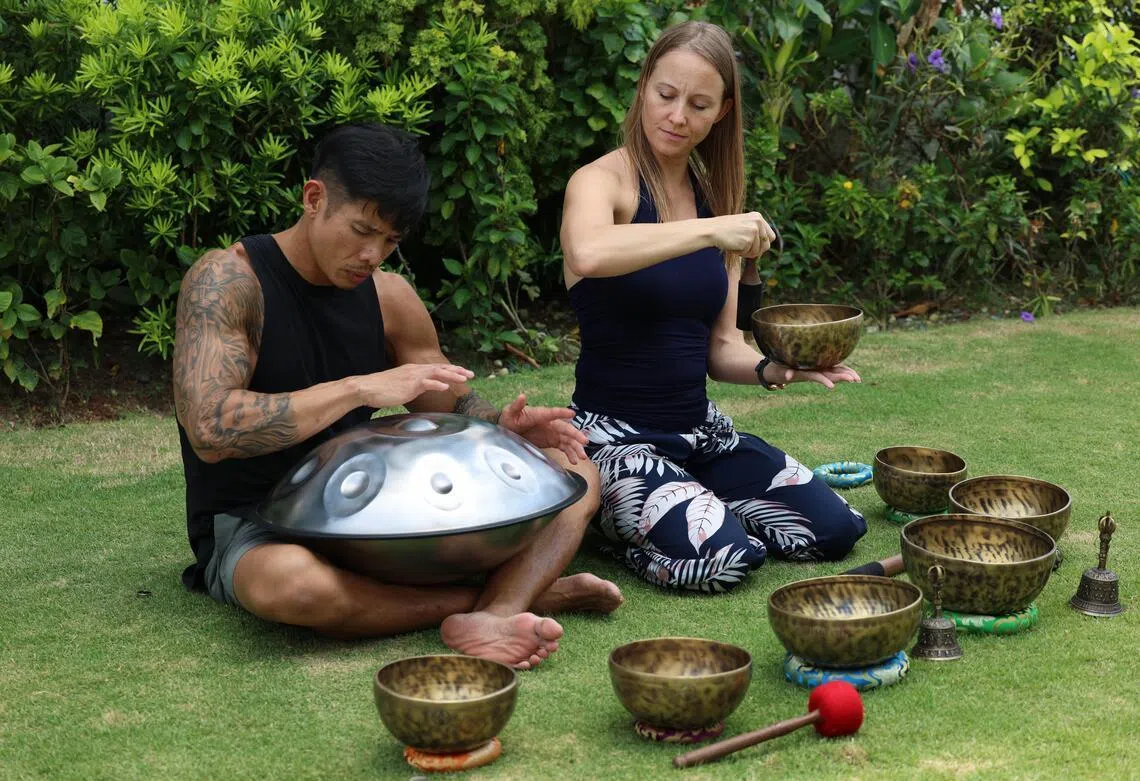
Their home is filled with health-focused devices, such as red-light therapy panels, blue-light blocking glasses and grounding sheets on their beds. There are also simpler, more “analogue” tools, such as weights, pull-up bars and Himalayan singing bowls.
Like other high-performing city dwellers, they use wearables such as Oura rings to track their health metrics, as well as small interventions – mouth tape and nasal tape, for instance – to encourage nasal breathing while they sleep.
Navigate Asia in
a new global order
Get the insights delivered to your inbox.
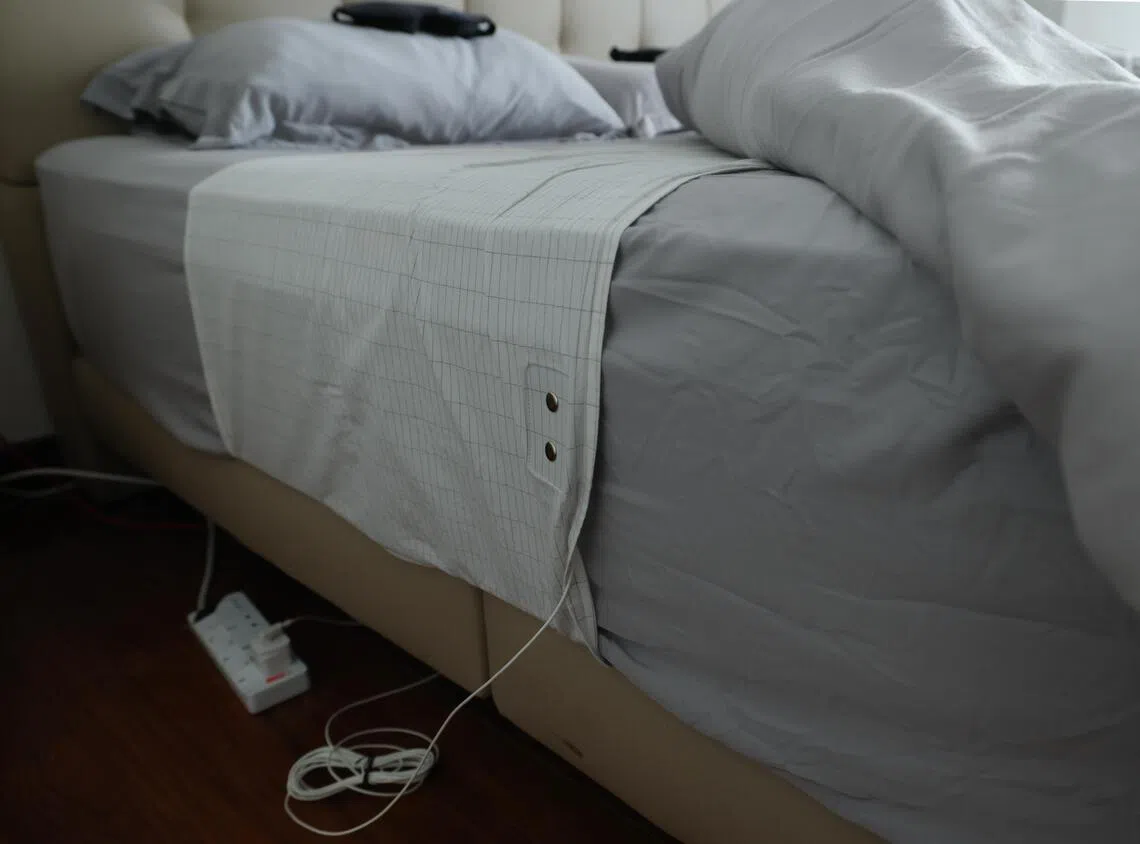
They practise a strict “3-2-1 rule”: no food three hours before bed, no water two hours before, and no screens in the final hour.
To the outsider, it might appear as if they’re chasing health trends. But Tan, who works as a breathwork architect and lifestyle optimisation coach, says: “What we’re doing is simply finding the things that work for us and sticking to them.”
Tools of the trade
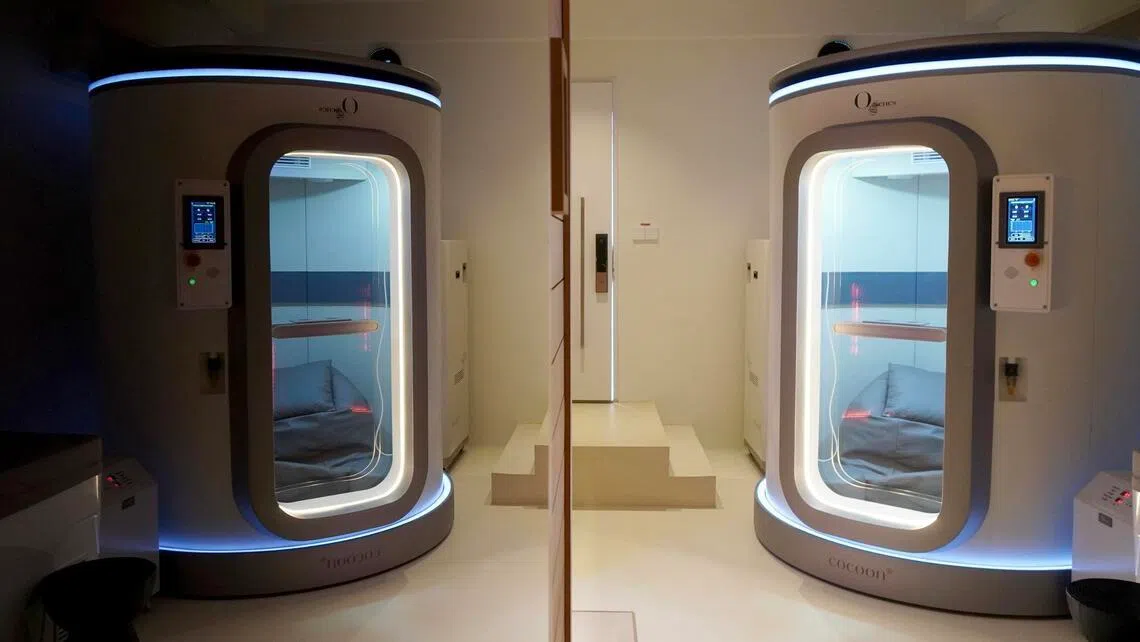
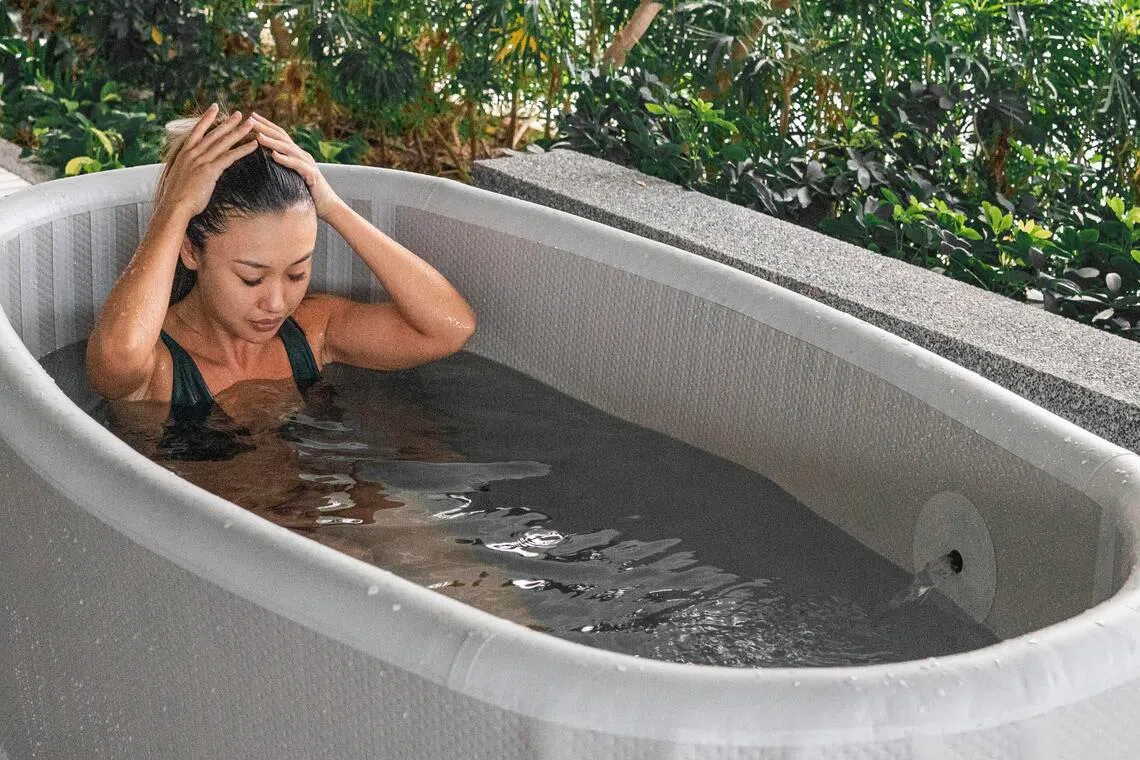
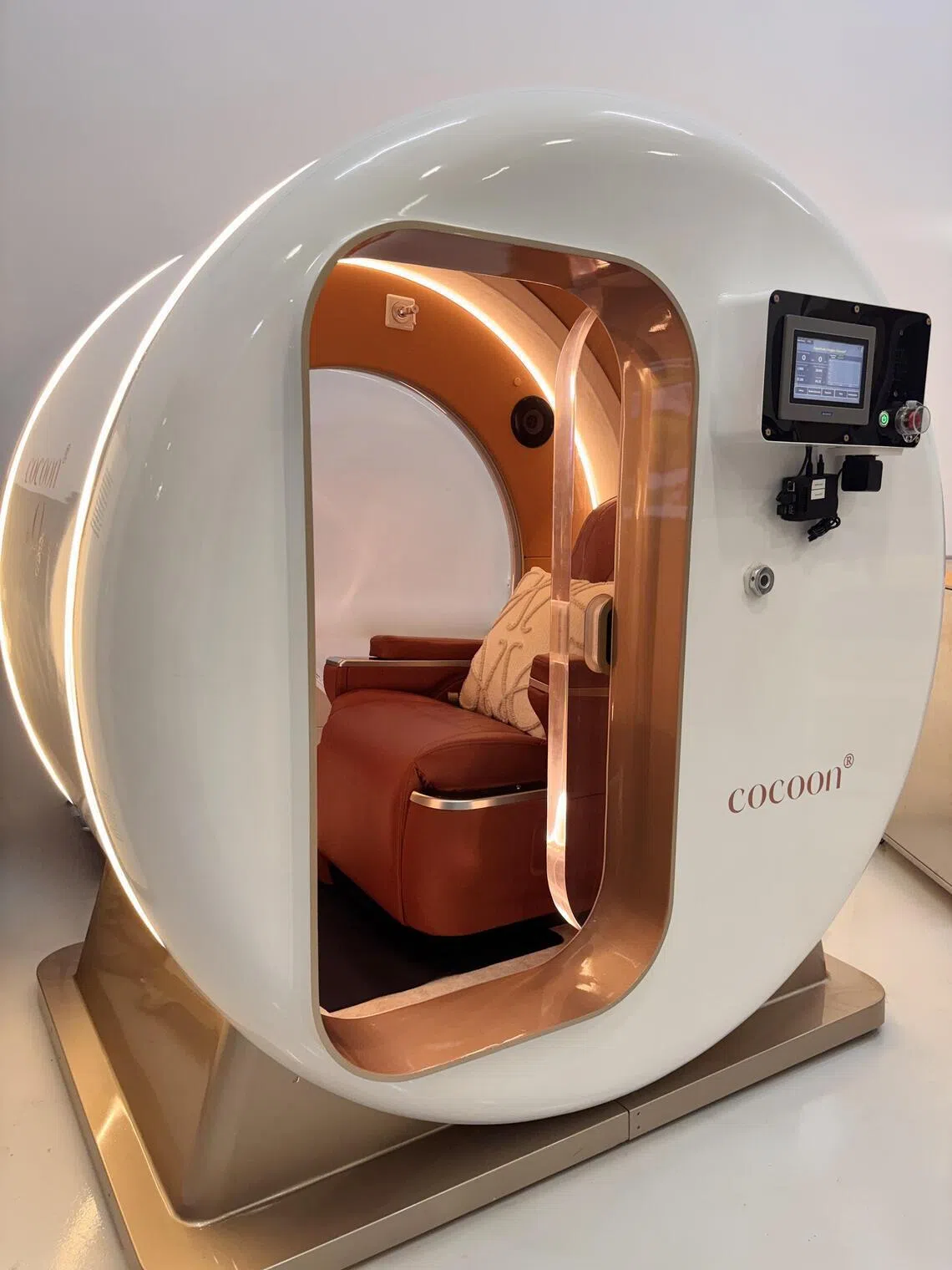
Interest in wellness trends – from ice baths to infrared saunas – has surged in Singapore. But Tan and Chaignat are among those taking it a step further, bringing these practices into their homes and offices, and turning their living spaces into extensions of gyms, spas and recovery studios.
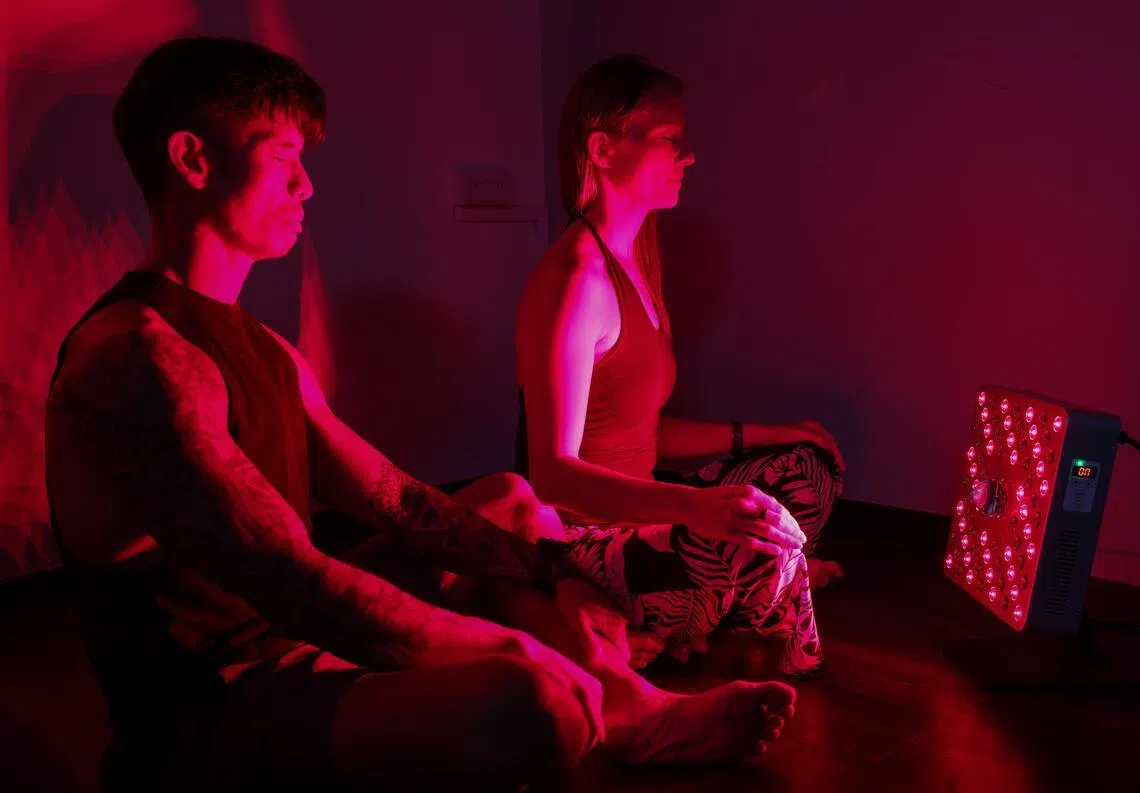
Some of these tools – such as light therapy for circadian regulation or oxygen therapy for specific medical uses – are backed by established research.