Apple’s top 5 products of the last 50 years as chosen by HardwareZone

Apple’s top 5 products of the last 50 years as chosen by HardwareZone


As Apple marks its 50th anniversary, it feels like the right moment to look back at the products that defined its journey. Trying to pick the top five products from Apple is a bit like arguing over your favourite food. Everyone has a strong opinion, and honestly, no one is entirely wrong. Over the decades, Apple has released devices that not only sold well but genuinely shifted how people use technology in their daily lives.

As for this list, it’s less about raw sales numbers and more about impact. We are looking at the products that made us stop and think, “Okay, this changes things.” To be fair, the history of Apple is chock-full of such products, and trying to pick five isn’t easy. This list serves as snapshot of what stood out to us as writers who have followed Apple for years, tested its devices, and watched its evolution up close.

Some of our choices may be obvious. At least one might surprise you.

  1. 1. The Macintosh 128k
  2. 2. The iMac G3
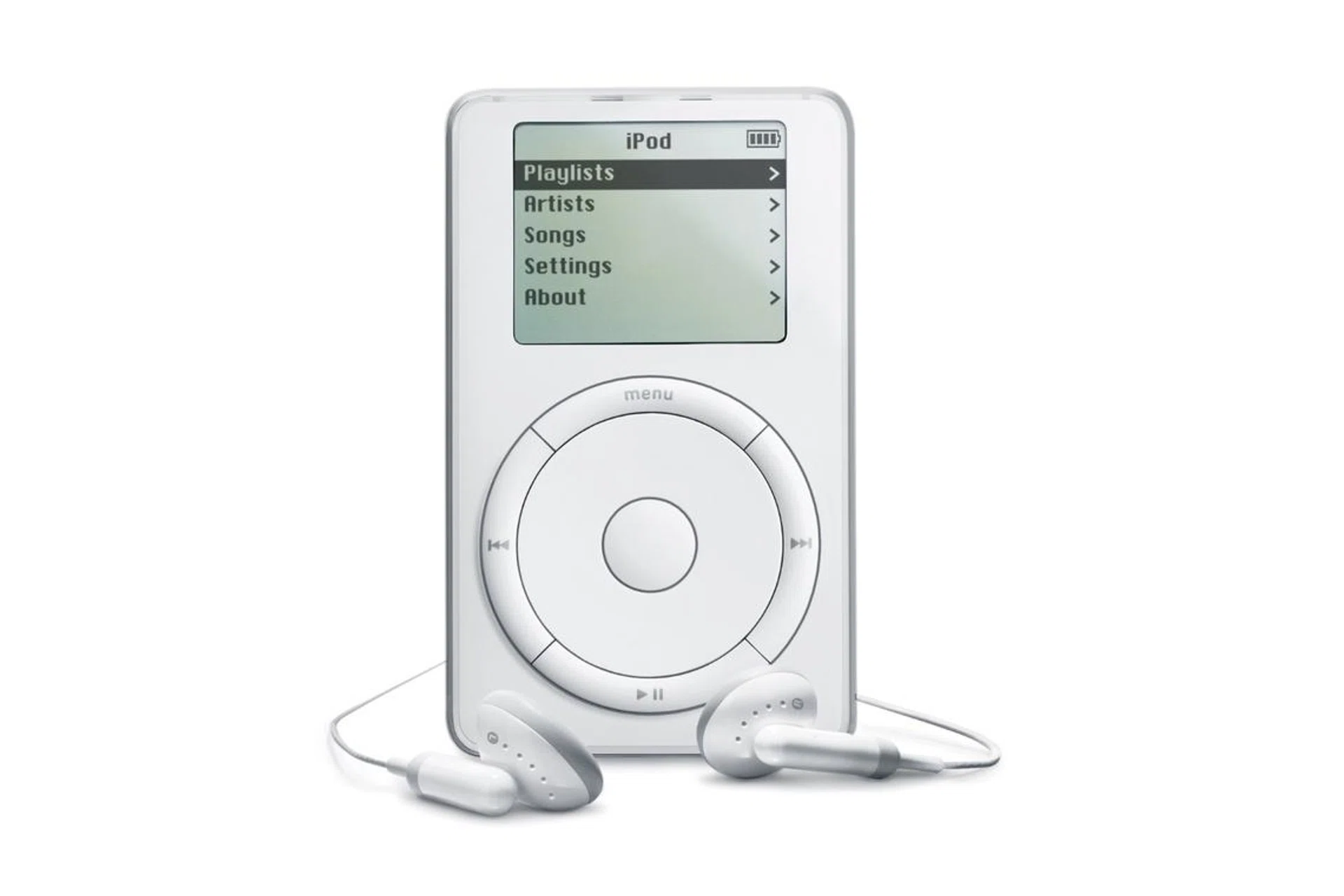
  3. 3. The Original iPod
  4. 4. The Original iPhone
  5. 5. The M1 Chip

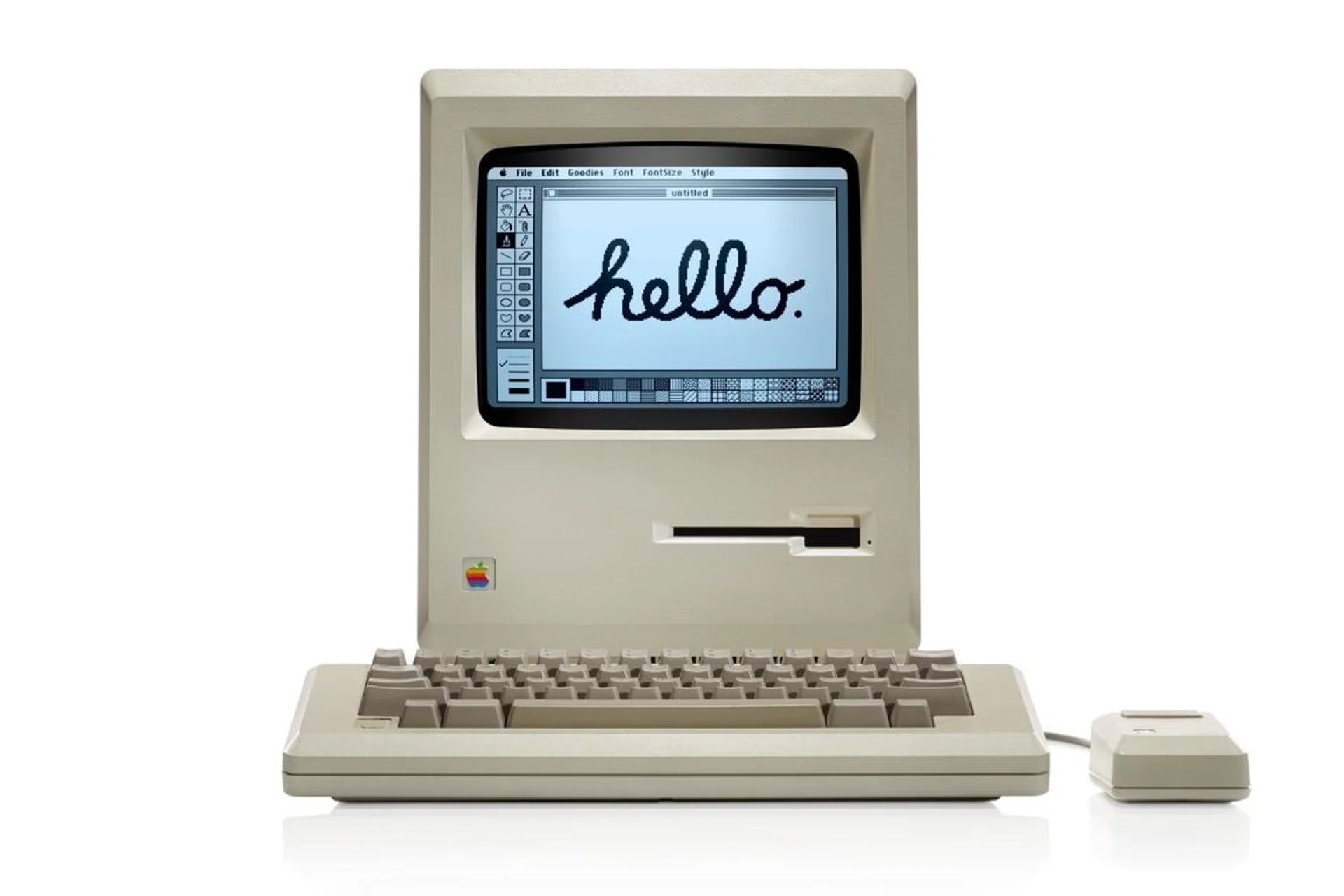
The Macintosh 128k

Macintosh 128K

This is the daddy of all Macs.

Photo: Apple

The Macintosh 128K may not be Apple’s first computer, but it was the first-ever Mac, and it was widely regarded as one of the first successful mass-market all-in-one systems – the monitor and floppy drive were both integrated into a single case. In many ways, this was the genesis of the iMac. It also gave us that iconic “1984” commercial.

But more importantly, it introduced a new way of using computers. Instead of having users type complicated and difficult-to-remember commands, the Macintosh 128K had a graphical user interface. Users interacted with it by moving a pointer around the screen and clicking by using a new type of accessory called a mouse. Today, the mouse is ubiquitous, and the Macintosh 128K’s GUI would later go on to inspire Microsoft Windows. In short, the Macintosh 128K didn’t just lay the groundwork for future Macs; it also introduced new ideas that would come to revolutionise and define personal computing.

The iMac G3
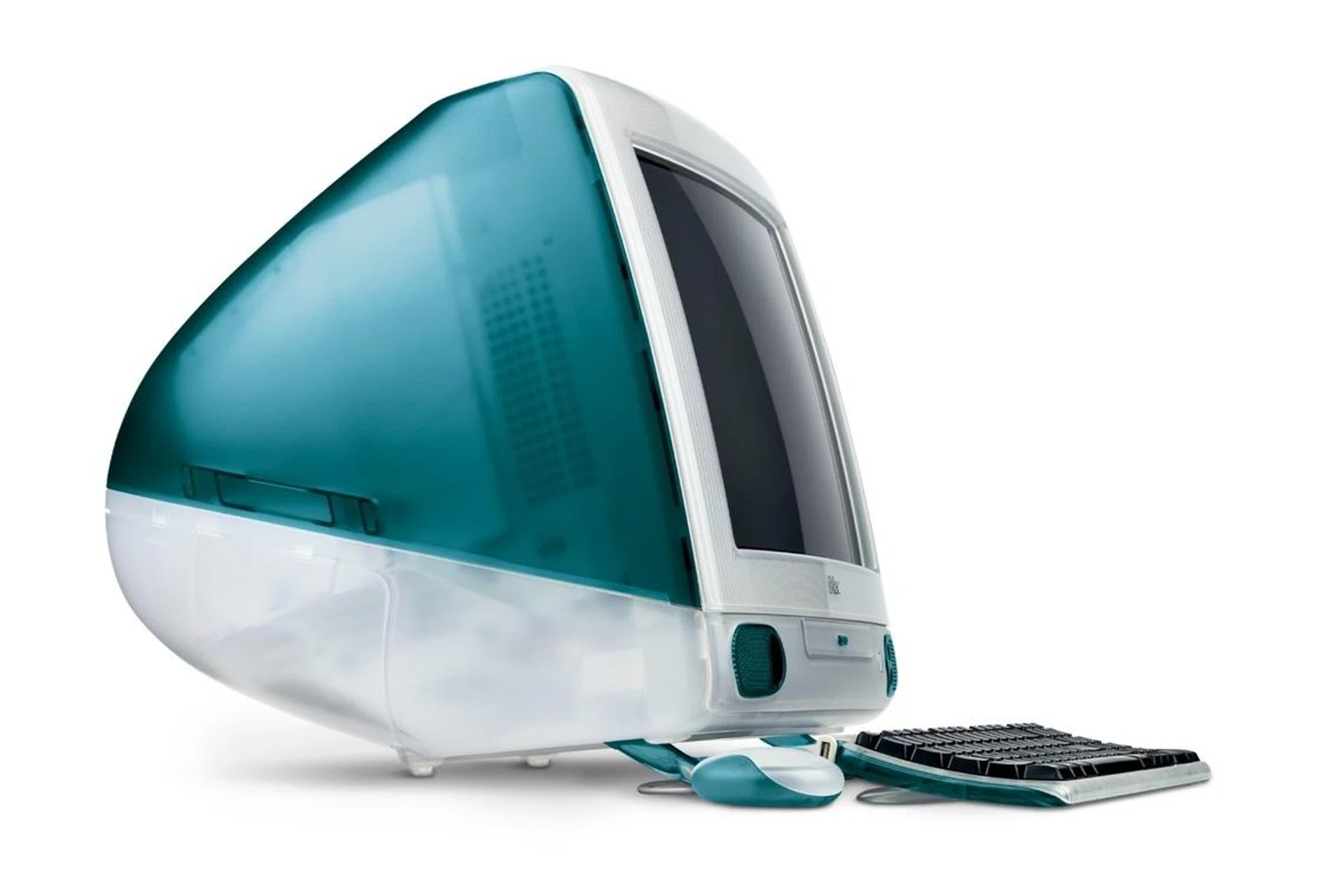
Apple iMac G3 Bondi Blue

Few desktop systems are as iconic as this.

Photo: Apple
The iMac G3, launched in 1998, was Apple’s first major product after Steve Jobs’s return, pulling the company back from the brink of financial collapse. Designed by Jony Ive, the machine radically redefined the personal computer.

Breaking convention, its translucent, egg-shaped shell came in bright colours like Bondi Blue and Tangerine, a stark contrast to the ubiquitous beige boxes of the time. This bold aesthetic choice immediately set Apple apart.

Beyond its looks, the G3 introduced forward-looking, though initially controversial, changes such as adopting USB-only connectivity and removing the floppy disk drive. These deliberate design choices simplified the user experience and made the machine more accessible for everyday users. Its striking appearance also made it a retail success, positioning the computer as both a functional device and a desirable lifestyle product.

Crucially, the G3 validated Jobs’s core belief that exceptional design and superior usability could drive mass-market success. It restored consumer, developer, and investor confidence in Apple, generated essential cash flow, and established the design-led philosophy that paved the way for subsequent hits like the iBook, iPod, and iPhone.

The Original iPod

Original Apple iPod

For many, this was the OG MP3 player. And if not for the iPod, one has to wonder where Apple would be today.

Photo: Apple

While the iMac G3 ensured Apple’s survival, the original iPod, launched in 2001, proved to be a more pivotal product, transforming Apple from a niche computer maker to a consumer electronics giant almost overnight.

The iPod wasn’t the first MP3 player, but its coherent design, where hardware and software worked together seamlessly, was revolutionary and set it apart from rivals. More significantly, the iPod helped Apple build its crucial ecosystem. The combination of hardware, software, and the iTunes Store created a frictionless experience for music lovers – buy music, sync it, carry it everywhere. This model later paved the way for the iPhone and defined Apple’s business strategy for the next two decades.

The iPod’s impact on the music industry was equally profound. Facing rampant piracy, Apple offered a legal and easy-to-use alternative. Selling individual tracks for US$0.99 shifted consumer behaviour from buying entire albums to purchasing singles, which fundamentally reshaped music distribution and monetisation, stabilising a struggling business in the digital age.

Crucially, the iPod demonstrated that superior design and user experience were as vital as technical specifications. It compelled the tech industry to focus not just on what devices could do, but on how people interacted with them, establishing the modern expectation that technology should be intuitive, personal, and desirable.

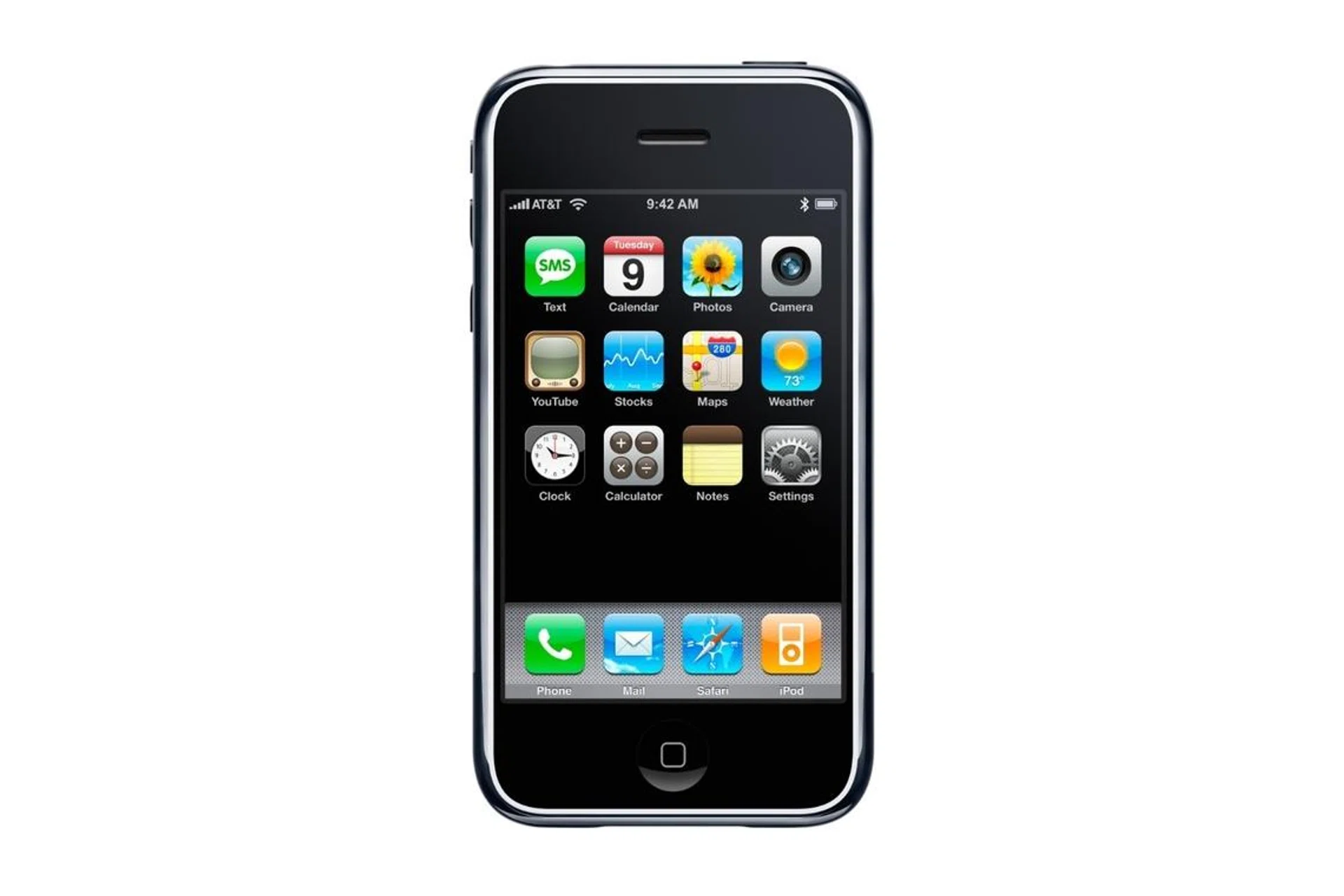
The Original iPhone

Original iPhone

Can any list of top Apple products be complete without the original iPhone? Nope, don’t think so.

Photo: Apple

The original iPhone was incredible when it launched in 2007, and everybody was wowed by the touchscreen and multi-touch gestures used to control it. We could browse full websites, take photos with the 2MP camera and use it to listen to music, all in a single device that had a great UI, and was easy and fun to use.

Steve Jobs called it a revolutionary product, combining an iPod, a phone and an internet communicator. It was a game-changer, but it wasn’t quite complete at launch. 

The App Store came in 2008 with the new iPhone 3G, and that was when things really took off. It sparked a massive following and iconic moments like people queuing outside stores to be the first to get their hands on the devices. 

There’s no question that the introduction of the iPhone was one of the biggest contributing factors to Apple’s success, and the company’s phones still are their best-selling products today.

Check out our coverage of the iPhone 3G here, and what we did for the first 10 years of the iPhone.

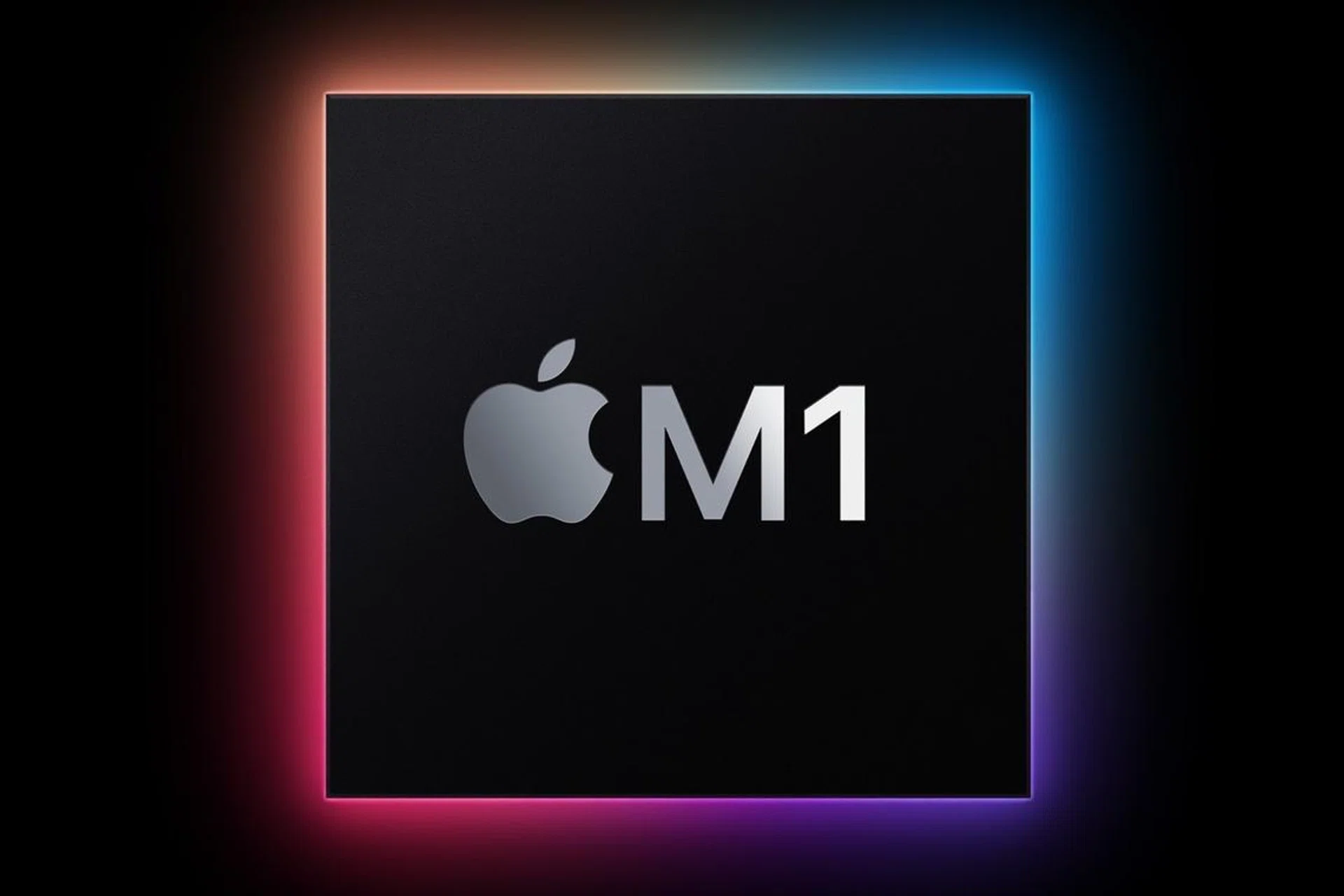
The M1 Chip

Apple M1 chip

Apple’s first sillicon

Photo: Apple

The launch of the M1 chip must be regarded as a landmark event in Apple’s history. It was the first Apple-designed chip to be used in a Mac, and it utterly rewrote the laptop rule book. Here was a mobile chip that was almost as fast as Intel’s and AMD’s high-end desktop chips, and it still offered up to 20 hours of battery life. This was at a time when most laptops struggled to even get 8 or 10 hours of battery life. That’s how incredible its performance and efficiency were. And even now, nearly six years on, its competitors are still playing catch-up. 

It also transformed the way we shop for MacBooks. Because of the sheer performance of Apple’s M-series chips, the MacBook Air became the default choice of laptop for a generation of Mac owners. It was ostensibly Apple’s entry-level laptop, and it didn’t even have a fan, but it was so capable that most users will be completely happy with it. Even many professionals rely on it for work. The MacBook Pros, on the other hand, became veritable portable powerhouses, offering performance that surpassed many desktop PCs. Now, there really isn’t any MacBook that’s bad, and it’s not often that you can say that of any product line.

Read our review of the M1 MacBook Pro here.


Read Full Article At Source