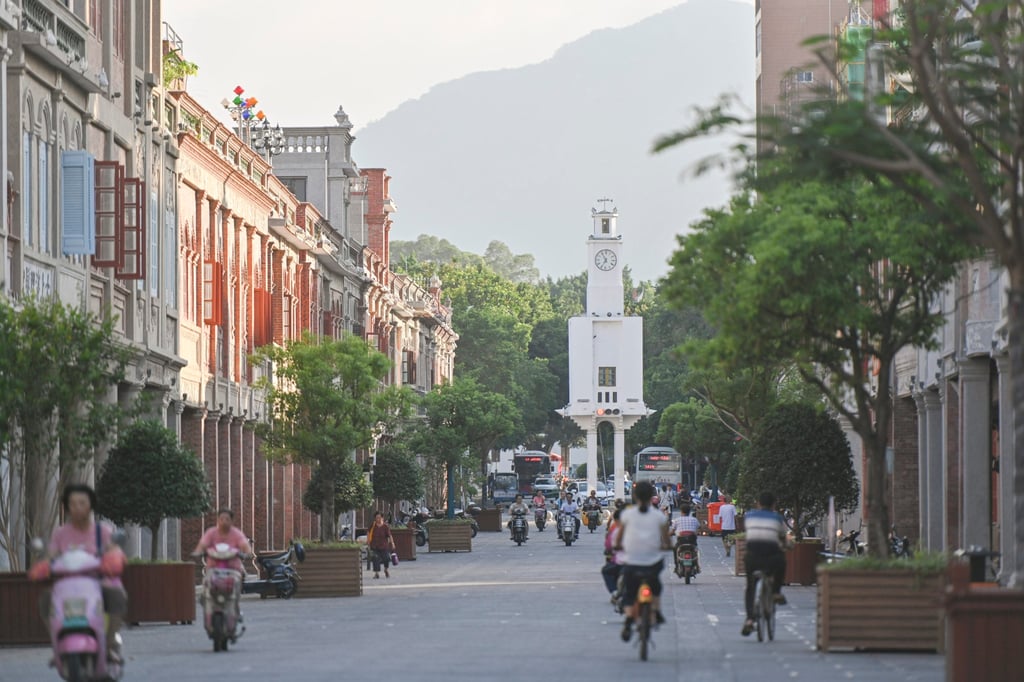
Marco Polo once wrote that for every shipload of pepper reaching Alexandria, a hundred docked in Quanzhou. Centuries later, that pepper still lingers – sprinkled over bowls of beef soup, simmered with seafood, woven into the city’s kitchens. It is a taste of the maritime trade routes that once made Quanzhou the “emporium of the world”.
In 2021, Quanzhou received Unesco World Heritage status for its role as the eastern terminus of the Maritime Silk Road. Four years later, in October 2025, it earned a second Unesco title: Creative City of Gastronomy.
The latter honour recognises a cuisine that has always looked to the sea. Quanzhou’s food is a branch of Minnan (southern Fujianese) cooking, but it stands apart from its neighbours.
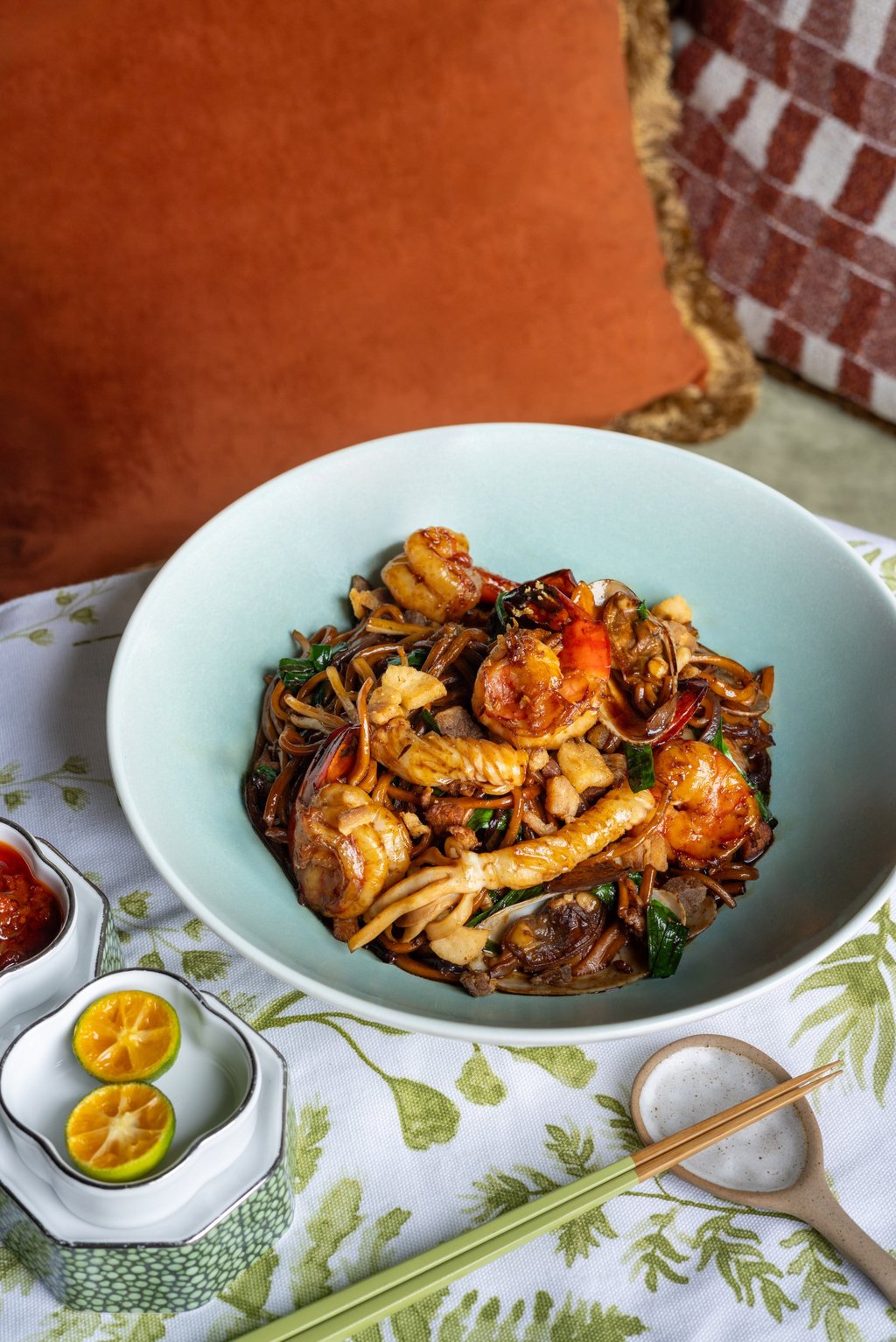
This lightness, however, does not mean blandness. Among Fujian’s four regional styles – Fuzhou’s sweet-sour soups, western Fujian’s heat, southern Fujian’s elaborate sauces – Quanzhou presents the strongest flavour with the least oil. The secret lies in the different culinary currents that converged here.
The first flowed overland. During the Jin dynasty (1115–1234), waves of refugees fled war-torn regions in the Central Plains for the south, settling in Fujian. They brought with them the slow-simmered geng soup tradition – a method of thickening broths using grains or root starches. That technique survives today in Quanzhou classics, like oyster soup and mianxianhu (thickened vermicelli soup).
The next current came by sea. Between the 10th and 14th centuries, Quanzhou traded with more than 100 regions, its docks flooded with spices: cinnamon, cloves, nutmeg. Arab traders settled in the city, establishing foreign quarters known as fan fang, and with them came new ingredients and techniques.
Among these was a love of beef – radical in a country where cattle were sacred. For centuries, Chinese law protected oxen as essential farm labour; killing one was a crime. But Quanzhou’s Muslim traders operated outside this taboo. They slaughtered cattle according to halal requirements, cooked beef freely, and gradually introduced their tastes to local kitchens. Quanzhou became one of the first Chinese cities to embrace beef cuisine.
The third current sailed from across the Pacific. In the late Ming dynasty, merchant Chen Zhenlong introduced sweet potatoes from Luzon (present-day Philippines) in 1593, famously smuggling the vines past Spanish authorities by weaving them into a rope.
Sweet potato starch would transform Quanzhou cooking in two distinct ways. In oyster omelettes, it bound fresh oysters and eggs into a crispy-chewy pancake that sustained soldiers and fishing communities alike. In beef soup, it replaced traditional thickeners to create a silky, lighter broth.
Today, that legacy lives on in every bowl of beef soup, an icon of Quanzhou cuisine. Arab beef, Central Plains soup tradition, New World sweet potato starch and a final pinch of white pepper – all colliding in a single spoonful.
Beyond the spices and starch, even the humble carrot tells a similar story. Known in Chinese as hu luo bo (the “foreign radish”), it arrived via the same maritime routes that shaped Quanzhou’s identity, likely during the Song-Yuan era, when spices and new crops flooded its docks.
Now, the region around Quanzhou, particularly Jinjiang, has become Fujian’s largest carrot production base. The coastal sandy loam soils, rich in calcium and zinc, produce carrots so exceptional that they are now a nationally protected agricultural product, prized for their tender flesh and natural sweetness.
This preference for natural sweetness defines Quanzhou’s flavour profile. Local ingredients deliver it from both land and sea. From the land, Jinjiang carrots and Shishi sand-soil radishes are prized specifically for their qingtian quality (refreshing sweetness). From the sea, seafood like Xunpu oysters, Baiqi clams and Xiaozuo dried squid concentrate umami with underlying sweetness. This sweetness is never cloying, always in dialogue with the ocean’s salinity and the earth’s freshness.
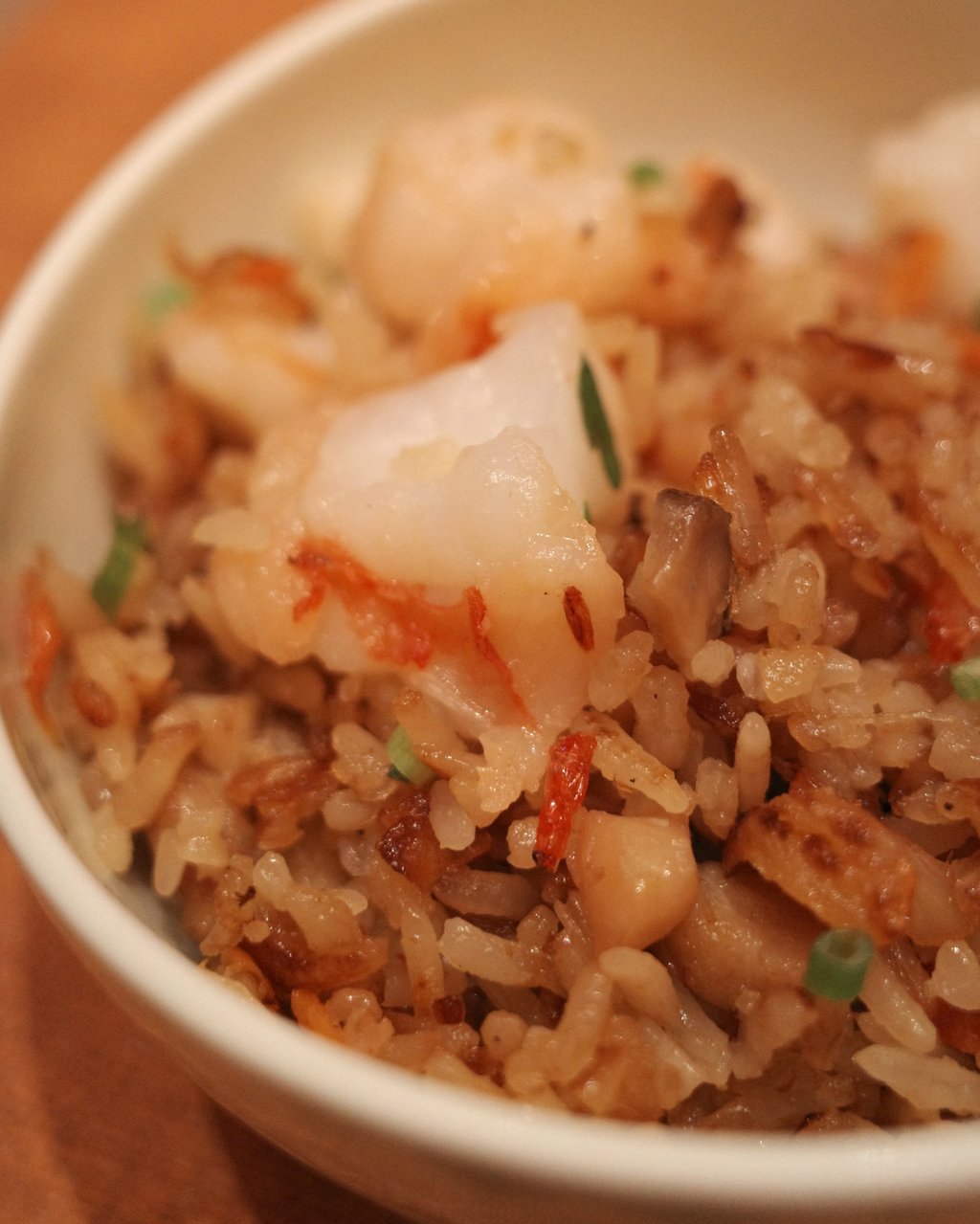
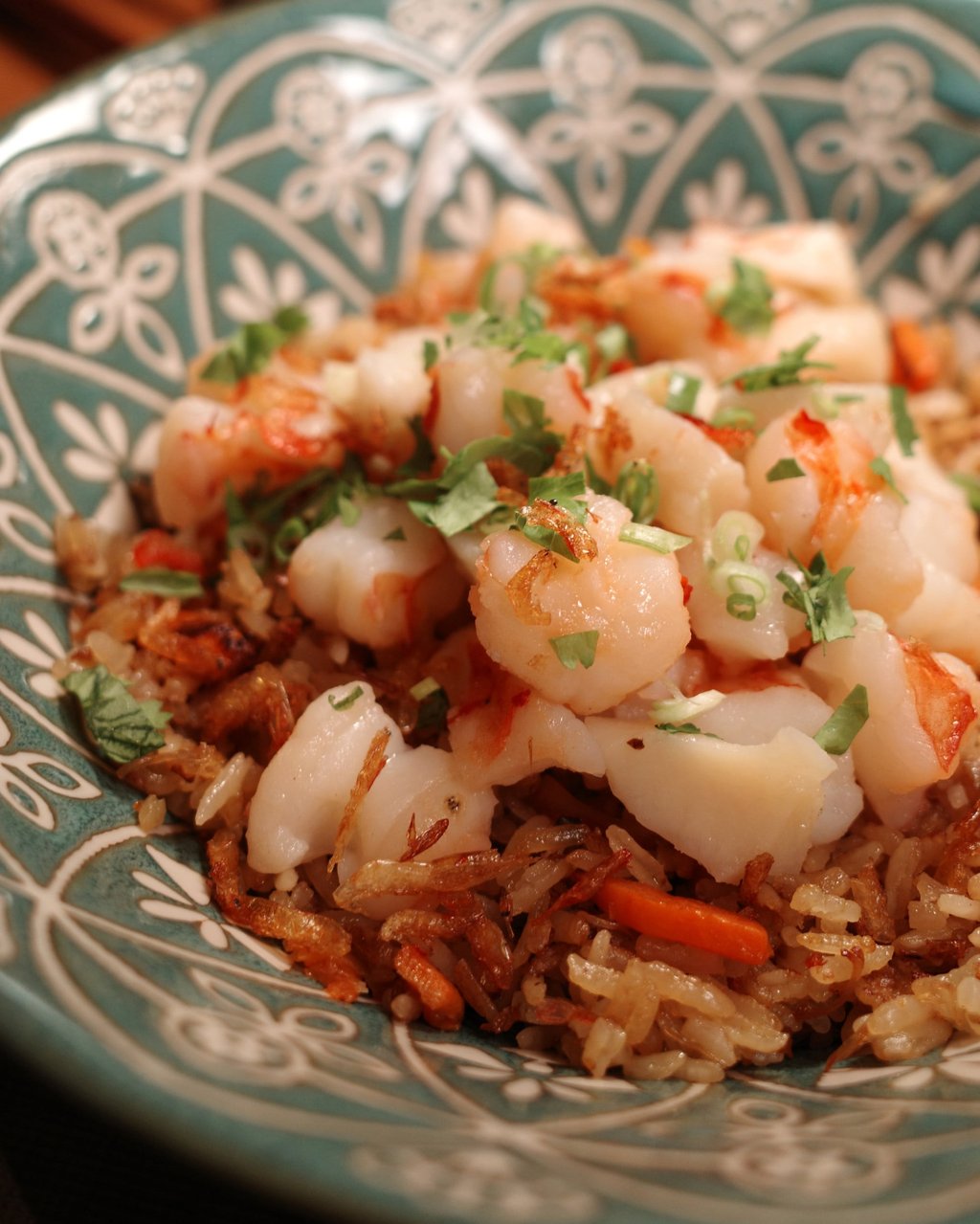
Nowhere is this balance more evident than in Quanzhou’s signature braised rice dish. Lam’s version at Ming Pavilion – Quanzhou-Style Braised Rice with Dried Squid, Conpoy and Sakura Shrimp – is, in his words, “a comforting, aromatic dish that captures the essence of Minnan fishing villages, featuring dried squid, conpoy, Sakura shrimp and vegetables braised together in a flavourful broth”.
The dish is based on traditional Quanzhou savoury rice, a nostalgic staple made by stir-frying and braising rice with ingredients like radish, pork, mushrooms, oysters and dried shrimp. Contemporary versions adopt carrots instead of white radishes, as they add natural sweetness without turning the rice soggy. The result is a “collision of mountain and sea flavours”, as Yeung says – natural sweetness from carrots, umami from seafood, all without heaviness.
This culinary resourcefulness is precisely why Unesco took notice. As Lam puts it, the city was selected “because of its profound culinary heritage tied to the Maritime Silk Road, where it served as a starting point for global trade, fostering a fusion of flavours from diverse cultures”.
“Quanzhou’s commitment to preserving traditional dishes, sustainable practices, and vibrant food scenes highlights its role in cultural exchange and gastronomic innovation,” he adds. “It’s a model for creative cities worldwide.”