Macau’s culinary identity is a deliciously unruly map of the world: a centuries-old laboratory of creative fusion where spices, techniques and stories collide. Long before “fusion cuisine” became a trend, Macanese cooking was already inventing itself at the crossroads of oceans – an everyday experiment in adaptation, improvisation and joyful hybridity. What began as practical substitutions and ingenuity has evolved into a living tradition that prizes sustainability, originality and a renewed commitment to farm-to-table practice.
The story begins with Macau’s role in the Portuguese maritime network. When Portuguese traders anchored on these shores in 1557, they brought not only new cooking methods – roasting, grilling, stewing – but also a cargo of ingredients from Africa, India and Southeast Asia. Those flavours met Chinese produce and techniques in kitchens where Chinese wives, cooks and market vendors quietly rewrote recipes to suit international tastes. Historians note that this blending was deliberate and sustained: Macanese food is a continuation of Iberia’s own multicultural past, refracted through the voyages and markets discovered during the Age of Sail. In every bite, there is a history of movement, encounter and creative remaking.
That same open-minded spirit – an appetite for mixing, reimagining and sharing – now animates Macau’s role on the global gastronomic stage. “Since Macau was designated a Unesco Creative City of Gastronomy in 2017, the Macau SAR government has placed creativity at the heart of development plans, using it as the driving force to preserve and innovate food culture, while developing local, regional and international cooperation in line with the Creative Cities Network’s objectives,” says a spokesperson for the Macao Government Tourism Office (MGTO). Here, the line between preservation and invention is porous: honouring tradition goes hand in hand with inventing new ways to tell Macau’s story.
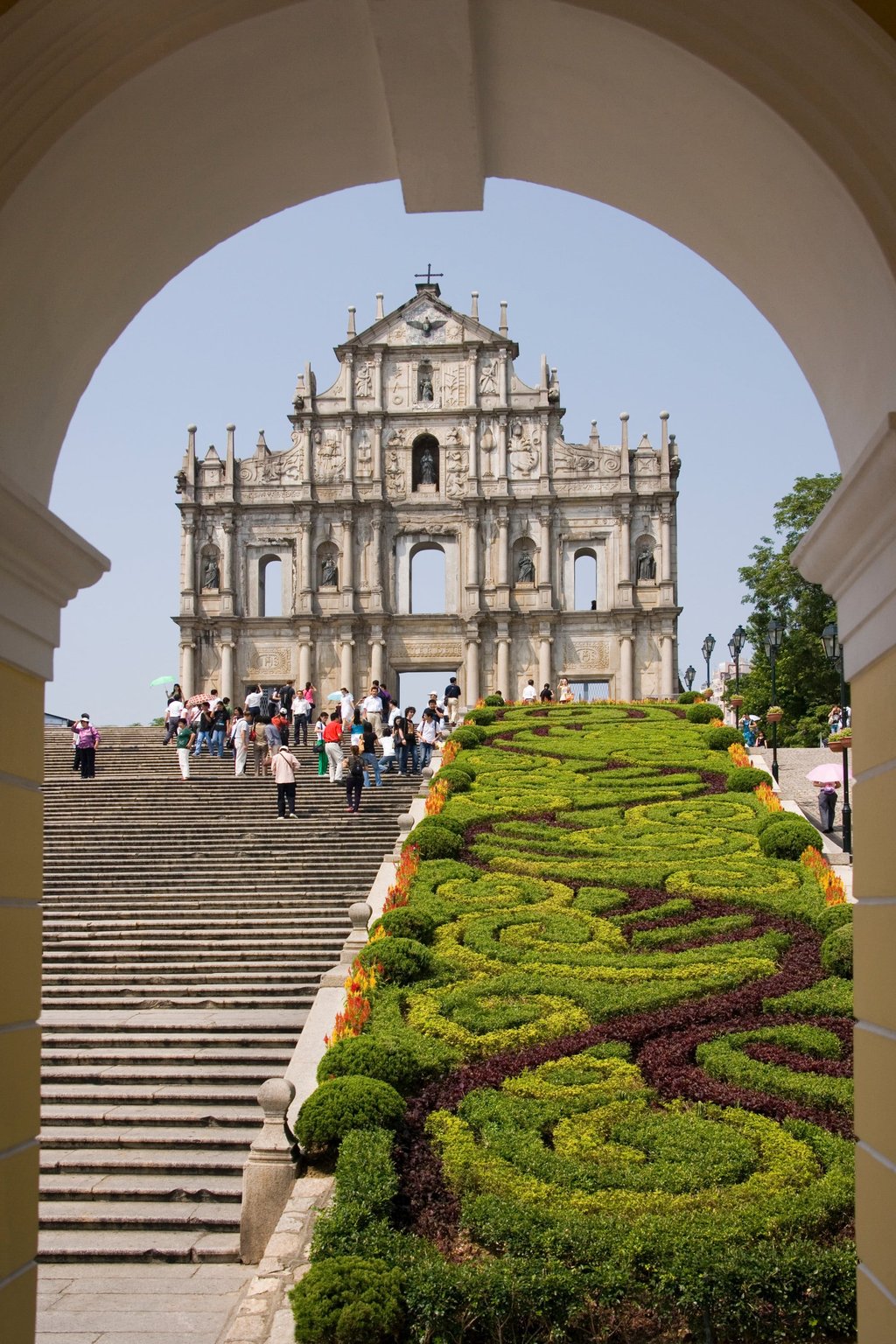
That ethos finds a natural showcase in the International Cities of Gastronomy Fest Macao. The annual festival is a deliberate, convivial extension of Macau’s culinary DNA – bringing together cities, chefs and cuisines to trade techniques, swap recipes and explore where food culture goes next. “The 2026 International Cities of Gastronomy Fest Macao, being held from March 20 to 29, features 39 Cities of Gastronomy – nearly 70 per cent of the global total – including eight that were newly designated last year,” the MGTO spokesperson adds.
Over 10 days, the festival will widen this gastronomic dialogue beyond restaurants and recipes. Representatives from Creative Cities across other fields will join the programme, reflecting the Unesco Creative Cities Network’s collaborative spirit and amplifying Macau’s global influence. “The primary objectives of the International Cities of Gastronomy Fest Macao are to build an international exchange platform, deepen the city’s role as a Unesco Creative City of Gastronomy, and promote Creative Cities of Gastronomy worldwide to jointly advance the goals of the United Nations 2030 Agenda for Sustainable Development,” the spokesperson explains.
New ideas on the menu
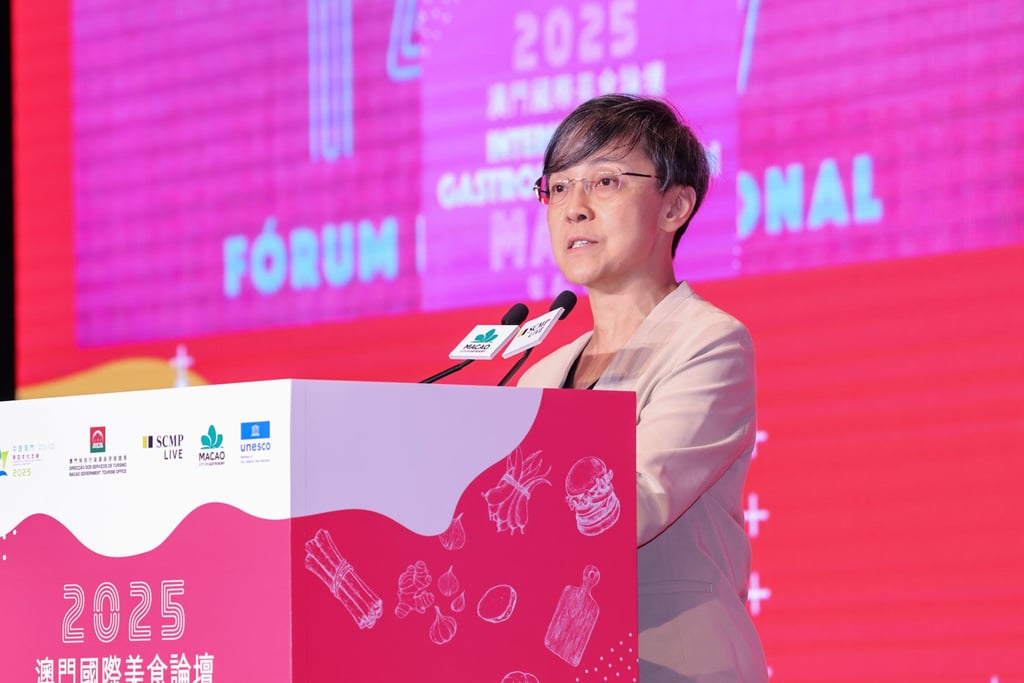
The International Gastronomy Forum Macao is one of the festival’s brightest stages – a high-energy think tank where world-leading chefs, food entrepreneurs, academics and policymakers converge over ingredients and ideas. It is designed not as a lecture hall but as a working laboratory for collaboration: a place to test trends, spark cross-sector projects and strengthen ties across the Creative Cities Network.
This year’s forum, themed “Creative Fusion”, widens that circle. As the MGTO spokesperson explains, “Through three keynote sessions and three breakout sessions, it will examine how creativity can promote community tourism, nurture the next generation of culinary leaders, and inspire gastronomic content.” Creative Cities in other fields will share practical models and fresh thinking. In particular, representatives from mainland China have been invited to participate and showcase their cultural offerings, broadening the picture beyond Unesco’s Cities of Gastronomy.
If the forum is where ideas are exchanged, the City of Gastronomy Showcase is where they hit the pan. The latter puts talent centre stage, with 53 cooking demonstrations by 25 renowned chefs from Unesco Creative Cities of Gastronomy. Among them, two Macau-based chefs and one from South Africa – all selected for the prestigious Young Chefs Programme, an initiative of the UN’s Rome-based Food and Agriculture Organization – will demonstrate their craft.
Collaboration is the event’s guiding principle. Unesco Cities of Gastronomy are coordinating programming to amplify the festival’s global impact, pooling expertise, ingredients and ideas so the whole becomes greater than the sum of its parts.
Culinary discoveries across 100 booths

The MGTO has reimagined the festival footprint this year to create a fresher, more varied experience. The main hub remains Macau Fisherman’s Wharf, where visitors will find the International Gastronomy Promenade, City of Gastronomy Showcase, International Gastronomy Forum and a brand-new World Wines Lounge. A new satellite, the Global Goodies Market, in the Zape district, will showcase speciality products from Creative Cities and other creative hubs, giving makers a direct line to festivalgoers.
The International Gastronomy Promenade is a feast of diversity, featuring 28 booths from mainland Chinese cities (including Chengdu, Shunde, Yangzhou, Huai’an, Chaozhou and Quanzhou), 32 booths from overseas cities and 40 booths from Macau, for a total of 100 booths. Together they offer a broad mix of cuisines, from Macanese and Portuguese classics to Cantonese, vegetarian, Japanese and Korean specialities. Nearby, the City of Gastronomy Showcase invites spectators to appreciate the skills and precision that define world-class cooking.
This is a family-friendly mega-festival with games, live performances and a buzzing dining precinct. Every zone will feature creative, Instagram-ready photo installations designed to tempt visitors to snap and share – turning attendees into enthusiastic ambassadors and amplifying the festival’s reach through organic social media buzz.
From family recipes to fine dining
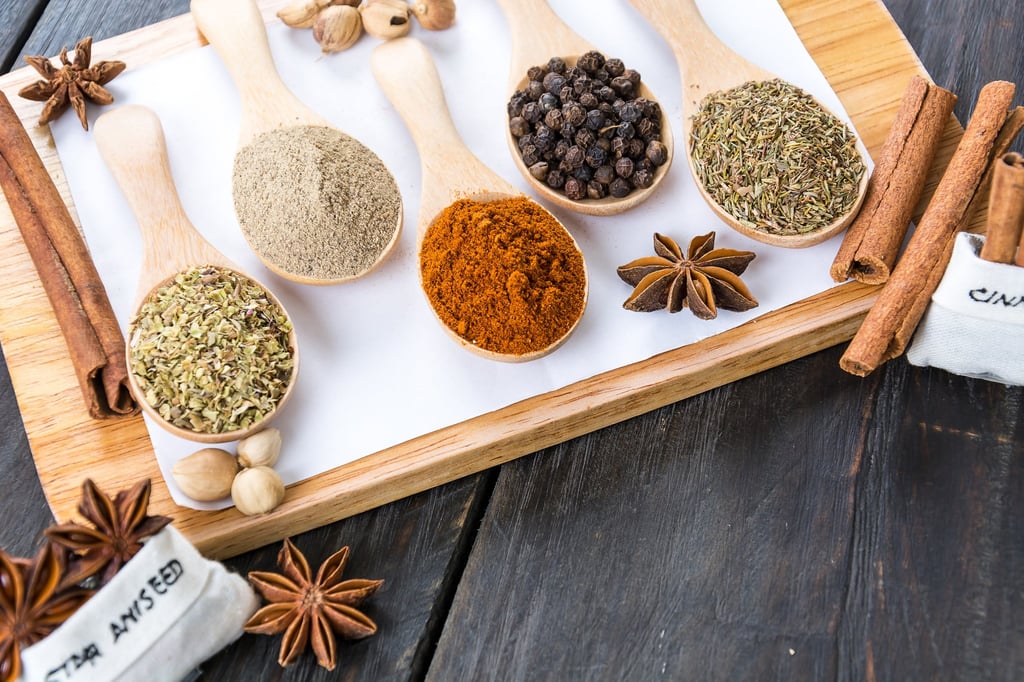
Macau today hums with a culinary confidence that feels both traditional and modern. Its streets, markets and dining rooms form a thriving ecosystem of creative fusion: chefs riff on family recipes, street vendors keep centuries-old techniques alive, and new kitchens test the limits of what Macanese food can be, creating plates that pair local seafood with African spices or reworking Portuguese sauces with Cantonese stocks.
Fine dining in Macau has become a laboratory of tradition reimagined. In hotel kitchens and intimate tasting rooms, chefs strip traditional Macanese fare down to its core flavours – then rebuild it with sous-vide precision, seasonal produce and a global pantry. The result is food that honours lineage while surprising the palate, marrying familiar textures with unexpected aromatics and a clear commitment to provenance. And sustainability isn’t an add-on: it’s the recipe, agree many chefs in the city, pointing to rooftop gardens, partnerships with Zhuhai farms and menus built around what’s available this week.
Beyond tasting menus, Macau’s everyday food culture remains fiercely authentic. Pork chop buns, curry noodles and tacho (meat and vegetable stew) simmer in neighbourhood stalls where dried seafood, medicinal herbs and market wisdom anchor daily life. Even Buddhist vegetarianism finds a new voice: monks grow their own vegetables and serve hyperlocal, contemplative meals that echo global farm-to-table movements.
Macau’s next generation of cooks – trained abroad, rooted at home – are knitting these threads into something new: regional supply chains, waste-cutting practices, and dishes that read like travelogues. Their work makes Macau not just a place that remembers fusion, but a city that invents it anew.
This living, inventive culinary scene is precisely what the International Cities of Gastronomy Fest Macao is built to showcase. Over these 10 days, it becomes a stage where tradition meets experimentation, local producers meet global chefs, and the city’s flair for creative fusion is there for the world to taste and see.
