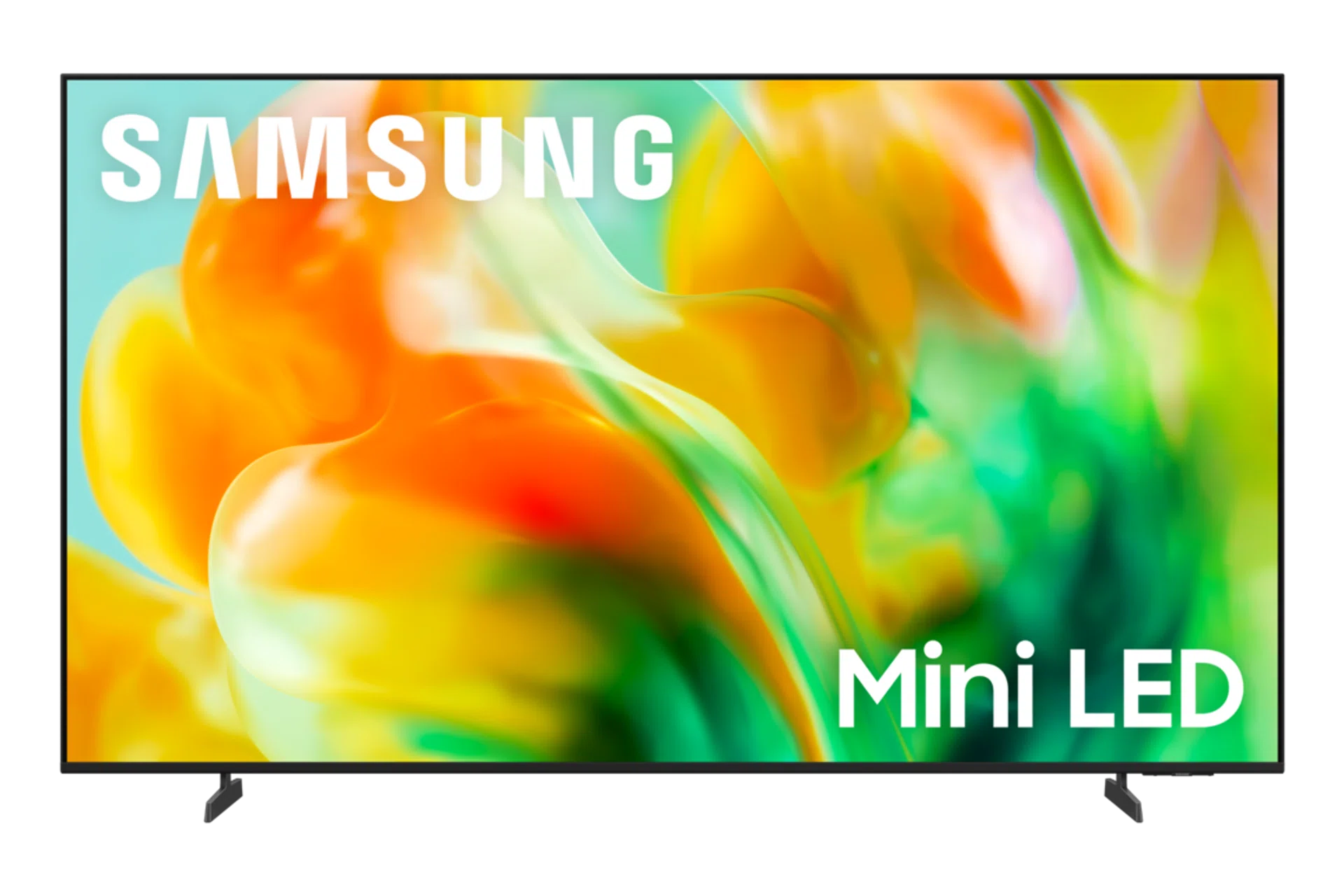
Samsung Electronics America has officially expanded its 2026 TV range with a refreshed Neo QLED 4K series and an all-new lineup of miniLED televisions. The announcement, made on 24 March 2026, adds five new models, the QN80H, QN70H, M90H, M80H, and M70H, to a growing slate of Samsung screens, with prices starting at US$349.99 and climbing to US$5,499.99 for the top-of-the-range 100-inch QN80H.
If you’re wondering what separates a Neo QLED from a miniLED, or whether any of it matters to someone who just wants a better picture, that’s exactly what Samsung is betting on this year. The company has positioned the 2026 launch as a push to bring advanced display and AI technology to more shoppers at more price points, and that’s a meaningful shift worth unpacking.
Shane Higby, Head of Home Entertainment at Samsung Electronics America, summed it up plainly, “With our new miniLED TVs and Neo QLED 4K series, we’re offering incredible value for shoppers at every price point. And across both series, Samsung Vision AI Companion elevates the experience in ways that go far beyond simple viewing, making TV watching more intuitive, more interactive and more personalised.”
Neo QLED 4K is the step-up choice
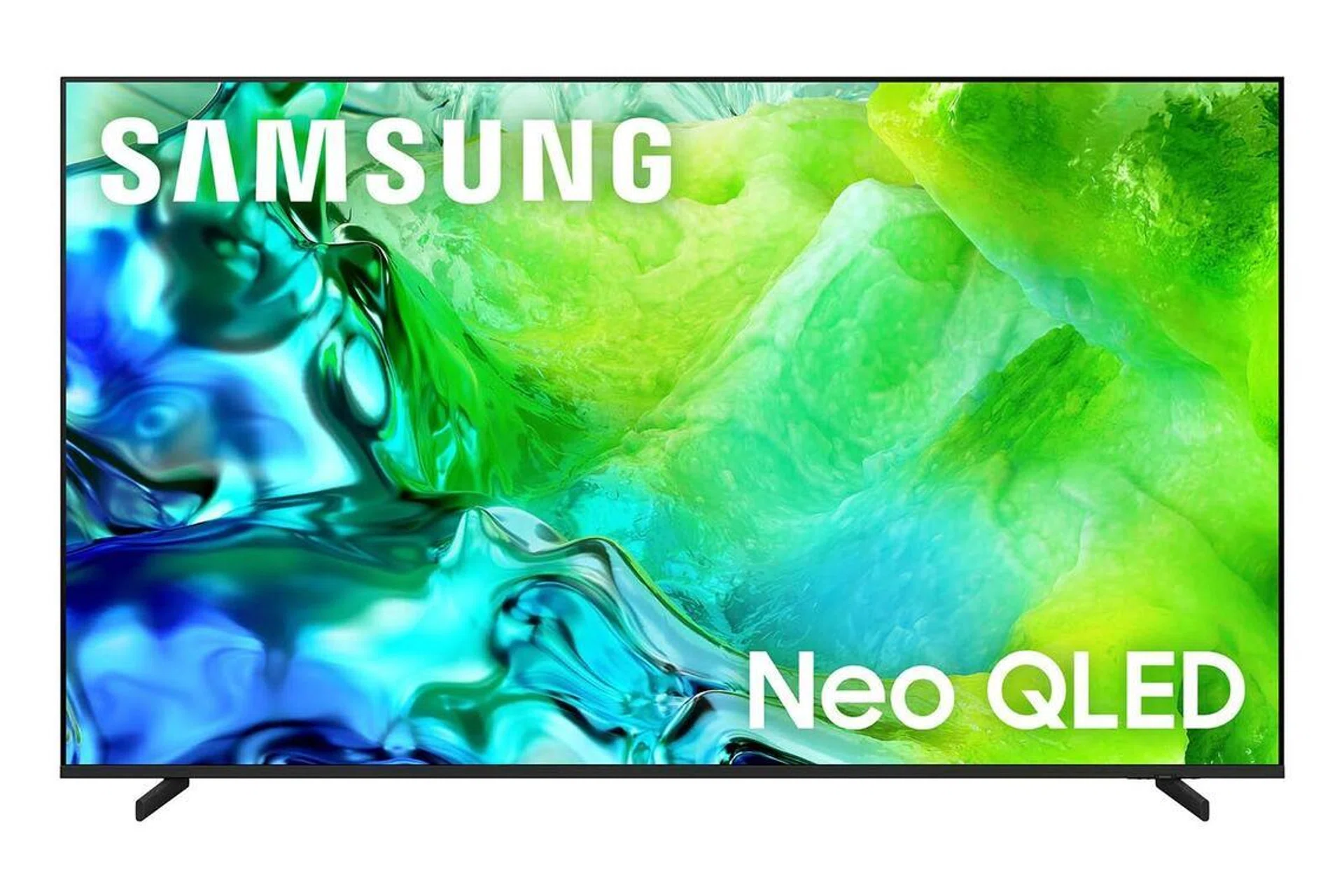
The QN70H NEO QLED TV
Photo: Samsung
The two new Neo QLED 4K models, the QN80H and the QN70H, sit at the premium end of this launch. Both use Quantum miniLEDs, which are smaller than standard miniLEDs and paired with quantum dot technology to achieve what Samsung certifies as 100% colour volume in the DCI-P3 colour space. In practice, that means tighter control over local dimming zones and more precise backlight modulation, which translates to deeper blacks, brighter highlights, and more accurate colour, especially in mixed-lighting scenes.
The headline model is the QN80H, which runs Samsung’s NQ4 AI Gen2 Processor, the second-generation version of the company’s specialised AI chip for picture and sound. According to B&H Photo’s coverage of the launch, the Gen2 chip offers meaningful improvements over its predecessor in upscaling quality and processing speed, both of which are likely to be noticeable in real-world use. The QN70H uses the first-generation NQ4 chip, which still offers solid AI-driven optimisation, though with some ceiling differences in performance.
The QN80H’s AI processing does a few things worth knowing about. First, it analyses every scene in real time and enhances it for 4K resolution, even if the source content is in standard definition or HD. Second, and perhaps more interestingly for those with older content libraries, it intelligently converts SDR material into HDR-like quality. That means older programmes, films, or streaming content that was never graded for HDR get a meaningful picture boost automatically, without the viewer having to do anything.
There is also AI Customisation Mode, which detects what genre of content is on screen, whether sport, film, or a TV series, and adjusts picture settings accordingly. For those who have never wanted to fiddle with picture modes manually (which is most people), this is genuinely useful.
On the audio side, the QN80H’s processor monitors scenes for high levels of background noise and lifts dialogue clarity accordingly, while also calibrating sound to the acoustic dimensions of the room it’s in. Dolby Atmos is supported via Object Tracking Sound Lite, which moves audio dynamically to mirror on-screen action. That means a car racing across the screen or footsteps creeping through a corridor are rendered with positional audio that follows the image.