Lions Befrienders’ Ms Wee attributed it to several factors, including force of habit, social isolation, spiritual beliefs and possible mild cognitive impairment.
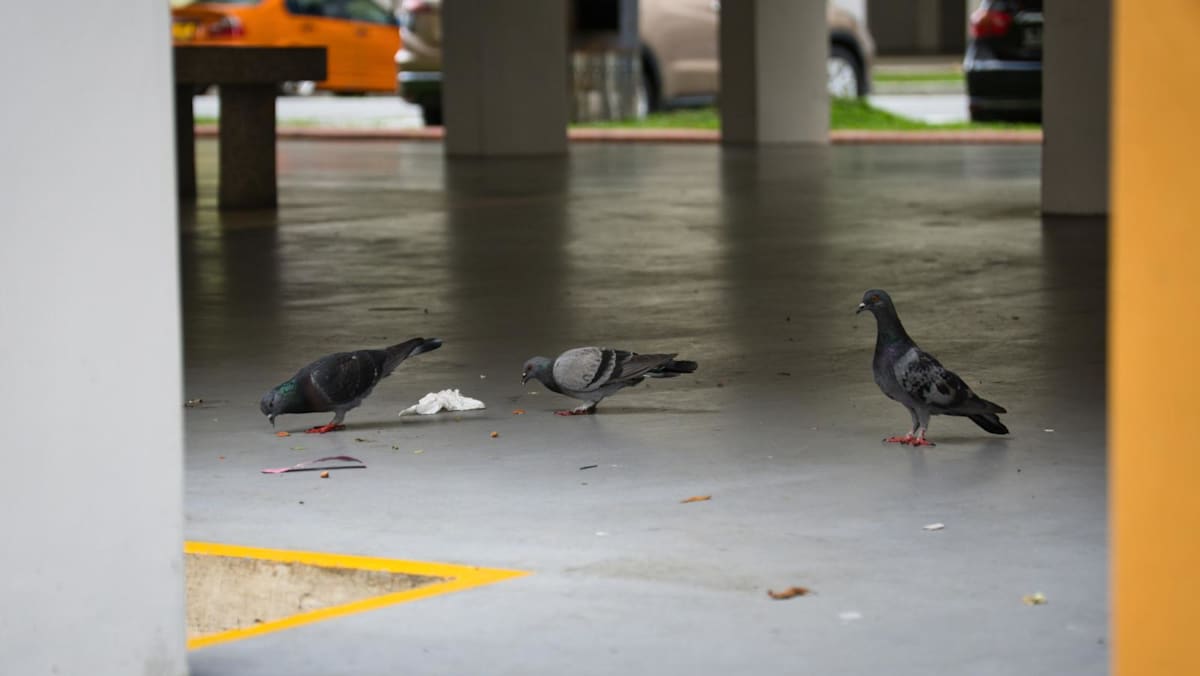
Some seniors form a habit of feeding birds to make up for the loss of routine and structure in their lives, which they might have got from going to work when they were younger.
Loneliness might motivate them to look for companionship among birds and other animals, said Ms Wee.
Spiritual beliefs around kindness and karma, which in Buddhist practice can take the form of “life release” or freeing captive animals into the wild, may be an influence, she added.
Mild cognitive impairment may also explain why some seniors cannot understand how feeding harms animals even after it has been repeatedly explained to them, she said.
Unable to rationalise these explanations, they may continue to base their actions on positive childhood experiences with feeding animals and childhood lessons around reducing food waste, said Ms Wee.
Ms So Man Shan, manager at AWWA Active Ageing Centre, agreed that seniors may gain a sense of routine and connection to their surroundings by feeding birds.