Interview with Samsung: What’s in store for Galaxy AI? Just look at Southeast Asia

Interview with Samsung: What’s in store for Galaxy AI? Just look at Southeast Asia


Galaxy AI? No, it’s all AI adoption across Southeast Asia

Did you know that the Southeast Asia region is much further ahead when it comes to using generative AI? And that it’s mostly the younger folks doing so?

In a rare interview with Samsung’s top leadership executives, the Galaxy S26 Ultra makers revealed a whole other side to Southeast Asia and Oceania (SEAO) that exists ahead of the rest of the world. 

According to Samsung’s own data, 9 out 10 of youths in the region use mobile AI every day, with 7 out of 10 believing it can improve their quality of life.

More stunning is that 67% of all Galaxy S25 series phones sold last year in the region were the Samsung Galaxy S25 Ultra model, which further emphasises the desire for high-performing devices next to cutting-edge usage of technology itself. 
Interview with Samsung on Southeast Asia users and Galaxy AI

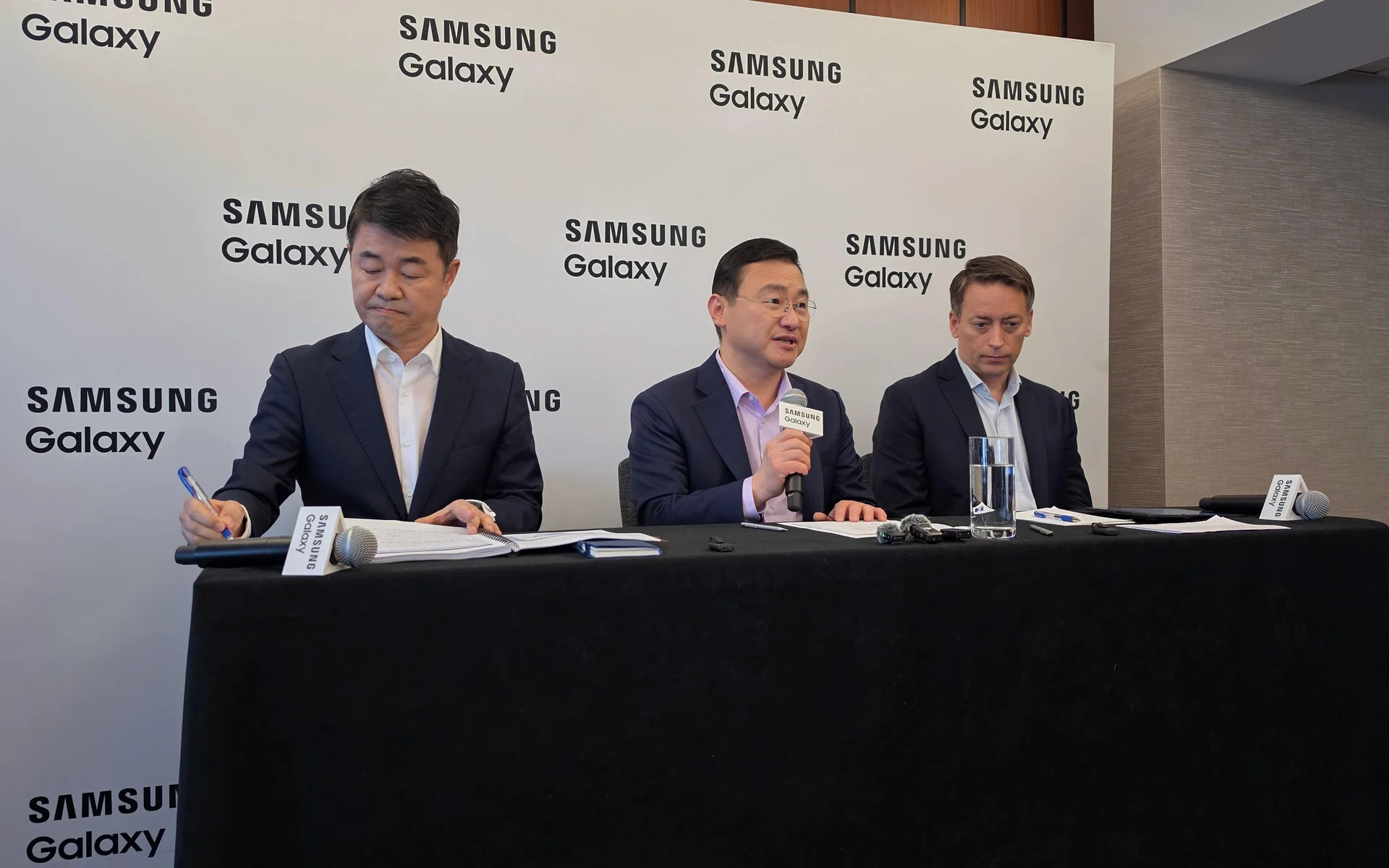
(L to R): CU Kim, TM Roh, and Carl Nordenberg of Samsung give their take on the Southeast Asian and Oceania region.

Photo: HWZ

Naturally, this led to Samsung having high expectations of the Galaxy S26 series in our markets. Its C-suite deemed it important enough to address the region’s burning questions in a closed door group interview during February 2026’s Unpacked launch. If you’re a fan of Samsung, you might recognise who was was in the room with us:

  • TM Roh, CEO, Head of Device eXperience Division (centre)
  • CU Kim, President & CEO, Southeast Asia & Oceania (left)
  • Carl Nordenberg, Vice President, Regional Head of Mobile Business, Southeast Asia & Oceania (right)

Below are some of the responses on what Samsung thinks of Southeast Asia and its next steps for Galaxy AI and its mobile devices.

This interview was conducted in both Korean and English, and has been edited for clarity. There may be slight differences from the original recording.

Using AI in Southeast Asia

Q: What are some of Galaxy AI’s most requested features by SEA users, and what sort of AI demand do you see moving forward? What’s your strategy in making Galaxy AI work with Samsung and non-Samsung, or non-phone products?

TM Roh: Our surveys show that, in Southeast Asia, especially in Singapore, customers prefer Circle To Search and Photo Assist (generative AI photo-editing). We also found that over time, the percentage of customers using those AI tools continues to grow.
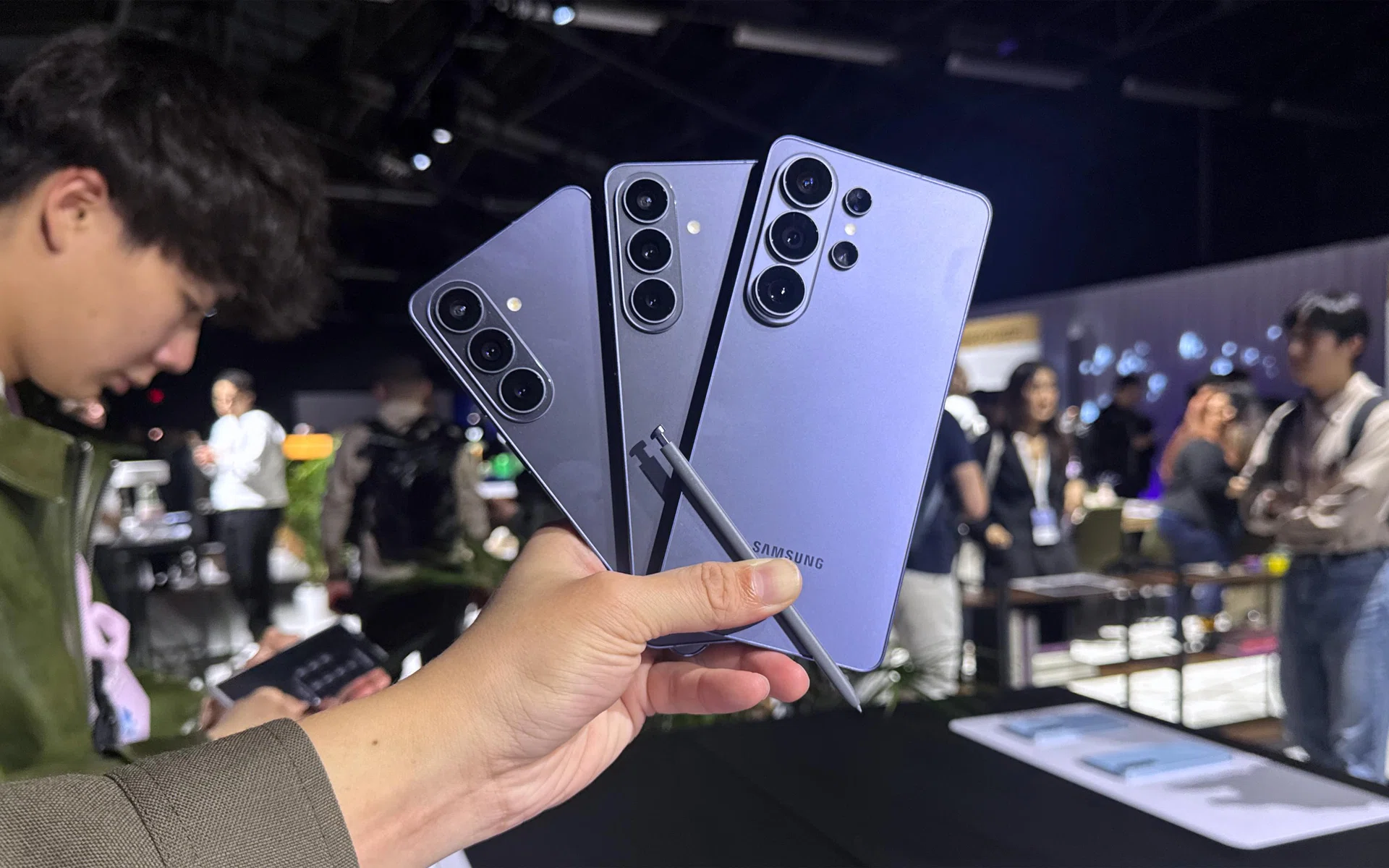
Interview with Samsung on Southeast Asia users and Galaxy AI

Samsung Galaxy S26 series (base, plus, and Ultra).

Photo: HWZ

When we first launched Galaxy AI with the Galaxy S24 series in 2024, we also announced our “Hybrid AI” strategy. It’s a combination of Samsung’s AI technologies and its strategic partners, optimised for scenarios and customer choice. (Some of) These features are also used in Samsung TVs now, and (we think) the scope of its application will continue to grow.

Q: How can the technologies of Galaxy AI and the Galaxy S26 series make themselves relevant to users in our region?

CU Kim: I would say the technological development on the Galaxy S26 series in the Southeast Asian market has two relevant points. One is the creator economy, and the other is our youth. 

In 2024, we had AI features on 200 million devices; by 2025, that number had grown to 400 million. Come 2026, our goal is to increase this to 800 million Galaxy devices. Southeast Asia has the largest mobile-first population and the highest social media usage hours. In response to the explosively growing creator economy, we provide vastly improved Galaxy processors and camera performance, as well as strong AI capabilities to benefit these creators.
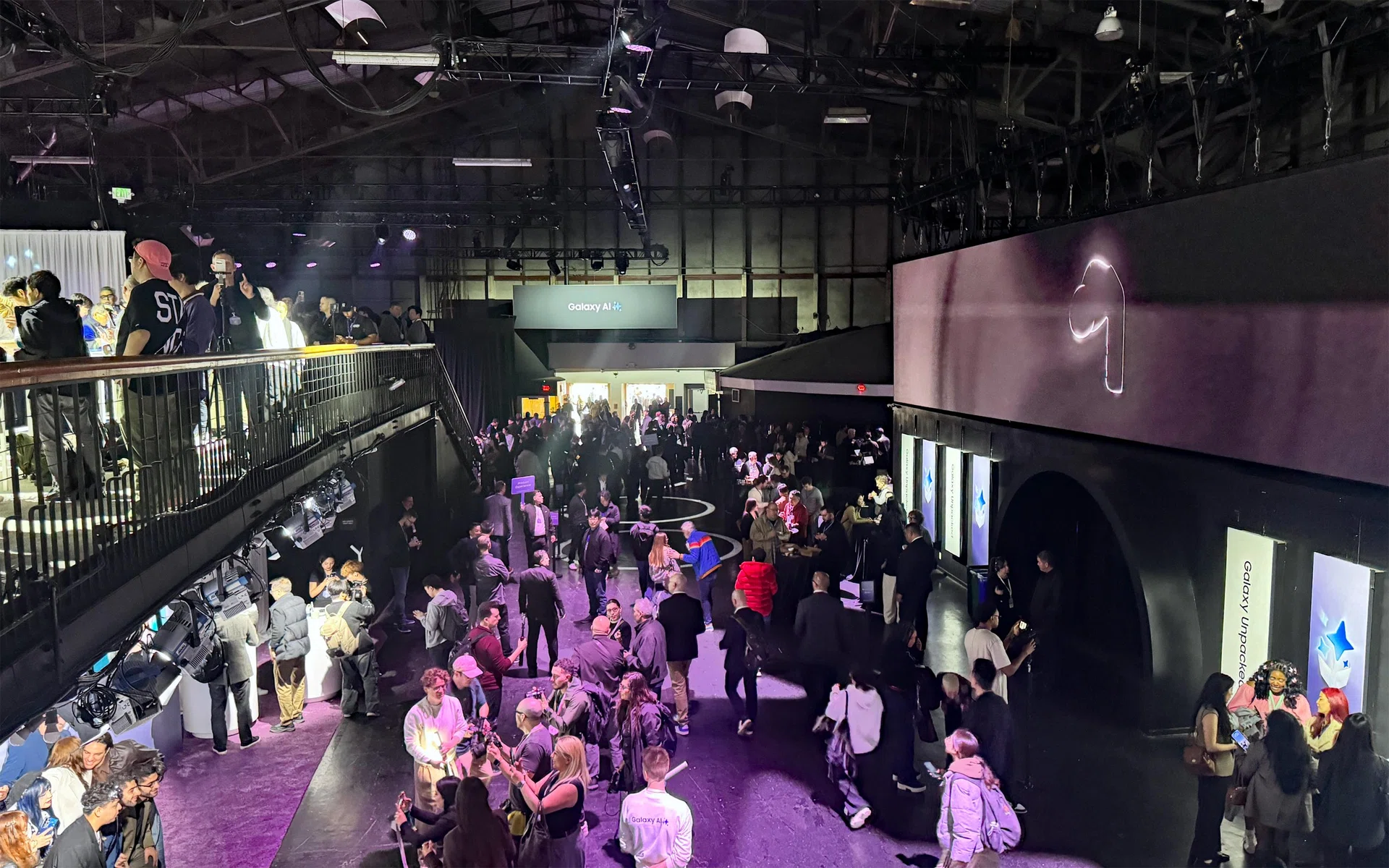
Interview with Samsung on Southeast Asia users and Galaxy AI

February 2026 Unpacked event.

In Southeast Asia, which also has the highest share of young generation users, we provide as many AI features as possible – Galaxy S series gets the premium features, while the Galaxy A series will also get the rest of the AI features, so that everyone will be able to access and utilise AI, democratising the AI capabilities to users across the region.

Balancing mobile AI superiority against rising costs

Q: With the rise in prices for hardware components affecting the final phone price, how is Samsung balancing “AI for Everyone” against the cost pressures of owning a Galaxy S handset, especially considering how important prices are to users in Southeast Asia?

TM Roh: We are always striving to deliver the most meaningful innovations and experiences to Galaxy users, and that remains our overarching ambition. There has been some upper pressure on pricing because of the sharp spike in some of the components, against the exchange rates in some of the SEA regions. In consideration of these, we try to minimise the burden on consumers as much as possible, but some price increases in the region have been inevitable.

At the same time, we are working closely with our sales partners to less the burden on consumers as much as we can. Our goal is to minimise the total cost of ownership of a Galaxy user as much as possible. For example, we will continue to improve Galaxy AI features to enhance user experience, which is also why we offer seven years of software upgrades so users can keep using a Galaxy device for a longer time.

Interview with Samsung on Southeast Asia users and Galaxy AI

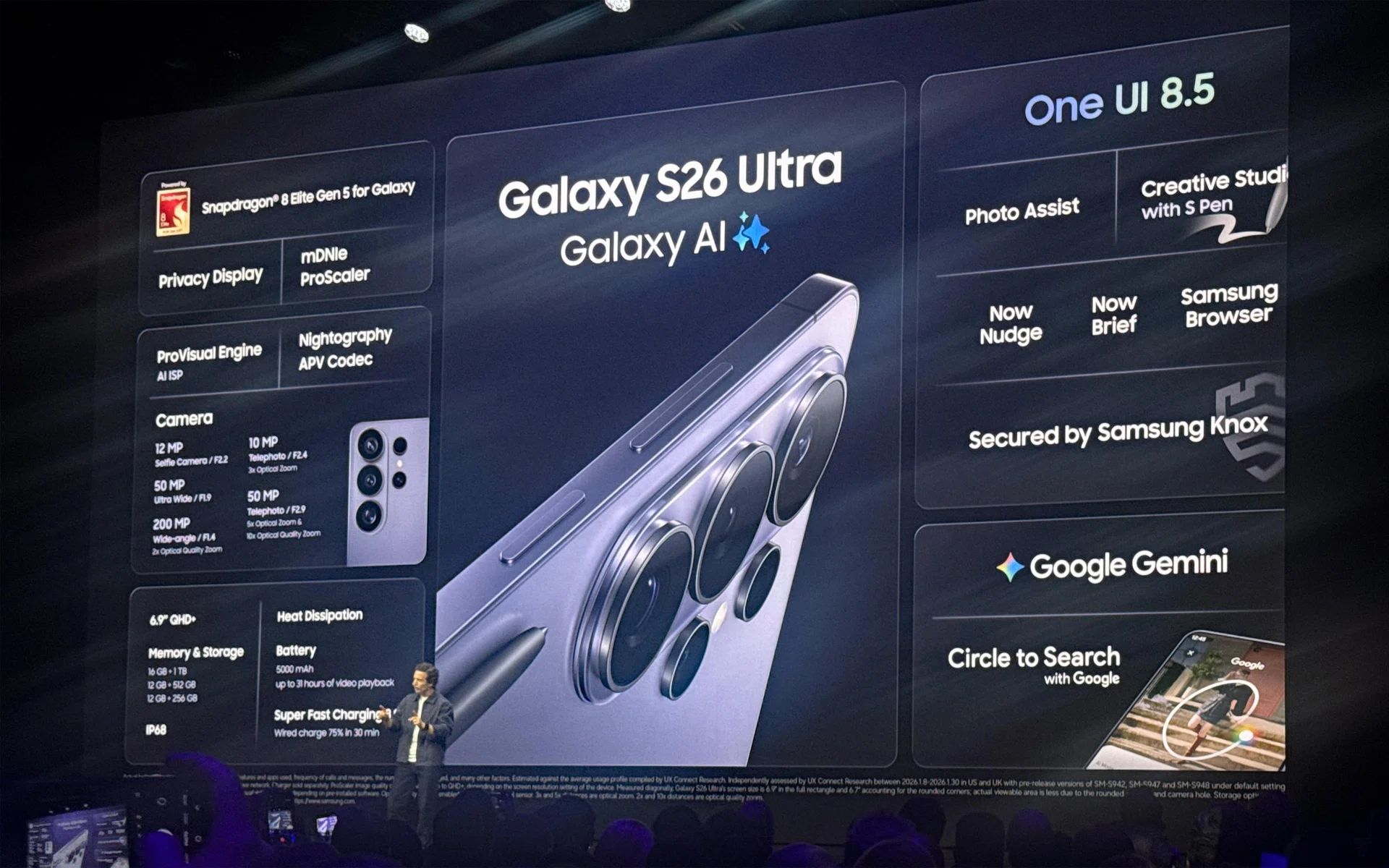
Samsung Galaxy S26 Ultra upgrades at a glance.

Photo: HWZ

Another aspect is the strength of Galaxy AI itself, which can be rolled out to other Galaxy S series and select Galaxy A series handsets (if the hardware supports it). By doing so, we can continue to extend Galaxy AI to more devices, marking out one way to achieve “AI for Everyone” goal.

Carl: One example of that is our Samsung Finance+ programme, a global platform also available in our region across four markets (including Vietnam). This is a company-driven programme that enabled the financing of 3 million devices over the past 3 years, with a 75% approval rate (twice as high as the industry standard). We’re going to continue driving this programme and work with partners in other markets to find ways to lessen the burden, making more devices more accessible to Southeast Asia and Oceania users.

“In Southeast Asia, especially in Singapore, customers prefer Circle To Search and Photo Assist (generative AI photo-editing). We also found that over time, the percentage of customers using those AI tools continue to grow”.

TM Roh,  CEO, Head of Device eXperience Division, Samsung.

Q: We noticed that Samsung thinks it should not chase specifications for the sake of it, but inevitably, hardware updates have to happen. How does Samsung decide what to upgrade?

TM Roh: For Galaxy AI to run smoothly, it needs to be backed up by strong hardware. That is one way on improving the excellence of Galaxy AI. As you saw at Galaxy S26 series’ Unpacked announcement, to enable better utilisation of Galaxy AI capabilities, we have a customised AP (mobile processor) in addition to hardware like Samsung Knox Vault for the strongest protection of privacy and security.

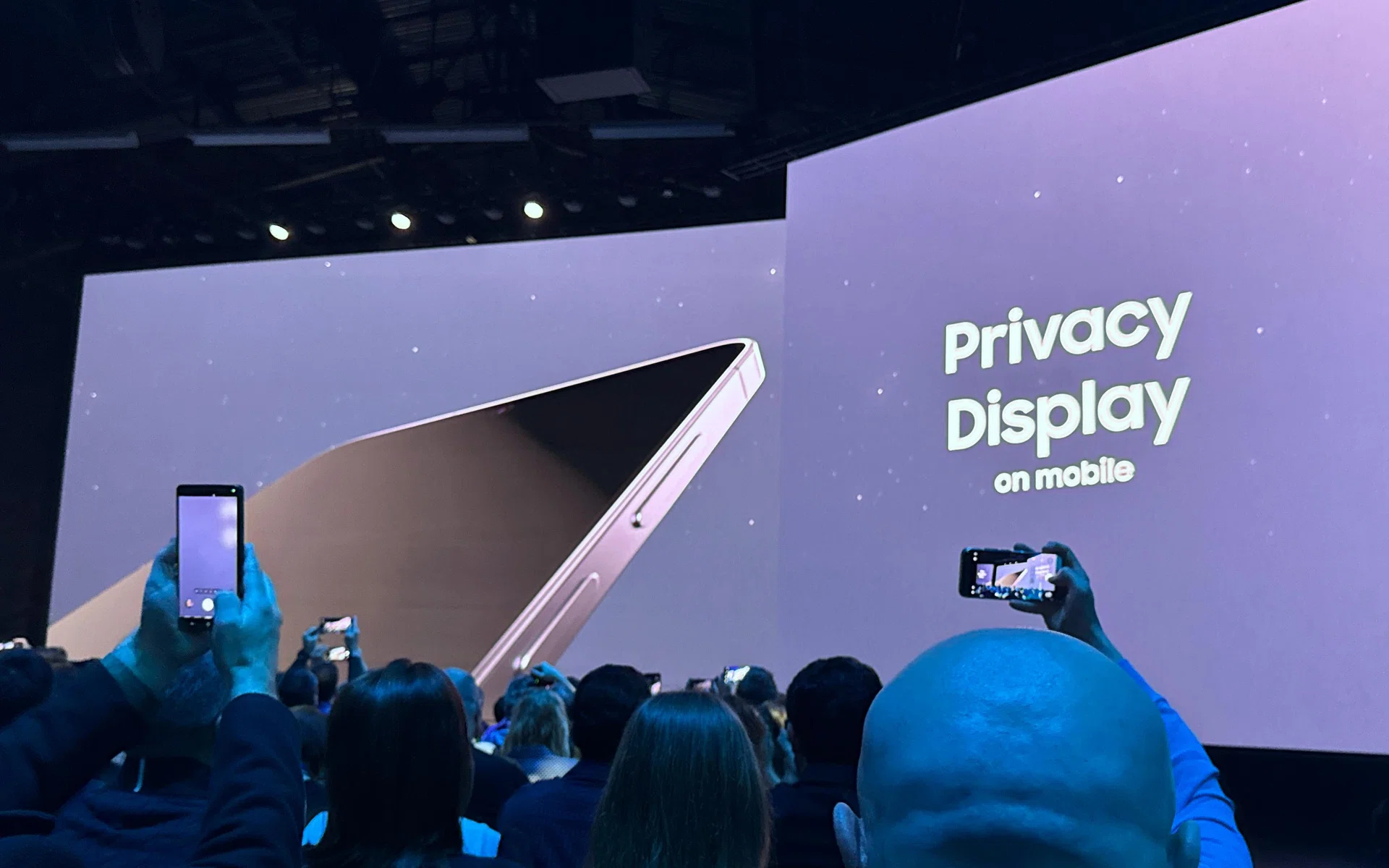
In addition to AI capabilities, we have also embedded privacy functions onto the display itself, in the form of Privacy Display, the first technology of its type. We continue to innovate and differentiate our hardware in the direction of strengthening privacy.

Interview with Samsung on Southeast Asia users and Galaxy AI

Privacy Display announcement at Unpacked 2026.

Photo: HWZ

To support the optimal operation and use of AI features, we will continue to develop hardware, software, and AI tools at the same time.

To answer your question directly, that depends on technological trends and consumer needs. But we are always ready with new capabilities and hardware, and will do so when we reach the desire for these upgrades. 

Navigating a post-hardware smartphone landscape

Q: How will agentic AI shape the mobile experience, and is it going to be a big part of Samsung’s broader vision for AI use?

CU Kim: In moving from feature phones to smartphones, what made the difference was apps and touch-based navigation, resulting in a paradigm shift (for mobiles). For Samsung, or at least what we’re trying to do, is that the personalised AI agent and multimodal navigation can achieve the paradigm shift once again.

Interview with Samsung on Southeast Asia users and Galaxy AI

Bixby, Gemini, and Perplexity working in tandem with Galaxy AI.

Photo: HWZ

With the Galaxy S26 series, we (the built-in AI tools) will be able to understand and proactively respond to user intent. This makes routine tasks much simpler, making the phone become an assistant in the user’s hands. 

As TM Roh explained earlier, Samsung also has TV products, home appliances, and wearables. With SmartThings, we can connect them to each other, like an orchestra, with the AI Phone serving as the conductor.

It’s important not just to have features, but to make sure they (the agentic AI tools) can genuinely become a part of everyday life.

At Samsung, we also involve our regional facilities to move towards that goal. In SEA, we have six factories with 48,000 employees, and three R&D centres with 4,000 staff members. They collectively support the different languages and lifestyles of the region, enabling our users in SEA to experience an “upgrade” to their everyday life with our AI capabilities.

Carl: I’ll add an example so you know how this works a little better. In Indonesia, where one of our R&D centres is located, the language’s (Bahasa Indonesia) context is very important for understanding the meaning of what’s being said. To make sure Galaxy AI’s language recognition is precise, our researchers went to coffee shops, markets, workplaces, to record different conversations and understand how intonation and even background noise can alter the discussion.

Through that kind of training, we make sure the AI experience our users have is that it understands the local language and environment well, making the AI experience relevant and usable. This is the kind of continuous improvement we want to bring, not just in Southeast Asia, but all around the world.

Q: For the cameras on the Galaxy S26 series, there doesn’t seem to be much changed for its hardware. What phone camera capability would Samsung be interested in, and what would Samsung consider a camera breakthrough for smartphone technology in the near future?

TM Roh: We’re fully aware that, in Southeast Asia, especially Thailand, younger consumers place a high value on camera features. At Unpacked, we’ve explained the camera innovations at length, but perhaps they fell short of your expectations? When it comes to the camera, we deliver the experience and performance through optimisation, a combination of hardware and software, and image processing.

In the past, what was important was the hardware itself (sensor, lenses, modules, aperture values, etc.). These days, the performance of camera AI and image processing is increasingly important, and it involves the AP (hardware block) handling image processing. How powerful the hardware block is largely determines the camera’s performance.

Interview with Samsung on Southeast Asia users and Galaxy AI

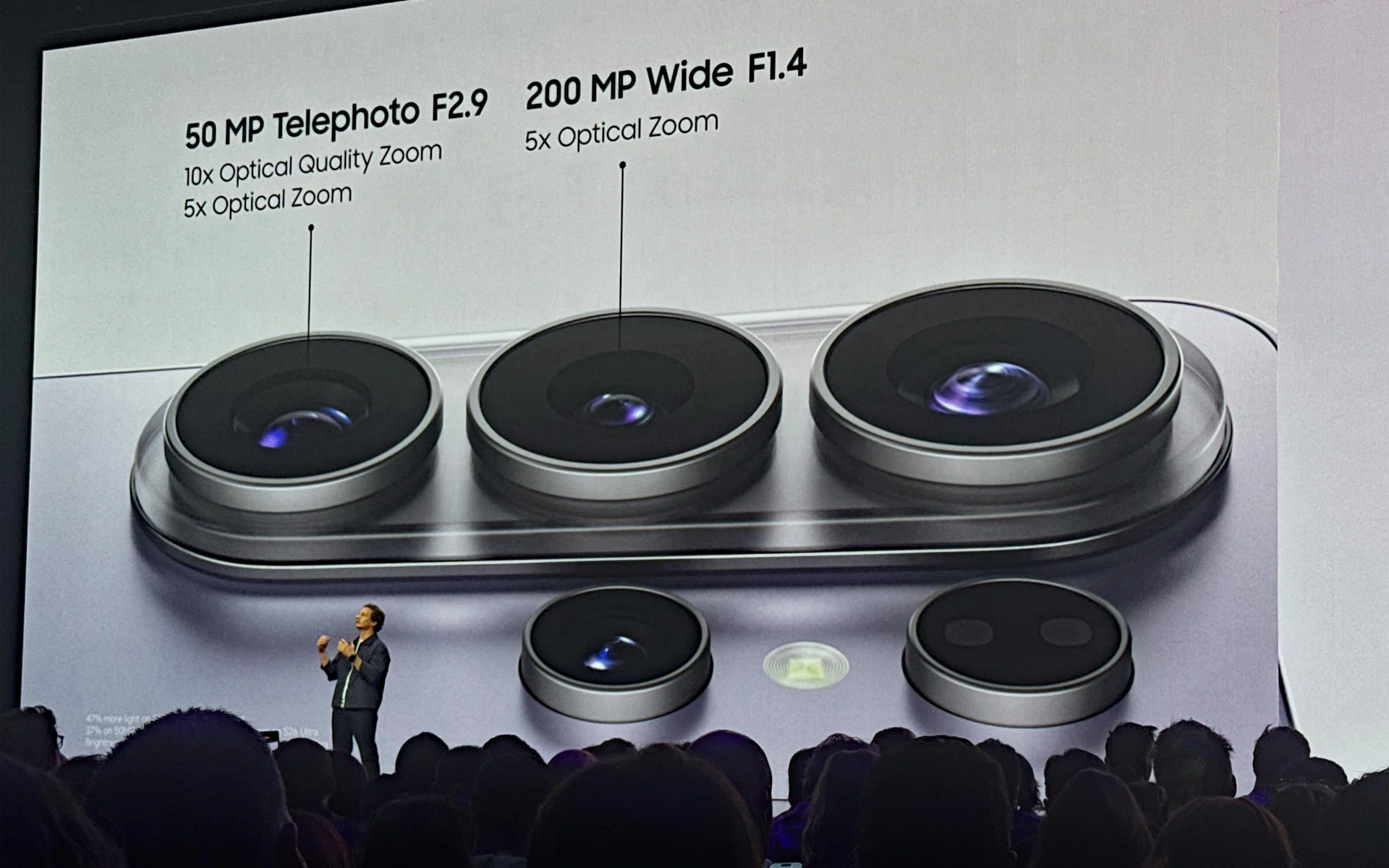
Rear cameras of the Samsung Galaxy S26 Ultra.

Photo: HWZ

For the Galaxy S26 Ultra, the aperture (f-value) has been upgraded to f/1.4 (from f/1.7 on the main camera), allowing it to capture 40% more light. This makes it easier to capture clear images and videos, even at night or in low-light conditions. What’s more is the customised AP, the image processing hardware block has also improved the overall performance of the camera.

In addition, the ProVisual Engine (software algorithm) has also been further optimised. So, you will find the camera performance is much more improved from its predecessor, and much more outstanding than what is industry standard. Upon using the Galaxy S26 series, you will be able to see for yourself that the performance is much better, and I’m sure users will find the improvements more than satisfactory. 


Read Full Article At Source