Compressed graphite crystals, aerospace-grade titanium, HyperCool, HexaGrid Plus, CryoCloud technologies. I won’t blame you if this first sentence sounds like I’m writing about a new chipset or device with next generation manufacturing and cooling. Graphite and titanium are after all, advanced materials used in electronics and semiconductor industries.
But no. I’m talking about a mattress. Yes, mattress as in what we sleep on in a bed, not another code name for an Intel or AMD processor. Specifically, the Origin LumbarCloud mattress. And to address my choice of title for this article, I’ll jump right into it.
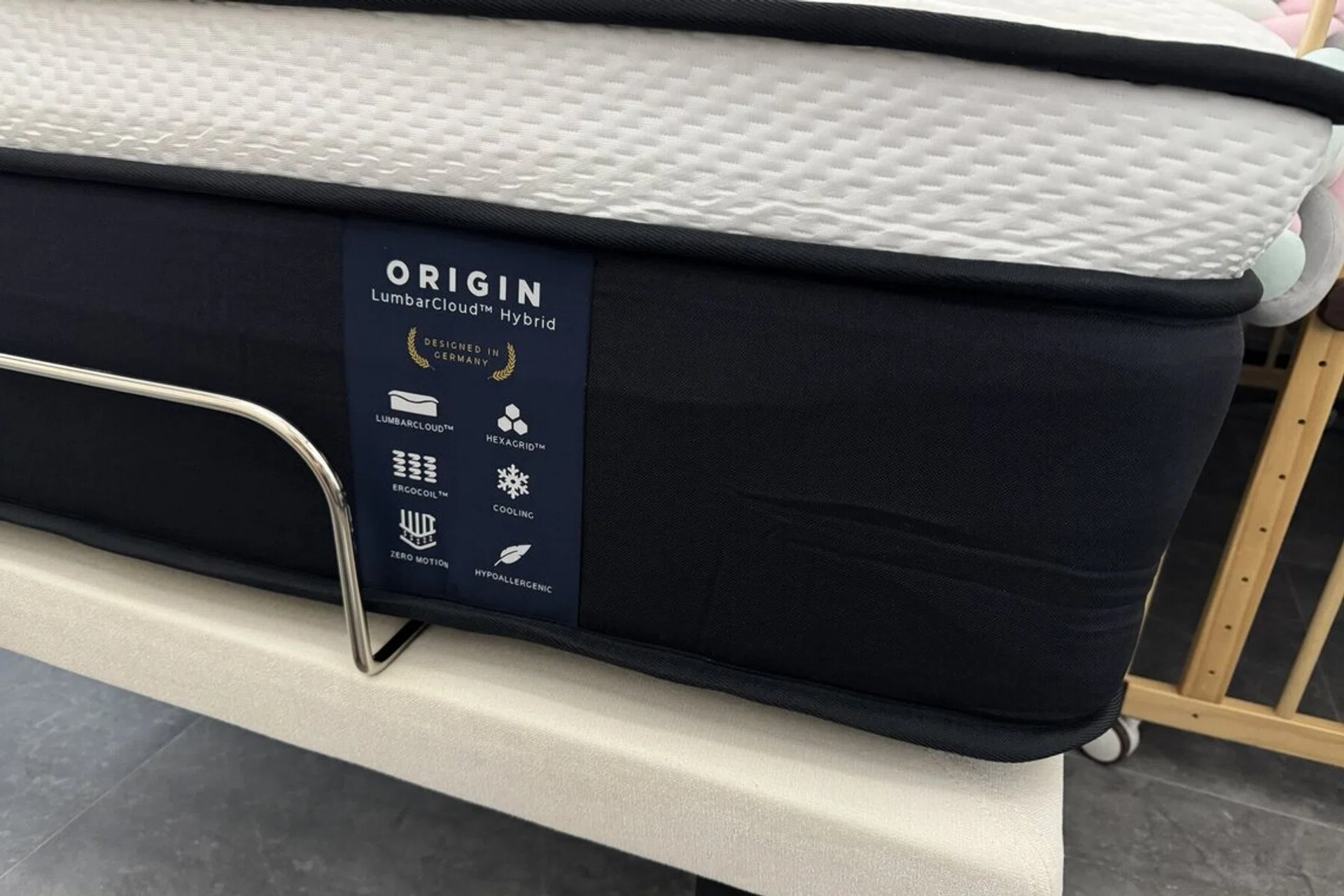
Photo: HWZ
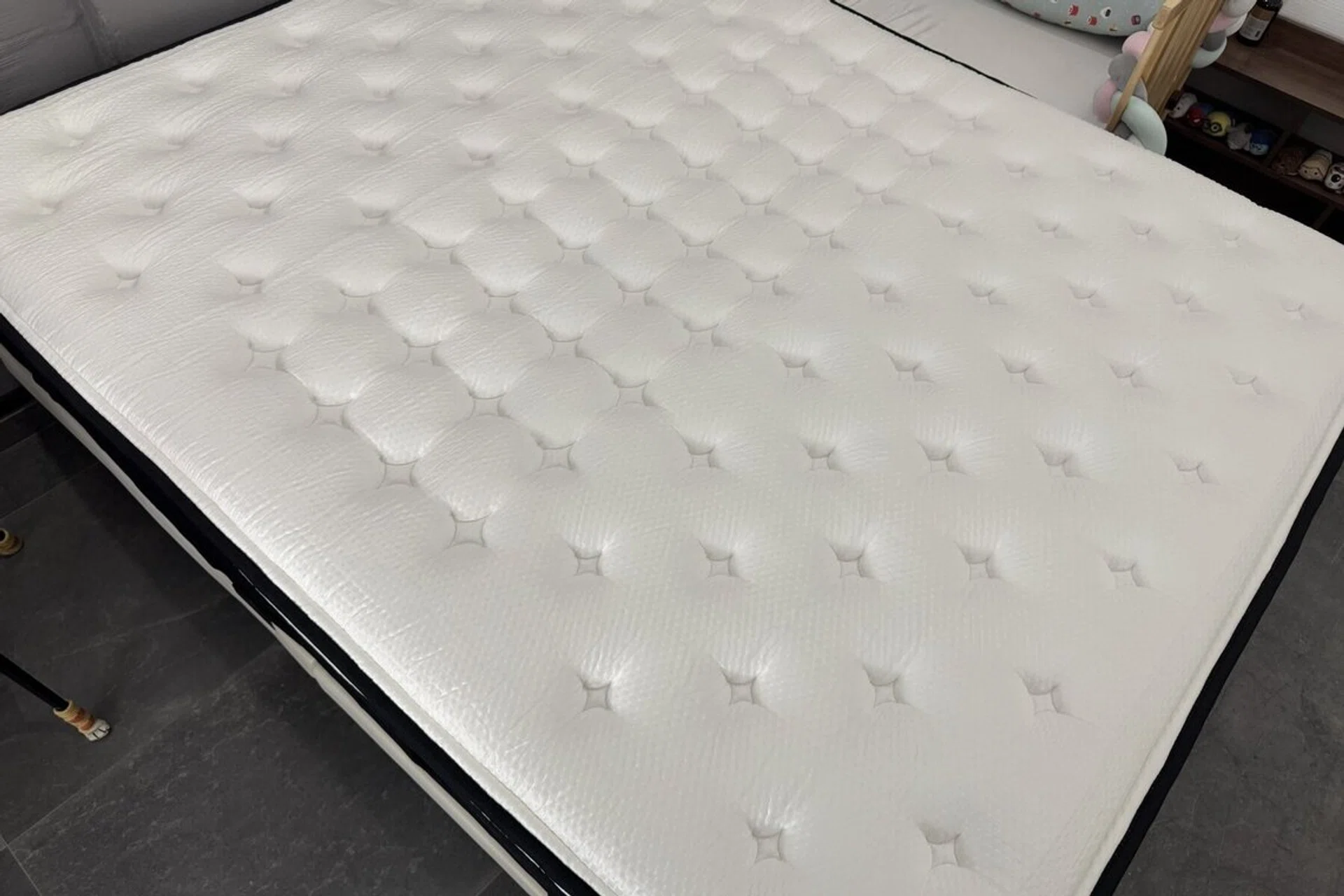
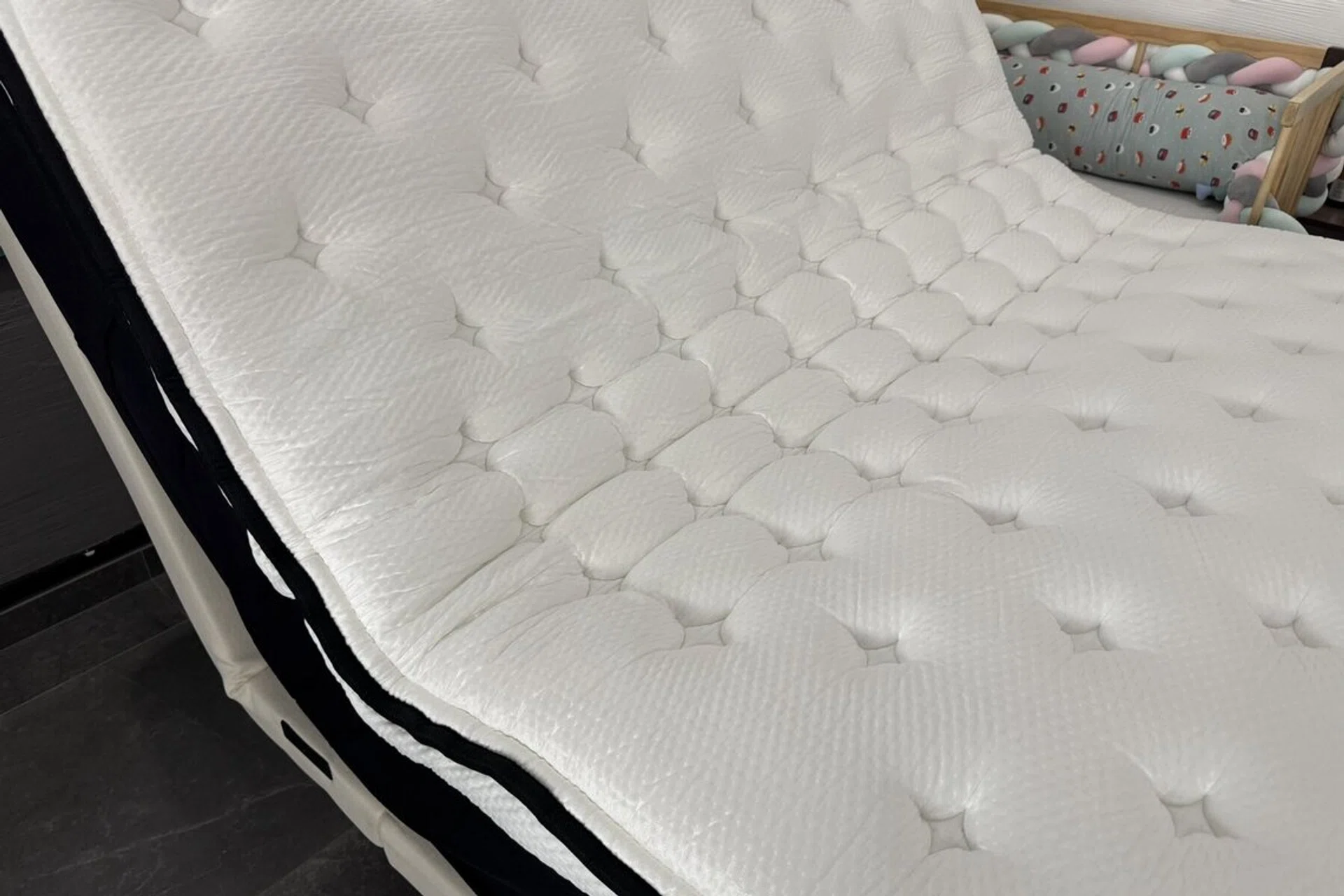
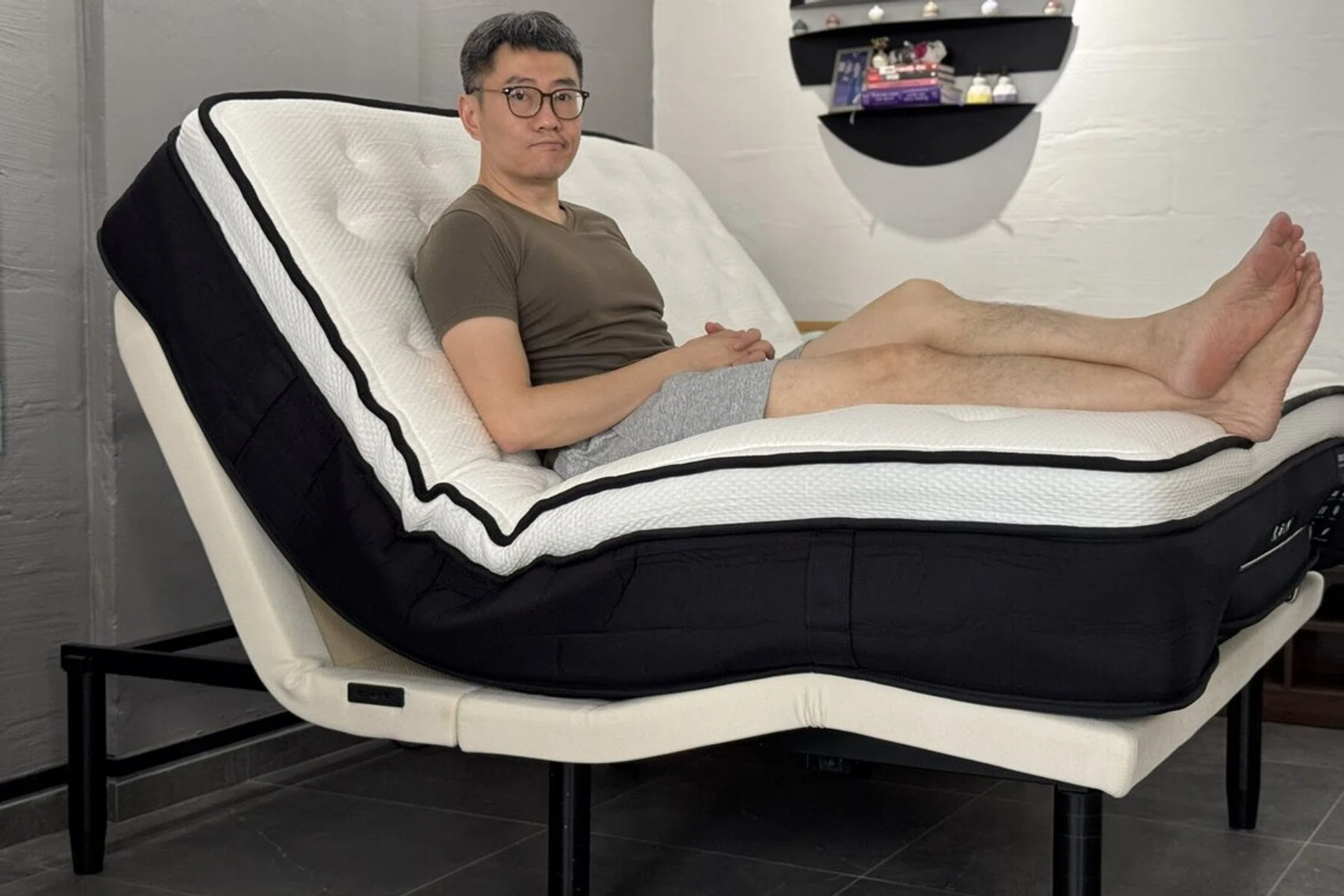
Origin is one of the many mattress-in-a-box brands that have popped up in the past few years, and the LumbarCloud is the flagship model. It is actually made up of 9 distinct layers of various materials and technologies designed for comfort, contouring, support and long-lasting cooling in the face of Singapore’s humid weather.
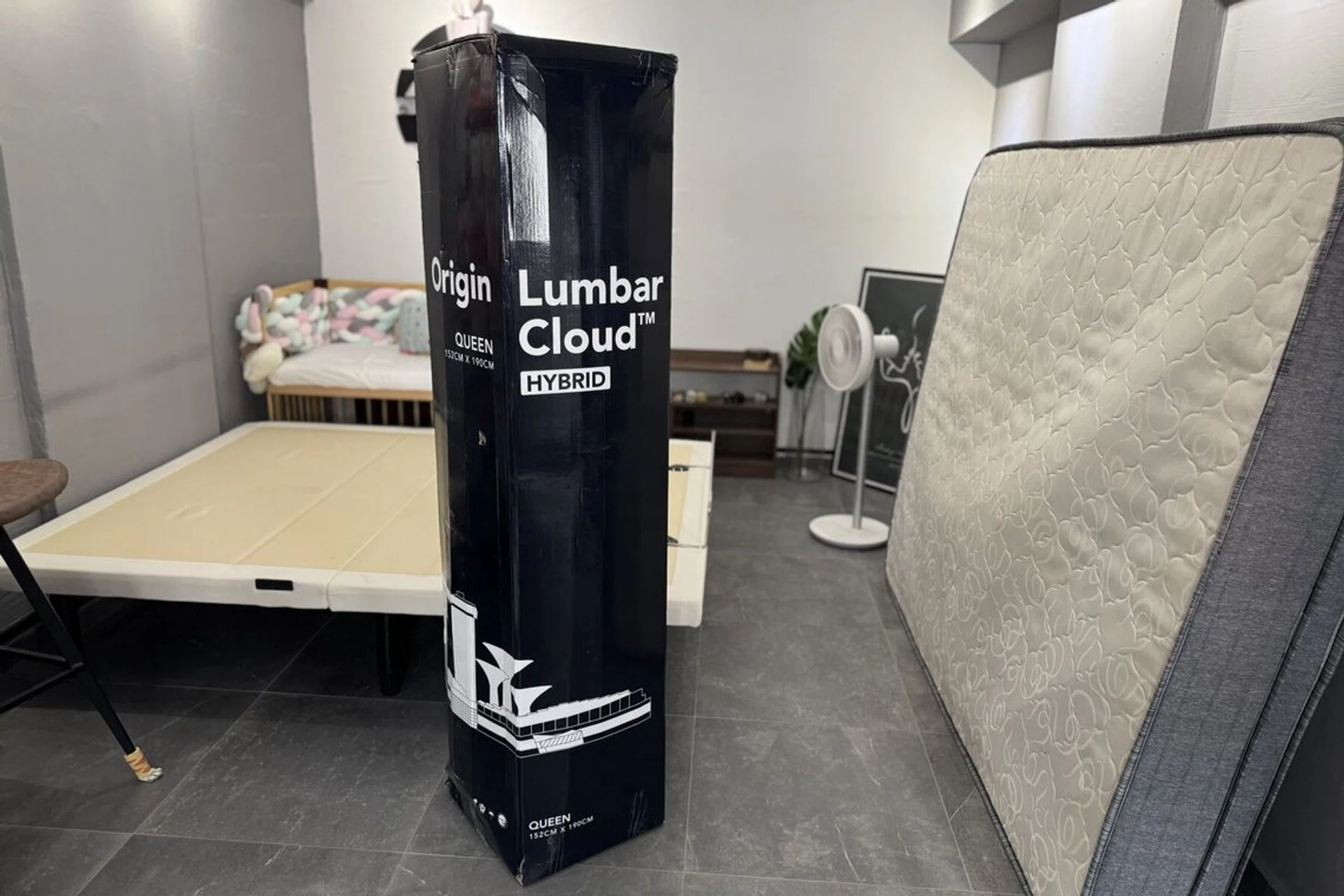
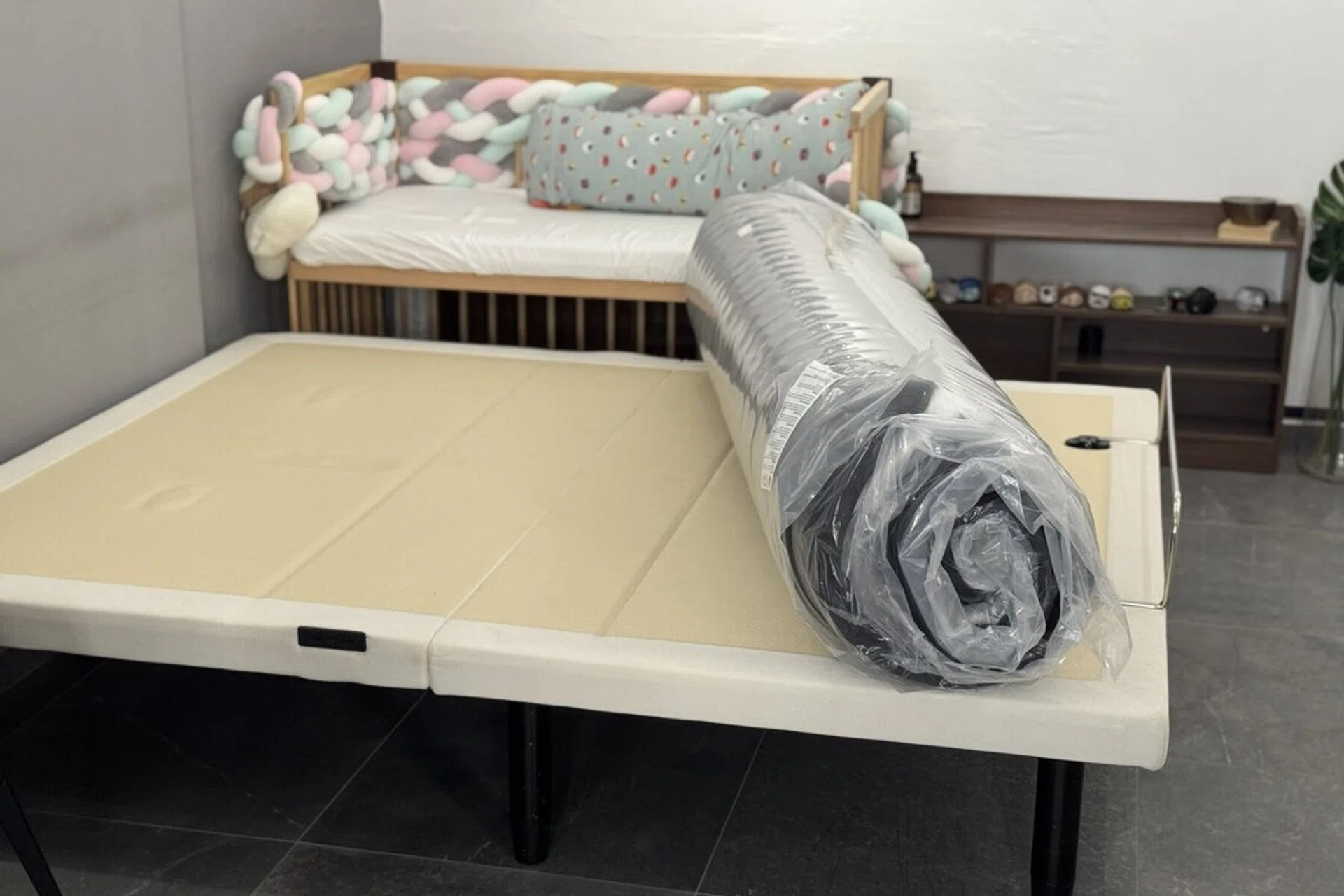
Origin LumbarCloud mattress in a box.
Photo: HWZ
Let’s run through each to get a good overview of what you’re paying for:-
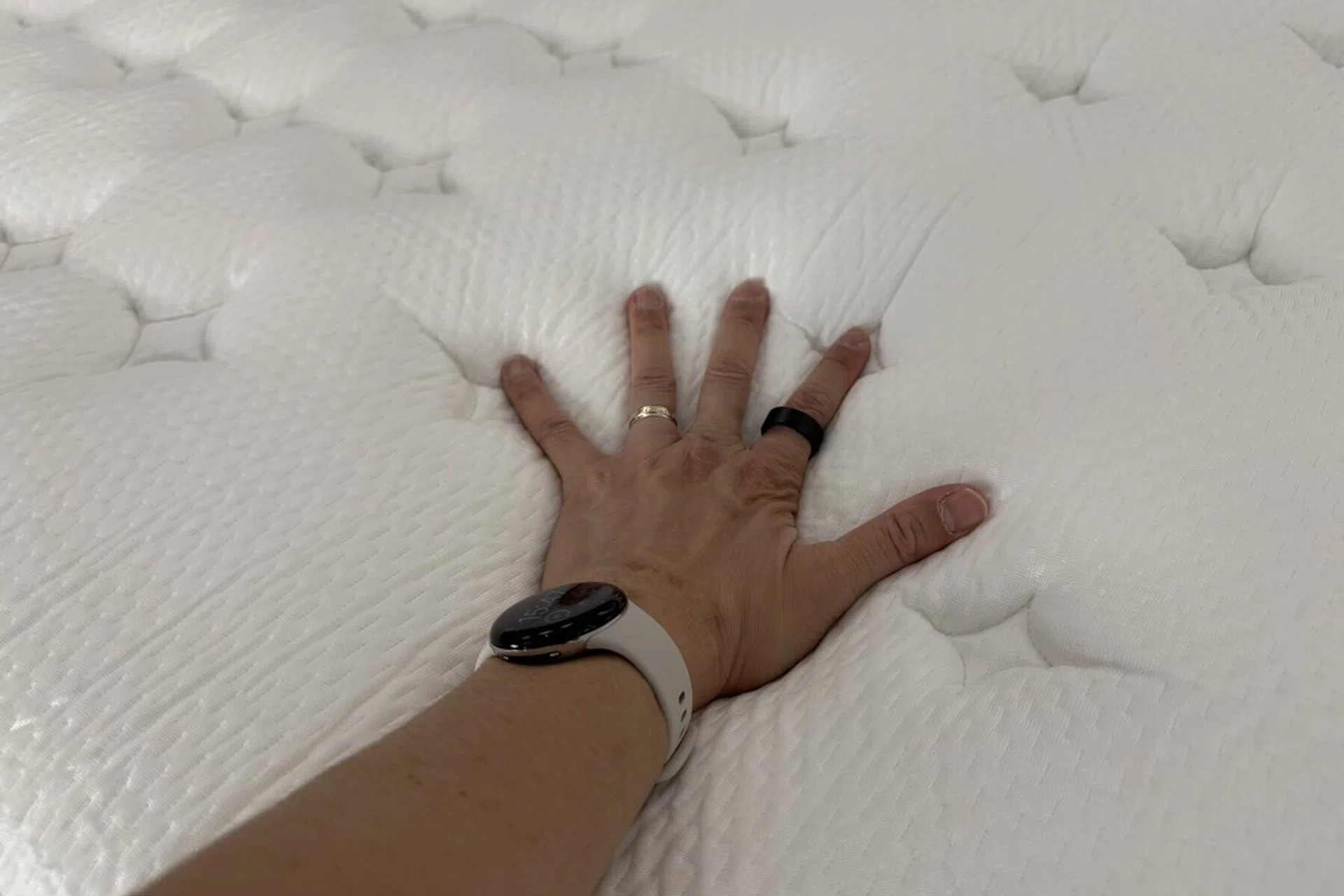
- The topmost layer is called HyperCool Silk, a trademarked Tencel cover that comes in first contact with your skin. Tencel is more commonly used for sheets and comforters for their cooling nature, but having the mattress itself topped with Tencel is an added bonus.
- Layer two is breathable microfibre blend. While Origin doesn’t exactly mention the makeup of these fibres, it is trademarked as CloudBlend Fibre.
- Layer three is HexaGrid Plus (also trademarked), a polymer layer in a honeycomb-like grid that is said to support joint comfort.
- Then there’s the Graphite Diamond Latex layer (you guess it, trademarked). While natural latex is also commonly used in many premium mattresses, Origin further infuses theirs with compressed graphite crystals, which supposedly helps improve temperature regulation by up to 2x of their past models.
- The fifth layer is another fibre layer, but this time, it’s organic bamboo-infused wool blend. Bamboo fibres, like Tencel, are known for their icy-cool and highly breathable properties.
- At layer six, we’ve finally come to the first spring structure, the ErgoCoil Max (trademarked), which is a layer of pocketed titanium micro-springs. These are designed to move and adjust with your body for more precise posture and joint pressure relief.
- Under the microsprings, is CryoCloud Foam (see the trademark pattern here?), which is an open-cell, gel-infused foam layer that provides the firmness and body contouring, while being more cooling than traditional memory foam.
- Layer 8 is the large springs, which are the main support for the mattress. These are individually pocketed titanium springs, but they are coiled with different tensions in different sections of the bed for optimal support for the upper, lower and middle parts of your body.
- The final layer is really just a dense foam that supports all the other layers and keeps everything in place.

The 9 layers of the LumbarCloud mattress.
Photo: Origin
See how long it took to just write out the composition of this mattress? If you were initially wondering why HardwareZone took on a mattress review, this was what intrigued me the most. There are actually even more trademarks listed on the website: Extreme Cool Technology, LumbarRelief Design, SmartClimatePro Cooling System, and of course the name of the mattress itself, LumbarCloud. This mattress has more trademarks than any single product I’ve ever reviewed in my 20 years as a tech journalist, and that itself is fascinating. While a brand is free to name its products anything it wants, going to the trouble of trademarking almost every aspect of a single product is a stretch. There has to be more to this than marketing fluff, right?
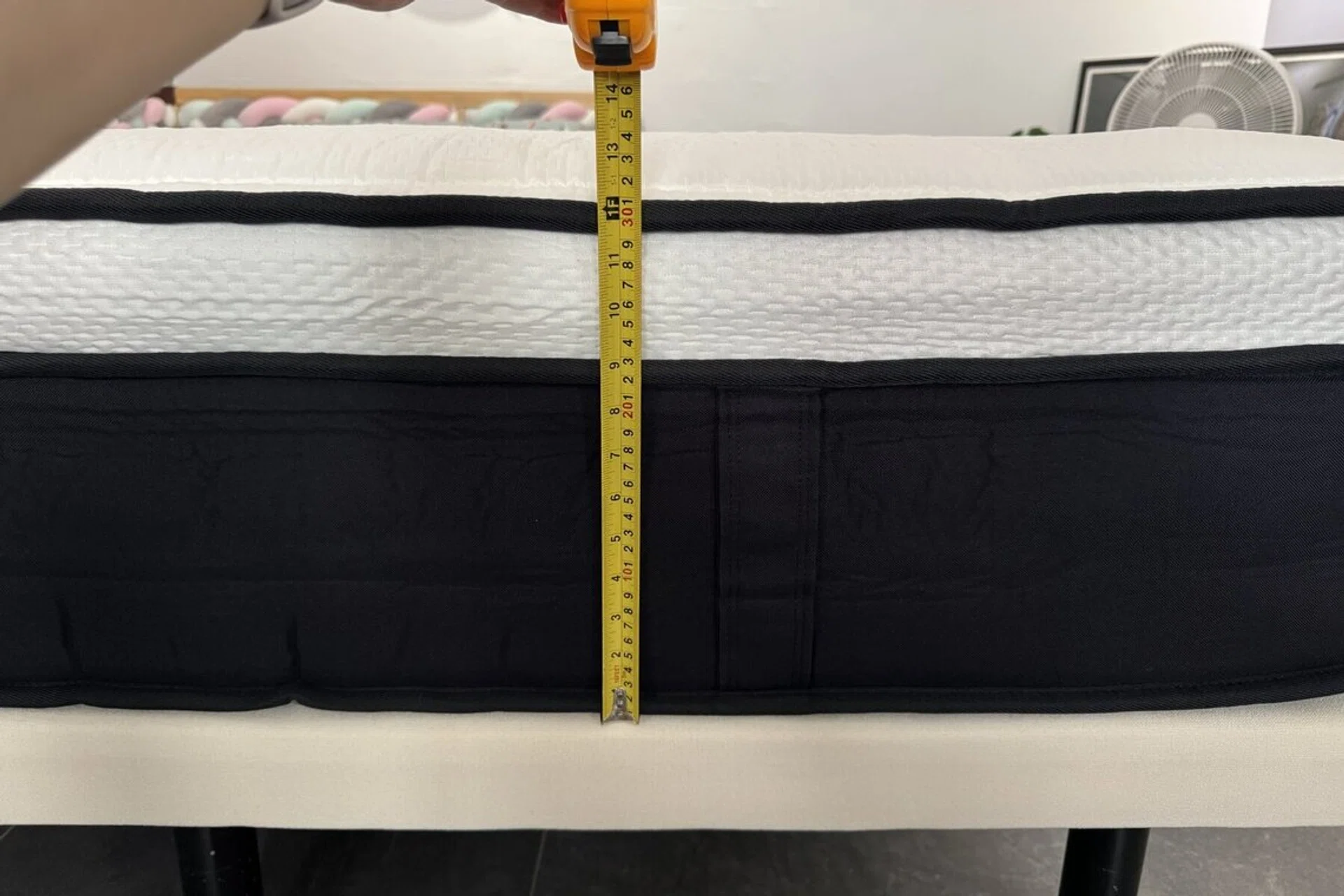
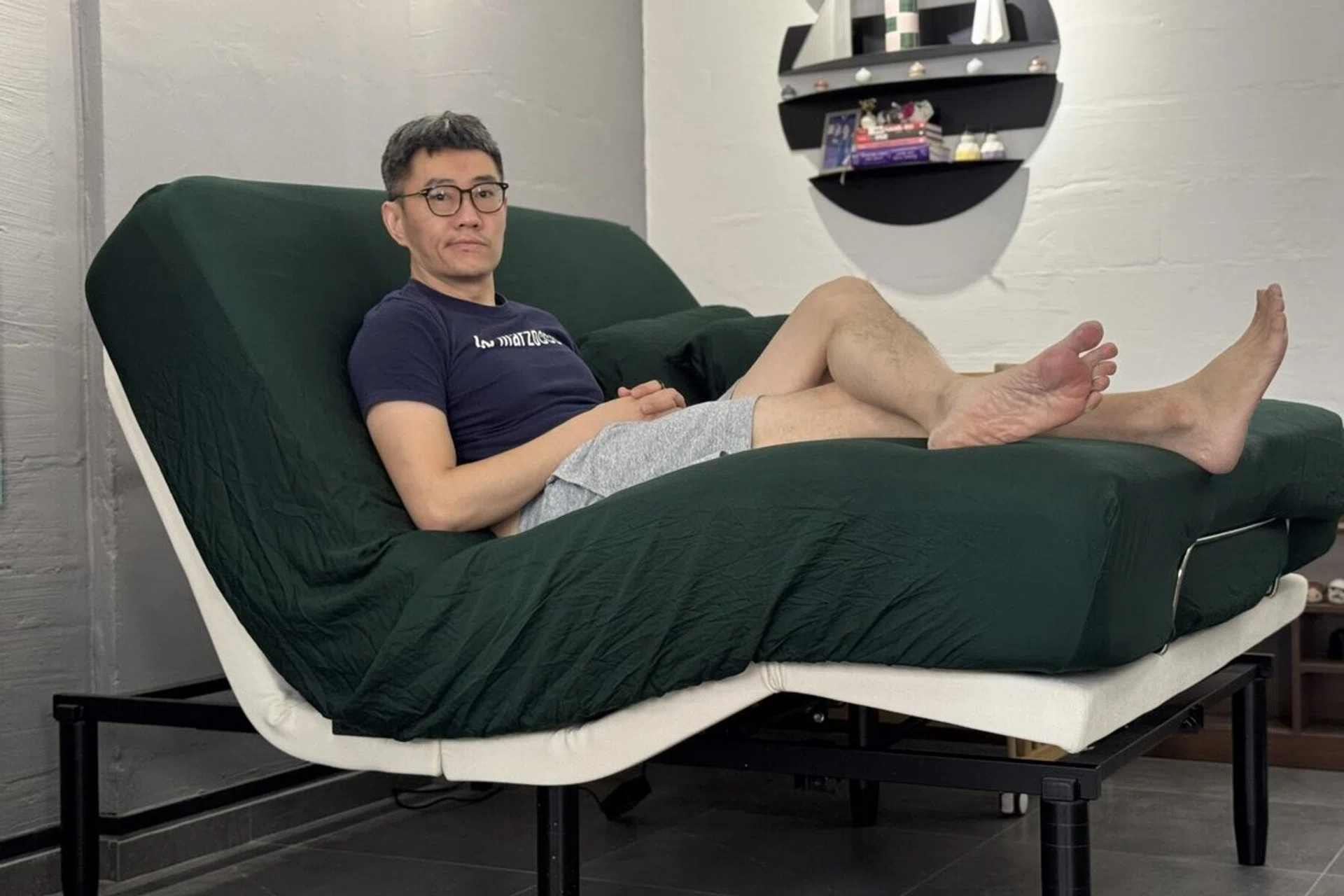
Now, I can’t run benchmarks on a mattress, but I can tell how I’ve slept for the past week of using the Origin LumbarCloud. Unpacking this thing was a feat of its own and I can’t believe that something this thick, this firm, with this many layers and materials came vacuum-packed in a box that can just be unrolled onto my bed frame. Mind you, when fully uncompressed, the LumbarCloud mattress is a massive 35cm thick, testing the limits of my fitted sheets. Comparatively, my old mattress, which I thought was plush enough, was only 25cm.