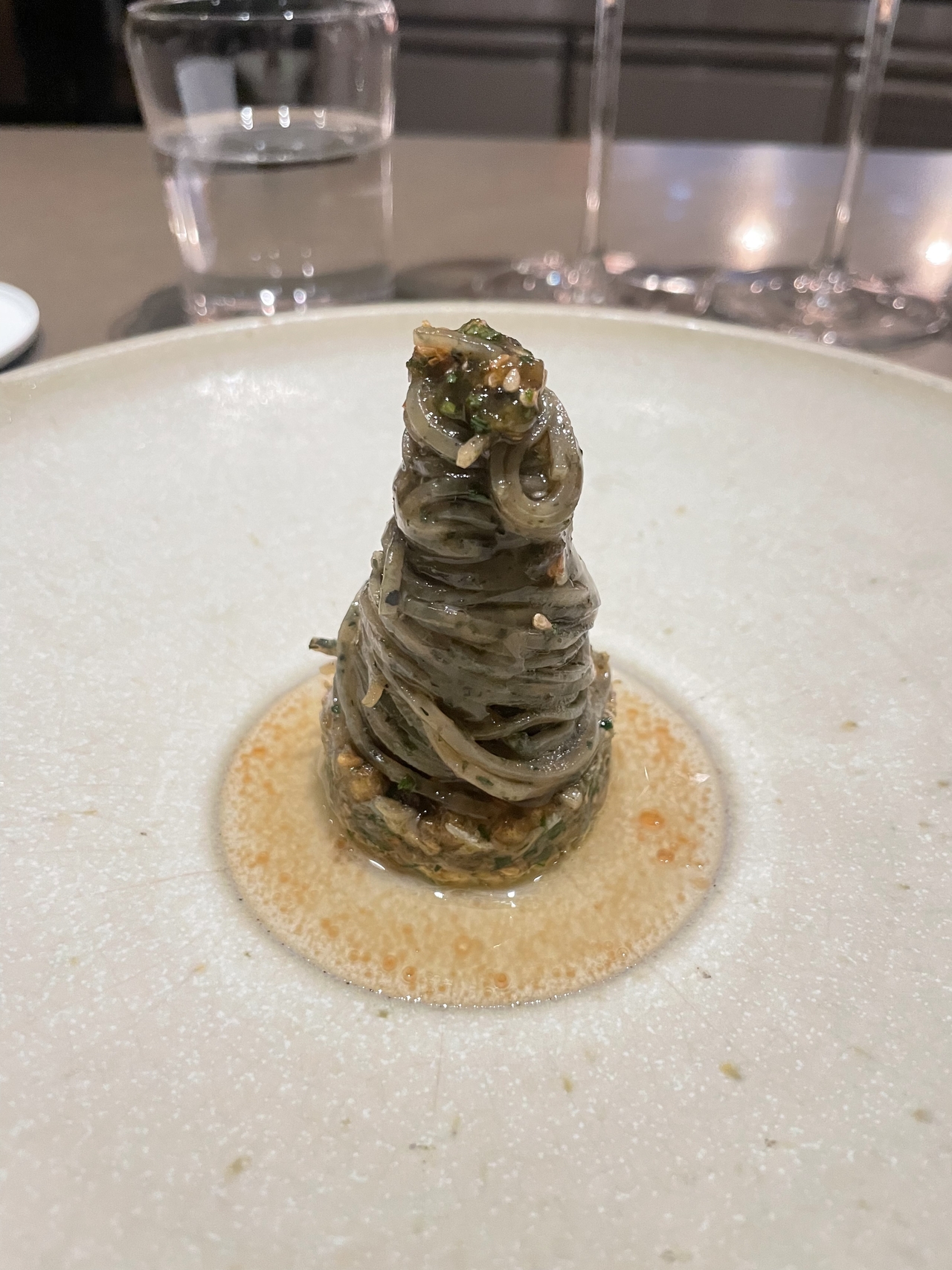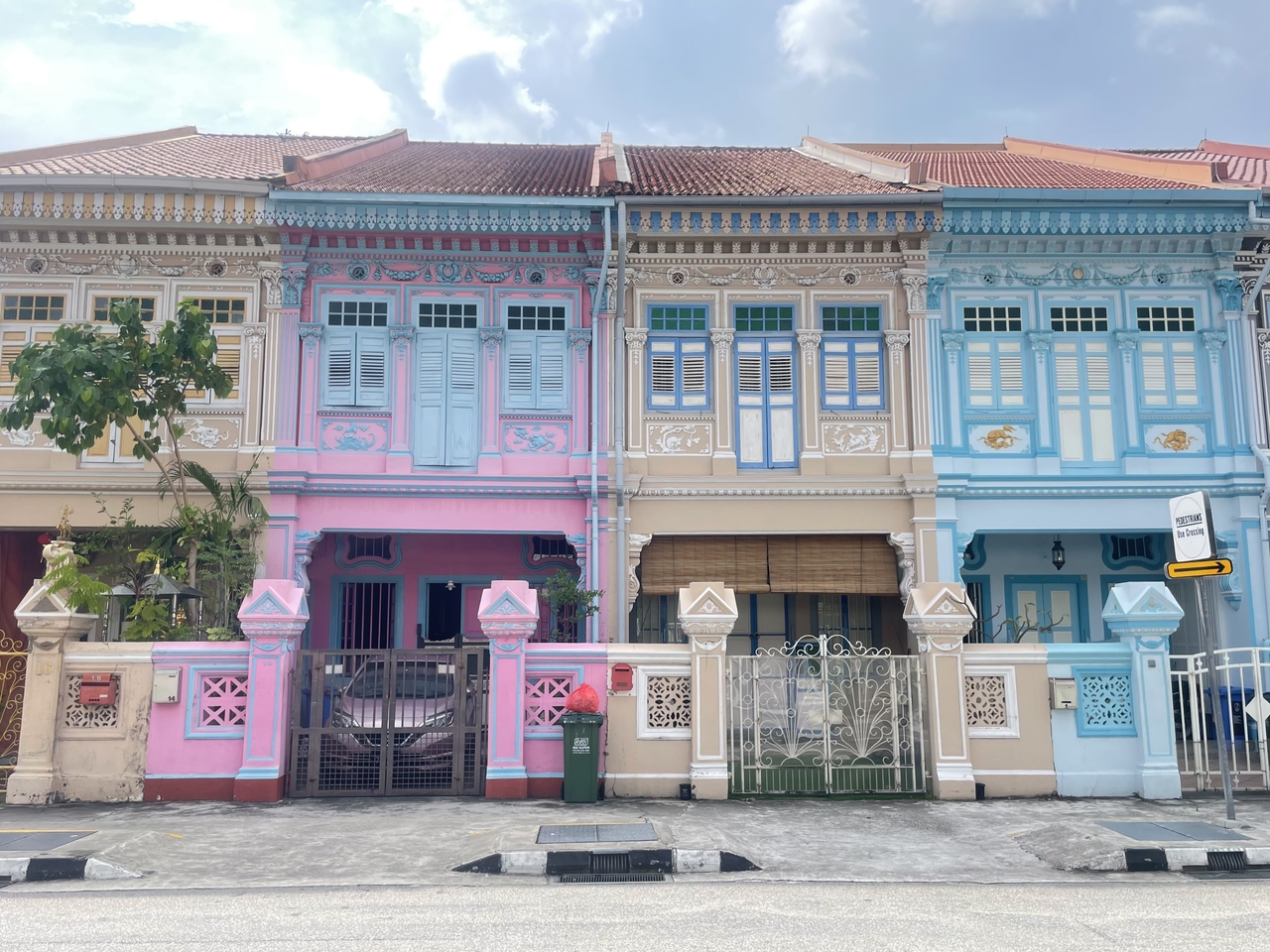
In multicultural Singapore, flavors of 5 traditions intertwine to create distinct — and delicious cuisine
SINGAPORE — Few places in the world wear their multiculturalism as visibly — and as deliciously — as Singapore. The city-state, home to 4.2 million residents as of June, has long been described as a tapestry of cultures, stitched together by its predominant Chinese community (3.11 million), alongside Malays (570,000), Indians (380,000) and Others (150,000).
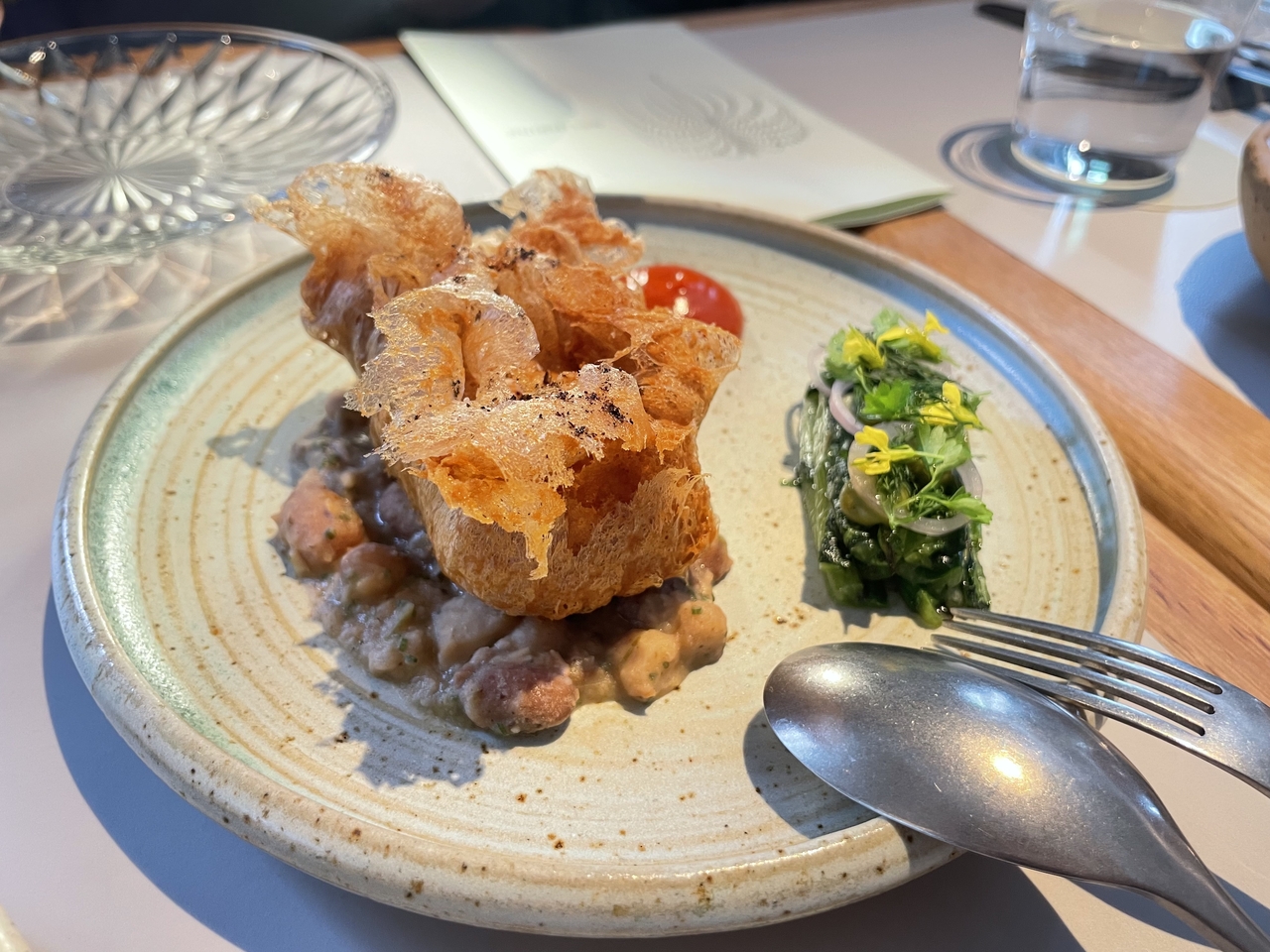
But beyond census tables and demographic categories, nowhere is this diversity more intensely felt than at the dining table. From hawker centers to Michelin-starred tasting rooms, the nation’s food culture remains its most accessible and enduring symbol of coexistence — a dynamic ecosystem shaped by migration, intermarriage and shared flavors.
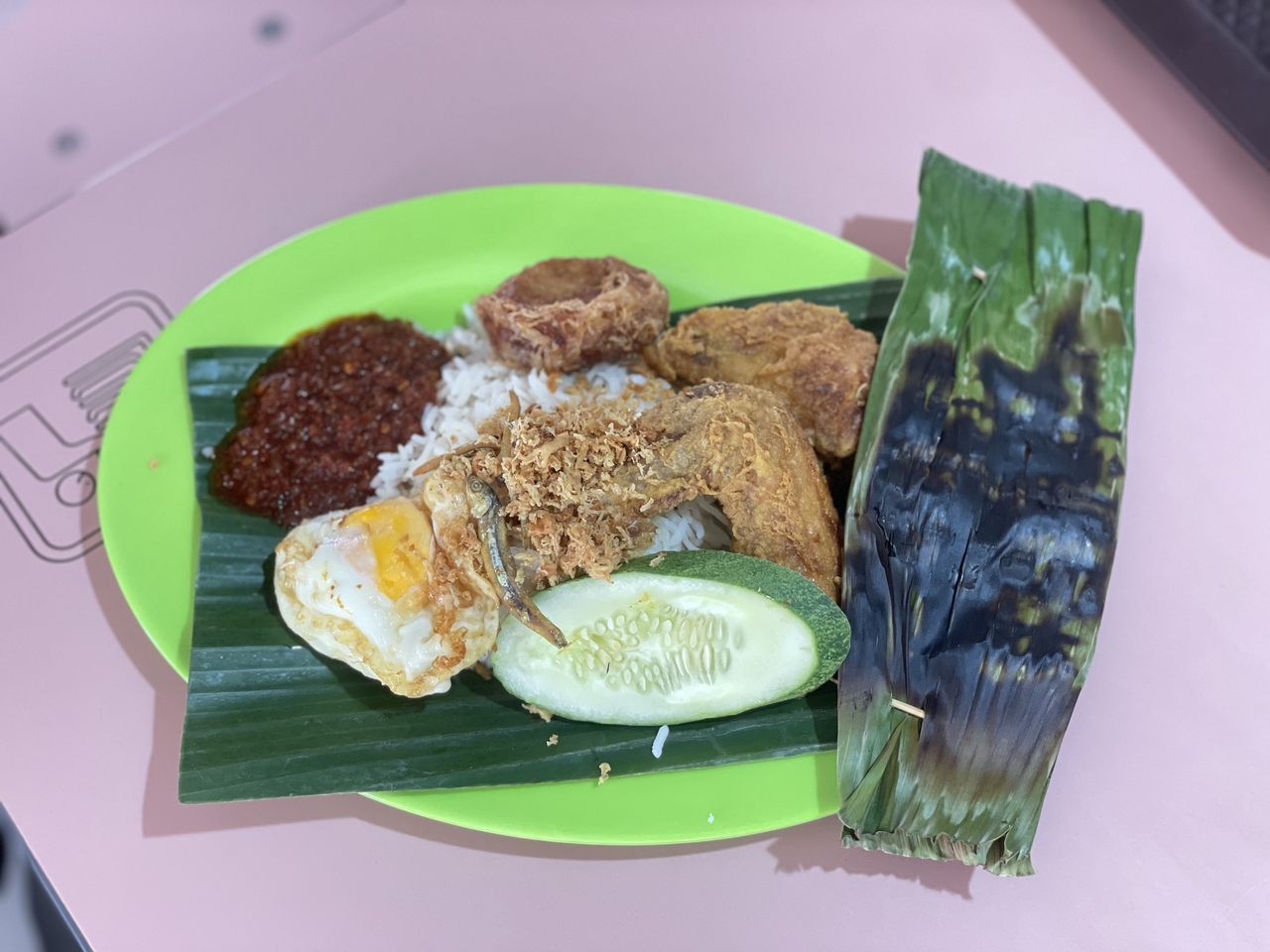
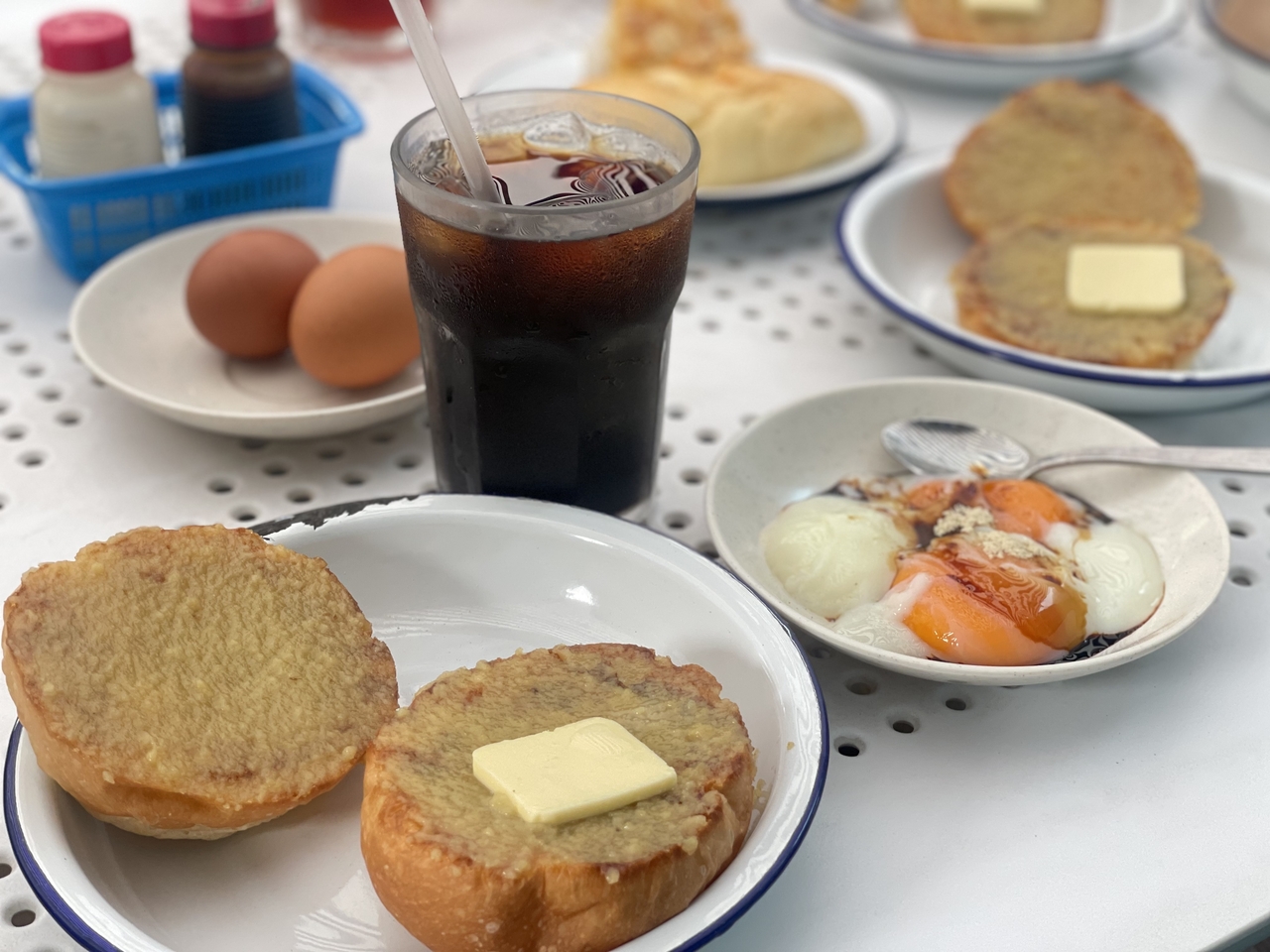
Here, culinary borders blur just as cultural ones do. And on this compact island, where diverse groups live side by side, the flavors of Chinese, Malay, Indian, Peranakan and Eurasian traditions continue to mingle — creating something uniquely Singaporean, and delicious.
Preserving Singapore’s multicultural recipes
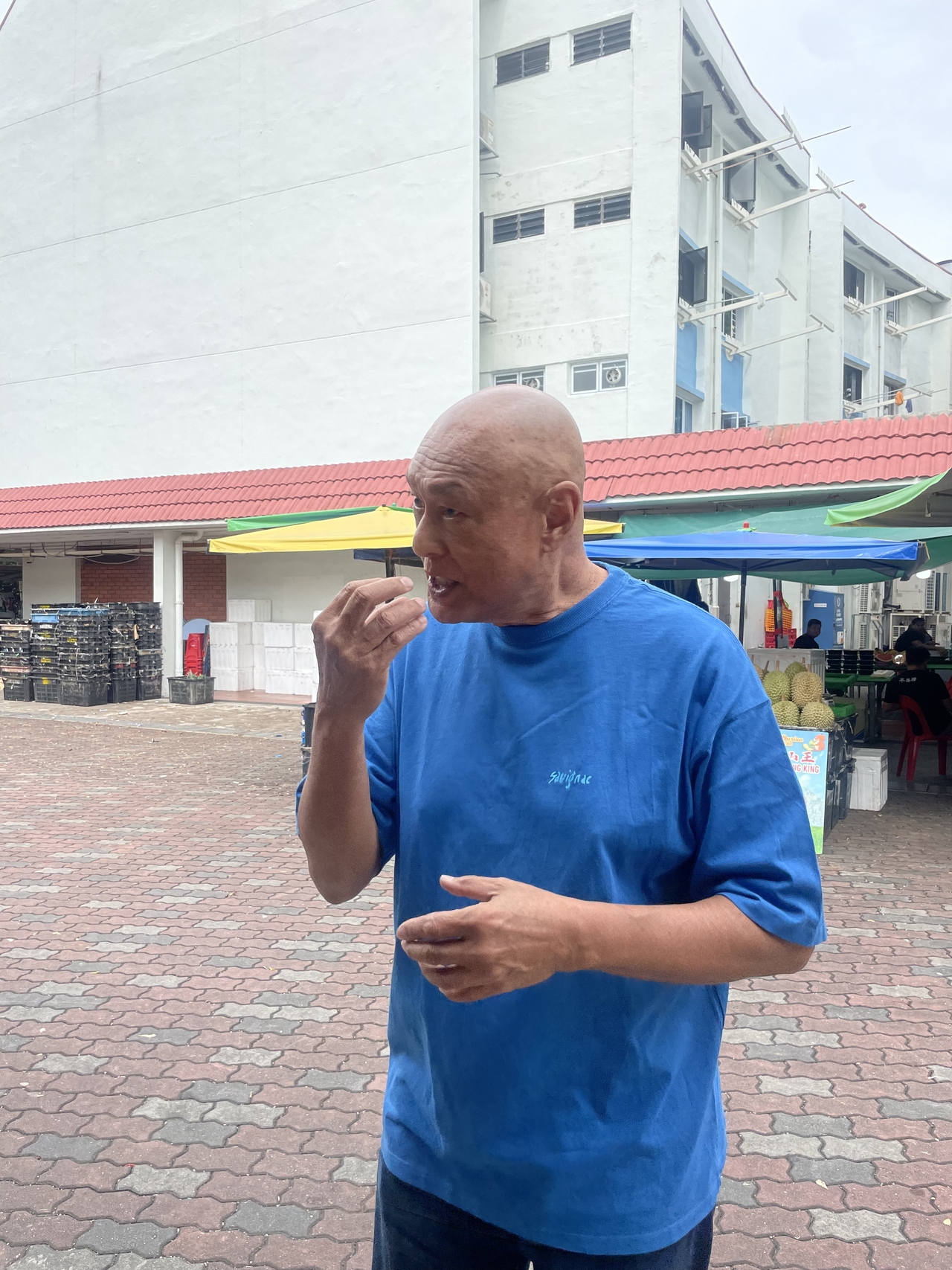
One of the most powerful voices guarding this culinary heritage is Chef Damian D’Silva, often called Singapore’s “godfather of heritage cuisine.” At 68, the MasterChef Singapore judge embodies the layered cultural identity of the island. Eurasian on his paternal side and deeply influenced by Peranakan traditions, D’Silva has devoted his career to preserving the forgotten Eurasian recipes.
He is soon to open a new restaurant, Gilmore & Damian D’Silva, at the National Gallery Singapore on Nov. 26. Speaking with The Korea Herald, he explained how even the way Singapore classifies its people has evolved.
“Up until 2003, the Eurasians were just called the Others,” he notes. “It was just then we earned our identity for the first time.” Today, the Eurasian community, shaped largely by Portuguese, Dutch and British heritage, forms a small but vital thread in Singapore’s cultural fabric. His dishes draw from Chinese, Eurasian and Peranakan traditions.

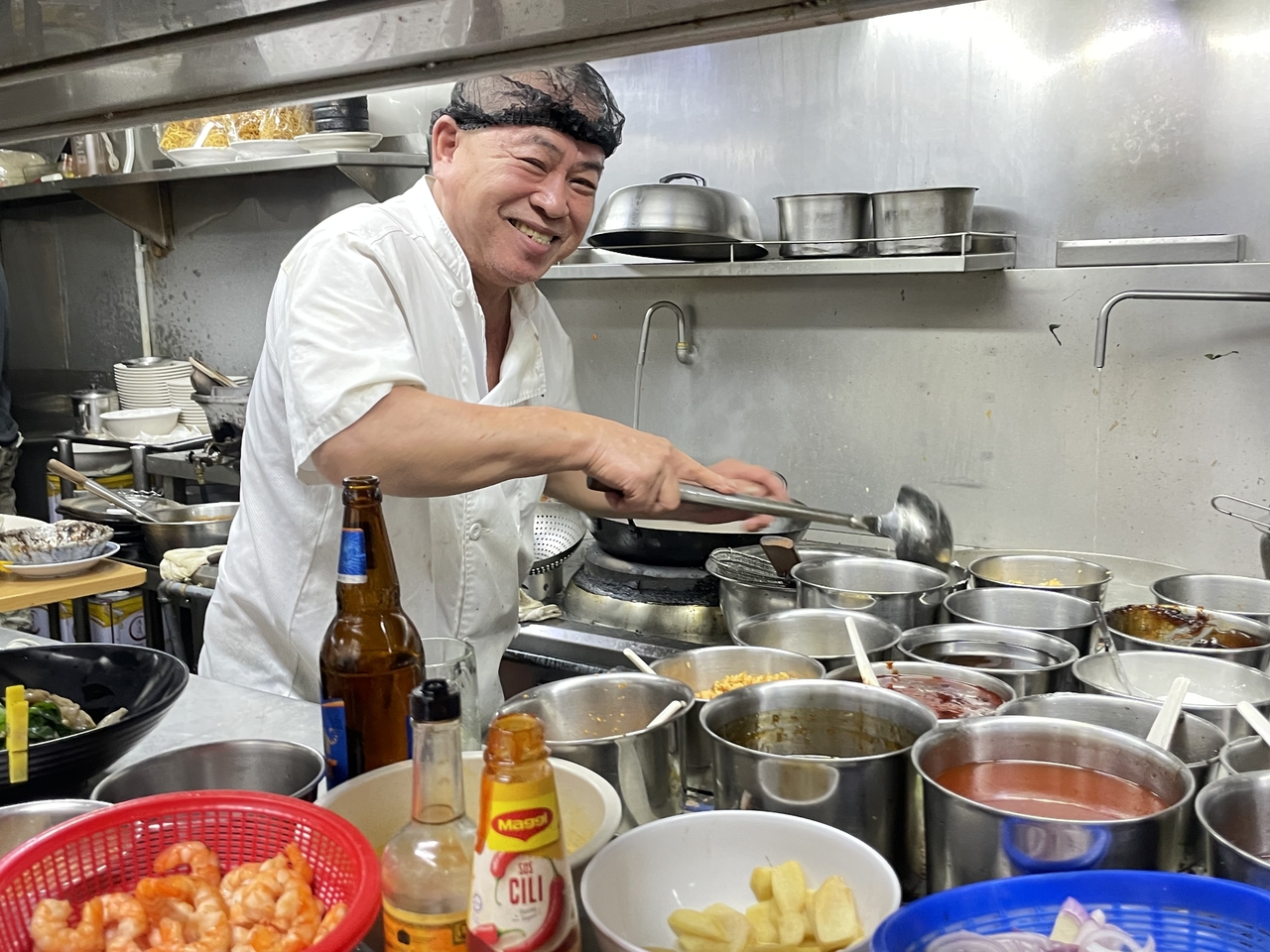
For D’Silva, the true beating heart of Singapore’s food culture lies not in gleaming dining rooms, but in the open-air hum of hawker centers.
He led a tour for foreign food journalists through Tampines Round Market and Food Center, introducing stalls that reflect the island’s complex gastronomic genealogy: prawn noodles of Chinese heritage, Indonesian-style mee rebus, and carrot cake (which, despite its name, is a savory Chinese-origin dish made of radish).