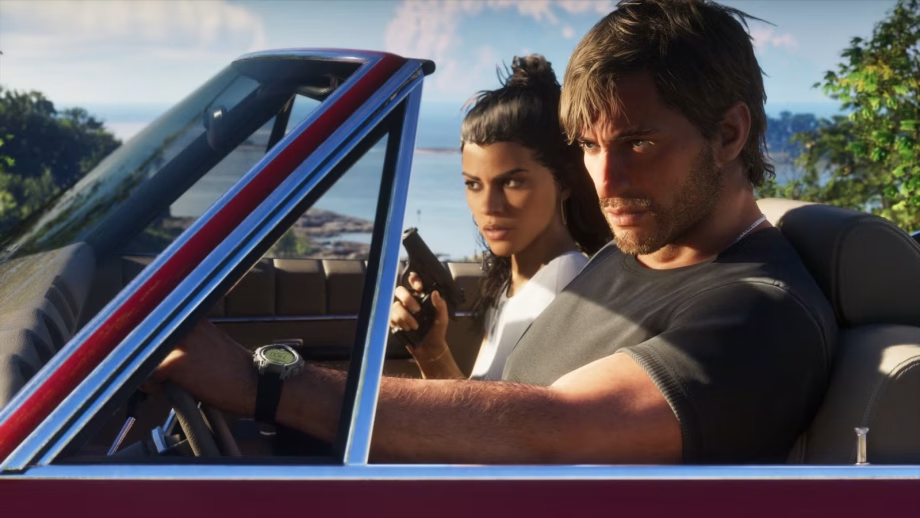
Over a week into Grand Theft Auto 6, it has been a true next-gen experience that’s already rewriting the rulebook for open-world games. Rockstar Games’ long-awaited return to Vice City and Leonida launched on Nov. 19 to a 99 on Metacritic, and Rockstar announced it sold 32.5 million copies before release, a new record across all platforms. A generation-defining game of this caliber will surely have every great studio with an upcoming open-world game studying it.
But not everything Rockstar did should become the new blueprint. GTA 6 is a stunning achievement, yet a few of its boldest choices have been divisive to say the least. Studios taking notes should know which parts of Leonida are worth driving toward and which ones to leave in the rearview mirror.
What open-world games should steal from GTA 6
Let the world write its own stories

The best moments in GTA 6 usually aren’t the ones that are marked as missions. Leonida is packed with random events that can kick off anywhere, and it brings a certain flavor to the open world that makes exploration matter more than ever. Events that would feel mundane as a marked side quest become exhilarating when they pop up out of nowhere. Even simple errands can go sideways depending on who you run into along the way, and that unpredictability is what makes the world feel alive.
My favorite example started with Jason getting robbed by an old, drunken sailor wielding a speargun. I wrote him off as a one-off encounter, until he randomly reappeared later and impaled a group of obnoxious party bros who were humping a whale sculpture for their douchey Snapmatic posts. No quest marker, no cutscenes. Future open-world games don’t need more icons on the map; they need more moments like that.
That emergent design bleeds into the missions too, in a way that’s more reminiscent of Far Cry than past Rockstar games. Some missions let you infiltrate guarded outposts in any way you desire: go in guns blazing, sneak through quietly, or get really creative, which is my go-to approach. Using the environment to your advantage makes for some of the most fun ways to complete a mission, whether that’s confusing guards by messing with radios and TVs or luring them straight into the path of a dangerous animal. It’s this type of experience that makes GTA 6 feel like a leap from previous Rockstar titles.
Open the map slowly, and make every new area count

Dropping players into a massive world with total freedom from the jump sounds great on paper, but it can be overwhelming for a lot of players. Pulling it off takes an incredibly intricate level of design, and Nintendo is one of the few studios to truly nail it with The Legend of Zelda: Breath of the Wild. Most open-world games that try the same trick end up with a map full of icons and regions that feel like new backdrops rather than distinct ecosystems.
GTA 6 takes a different approach. You can technically drive almost anywhere early on, but the story keeps Jason and Lucia in the Leonida Keys for roughly the first 20% of the campaign, and much of the side content elsewhere stays locked until the narrative moves north. Piecemealing Leonida this way lets you soak in each region, and it makes finally rolling into Vice City feel like an event. By the end, you don’t just know the map; you have special memories tied to every corner of it.
NPCs should be more than just props and quest-givers

Outside of the emergent chaos, even interacting with everyday NPCs in GTA 6 can turn into an adventure. Leonida’s residents feel just as human as the scripted characters you meet during missions, and each one reacts differently depending on how you approach them. Greet someone on the street, and they might be friendly, confused, annoyed, or ready to throw hands.
The same goes for the roads. Bump into someone’s car, accidentally or otherwise, and some drivers will hop out to fight you, some will sit there in shock, some will drive off, and others will chase you down until they run you off the road. Even 45 hours in, I still haven’t heard the same dialogue from different NPCs or seen an obvious clone of one. When every NPC has a personality, the world stops feeling like a backdrop and starts feeling like a living, breathing place.
What developers should leave in Vice City
Realism should enhance the fun, not hinder it

GTA 6 is the most realistic open world Rockstar has ever built, and sometimes that works against it. Cars now feel weightier and are harder to control, which doesn’t always make for an experience as fun as GTA 5‘s arcadey handling. Players have complained that the game feels slow and more like Red Dead Redemption than Grand Theft Auto, noting that the early chapters drag due to an onslaught of everyday chores such as painting walls or buying groceries.
Rockstar’s quest for hyperrealism can be immersive most of the time, from the robust physics to the intricate weather effects. However, it backfires heavily and completely shatters the immersion when the realism falls short, even slightly. It’s jarring as hell when Jason and Lucia teleport outside the car after you park in a spot that blocks all the doors, especially when Sleeping Dogs figured out the solution in 2012.
That level of simulation even comes at a technical cost. GTA 6 runs at 30 frames per second on every console, and while I can’t deny I’m impressed by the game’s visuals and fine details, I wonder if all of it was worth sacrificing a higher frame rate. Does every NPC on screen need to have luscious hair physics? Probably not. But Rockstar has to strive to exceed the high expectations it set for itself with every release, though other developers should let this stay a battle between Rockstar and Rockstar.
GTA 6’s Ultimate Edition shouldn’t become a standard

GTA 6 retails at $80 for the standard edition, which is already $10 more than the industry standard, but the Ultimate Edition brings the cost up to $100. What makes the Ultimate package worth the extra $20? Rockstar locking meaningful single-player content behind the upgrade. Five in-game stores, including Sara’s Unisex Salon, Rideout Customs, One-Eyed Willie’s Mod Shop, Electric Fang Tattoo, and Stock 305, are exclusive to Ultimate Edition owners, along with two side missions. Standard players can buy the upgrade later, but at launch, those shops sit in the game world, closed off to anyone who bought the standard experience.
To be fair, most of that content is cosmetic, which is standard practice for Deluxe and Ultimate editions. However, walling off parts of the world itself sets a dangerous precedent and adds a new layer of FOMO as you repeatedly drive past these inaccessible buildings. If other publishers follow Rockstar’s lead, it wouldn’t be farfetched to believe they would experiment to see how far they can push it. Before long, the standard version could feel like a beta version of the Ultimate Edition.
GTA 6 proves Rockstar is still in a league of its own, and it has widened the gap between itself and its competitors even more. The emergent gameplay, smarter pacing, and living, breathing NPCs are all worth analyzing, but the impressive yet limiting realism and Ultimate Edition paywall are lessons in what not to do. If the next generation of open-world games can take Leonida’s best ideas and implement them well, the genre is in for a pivotal renaissance over the next decade.
Read Full Article At Source