
PC gaming handhelds have come a pretty long way from the early days of the Steam Deck and the first Windows alternatives. There’s now a wider choice of devices, with different approaches to screen size, controls and performance. But Windows remains a little awkward on a small screen, and these handhelds still have to balance power against battery life, weight, and price.
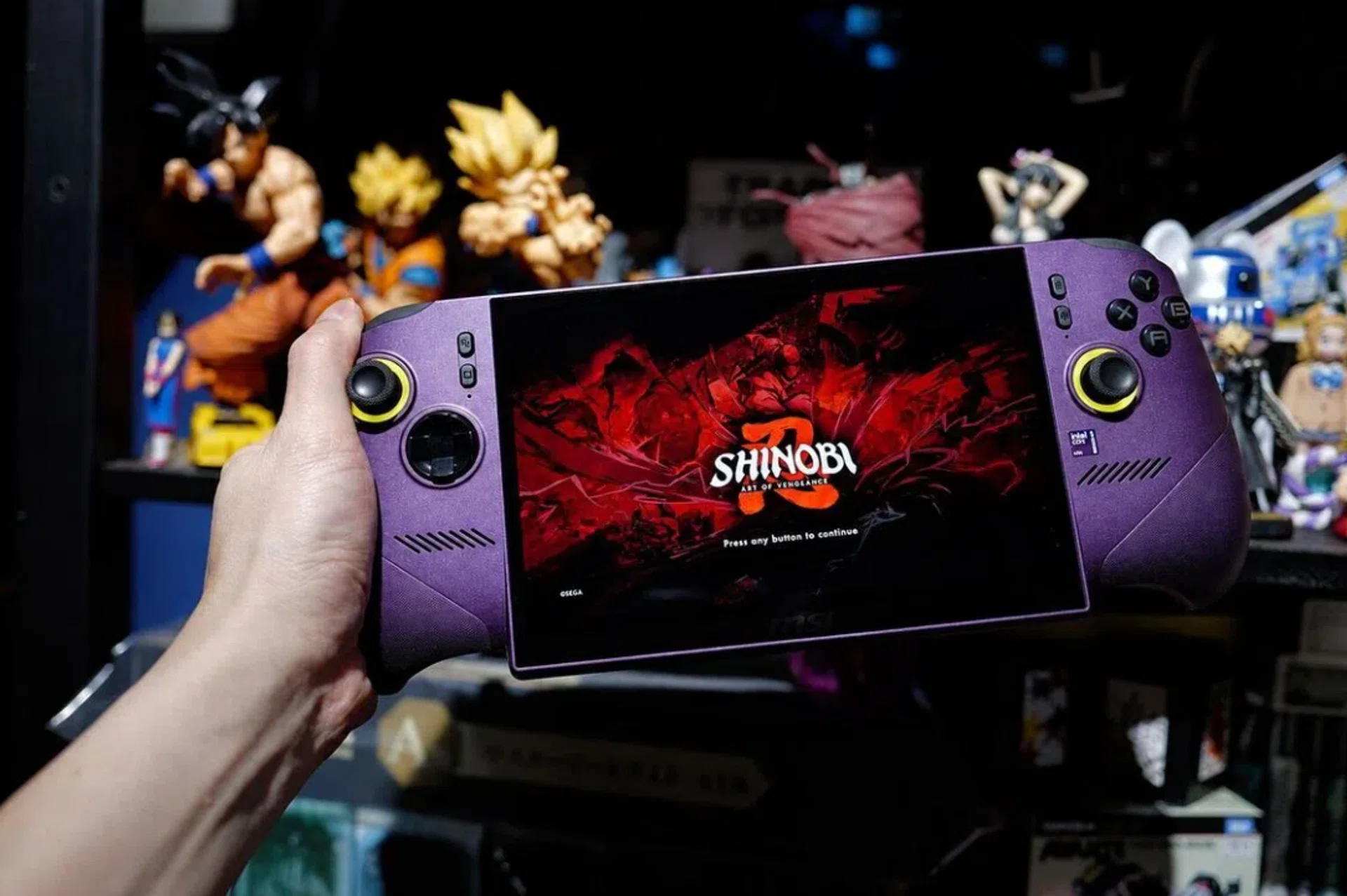
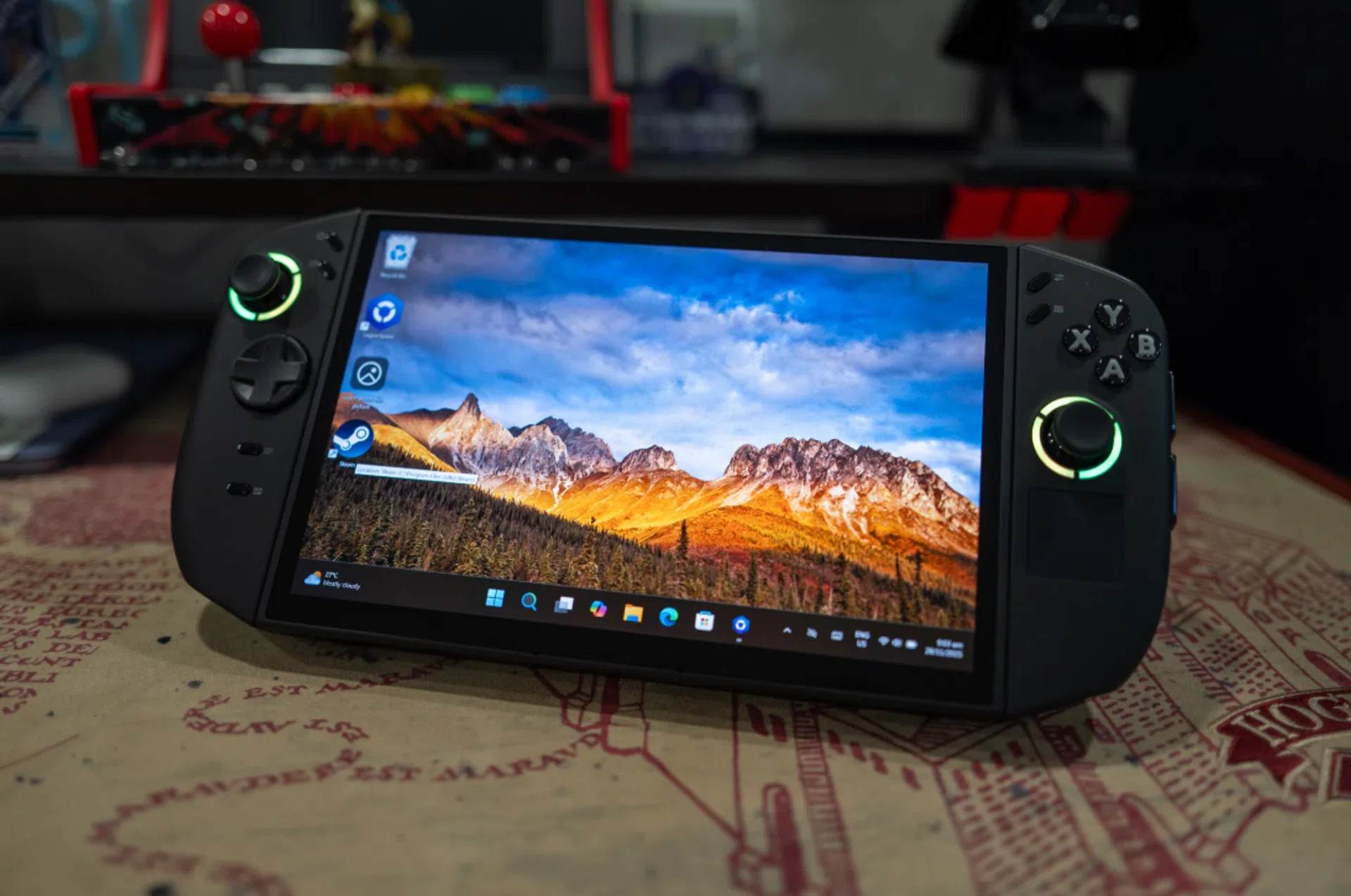
For this year’s Editor’s Choice, we’ve picked three locally available Windows handhelds: the ASUS ROG Xbox Ally X20, the MSI Claw 8 EX AI+, and the Lenovo Legion Go 2. Each has a clear strength. MSI’s a convincing showcase for the new Intel handheld platform, while Lenovo’s larger screen and detachable controllers made it the most versatile. ASUS, meanwhile, has refined the original ROG Xbox Ally X in ways that make it feel more complete.
And the winner is…
The ASUS ROG Xbox Ally X20 – Refined and improved
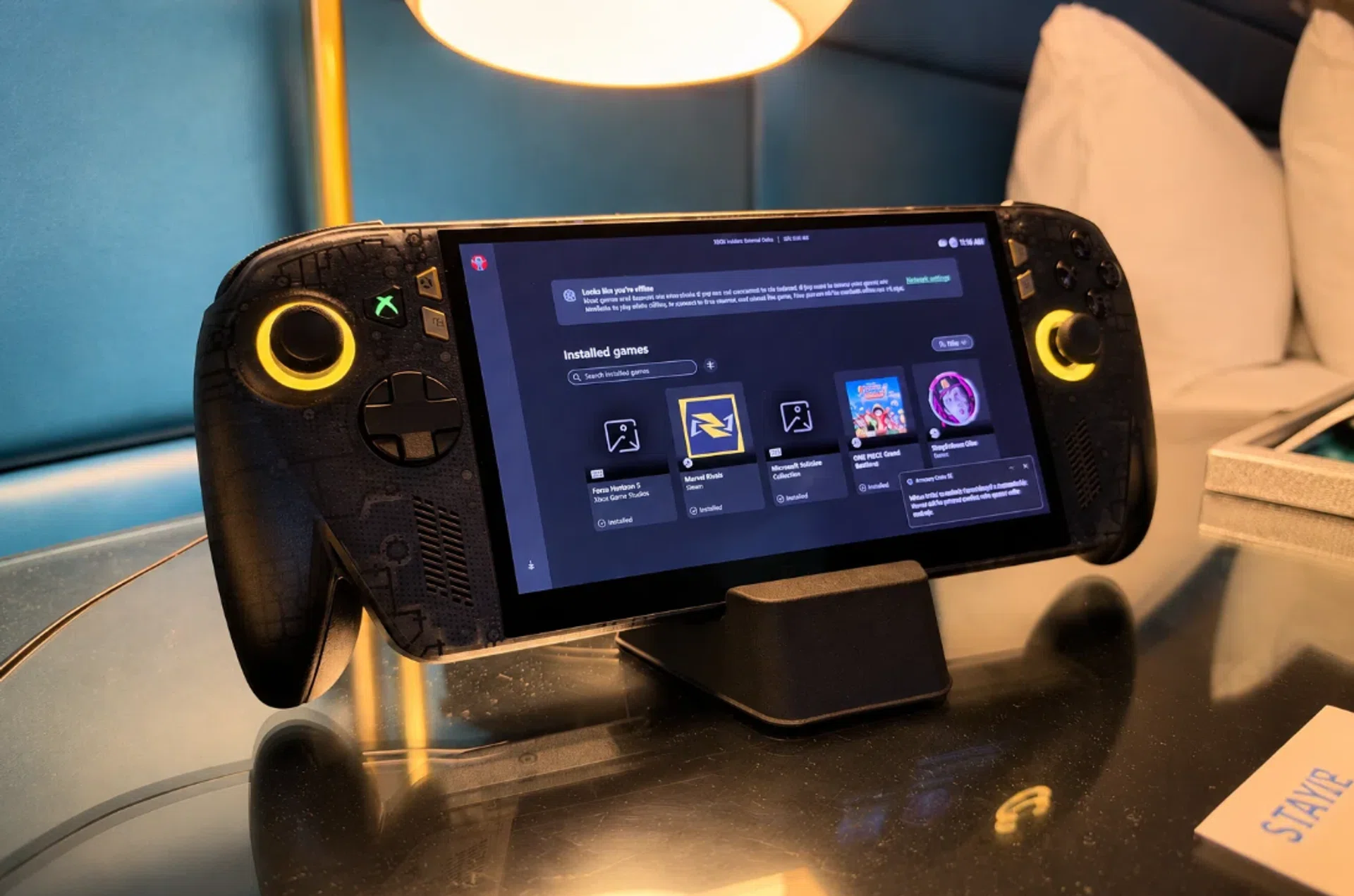
The ASUS ROG Xbox Ally X20.
Photo: HWZ
This was a close decision between the ASUS and MSI handhelds. The Claw 8 EX AI+ delivers outstanding performance, thanks to Intel’s new Arc G3 Extreme platform. In our testing, it was faster than the ROG Xbox Ally X in many games, and it makes a strong case for Intel as a serious player in the handheld market.
But as most owners will tell you, a gaming handheld is more than just frame rates. The ROG Xbox Ally X20 takes a familiar design and makes thoughtful refinements where they matter. Its 7.4-inch Full-HD OLED display is larger than the original Xbox Ally X’s screen, and it also replaces the original’s thumbsticks with drift-resistant TMR joysticks.
Read Full Article At Source