Note: Full benchmark testing wasn’t possible before the device’s official launch. Once we complete the benchmark evaluations, we’ll update this article into a scored review with a final rating.
Overview
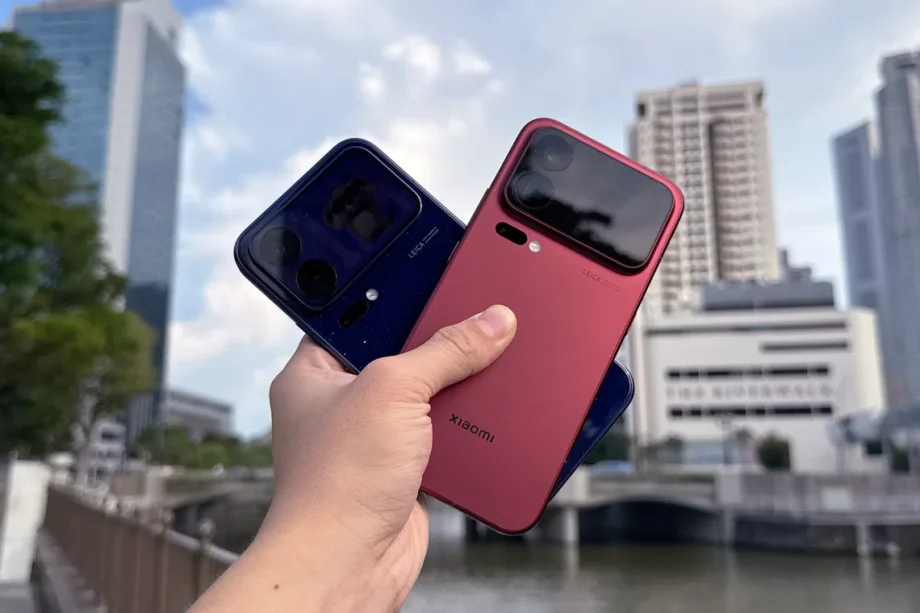
Xiaomi wasted no time becoming one of the first to announce a new phone touting Qualcomm’s 2027 premium flagship processors. After all, the two partners even shared the same stage at Hawaii to make their big splash. What makes the Xiaomi 18 Pro Max even more interesting is that it isn’t your normal bar-type phone.
You’re probably aware of the trend where Chinese Android phone makers now have “Pro Max” variants of their mainline products. Xiaomi, however, was among the first to do so: it already had a Pro Max for its home market last year. This makes its 18 Pro Max a second-generation device, even though it relies on the sterling reputation of its mainline numerical phone series.
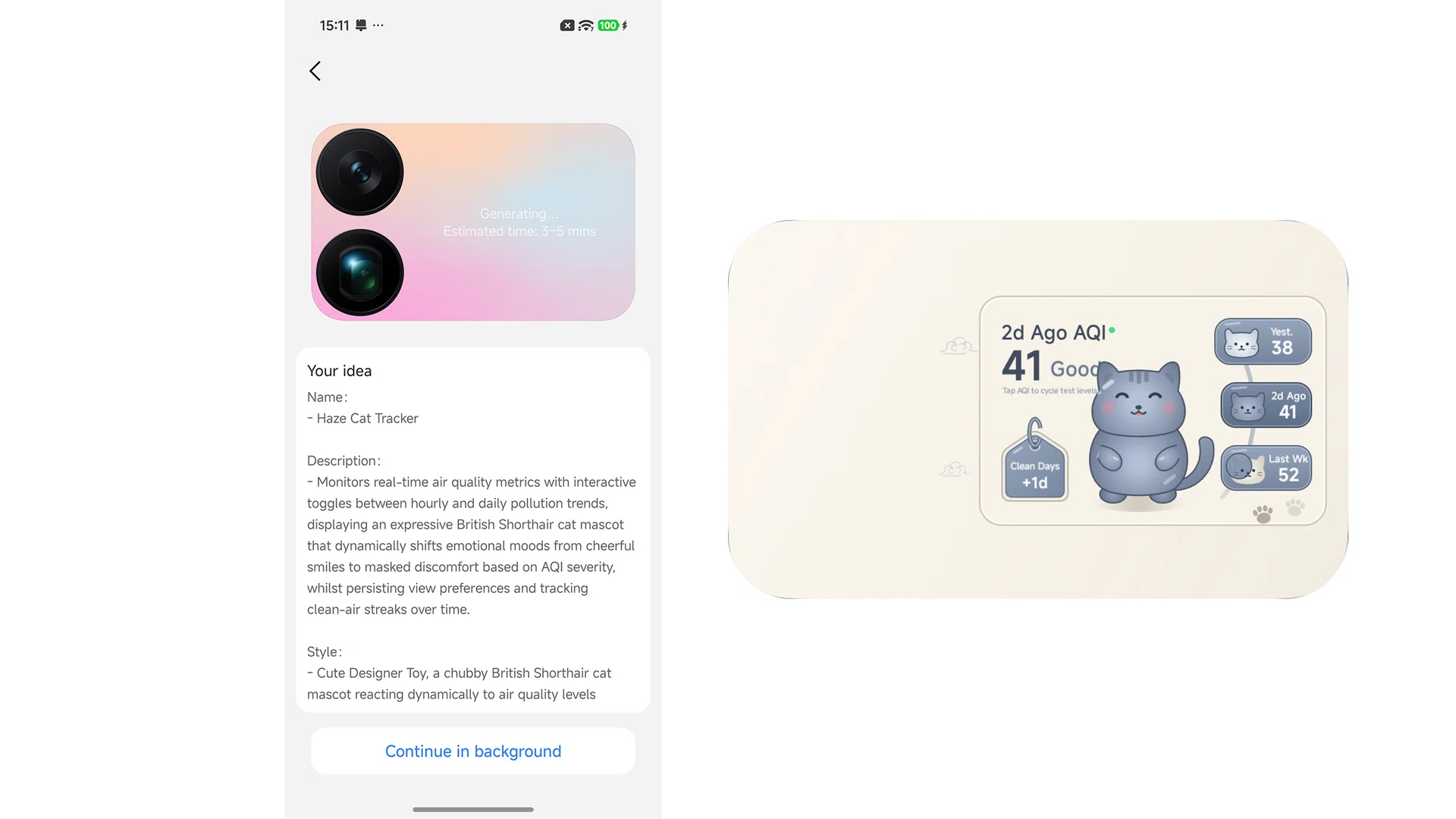
Unlike other Pro Maxes that appear to be rebranded Ultra variants, the Xiaomi 18 Pro Max sits in its own class because of its Back Display. In fact, the updated feature saw major upgrades in quality and purpose, most notably the addition of AI tools.
Since this model is new to Singapore, the Back Display experience is less known to its people, which gives us more to explore alongside Xiaomi’s Privacy Display for its main screen, and whether its omission of 1-inch sensors can still live up to Ultra standards of photography.
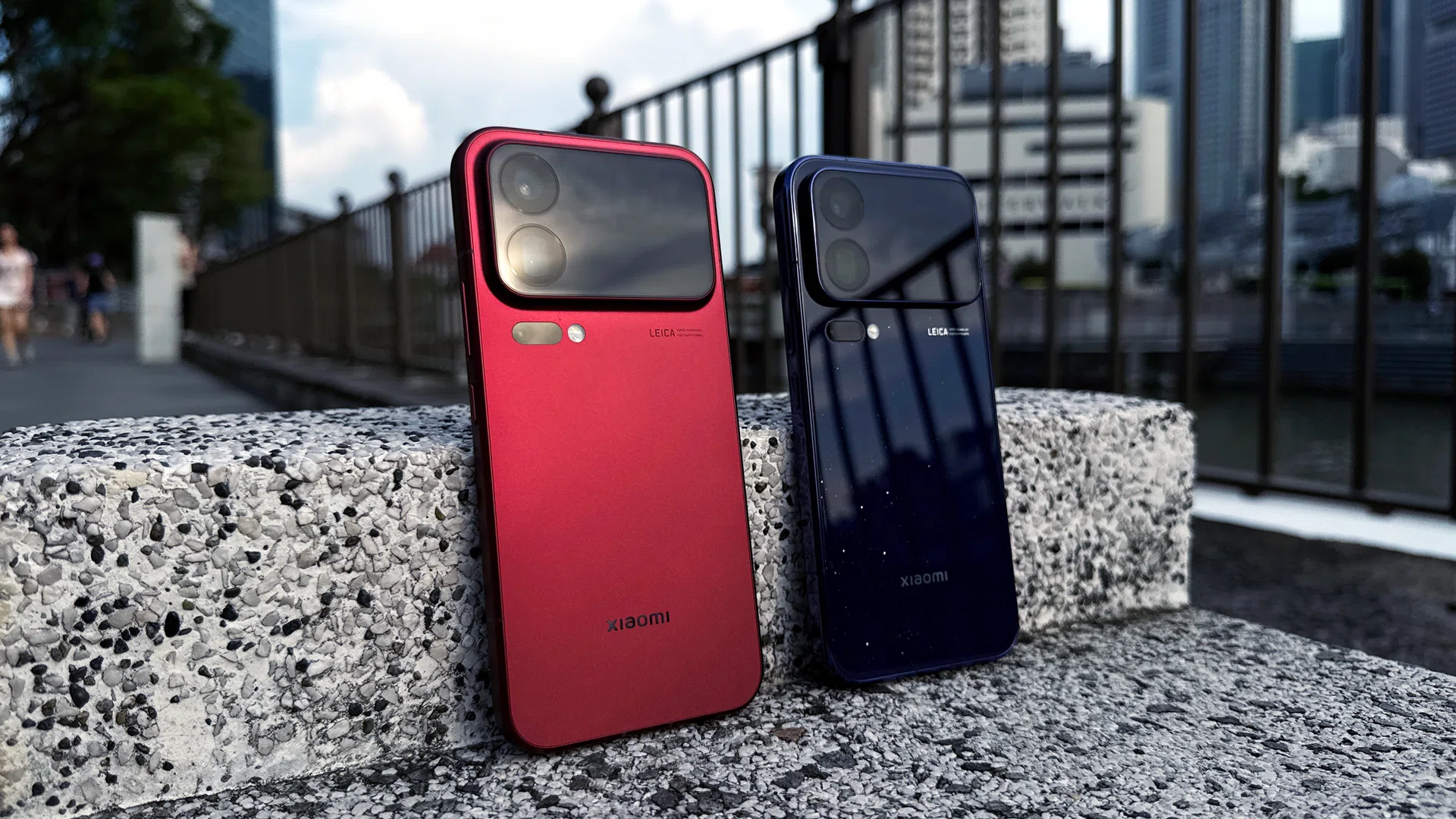
Xiaomi 18 Pro Max
Photo: HWZ
That said, being one of the first to have Qualcomm’s Snapdragon 8 Elite Extreme Gen 6 running the show within has to give it a leg up against current choices.
At S$2,099 (256GB storage) and S$2,299 (512GB), how does the Xiaomi 18 Pro Max fare as a premium flagship phone? Does having a fancy, expensive chipset do any favours, and is committing to this unique Back Display form factor beyond China’s great walls worth the risk to both the brand and its users? Let’s go.
The prettiest phone we’ve seen in a while
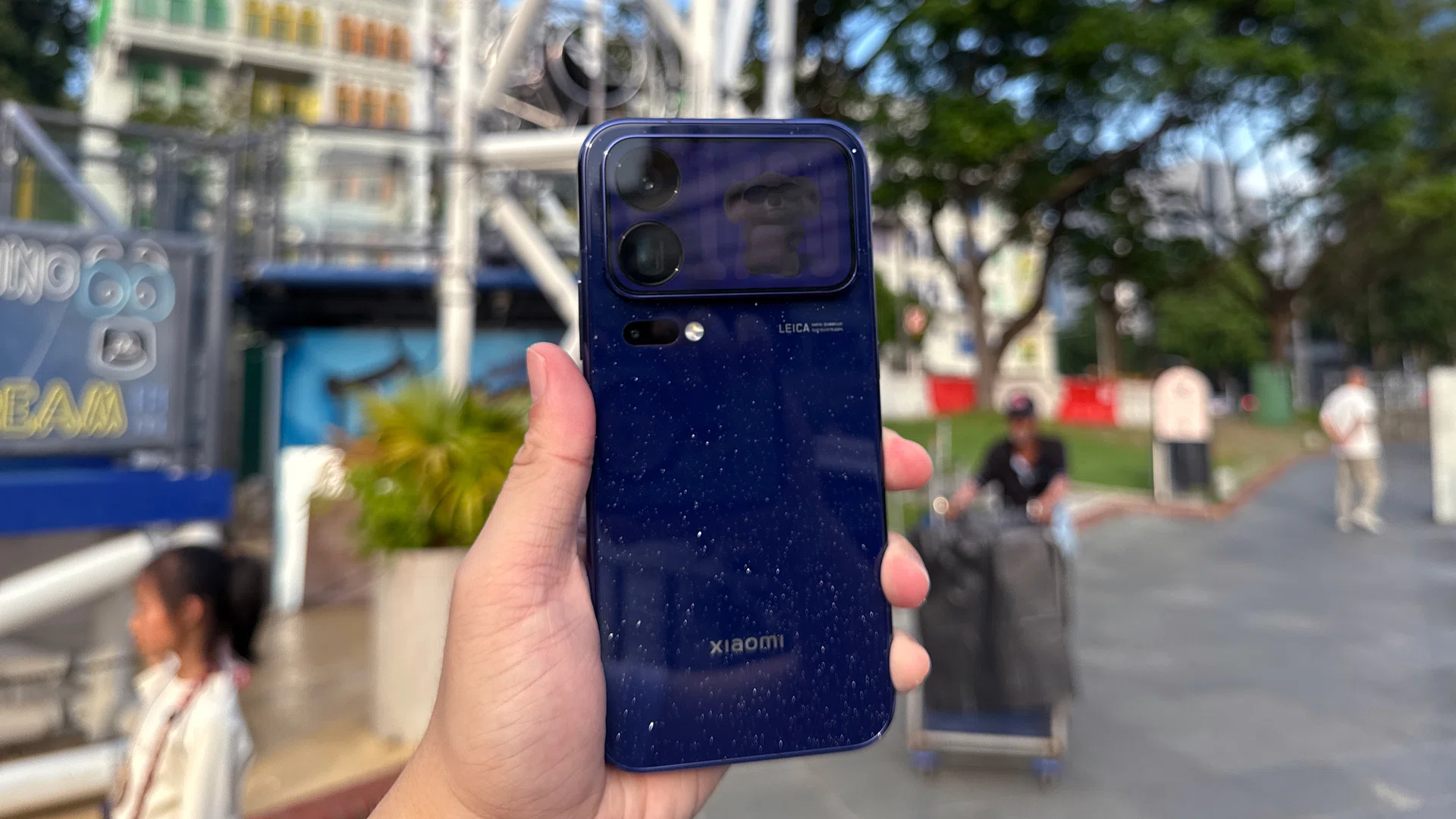
Xiaomi 18 Pro Max, Cosmic Blue
Photo: HWZ
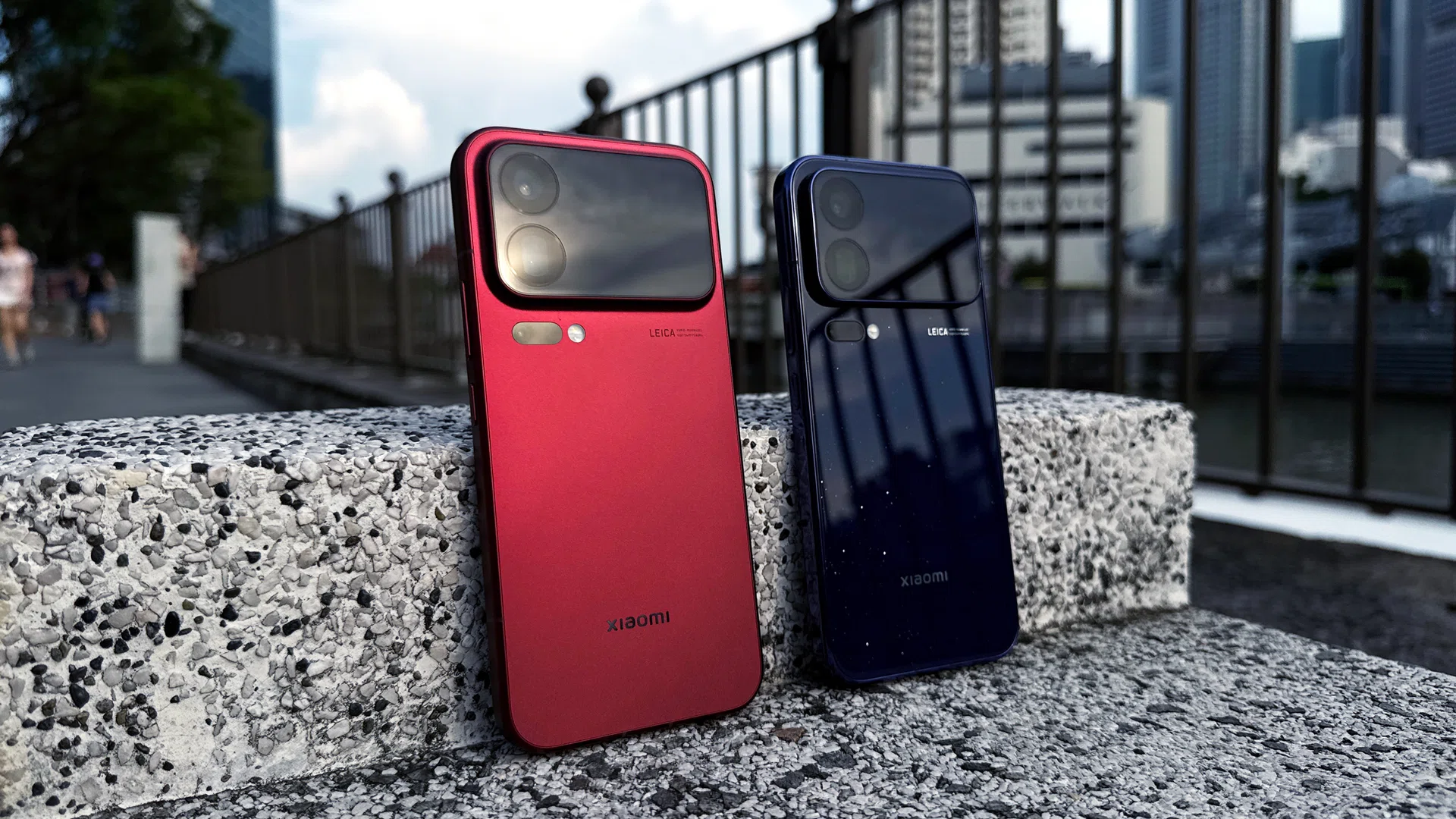
We were initially loaned the Cosmic Blue variant of the Xiaomi 18 Pro Max made for global release. At its China launch, the colour made a huge splash with its cool cobalt body and speckled metal-looking shavings baked into the device, giving it the illusion of a faraway, starlit midnight sky.
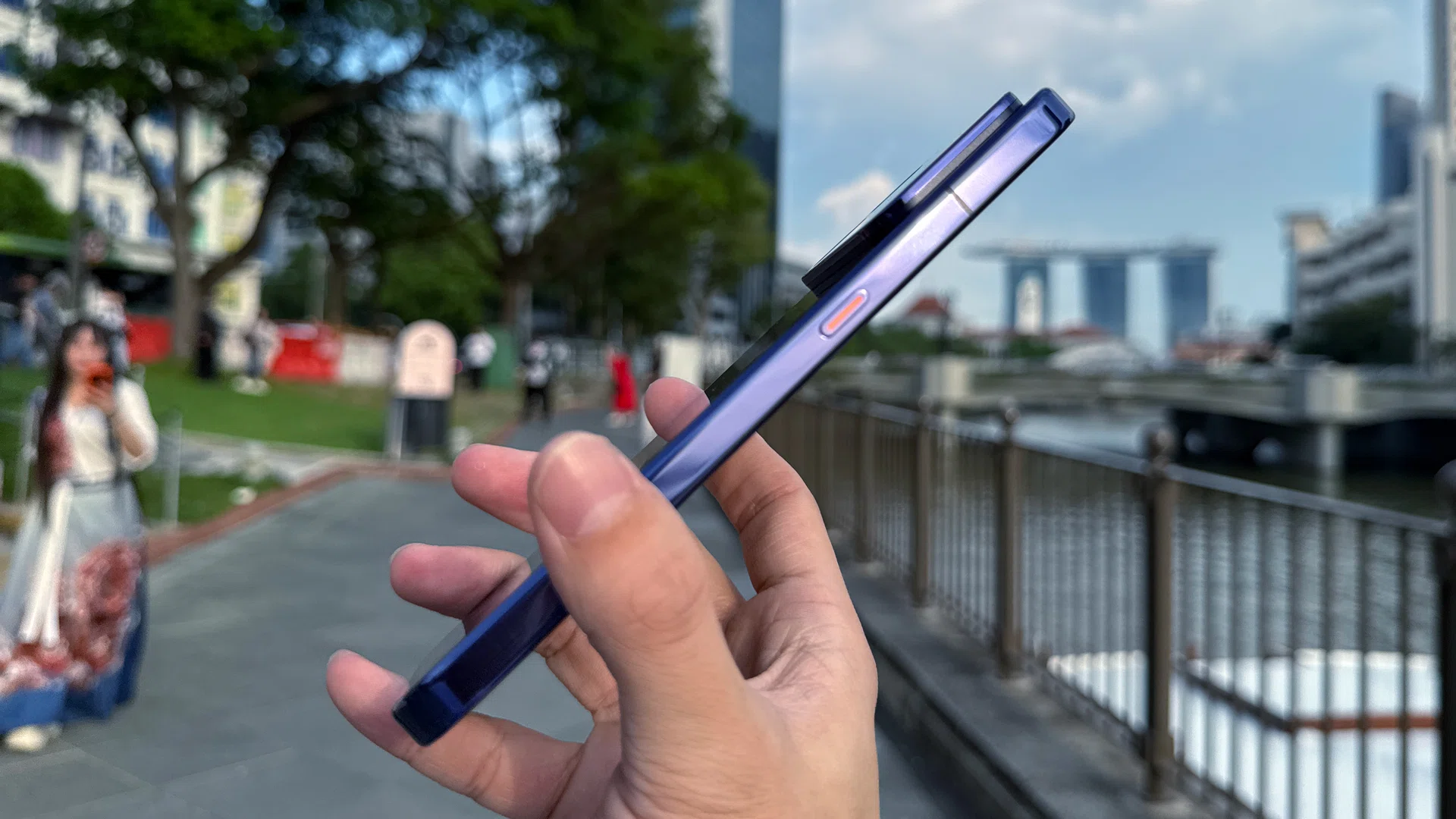
Xiaomi 18 Pro Max, side with AI Button
Photo: HWZ
If anything, the attention to detail is what sets the design apart from the vast collection of Android phones out there — the side rails are so perfectly colour-matched that it’s deceptively similar to a unibody phone at first glance, and it has 0.99mm bezels on the main display to elevate its premium flagship aesthetic. We’re glad this colour made it out of its motherland.
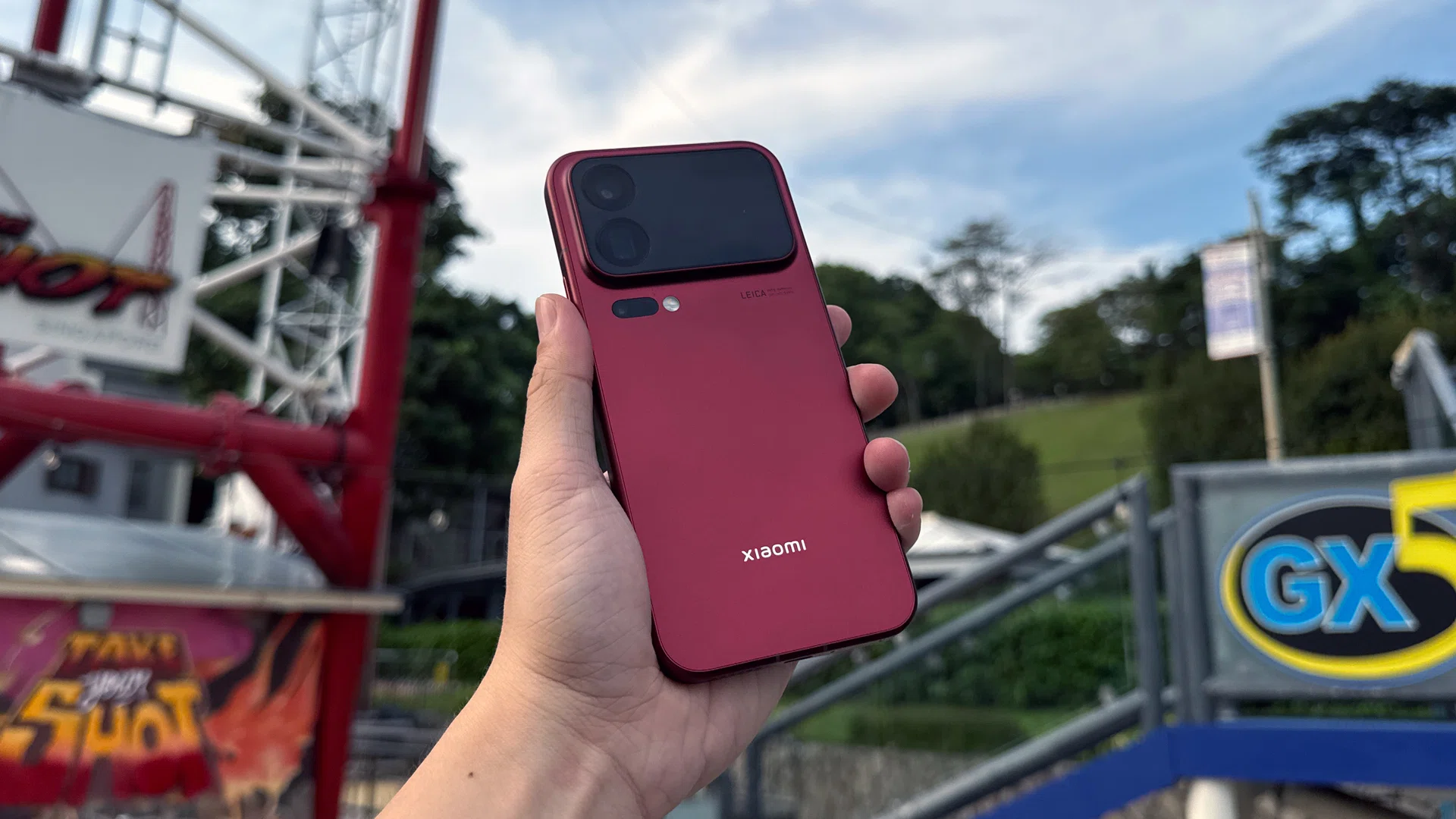
Xiaomi 18 Pro Max, Velvet Red
Photo: HWZ
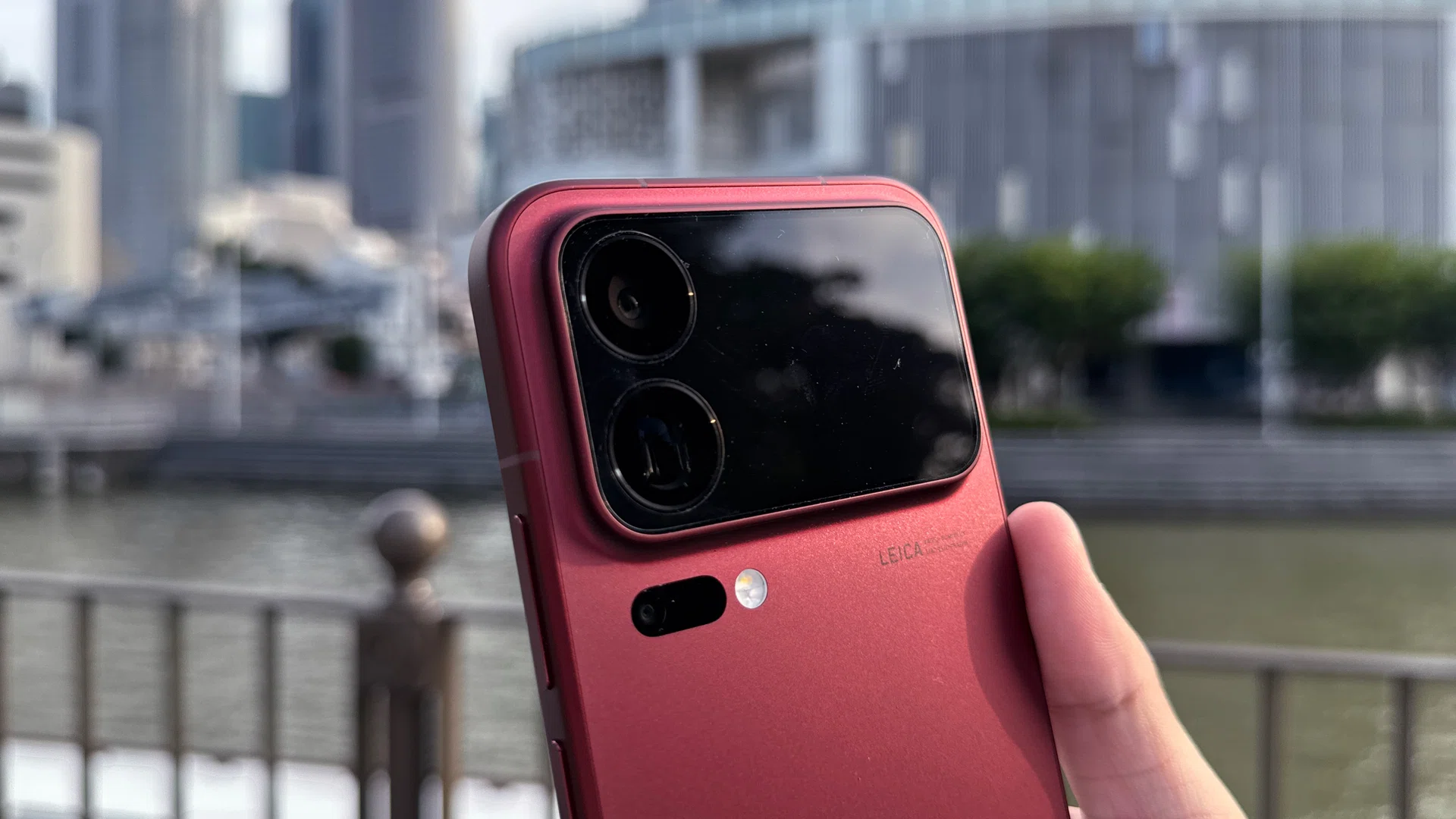
Between its China announcement and global release, Xiaomi actually added a new 18 Pro Max colour for the global market: Velvet Red. Of course Xiaomi won’t admit it, but we think Velvet Red was added to pay homage to a particular 2027 Apple phone with a wine-like Burgundy as its hero colour. Xiaomi’s Velvet Red is eerily similar, right down to its semi-matte finish. Again, it also has colour-matched railings and a soft curve around its raised rear housing.
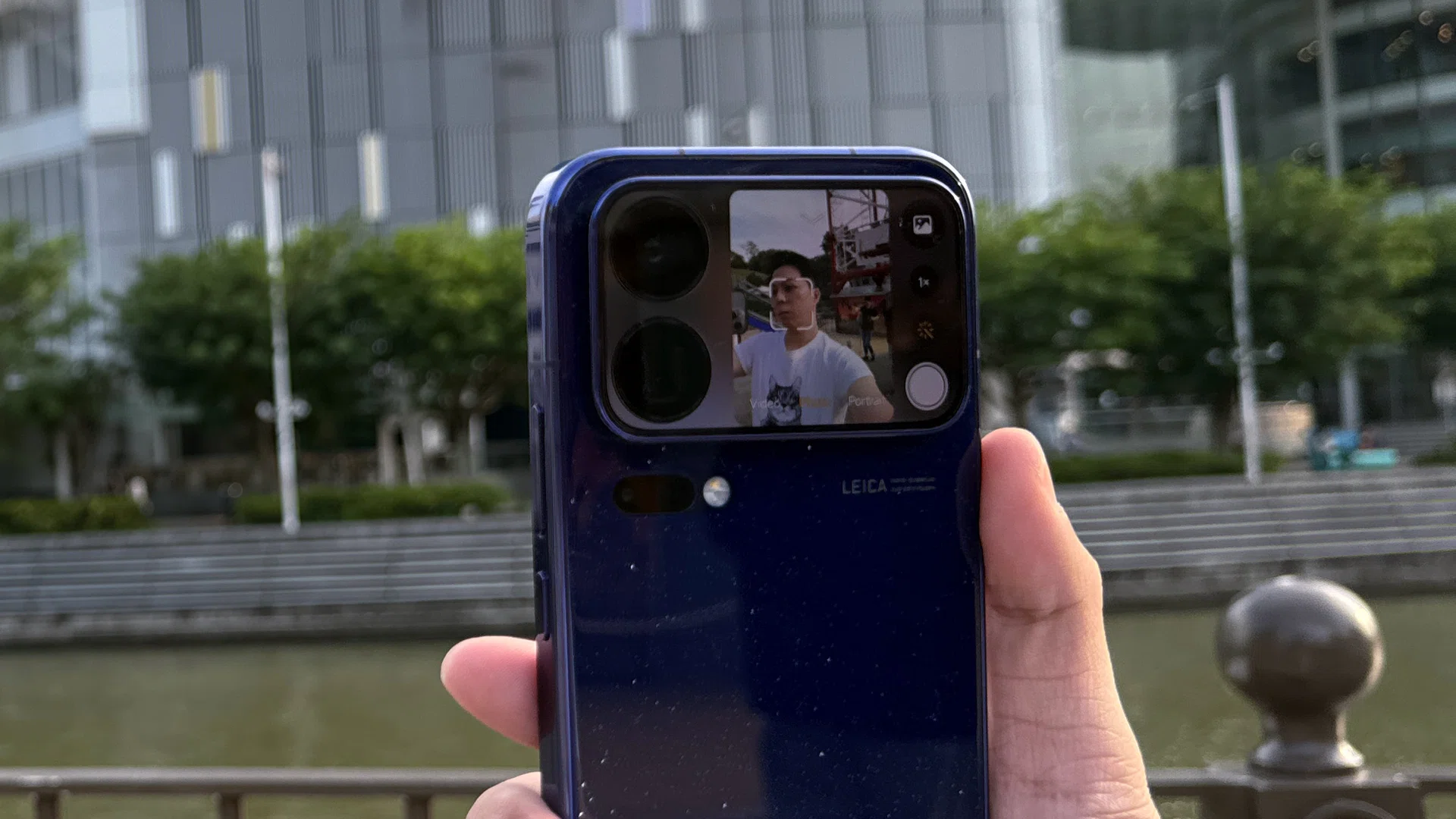
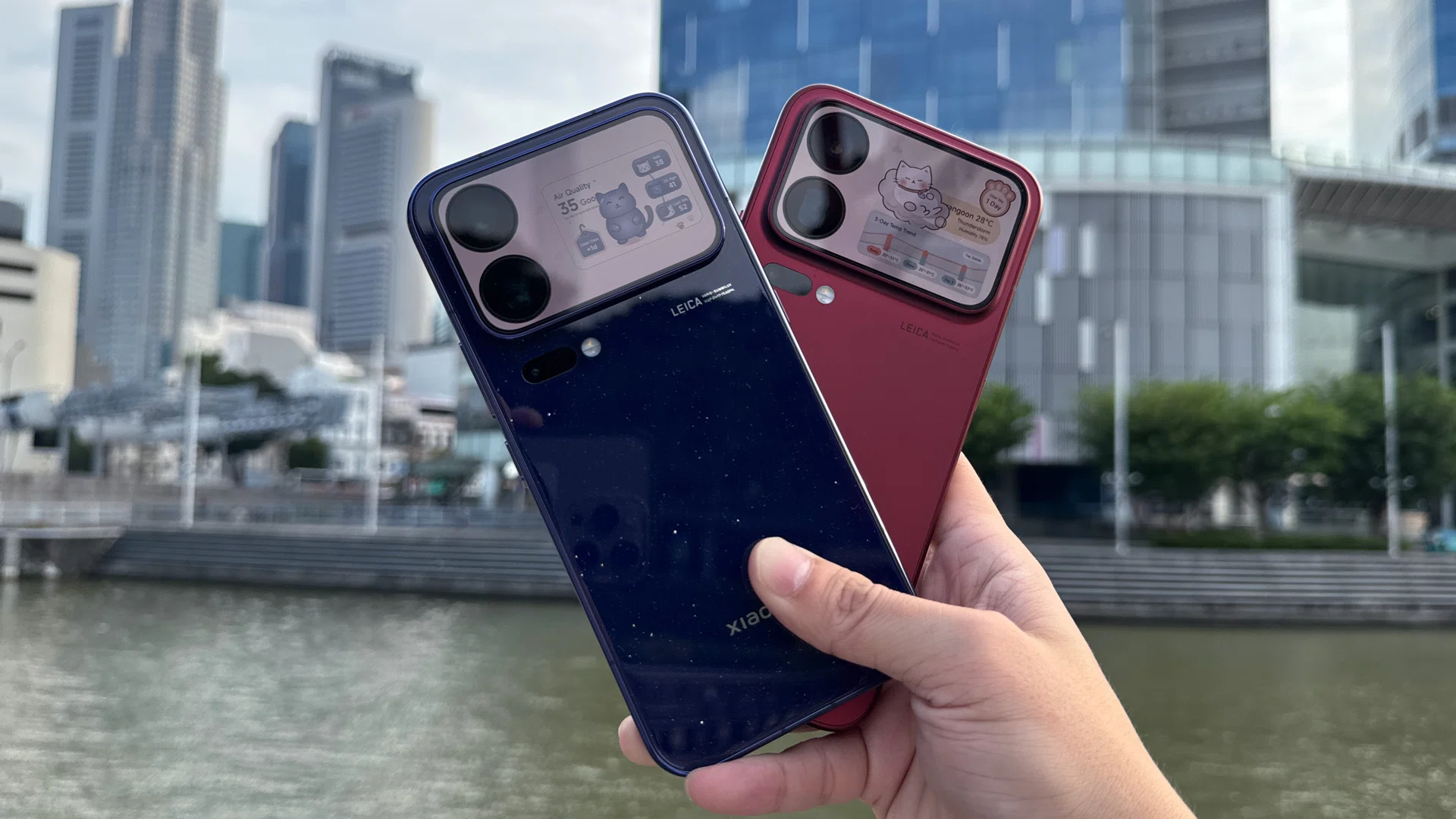
That brings us to an important rear feature: the core cameras are accompanied by a Back Display, with two big lenses (main and telephoto) carved into an otherwise seamless rectangular AMOLED. The bezels are impressively thin, and Xiaomi made both the camera lenses and the display panel as flush as possible despite using different glass types.
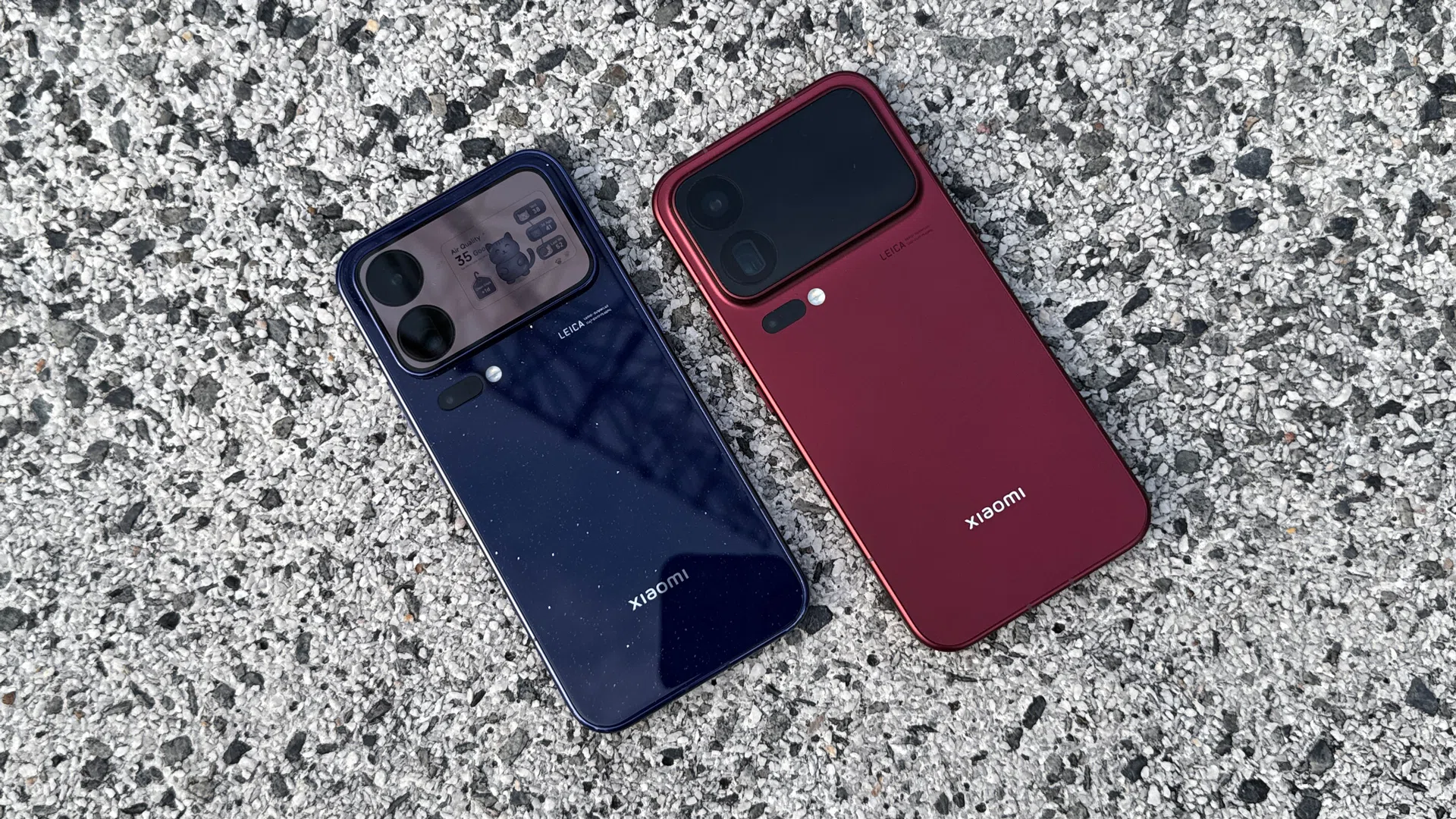
Xiaomi 18 Pro Max, face down
Photo: HWZ
Between its two hero colours, Cosmic Blue is far more prone to attracting fingerprint oils because of its high-gloss finish, whereas Velvet Red’s matte appearance is far more tolerant of smudges. Choosing either colour comes down to your personal preference, and there are always alternative colours for boring people (Black and White).
If we had to choose one other commendable design detail, it would be the side-mounted AI Button, which sits on the opposite rail from the power/lock and volume buttons. It has a distinct tactile feel that’s sharper to the touch, so you’ll never mistake it for the power button.
Overall, the Xiaomi 18 Pro Max is one of the company’s better-looking phones, and we appreciate the effort that went into its refined, elegant design.
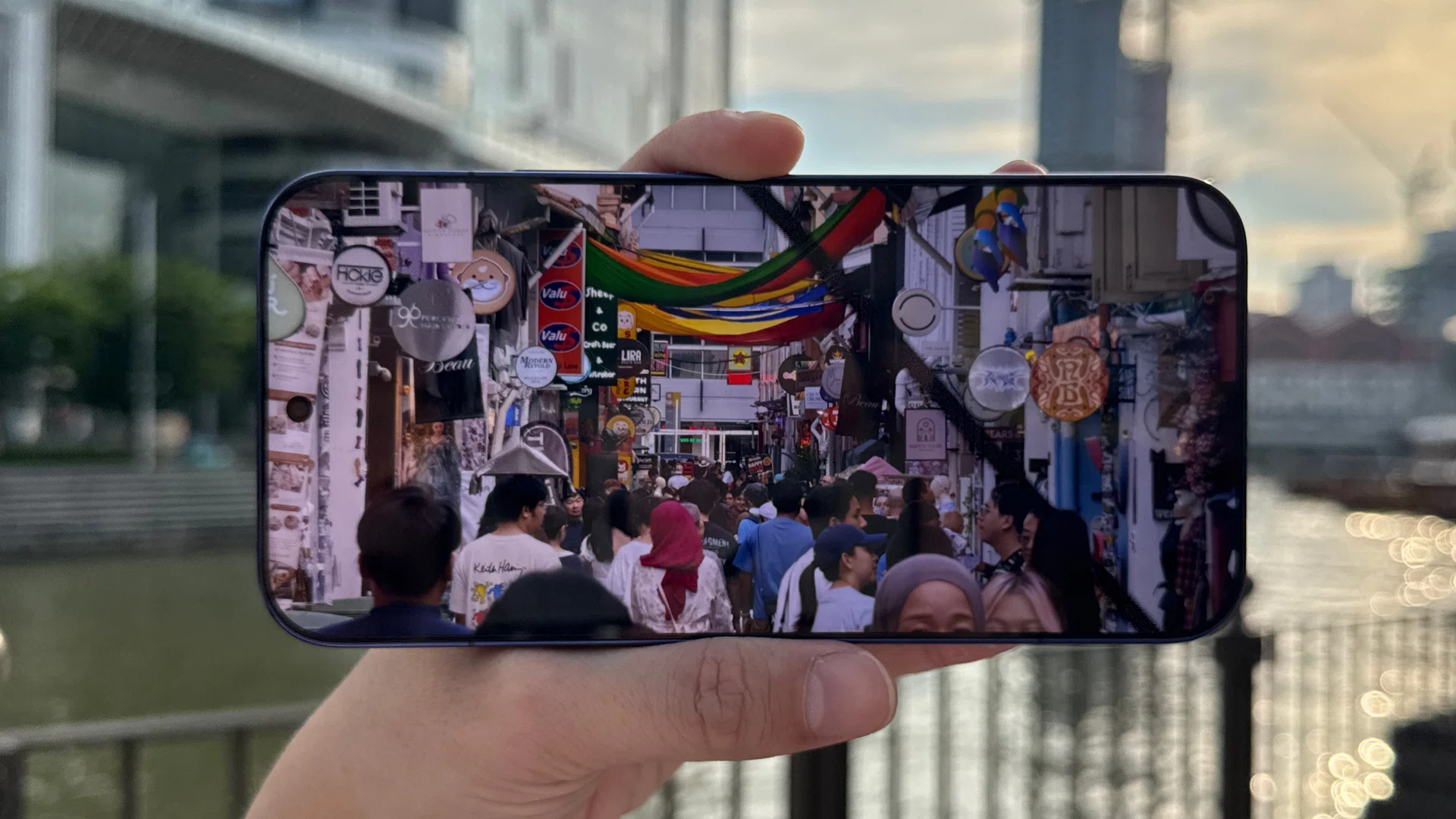
LTPO AMOLED is always pleasant and sharp to look at
Photo: HWZ
Usually, this part of the review is where we talk about its 6.9-inch Main Display, but that’s now overshadowed by its Privacy Display feature (more below). The panel itself meets our premium flagship expectations for high-resolution LTPO AMOLED that runs up to a 120Hz refresh rate with sufficient brightness under direct sunlight.
Xiaomi Privacy Display
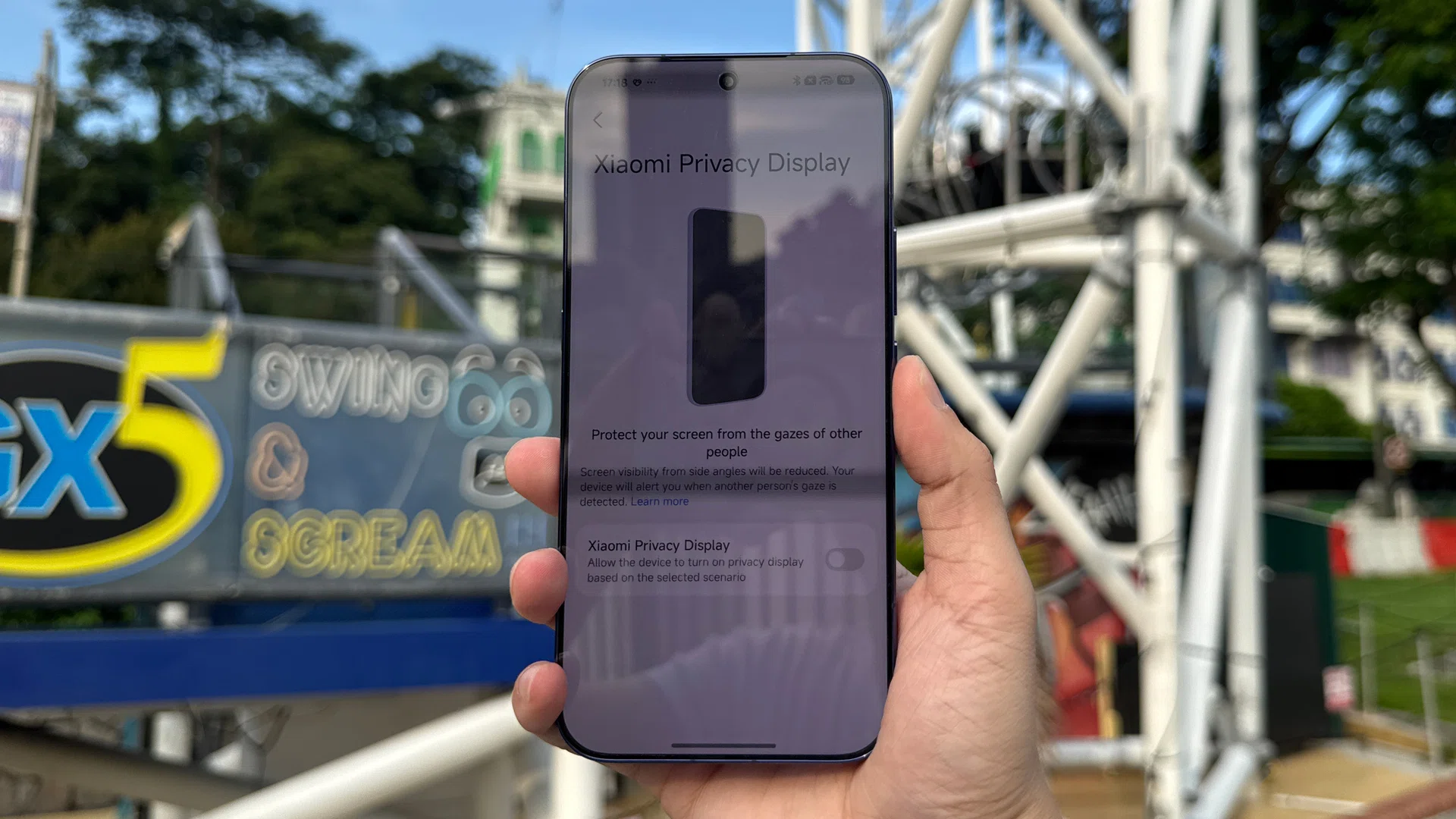
Settings > Security and privacy > Xiaomi Privacy Display. You are welcomed
Photo: HWZ
One key main-panel perk is Xiaomi Privacy Display, which works similarly to Samsung’s Privacy Display on the Galaxy S26 Ultra (which we also tried here). In short, users can limit the display’s viewing angles for added privacy in public places, and disable it when they prefer an unadulterated viewing experience.
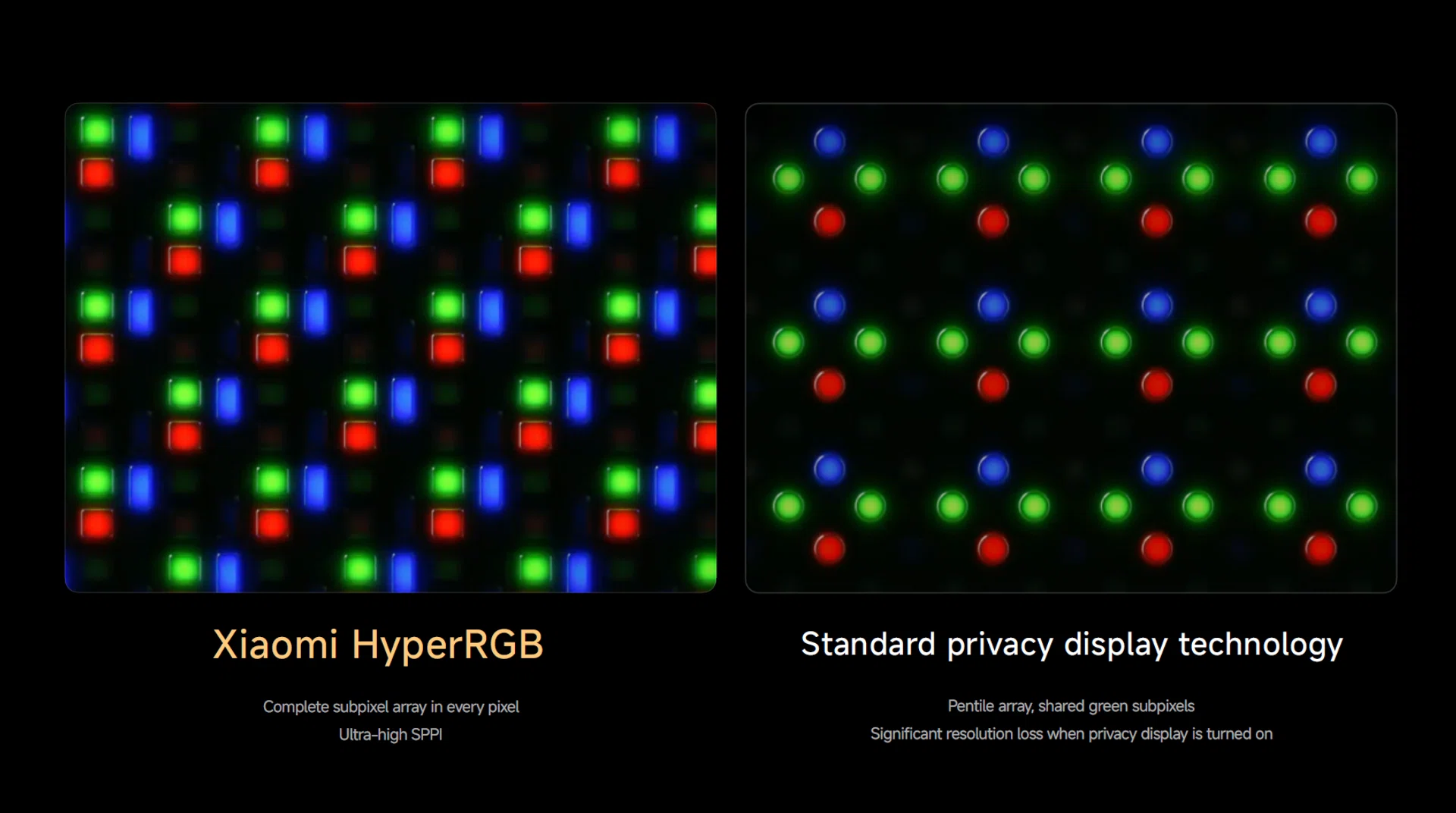
Xiaomi 18 Pro Max’s subpixel array, enabling Privacy Display
Image: Xiaomi
We won’t go into great detail about the technology itself, except to say that Xiaomi Privacy Display uses its own blend of subpixel arrays, making it a hardware-based solution. It’s not just an app you install on Xiaomi devices to get this feature, so we hope it’s implemented in future handsets.
Xiaomi’s version is carefully thought out. You can trigger it for specific full-screen apps (an easy pick would be your banking ones). You can also have precise notification privacy, so strangers next to you won’t accidentally see your personal updates streaming in while you’re watching online shows during your commute. Xiaomi takes it a step further with two more choices: split-screen privacy and floating windows privacy. Both are exactly what they sound like.
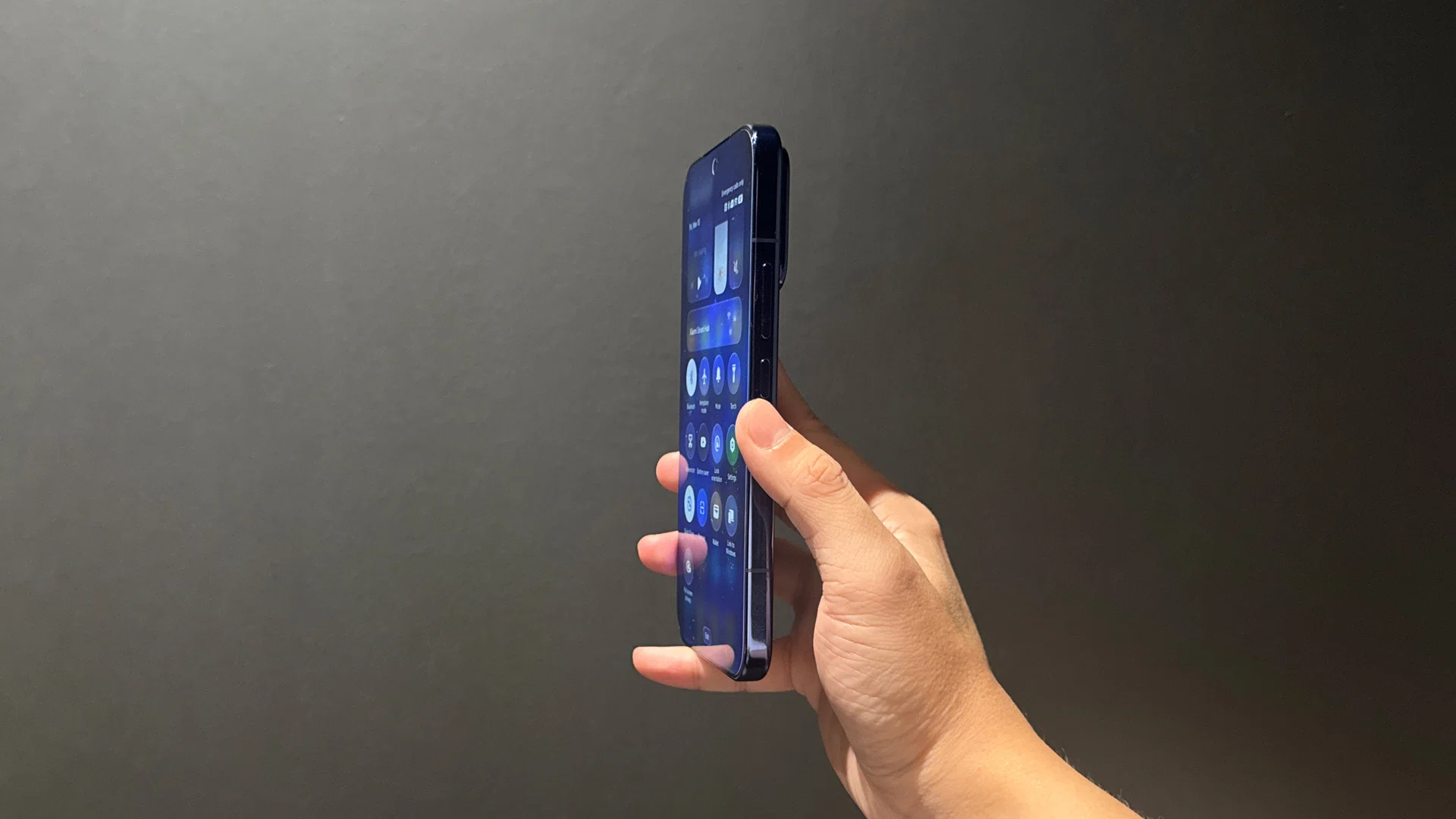
Full-screen Privacy Display not activated yet
Photo: HWZ
Notifications privacy is only available to apps where you’ve already applied full-screen coverage for. It was puzzling during setup, but it made sense during real-world use: you wouldn’t go through the trouble of privatising your notifications, only to show your app’s contents to the whole train cabin when tapping in.
From our experience, we doubt most people would need privacy modes beyond full screen, select apps, and select notification modes. Floating window mode could be helpful when online shopping on the MRT, but you can also do that with full-screen privacy and not have to squint at your purchases. Also, if anyone’s gonna kaypoh about what you’re buying, we think they should be paying, too.
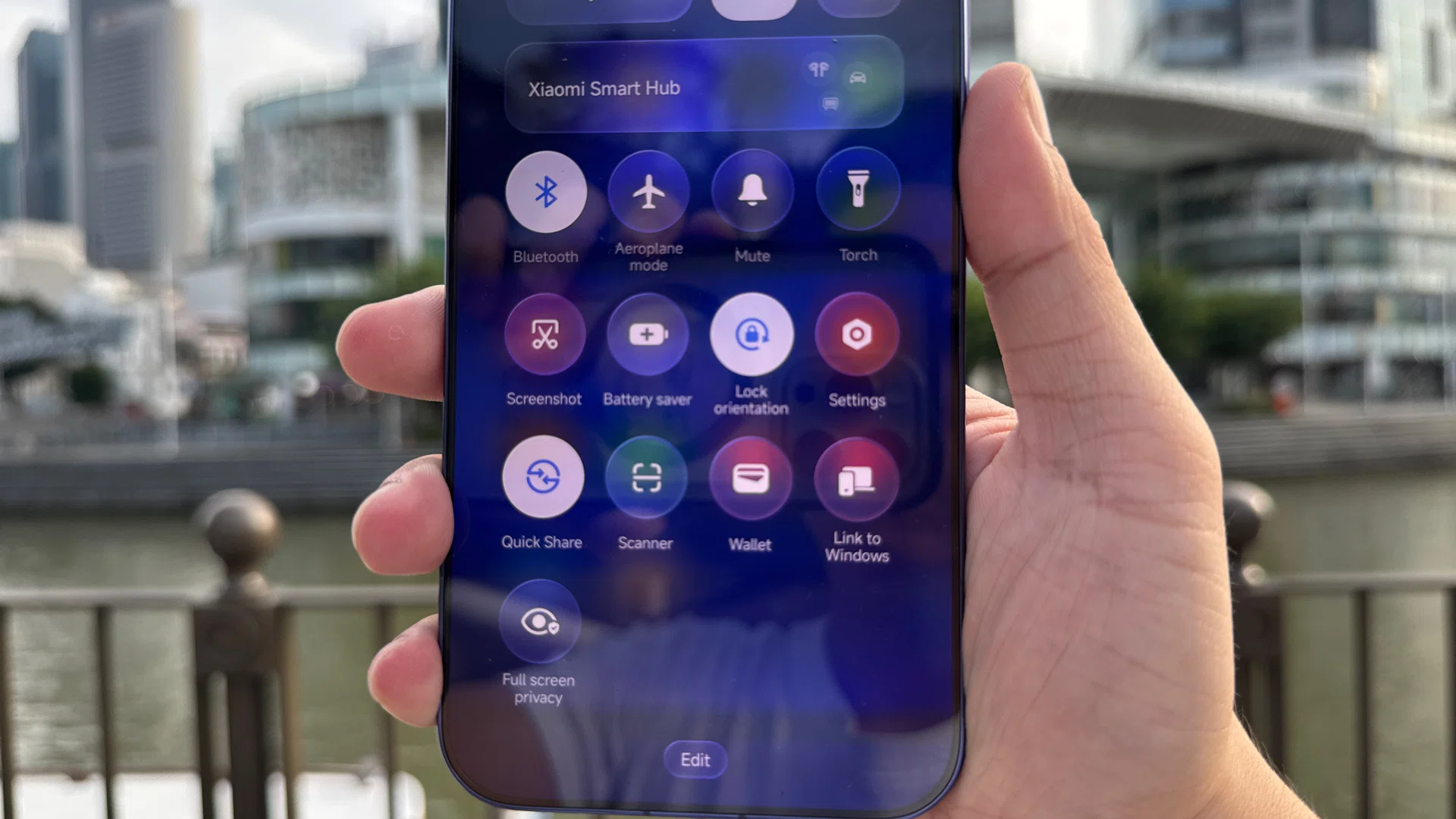
Privacy Display toggle in pull-down menu
Photo: HWZ
Xiaomi gives you three ways to trigger display-wide privacy on the 18 Pro Max, two of which are really handy and quick. First, you can reprogram the phone’s left-sided AI Button into a privacy display toggle, overriding its default translation feature. Second, you can add the Full Screen Privacy toggle to your pull-down notifications menu (along with dual-screen translation). However, any granular changes have to be done in the Settings app (like adding or removing apps from the privacy whitelist).
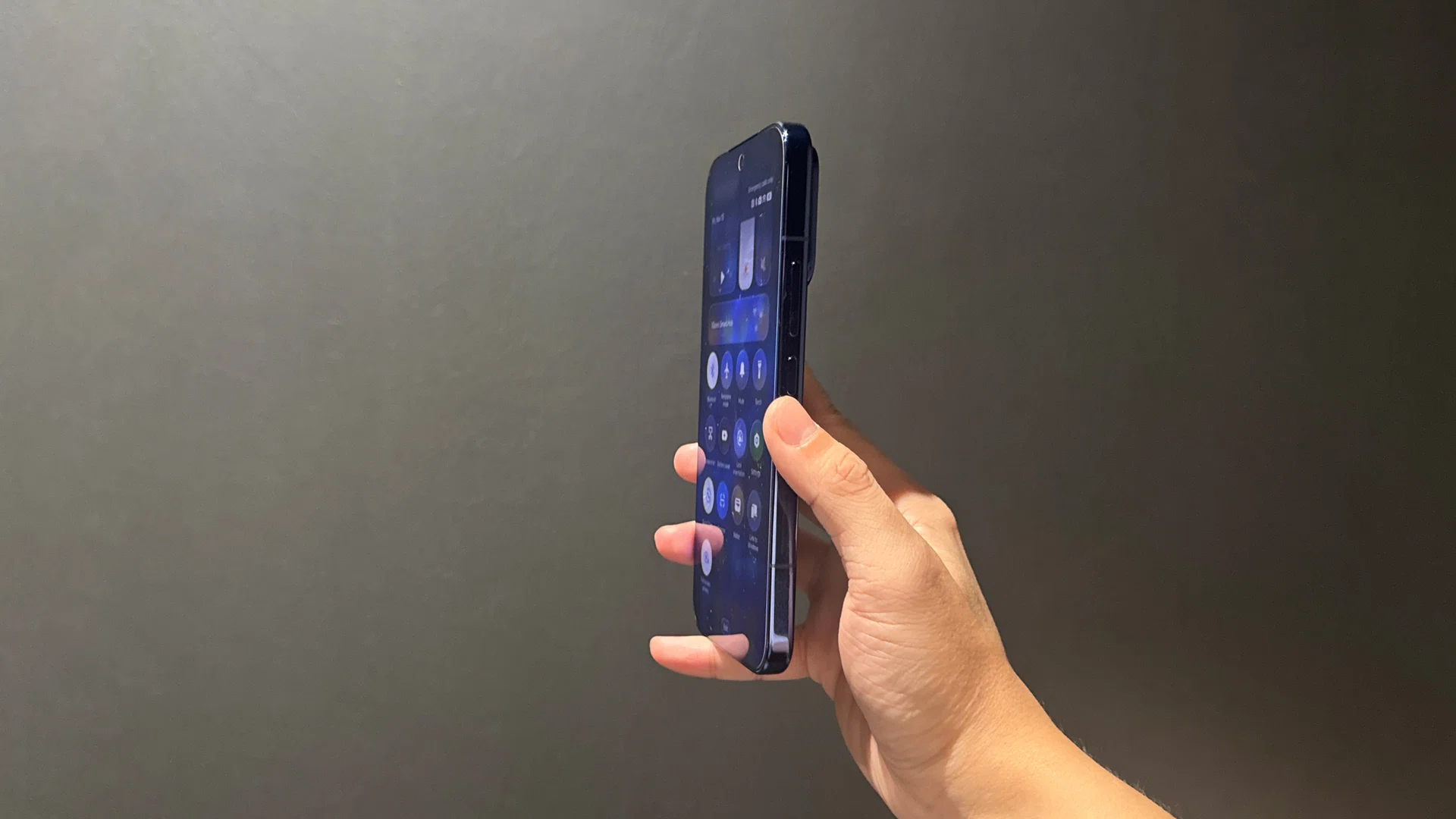
After activating full-screen Privacy Display, refer to the icon in the photo (lowest one)
Photo: HWZ
Our complaint is that Privacy Display could afford to be even more private. Unlike Samsung’s version, which had extremely restrictive viewing angles until it affected the browsing experience for some users, Xiaomi’s version still lets you see the app clearly when you’re standing off to the side. A motivated stalker can still make out what’s on your screen easily (e.g. is it a banking app or your Gallery app). So, it’s back to the drawing board for Xiaomi, as far as Privacy Display is concerned.
Another gripe is how difficult it is to find this feature in Settings. We dug around thinking that it sat within typical display settings menus for controlling brightness and frame rates. Instead, it’s hidden inside Settings > Security and privacy > Xiaomi Privacy Display. Frankly, after so many years of reviewing Xiaomi phones and having seen its previous MIUI and now HyperOS growing pains, these strange UI decisions hardly surprise us, but they might trip up new users.
Multi-functional Back Display
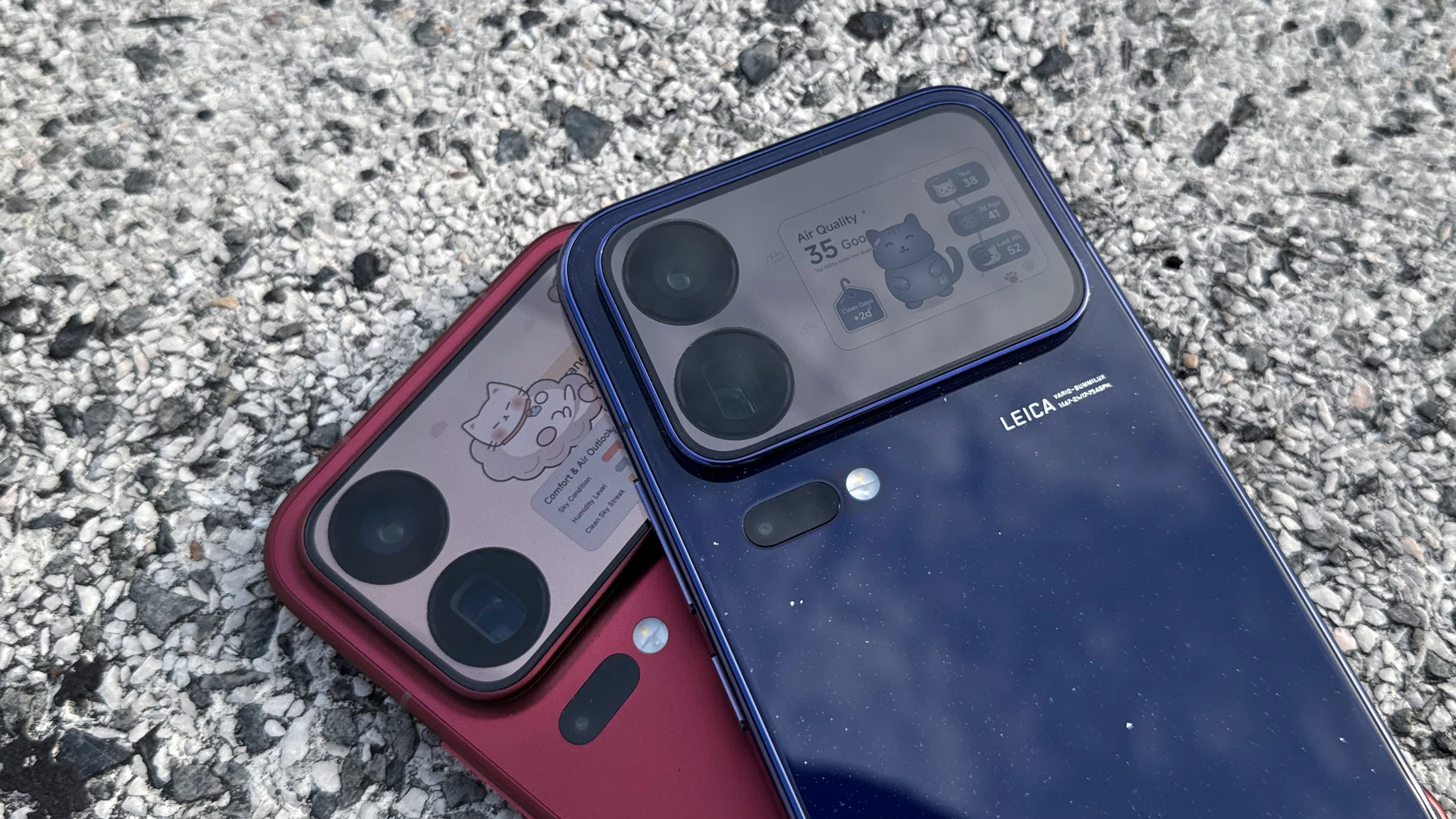
Back Display in action on Xiaomi 18 Pro Max
Photo: HWZ
Read Full Article At Source