GTA has built a reputation over the years as not just AAA gaming at its peak, but a new revolution for the medium upon each game’s launch.
So it struck me how after watching the Extended Look at GTA 6 back in August, there was considerable chatter in my social circles claiming it looked like an Xbox 360 game.
I don’t think these comments should be taken literally, given that the footage we’ve seen shows such tremendous graphical fidelity and detail that it would have been impossible on hardware from two generations ago. But there’s a kernel of truth when poring over each video snippet and trying to consider just what is meaningfully new or different to this time.
Perhaps the best way to do this is to actually look back over GTA’s history and consider the ways each installment did break new ground for the series, and whether there is still space for new foundations GTA 6 can lay, or merely build upon.
Grand Theft Auto 3: A new dimension
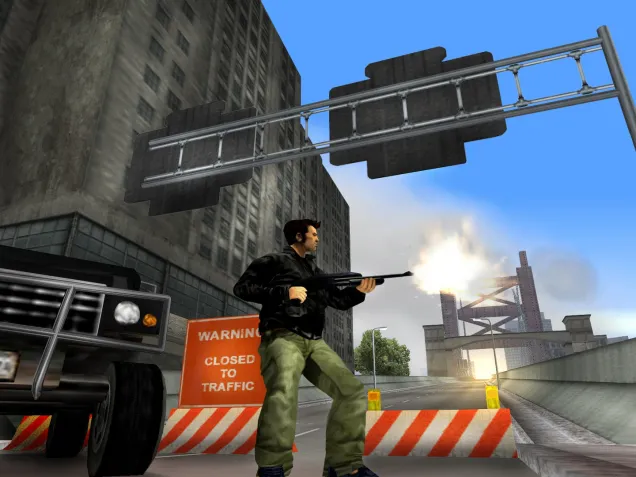
While the first GTA already garnered acclaim and controversy in equal measure for giving players the freedom to cause criminal anarchy, it was GTA 3’s change from the original’s top-down perspective to a full 3D open world that propelled it into blockbuster success. Some of that was also stoked by controversies over the many morally reprehensible acts the game allows you to do.

But beyond the tabloid headlines, GTA 3 set the standard for open-world games as we know it: You had the freedom to roam Liberty City on foot or by car, whether it was following silent protagonist Claude’s story of revenge against psychotic ex-girlfriend Catalina, going off the rails to unleash your own chaos to drive up your Wanted rating–knowing that even if you were wasted or busted by the cops, you’d soon be back on your feet ready to do it all over again –or just listening to NPC chatter or radio stations to soak up the atmosphere of this living, breathing city.


