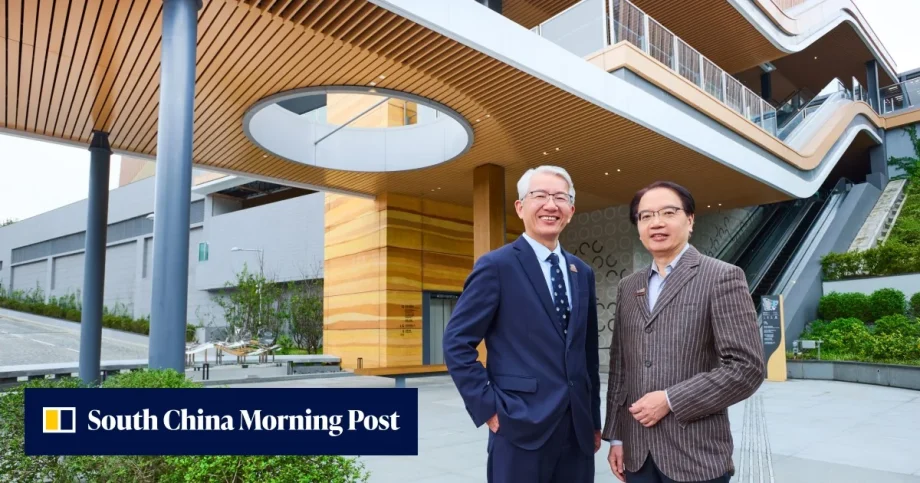
The opening of Hong Kong’s first predominantly Chinese medicine-led hospital last December is a milestone for the city’s healthcare system. The Chinese Medicine Hospital of Hong Kong (CMHHK), in addition to providing pure Chinese medicine services, represents the first time patients are able to receive treatment plans led by that system of healing – while also factoring in expertise from Western medical perspectives where appropriate.
By leveraging Hong Kong’s role as an international gateway to China, the hospital’s East-meets-West model sits at the centre of a broader ambition: to develop CMHHK as a Hong Kong model for integrated Chinese-Western medicine (ICWM) that focuses on treatment and clinical outcomes. It also facilitates the integration and proliferation of Chinese medicine across the region and globe, creating a replicable case study echoing the city’s Chinese Medicine Development Blueprint released last December. The blueprint was formulated under the leadership of the commissioner for Chinese Medicine Development Dr Vincent Chung Chi-ho and coordinated by the Health Bureau’s Chinese Medicine Unit. It outlines short-, medium- and long-term actions – comprising five main domains and various strategic goals. The blueprint is the government’s road map for delivering higher-quality, more comprehensive healthcare, at the same time positioning the city as a “bridgehead” in the global expansion of Chinese medicine, in line with China’s overall strategies for its development.
The hospital is translating these priorities into a core pillar of public health: “One of the roles of CMHHK is as a change driver,” says Dr Cheung Wai-lun, project director of the Chinese Medicine Hospital Project Office. “It aspires to develop new knowledge, new practices and new models, and transfer them to healthcare systems. We would like to establish collaborations that work best for patients and improve the healthcare system of Hong Kong.”
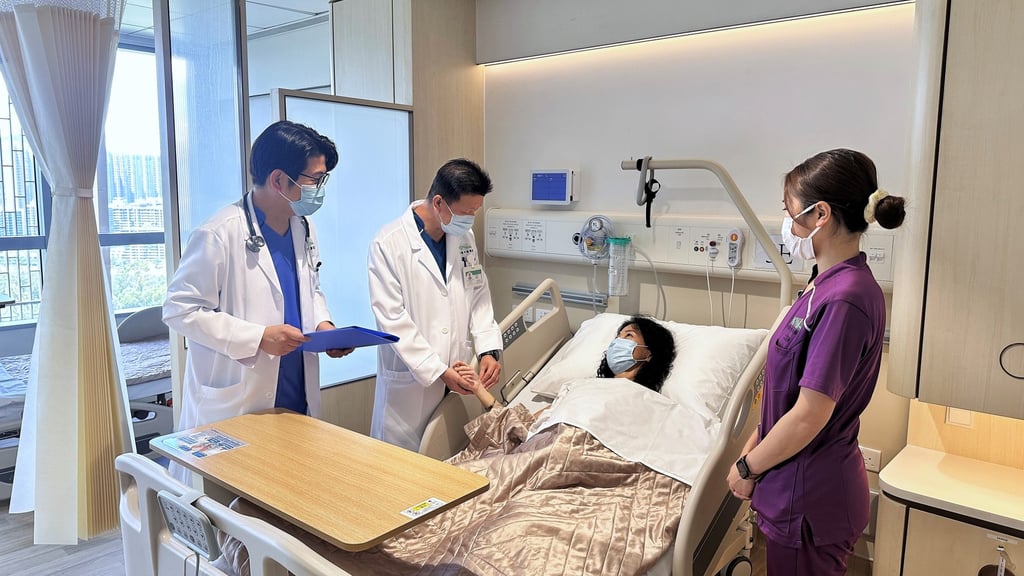
For decades, Chinese medicine and Western medicine practices in Hong Kong operated in silos, each with its own institutions, governing bodies, philosophies and clinical logic, posing challenges for both professionals and patients caused by deviations in the fundamental approaches of the two systems. “With years of this isolated practice, there was no platform to communicate, to collaborate or coordinate the practices for individual patients,” Cheung says. “Working together [now at CMHHK] means that in making diagnoses, doing assessments, planning care, delivering treatment and making evaluations, practitioners do so in an integrated manner.
“The professional language used in Western medicine and Chinese medicine has no common path; the two approaches usually create a communication challenge due to the significant philosophical distance between the two disciplines on understanding the human body and how it responds to illness,” Cheung adds. “But for integrated Chinese and Western medicine, we need not resolve this difference. What we should go for are the commonalities: these lie in the outcome of intervention and in how the intervention can improve health – or mitigate side effects.”
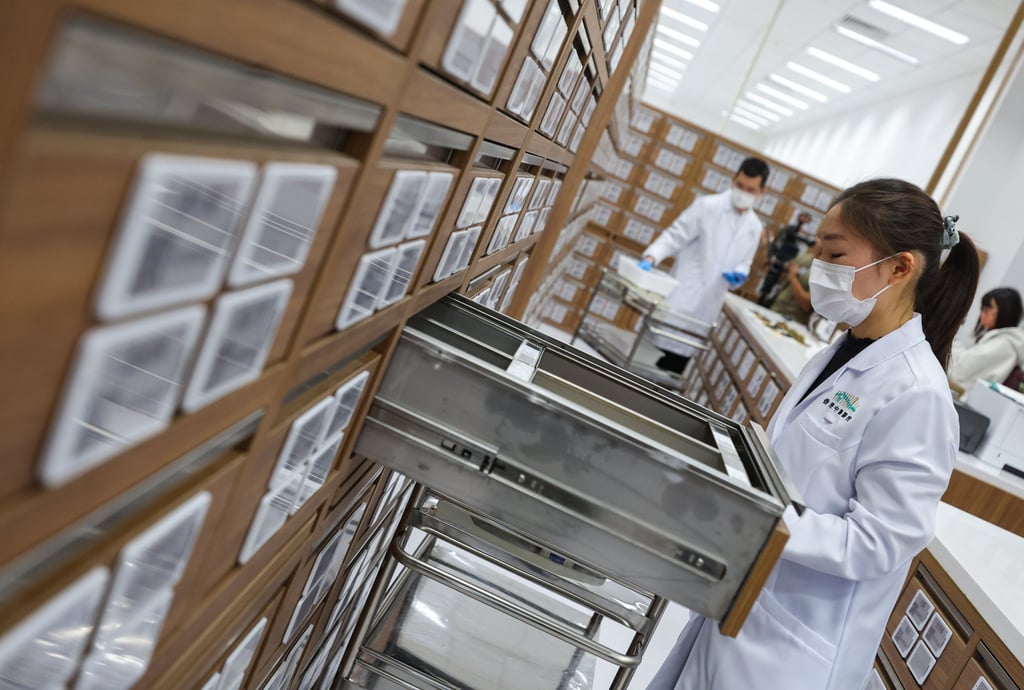
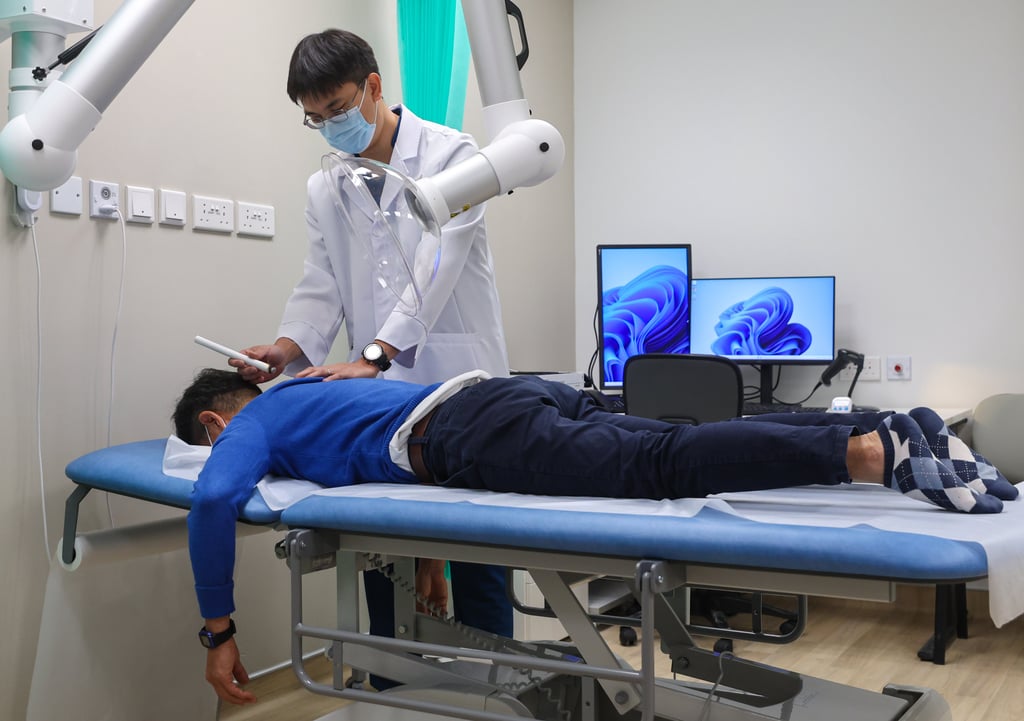
The new ICWM approach leverages the strengths and complementary approaches of both practices as it aims to improve health through increased functionality, relief of symptoms and pain, recovery and improved mobility and ability, with treatment delivered through multidisciplinary teams.
Read Full Article At Source