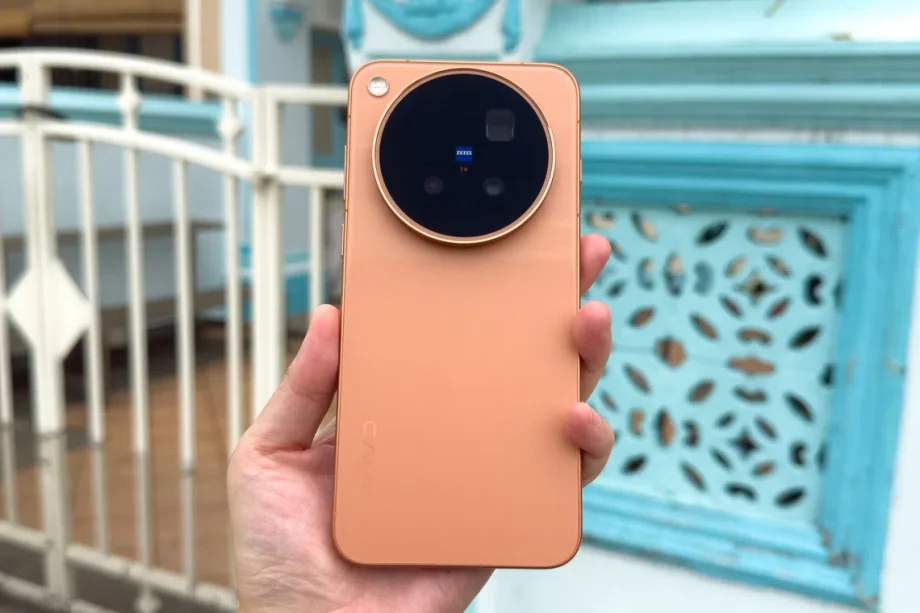
Vivo is continuing its flagship momentum in Singapore with the new X500 Pro Max (S$2,499 for 512GB), having finally launched them here after its initial China announcement at the end of September.
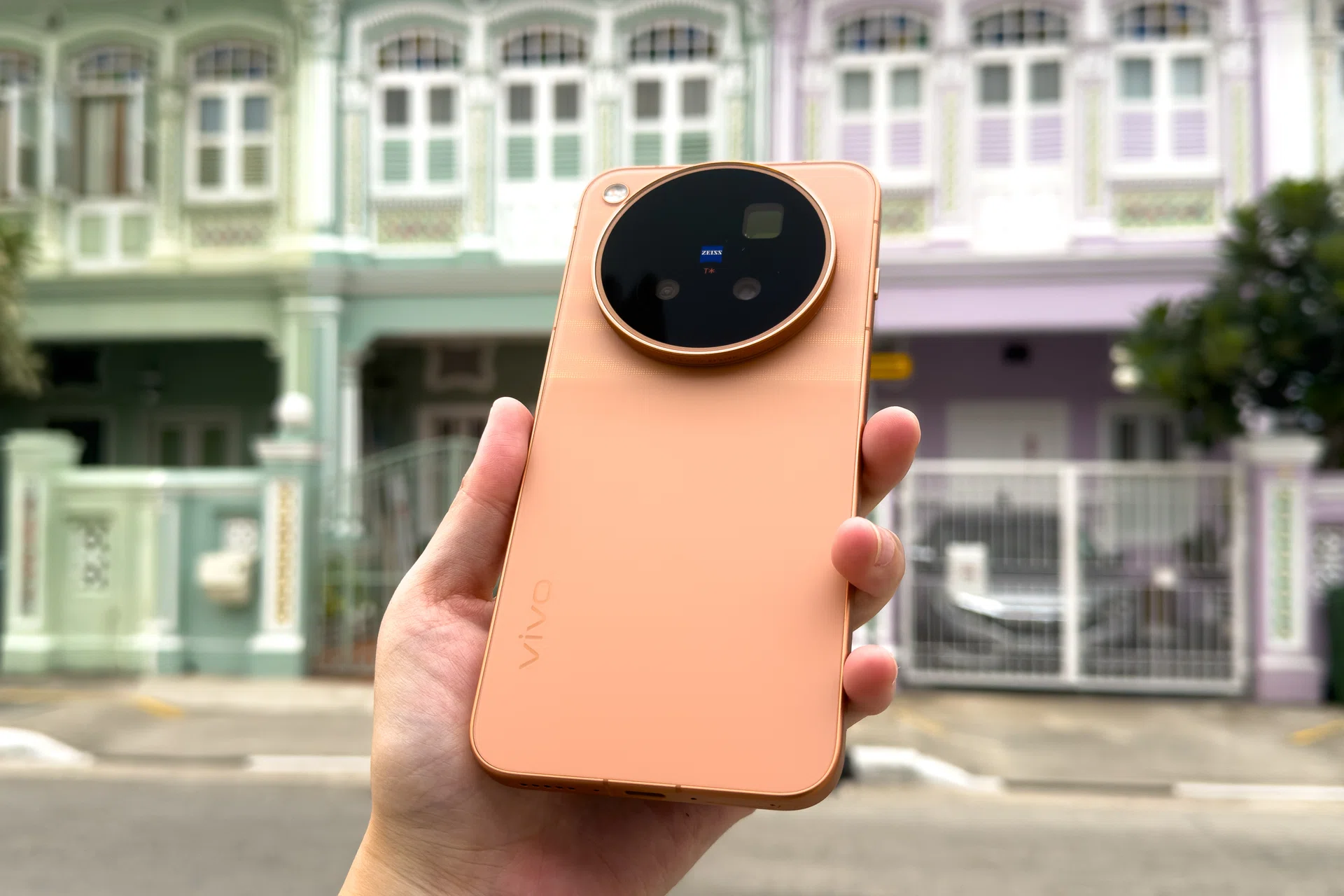
Not a Pro, but not quite an Ultra.
Photo: HWZ
There’s been a mild shake-up when you compare it to the X300, X300 Pro and the X300 Ultra lineup from last year. Since there’s no official statement on the Pro Max (and whether it’s a rebranded Ultra), we don’t quite have a predecessor to compare it to. However, we’ll still treat it as a premium, flagship-grade offering, given the sum of its parts.
To recap quickly, the X500 Pro Max comes equipped with MediaTek’s latest Dimensity 9600 Pro chipset, a large 6.85-inch display and a huge 7,800mAh BlueVolt battery.
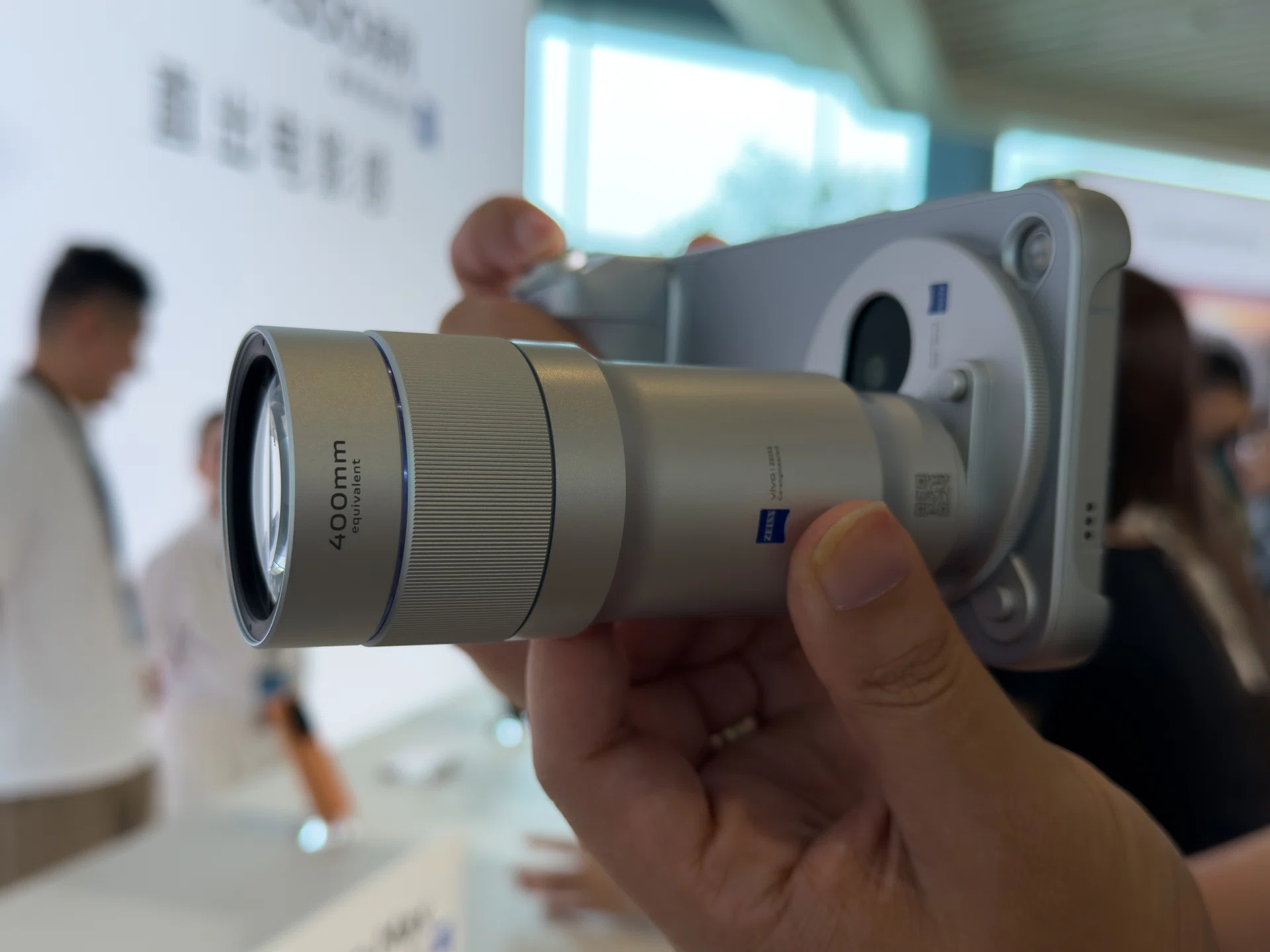
Equipped with the case and 400mm telephoto extender.
Photo: HWZ
The real star of this phone is Vivo’s collaboration with ZEISS on its cameras and the option to buy add-on telephoto extenders. As in our review of the X300 Ultra, we won’t score the phone based on these add-ons, but we will include their performance in the photography section below.
Pricing, however, seems like the biggest stumbling block for this smartphone. The Vivo X500 Pro Max comes in a single 12GB + 512GB configuration for the Singapore market, and it’s priced at a whopping S$2,499. That’s S$100 more than the 512GB iPhone 18 Pro Max (where Vivo likely got the phone’s name), and the same price as Vivo’s 1TB X300 Ultra last year.
Vivo might need to have performed miracles for the X500 Pro Max to be worth this much, especially at the price it commands. Let’s see if the phone makes it easy to part with your money.
Gorgeous screen, 144Hz refresh rate
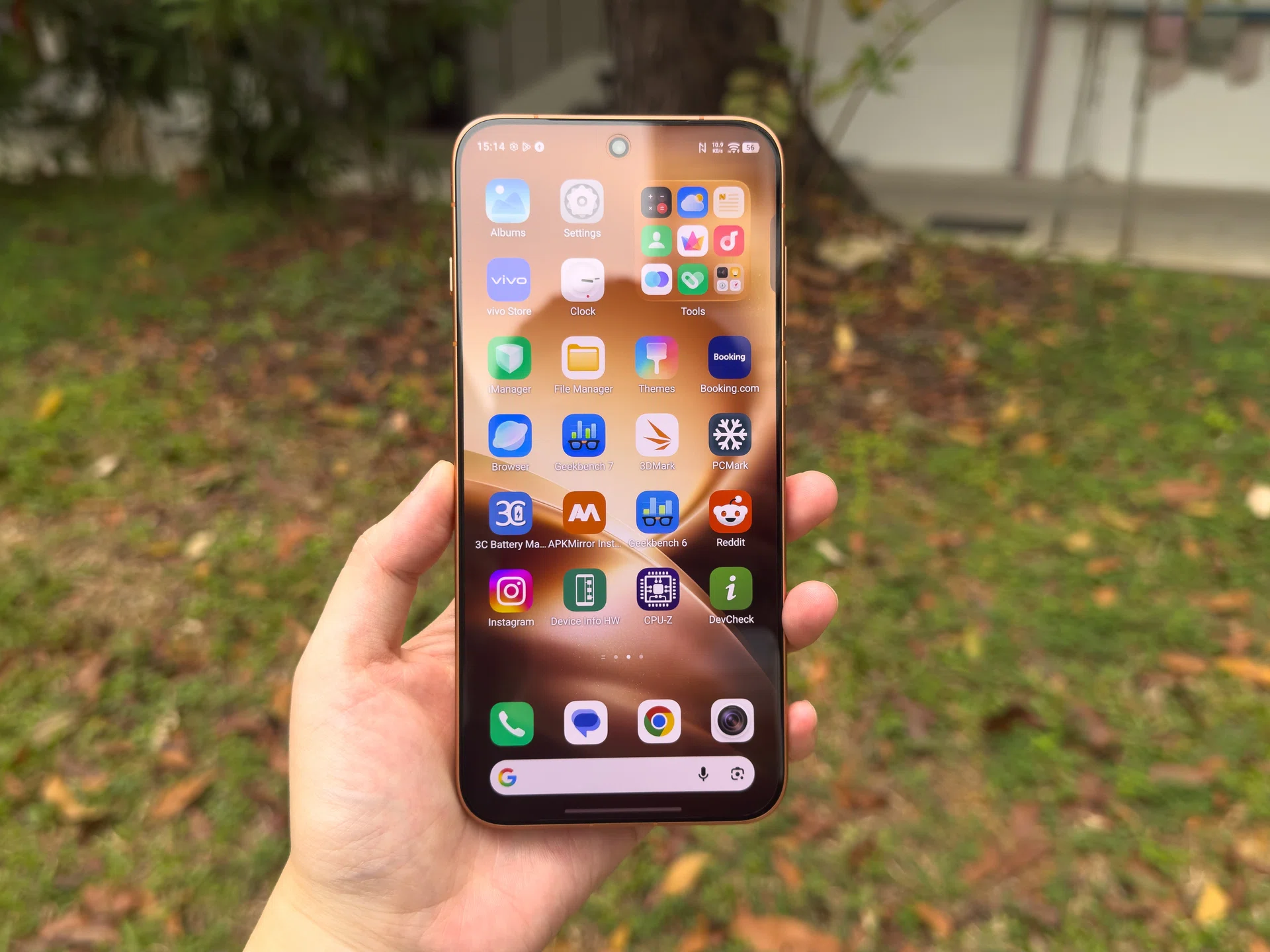
Screen is large and displays colours accurately.
Photo: HWZ
We’re off to a good start with the display. This 6.85-inch screen is larger than X300 Ultra’s, with the same 3,168 x 1,440-pixel resolution and a 1-1144Hz adaptive refresh rate. It features the same 2K Zeiss Master Colour Display tuning, delivering accurate-looking colours.
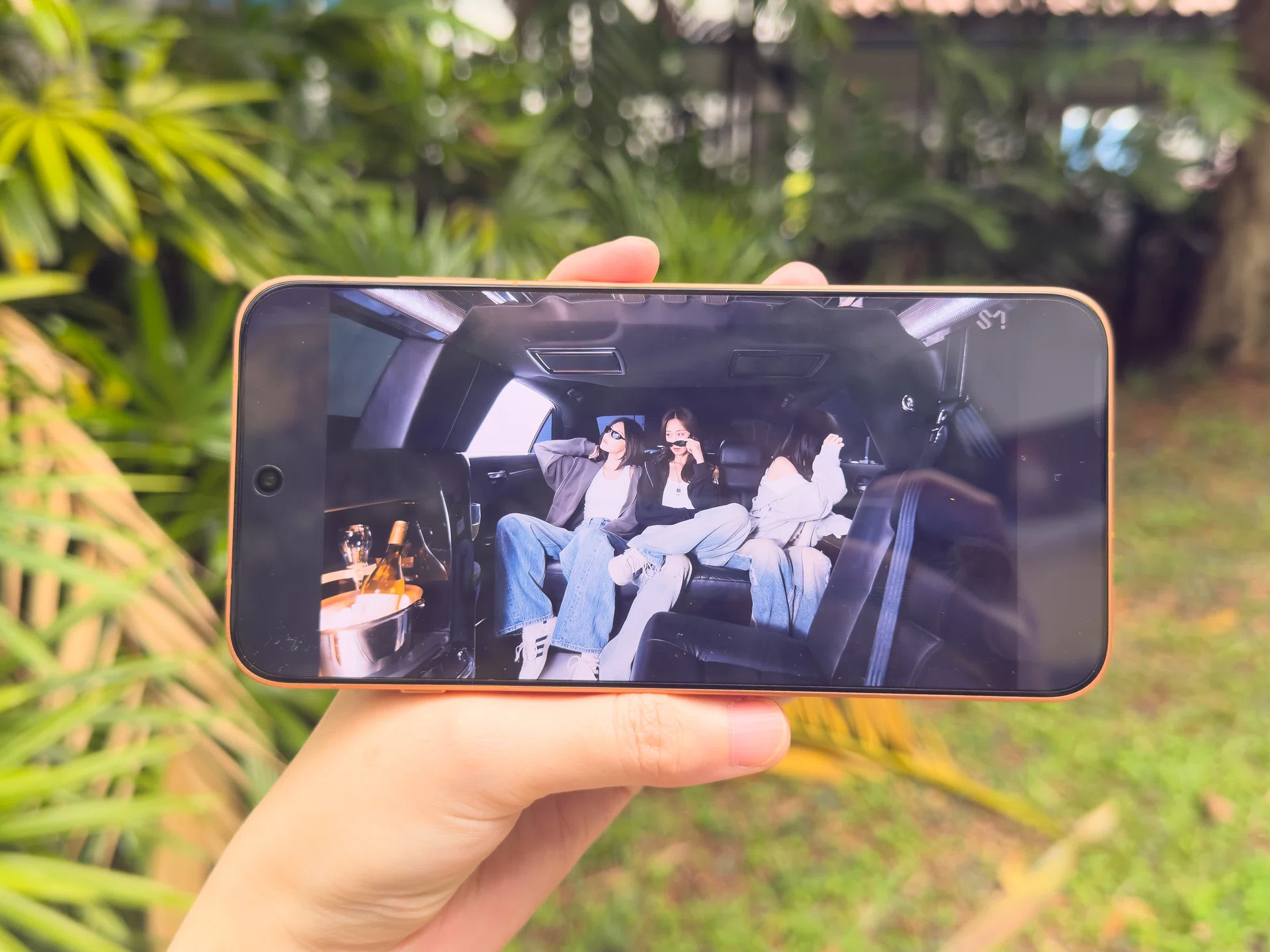
Could be a bit brighter, though.
Photo: HWZ
4,500-nits of peak brightness isn’t too shabby, but we know that’s not in use under direct sunlight since we found it wanting for visiblity in these bright conditions.
The 1-144Hz adaptive refresh rate works, but it depends heavily on the individual apps and whether they support it. Unfortunately, most apps support only 60, 90, or 120FPS. However, you can feel the high refresh rate when you’re navigating menus or the home screen.
Hurray for OriginOS 7
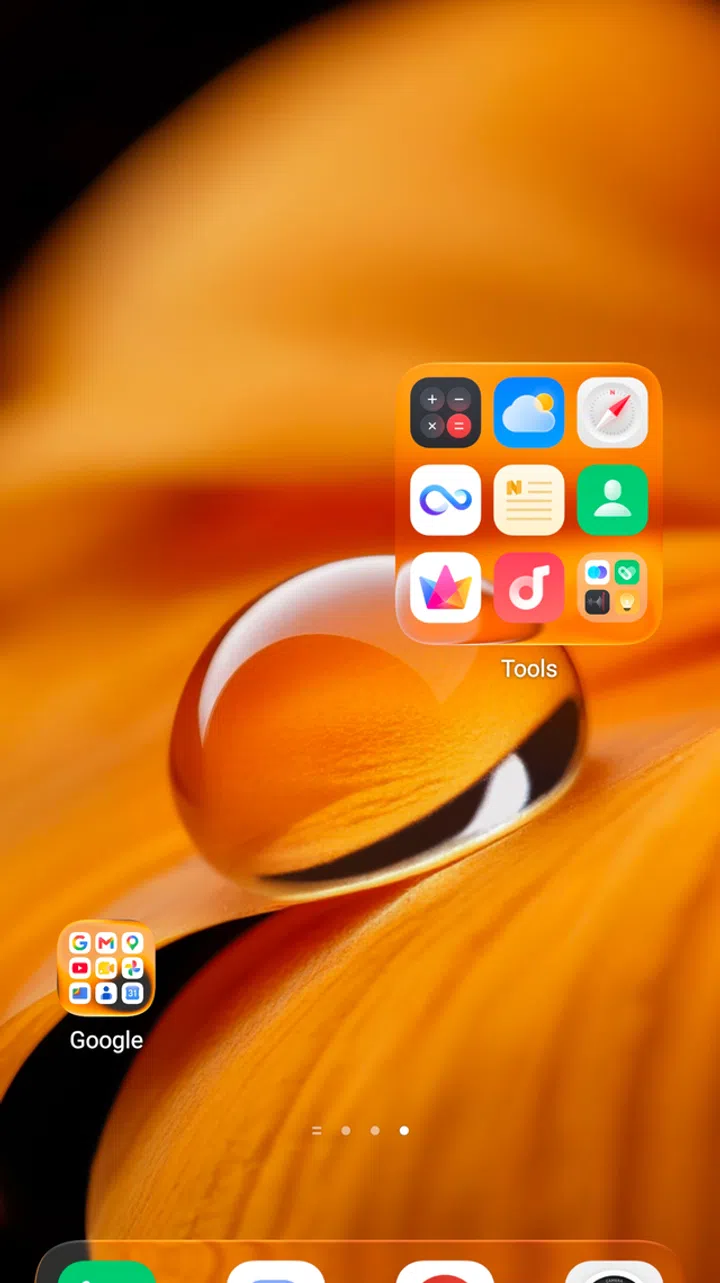

Android-based OriginOS 7 builds on the foundation of OriginOS 6, with improvements. Animations are now much smoother, with more Control Centre customisation and a new liquid-glass UI design.
For the multitaskers among us, Origin Workbench is finally on a bar-type phone. We felt it was a very smart implementation on the X Fold5 when it launched, and being able to switch between five apps with a single tap is fantastic for people who need it.
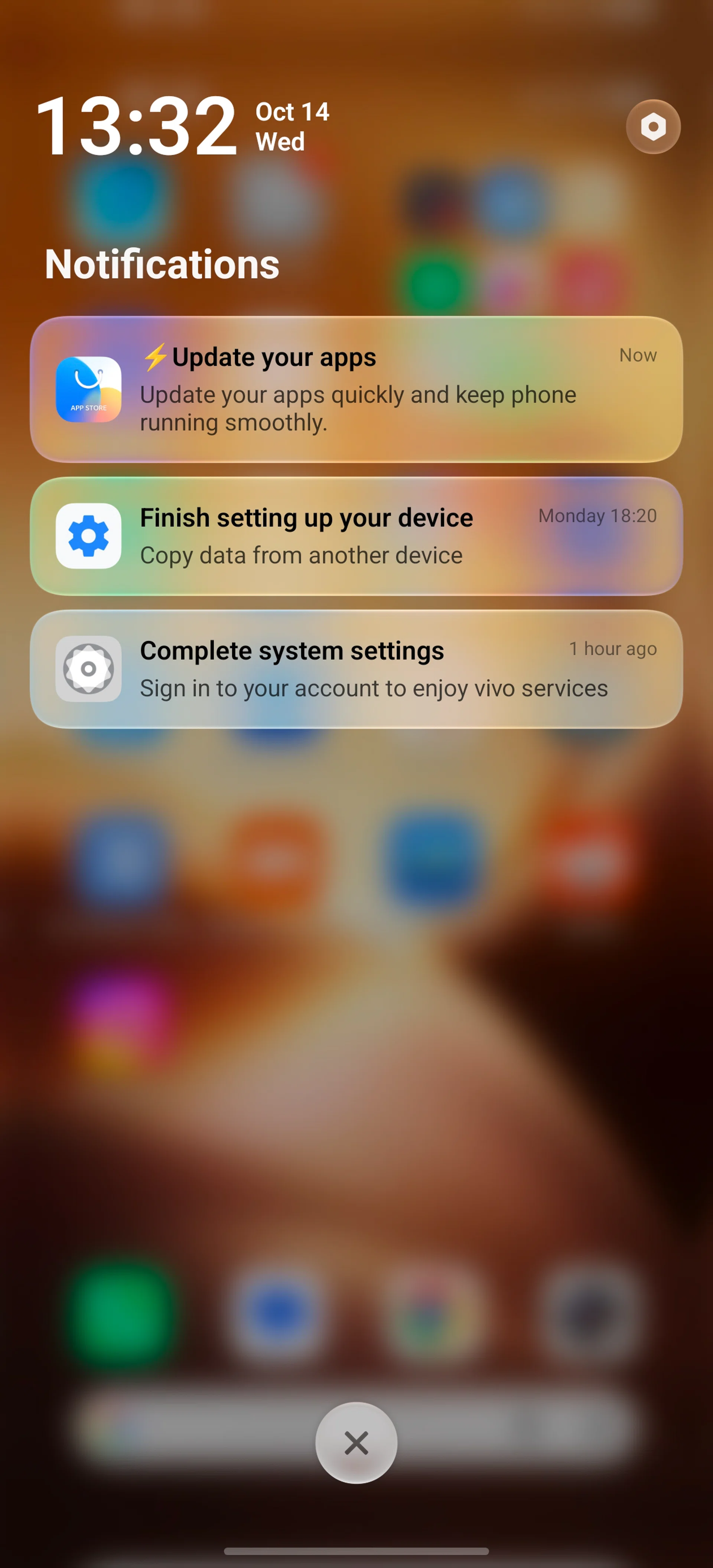
No advertisements for third party ads, so far at least.
Image: HWZ
More importantly, our main critique with OriginOS 6 is now (seemingly) gone. The incessant advertising notifications and pre-installed bloatware all seem to be gone now, in favour of an extremely clean, minimalist experience.
It’s fantastic that Vivo has taken this feedback seriously, because the X500 Pro Max now feels like a proper flagship device instead of a midrange phone that needs to make extra money through promoting third party apps.
Imaging performance
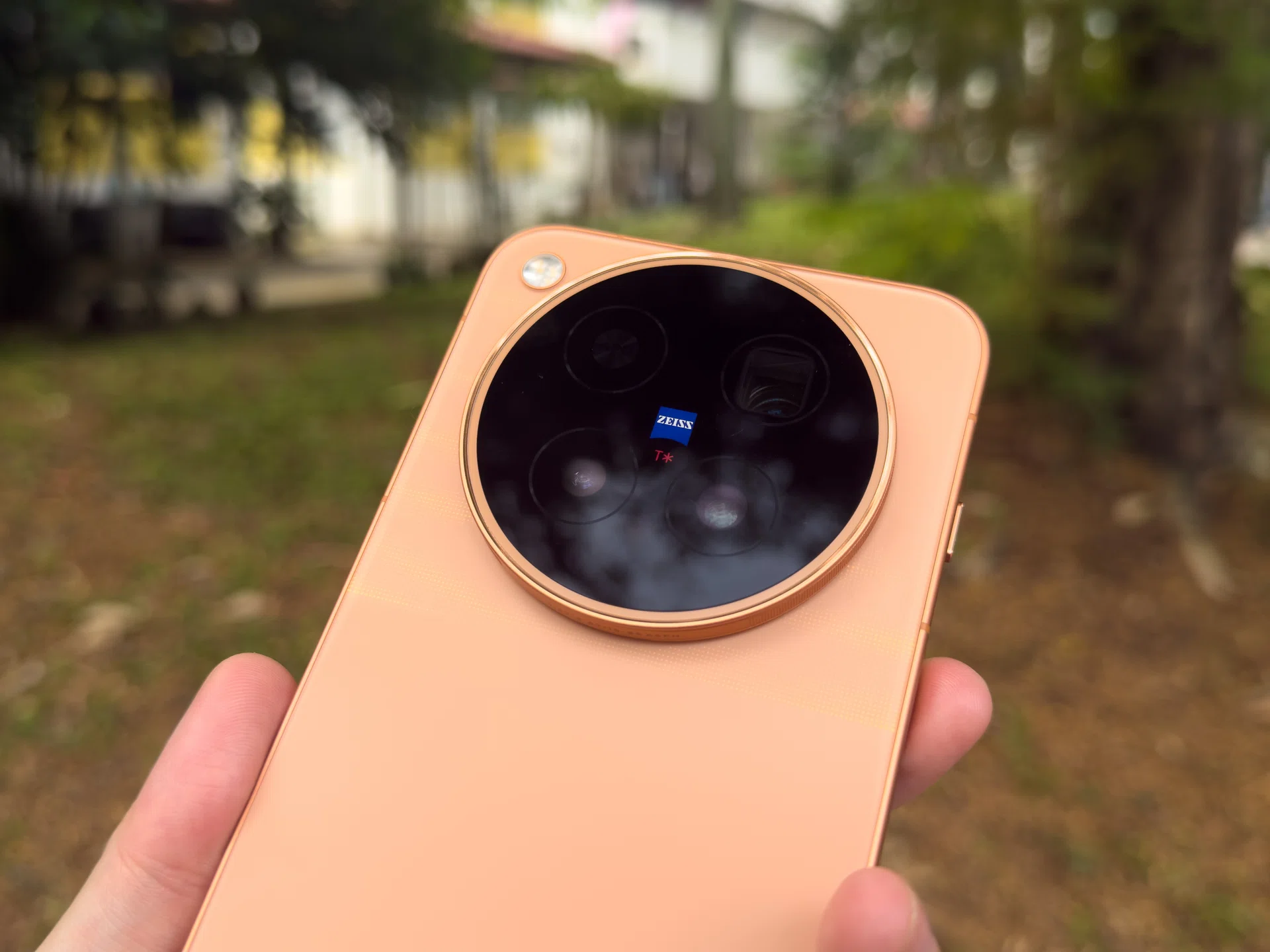
The camera bump is a flush island, which is useful to prevent too much rocking on a flat surface.
Photo: HWZ
The Vivo X500 Pro Max has a powerful triple rear camera array:
- 50MP main, f/1.57 aperture, 1/1.28” Sony LYTIA L910 sensor, PDAF, OIS
- 50MP ultrawide, f/2.0 aperture, 1/2.75” Samsung JN5 sensor, FOV 119 ̊
- 200MP telephoto, f/2.67 aperture, 1/1.4” Samsung HP0 sensor, 3.5x optical zoom, CIPA 7.0 stabilisation, OIS
We’ve mostly covered what you need to know about the phone’s photo capabilities here, and we recommend taking a look at that article first.
Our additional two weeks of testing mainly reinforces what we already know; the phone takes excellent photos, with great detail even when zooming in.
If you want extra zoom, there’s the Photographer’s Kit, which comes with a case, the 200mm and 400mm telephoto extenders, and a battery grip.
Each component can be purchased separately as well, and if your budget is tight, we recommend opting for just the 400mm extender as well as the case and grip, since the extended focal length makes more of a difference. The image quality is also slightly better at further focal lengths, which can be seen if you compare the 1600mm images between the 200mm and 400mm extenders.
Benchmark performance
The details on how we benchmark Android phones can be found here.
The Vivo X500 Pro Max is equipped with the newest MediaTek Dimensity 9600 Pro processor, which will also be found in the upcoming OPPO Find X10 Pro Max (stay tuned for that review). We will be pitting the X500 Pro Max against other flagship competitors that are either in the same price bracket or in the same “Pro Max” segment.
Both Geekbench 7.0 and the updated Work 3.1 / Storage 2.1 benchmarks from PCMark for Android are new. Their scores are not compatible with older versions. We’re transitioning to the newer tools by building our bank of benchmark scores with future phone reviews. Until then, we’ll feature old scores in their old charts, where possible.
Battery Life
Our battery benchmark uses PCMark for Android’s Work 3.0 Battery Life, with results shown in minutes. This controlled benchmark simulates real-world usage, such as web and social media browsing, video and photo editing, parsing data with various file formats, writing, and more. The test starts at 100% and ends with 20% left on the device.
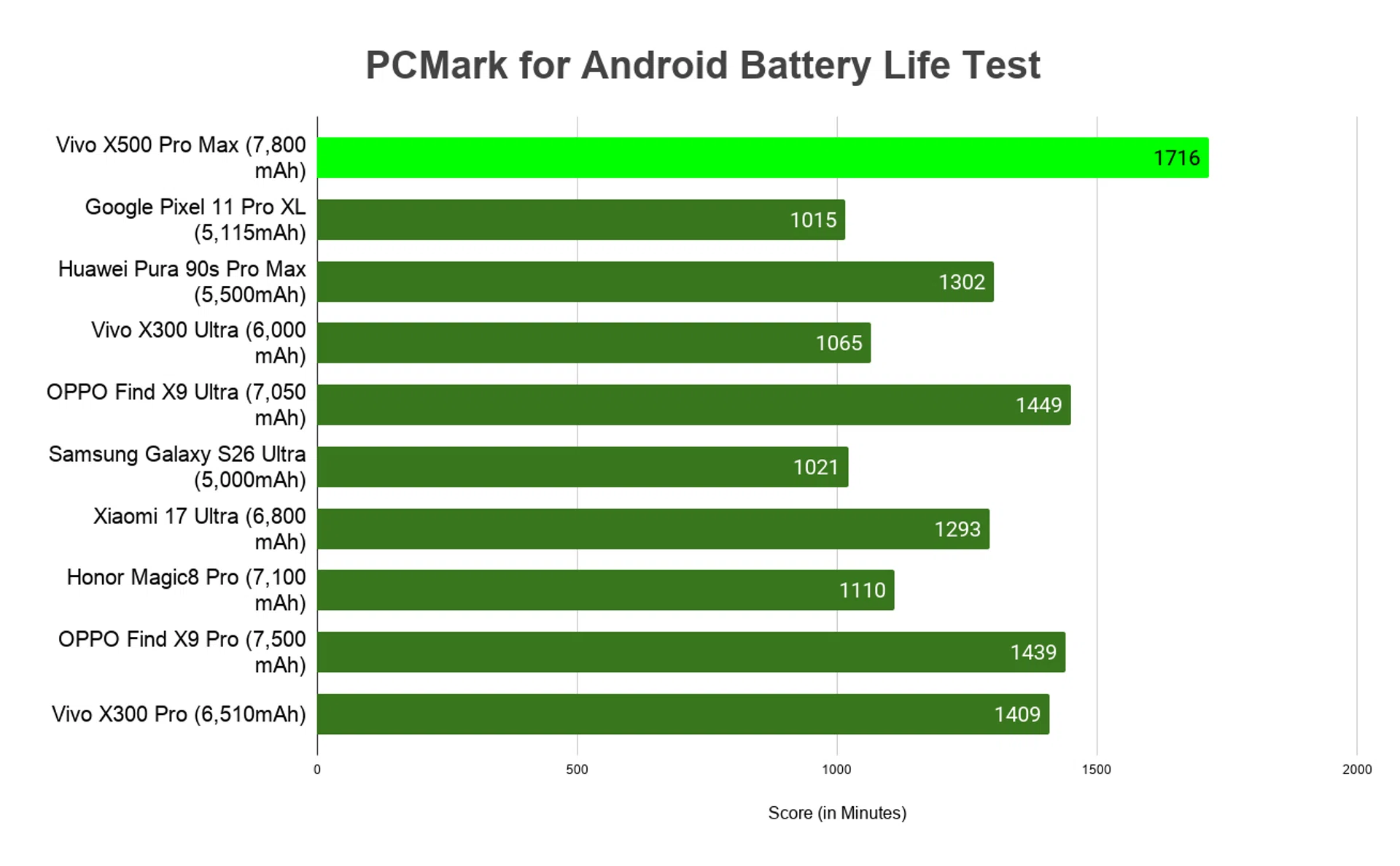
Battery life test in minutes.
Photo: HWZ
Recent phones have been pushing the limits of the PCMark battery life benchmark recently, and the Vivo X500 Pro Max is no exception. We were surprised a year ago when phones started hitting over 1,200 minutes of uptime, and now the X500 Pro Max has surprised us even further with over 1,700 minutes. This is, undoubtedly, thanks to both the large 7,800mAh battery inside as well as software optimisations.
In real-world use, we were able to get almost two whole days of use out of the phone, as long as we didn’t spend too much time gaming on it. When left to idle, a single day only used up 6% of battery, which is excellent.
The 90W wired charging also provides more than enough juice, with a 0-50% charge in 45 minutes and a full charge from 0% taking 93 minutes. While it sounds long, we have to bear in mind that the battery capacity of this phone is quite a bit larger than the typical 6,000mAh sizes. Therefore, charging times will also be slightly longer.
Conclusion
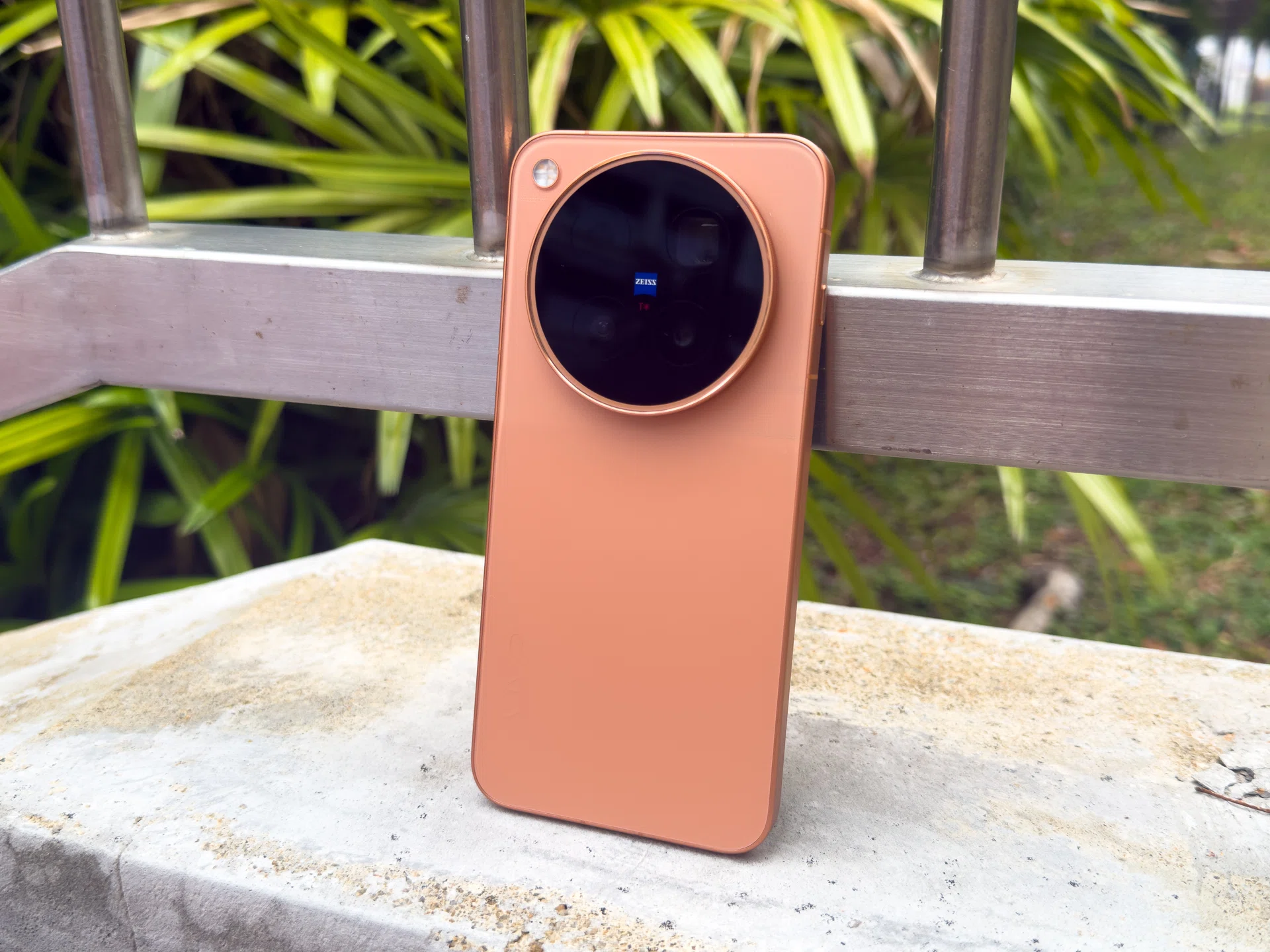
Vivo has clearly listened to feedback from the previous generation.
Photo: HWZ
The Vivo X500 Pro Max seems to fix a lot of the problems we had with the X300 Ultra and the X300 Pro. Not only is the battery life now superb, but the bloatware and ad problems are also seemingly gone now.
The cameras still perform very well, and the teleconverter kit offers additional versatility (albeit at a cost).
It’s really unfortunate that the phone comes with an insane official price tag. As mentioned, the previous X300 Ultra was S$2,499 for 1TB of storage. Undoubtedly, the global shortage of chips and memory has not been kind to brands that launch new consumer products every year.
But not all the blame lies with shortage uncertainty. Vivo had plenty of lead time between its announcement and launch, both clearly timed to compete against the Apple iPhone 18 Pro Max (S$2,399 for 512GB). As a result, it had considerable room to adjust and position itself more competitively, especially as the first 2027 Android phone to hit the market. It’s also significantly more expensive than the Chinese variants, since those don’t break past the S$2,000 mark even with 1TB of storage.
Pre-hike launches further exacerbate this if your buying choices include the Xiaomi 17 Ultra (S$1,799 for 512GB), the OPPO Find X9 Ultra (S$2,199 for 512GB), or the Samsung Galaxy S26 Ultra (S$2,328 for 512GB). These are all sensible alternatives because they have sufficient firmware and security support, and don’t fall far behind in CPU, GPU, or camera performance.
We think Vivo’s outsized starting price partly absorbs its tantalising pre-order promotions. Pre-order perks include a straight S$200 discount, a free 200mm telephoto extender and case, 2 years of international warranty coverage and three months of screen protection coverage. It also includes a Jay Chou exclusive gift box to tie in with his role as Vivo’s Image Ambassador, though it is an in-store exclusive.
Vivo made a practical, pleasant, premium device with the X500 Pro Max. But it’s going to be a tough year ahead if prices stay high, especially if your current phone only needs a fresh set of batteries to tide you over a little longer.
Pricing and availability
The Vivo X500 Pro Max will be available in Singapore starting from 31 October 2026 onwards, in a single 12GB RAM + 512GB storage configuration that retails at S$2,499.
Preorders will run from 20 to 30 October 2026, via Vivo Experience Stores, Shopee, Lazada, TikTok Shop and other authorised retailers like Challenger, Best Denki, Courts, Harvey Norman, and Gain City.
Singtel’s preorder will run from 23 to 30 October 2026.
The list of preorder benefits are listed below.
| Preorder benefits | Worth |
|---|---|
| Preorder discount | S$200 |
| 200mm Telephoto Extender + Case | S$399 |
| 2-year International Warranty Coverage | S$129 |
| 3-month Screen Protection Coverage | S$199 |
| (Online exclusive) 3-month Google AI Pro subscription with 5TB of cloud storage | S$87 |
| (In-store exclusive) Jay Chou Gift Box | S$69 |
| (In-store exclusive) 0% interest instalments when paying with DBS/POSB credit or debit cards | – |
Read Full Article At Source