Hong Kong’s Asia+ Festival, the annual celebration of the cultural diversity of the region, particularly those countries linked by the Belt and Road Initiative – China’s plan to develop a global trading network – is back for its fourth edition under the theme “Traditions Recast”.
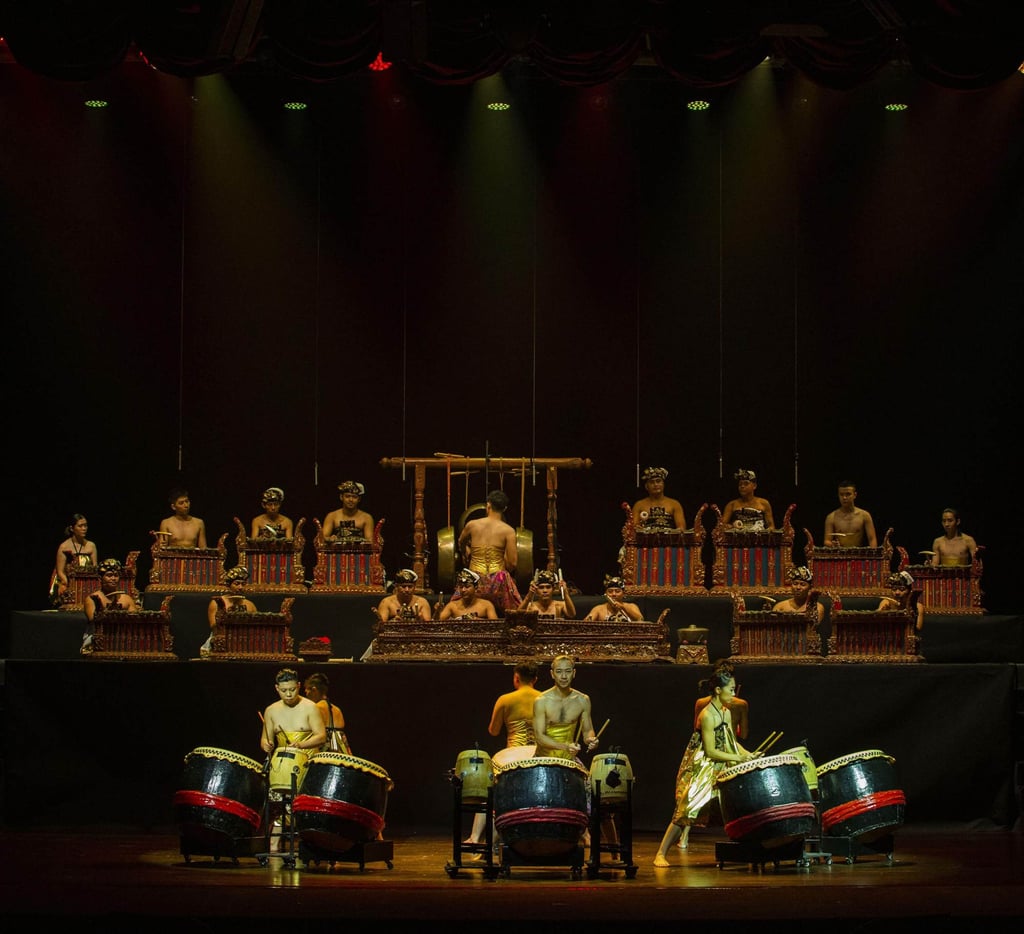
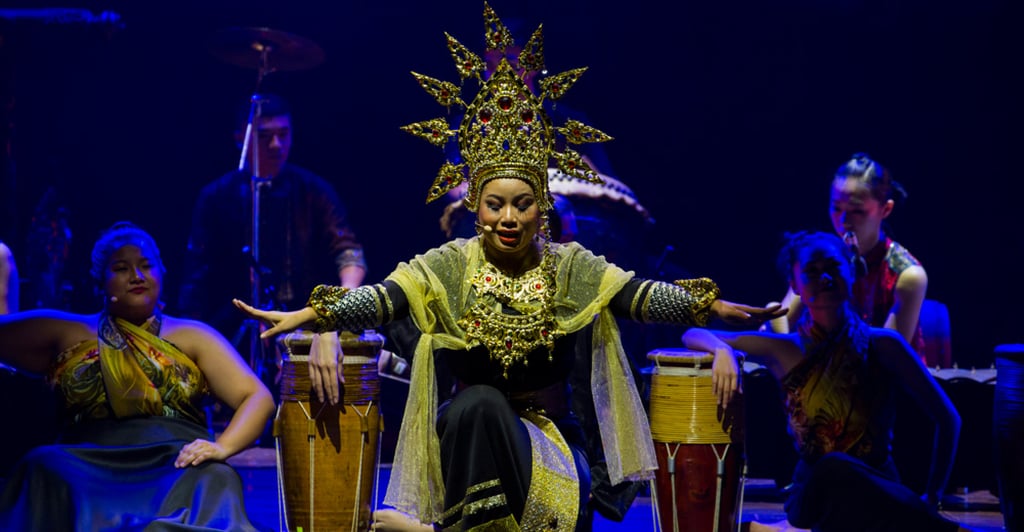
Two headline shows at this year’s festival – organised by the Leisure and Cultural Services Department – which runs until the end of November, perfectly capture that spirit by fusing ancient music with visual art and choreography respectively.
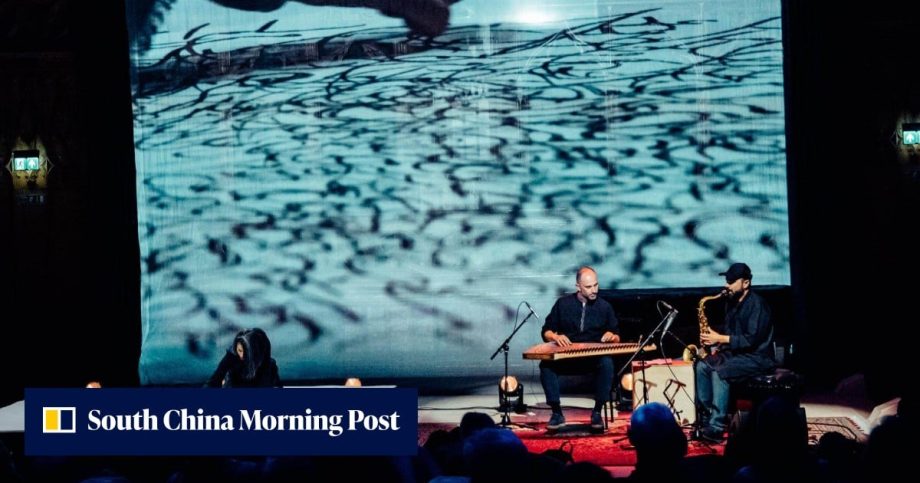
One of the performances, Canvas of Sound, combining real-time calligraphy and improvised music, will make its Asian premiere on stage at Sai Wan Ho Civic Centre on October 23 and 24. It was commissioned by the Aga Khan Music Programme, an interregional music and arts education initiative founded in 2000, which is headquartered in Geneva, Switzerland.
Audiences can expect a meditative experience, featuring an artistic, intellectual and emotional dialogue between Pakistani-born Canadian visual artist Tazeen Qayyum and two Syrian-born musicians, Feras Charestan, on the qanun zither, and Basel Rajoub, on the duclar – a reed instrument – saxophone and percussion.
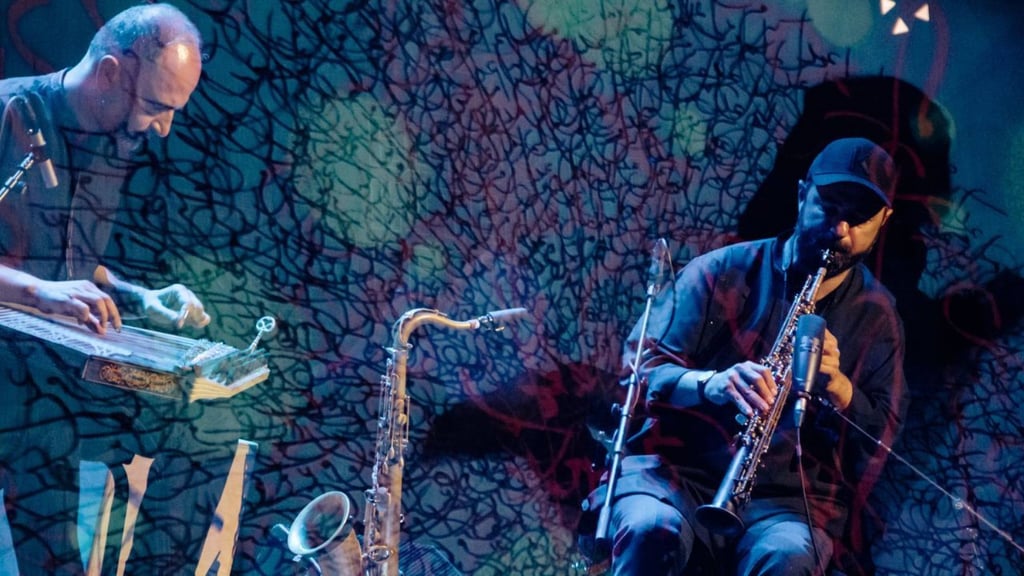
As the crisp notes of the qanun and the sultry melody of the duclar fill the air, Qayyum takes up brush and ink to turn the sounds into physical choreography. Her body moves deliberately across a massive onstage canvas, while producing calligraphic strokes of Arabic, Persian and Urdu scripts in response to the musicians’ improvisations.
For each show, instead of traditional rehearsals, Qayyum says she meditates before going on stage “to ground my focus and enter a state of calm”. She describes the resulting work as existing “somewhere between gestural abstraction and calligraphy”.
However, the music is based on predetermined core pieces centred around the system of melodic Arabic modes. “Although the performance is unscripted, it is not without structure,” Charestan says. “We have a shared musical language that gives us the freedom to be spontaneous, while still creating a coherent musical journey.”
Rajoub agrees. “We prepare by knowing the music, listening to each other and being ready to react to whatever happens on stage,” he says. “The spontaneity comes from that interaction between all of us.”
Read Full Article At Source