Microsoft revamps Copilot as an AI platform

Microsoft revamps Copilot as an AI platform


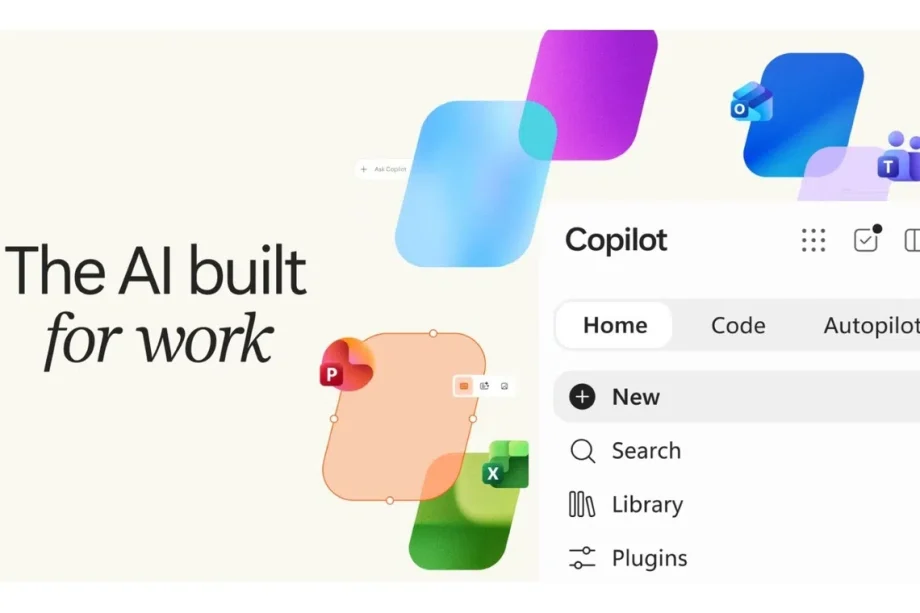
In a blog post, Microsoft has announced changes to Copilot that the company says will “connect the tools people rely on with the next generation of capabilities they’ll need to build, customise, and scale AI across work”. 

What the revamped Copilot looks like
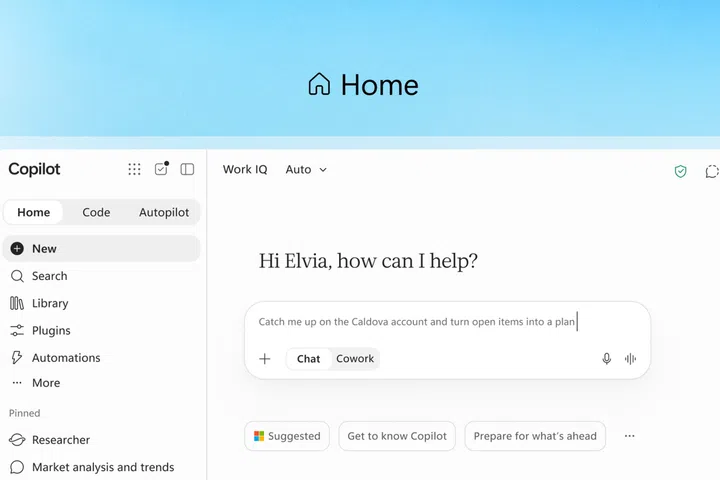
The revamped Home tab.

What the new Home tab looks like.

Image: Microsoft

The Copilot app has now been rebuilt around three new capabilities. These are:

  • Home: This functions like a dashboard, so when you open Copilot, you’ll see what you were doing, recommendations based on this as to what to do next, and suggestions on what Copilot can help with. You still get access to your Office apps and can issue commands to them via Home.  
  • Code: Powered by the same underlying technology as GitHub Copilot, Code runs in a sandboxed environment and can create small tasks through natural language requests. “Describe an app, tracker, dashboard, automation or workflow in natural language, and Copilot chooses an approach and builds it,”  it says in the blog post.
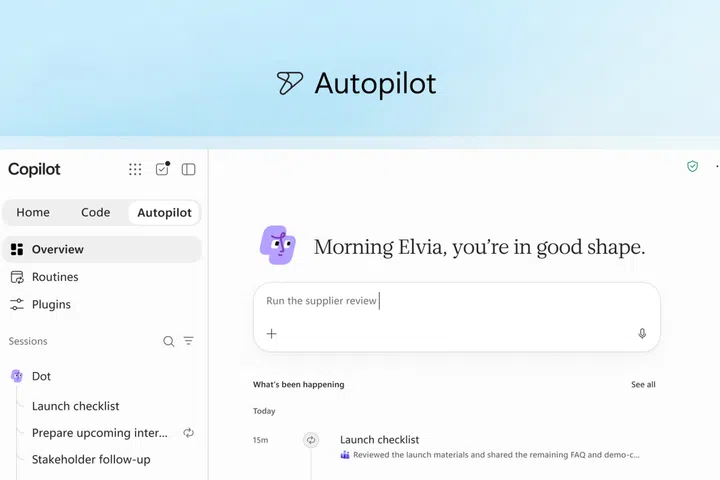
  • Autopilot: This is where your AI Agents are. Previously called Scout, it is able to perform tasks and work for you. Create a goal, give it a name and role, and it will go to work whether it’s scheduling a meeting, reviewing plans or performance, and even doing follow-up on its own. 

How they built it around Microsoft IQ
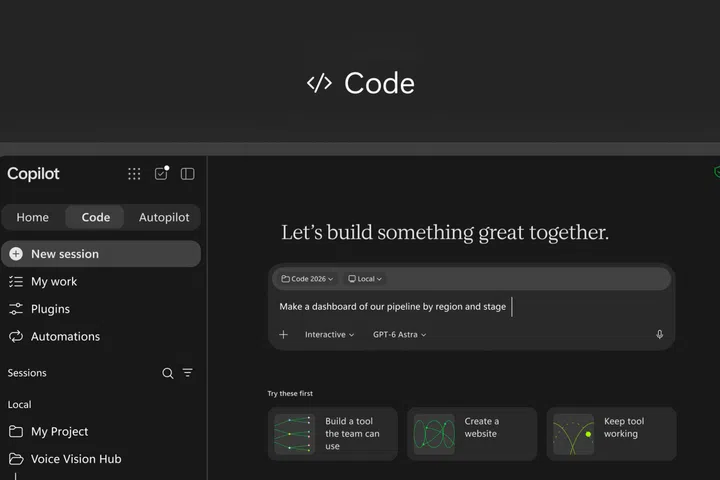
Code is built on GitHub Copilot.

Coding is now even easier.

Copilot is built around Microsoft IQ, a platform Microsoft designed for business AI, made up of four parts that cover:

  • Work IQ: Delivers workplace intelligence, data, context, and tools, designed for the unique needs of agents.
  • Fabric IQ: Provides a shared semantic foundation of your business, aligning data, entities, and rules so agents reason consistently and drive accurate, context-aware decisions.
  • Foundry IQ: Transforms fragmented data into governed, reusable knowledge, connecting agents to the right data, systems, and context to act effectively.
  • Web IQ: Delivers fresh, real-world intelligence from across the web, including web pages, news, images, and videos.

Working together, Microsoft IQ connects data and workflows with context. For example, if a salesperson is working on a proposal, Copilot can incorporate data like deal history and support tickets right into the document, with no app-switching or distracting lookups required.

Pricing and availability

Your AI Agents are here.

Automation is still a big part of the new Copilot.

Image: Microsoft

Microsoft’s latest Copilot shift is a move away from being an AI chatbot to an AI platform. With Home, Code and Autopilot, Copilot is designed not only to answer questions and generate content, but also to build apps, work across business data and applications, and execute multi-step tasks with greater freedom. Copilot aims to make AI agents a more integrated part of everyday work rather than simply another productivity tool.

How much this new version of Copilot will cost isn’t yet clear. According to Microsoft, “As AI capabilities and the ways people use them continue to evolve, we’re evolving Copilot pricing alongside them”. 

What we do know is that Microsoft is moving Copilot toward a hybrid pricing model:

  • Everyday AI use remains included in the normal Copilot subscription, essentially a fixed per-user, per-month cost. 
  • More advanced/agentic AI will use consumption-based billing, paid for with Copilot Credits.

The reason is that advanced AI tasks can require substantially more compute, particularly when using frontier models or performing longer, multi-step tasks. We haven’t revealed how much this is, but we will let you know when we have more information. 

This shift seems to signal a move toward whoever can build the most useful ecosystem around its AI model. The accompanying move toward usage-based pricing also reflects this shift. Organisations may increasingly manage AI not just as a software licence, but as a consumable digital workforce, with attention to agent usage, costs, permissions, security and governance.


Read Full Article At Source

Share. Save. Don't Miss The Buzz: XFacebookRedditLINETelegramWhatsAppGmail

Leave a Reply