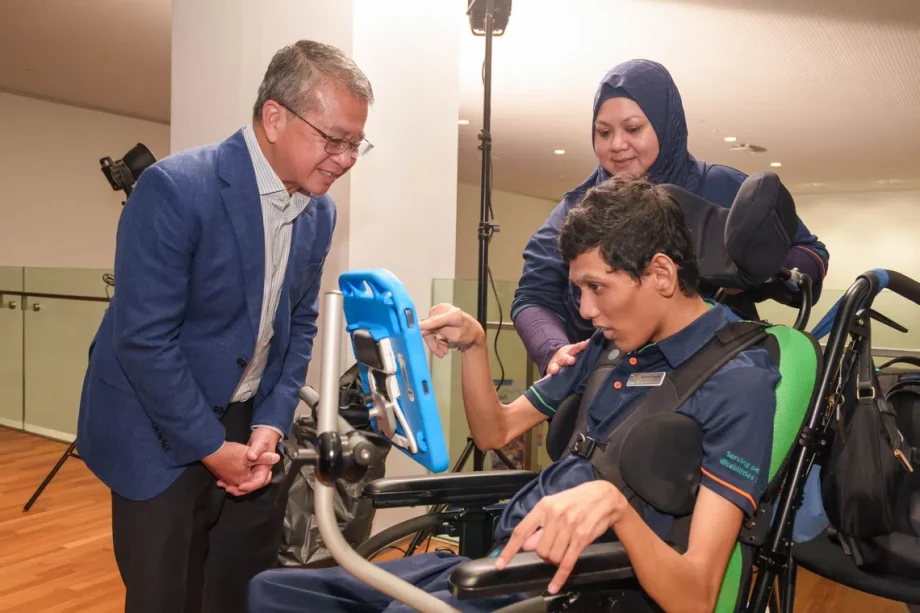
For its fourth edition, Dell Technologies challenged students from Singapore’s various Institutes of Higher Learning (IHLs), namely its polytechnics and autonomous universities, to build AI and cloud-native tools that help Persons with Intellectual Disabilities (PWIDs) and Persons with Disabilities (PWDs) live more independently as part of Dell InnovateFest 2026.
While Dell supplied the AI infrastructure for InnovateFest 2026, the problems came from the recipients of MINDS (formerly known as Movement for the Intellectually Disabled of Singapore) and SPD (formerly known as the Society for the Physically Disabled), with the students going into people’s homes to find out how they could help before they wrote any code.
The 52 finalists were selected from thousands of students across 10 institutions, then spent six weeks visiting care facilities, speaking with beneficiaries and testing ideas with real users before presenting their prototypes at the grand finals at National Gallery Singapore on 18 September.

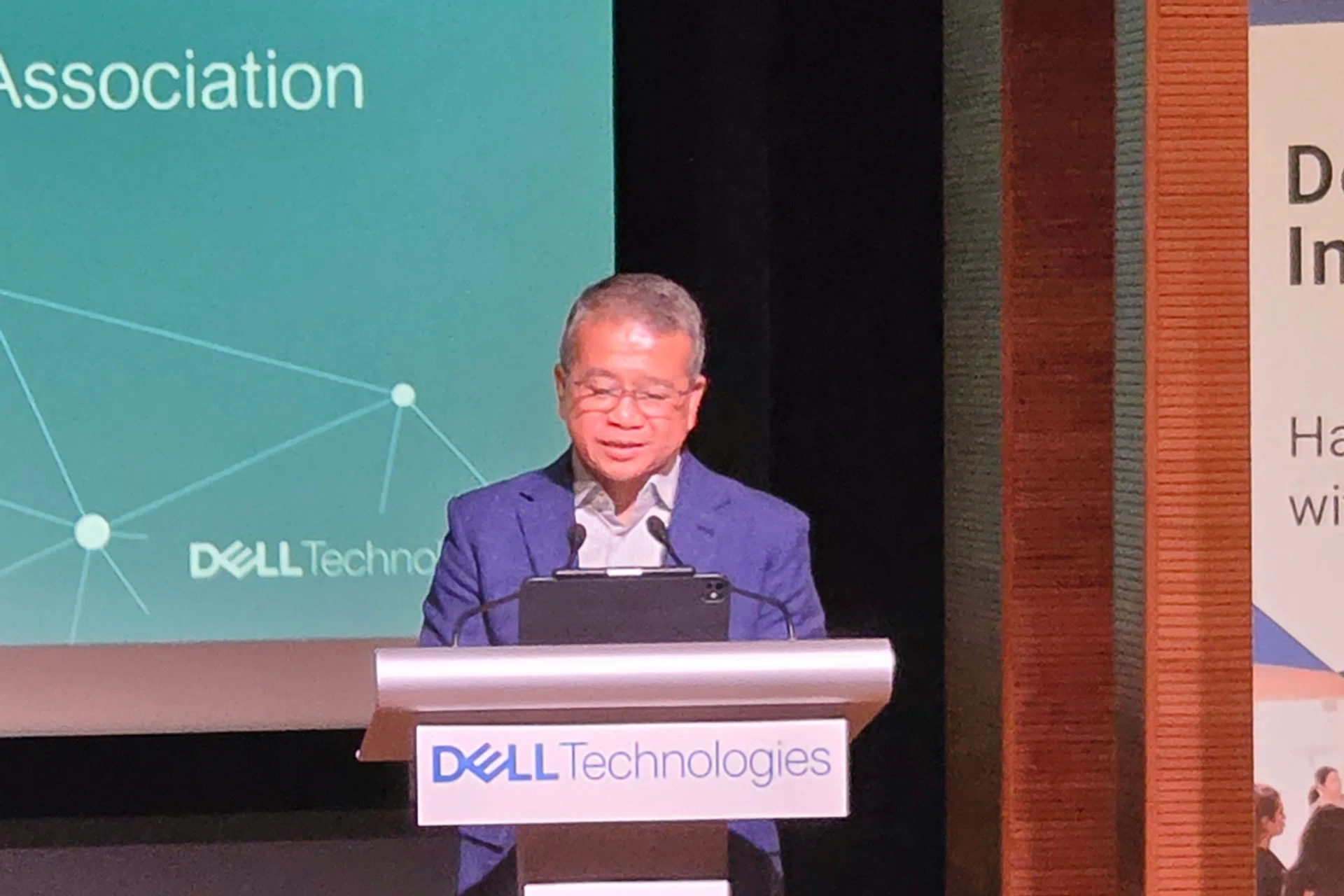
Dell Technologies Singapore Vice President and Managing Director Andy Sim.
Image: HWZ
That process was the whole point, according to Dell Technologies Singapore Vice President and Managing Director Andy Sim.
“Students were not solving hypothetical problems,” he said. “They are building for real people with real needs.”
Sim went further on who owns the results. The people who shared their experiences and tested early prototypes were, he told the room, “not just beneficiaries of these solutions, but the co-creators of them.” He added: “You reminded us that the best innovations are created with people, not merely for them.”
Polytechnic winner InSync tackles communication breakdowns
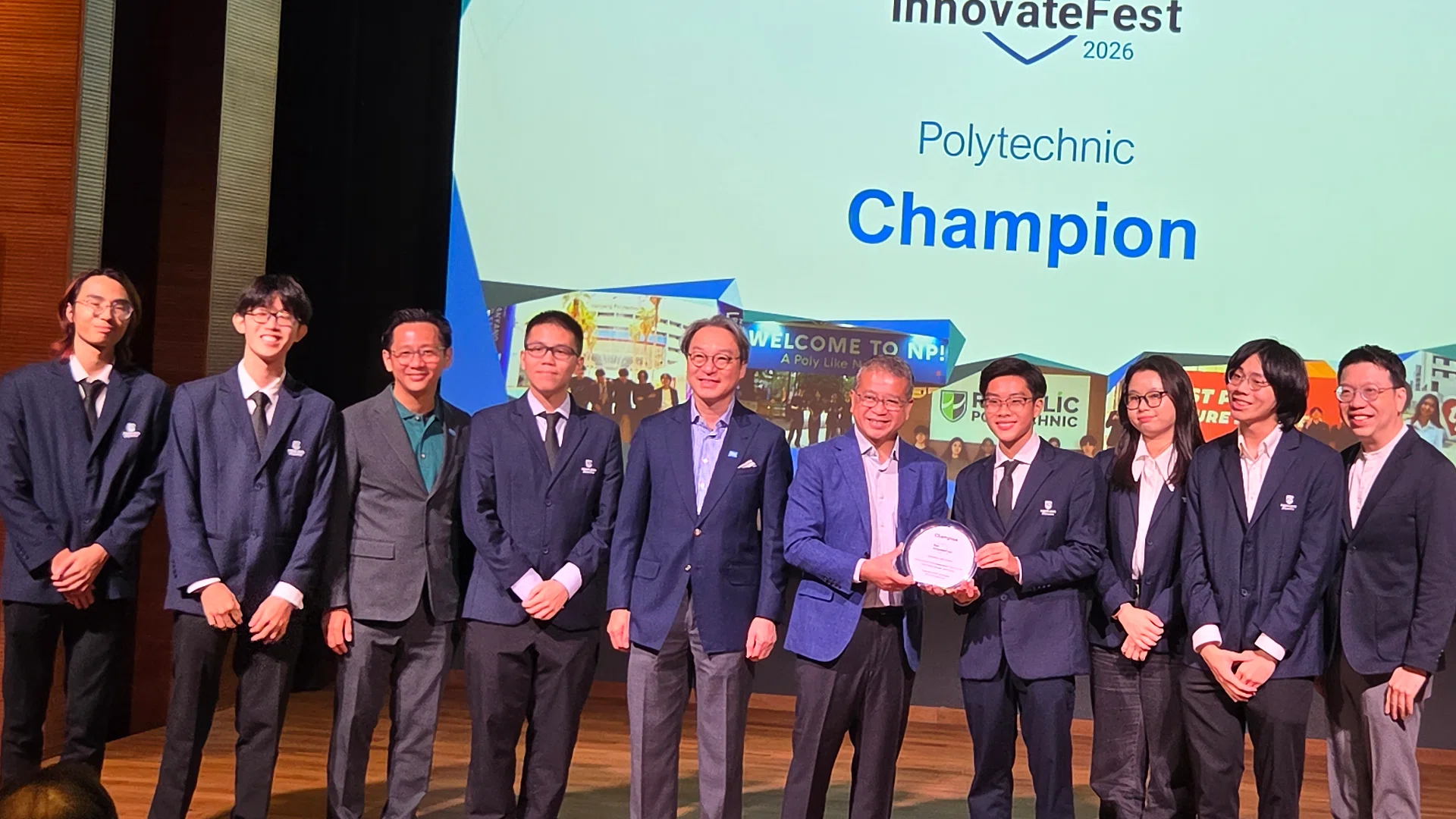
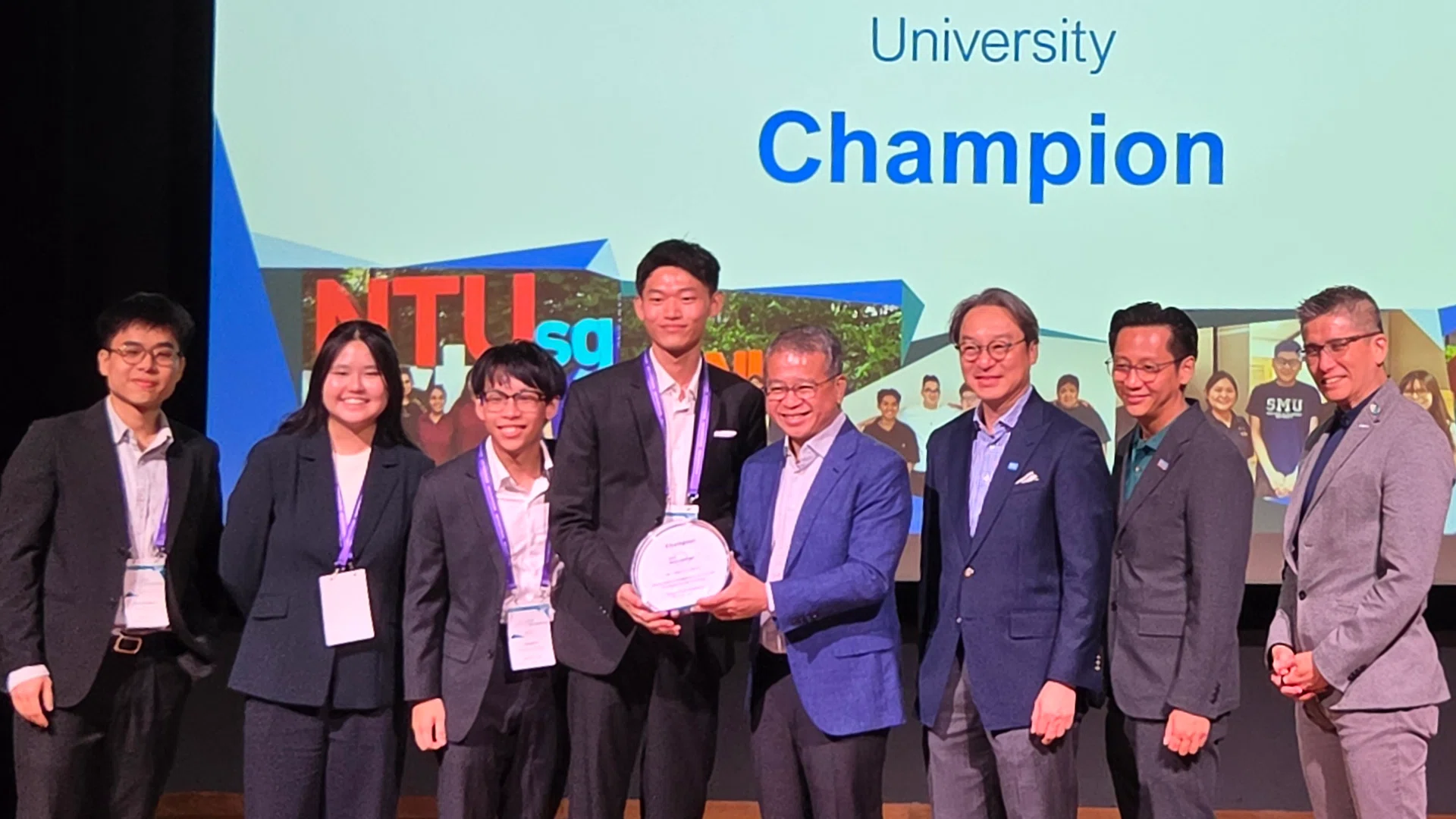
The winning polytechnic team from Ngee Ann Polytechnic.
Image: HWZ
On the polytechnic track, Ngee Ann Polytechnic achieved success with InSync, a personalised voice and AI-supported communication facilitator built around a tablet.
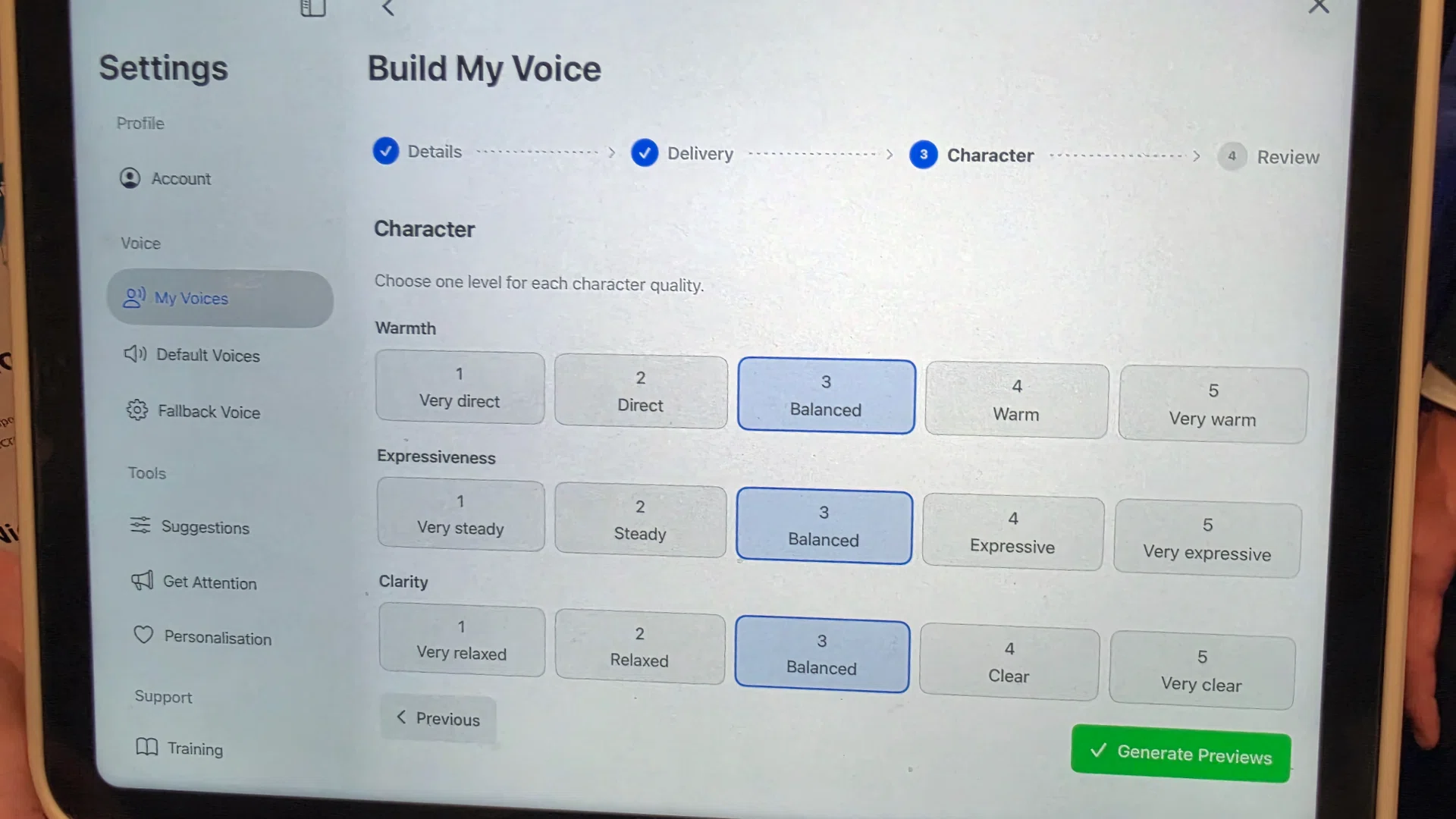
The options allowed the PWIDs to create a “voice” of their own.
Image: HWZ
The device helps a PWID handle the communication problems they run into day-to-day. Where a user isn’t comfortable with a generic device voice, InSync can synthesise one to speak on their behalf, converting text to speech and carrying emotion with it across four registers: happy, frustrated, angry and calm.
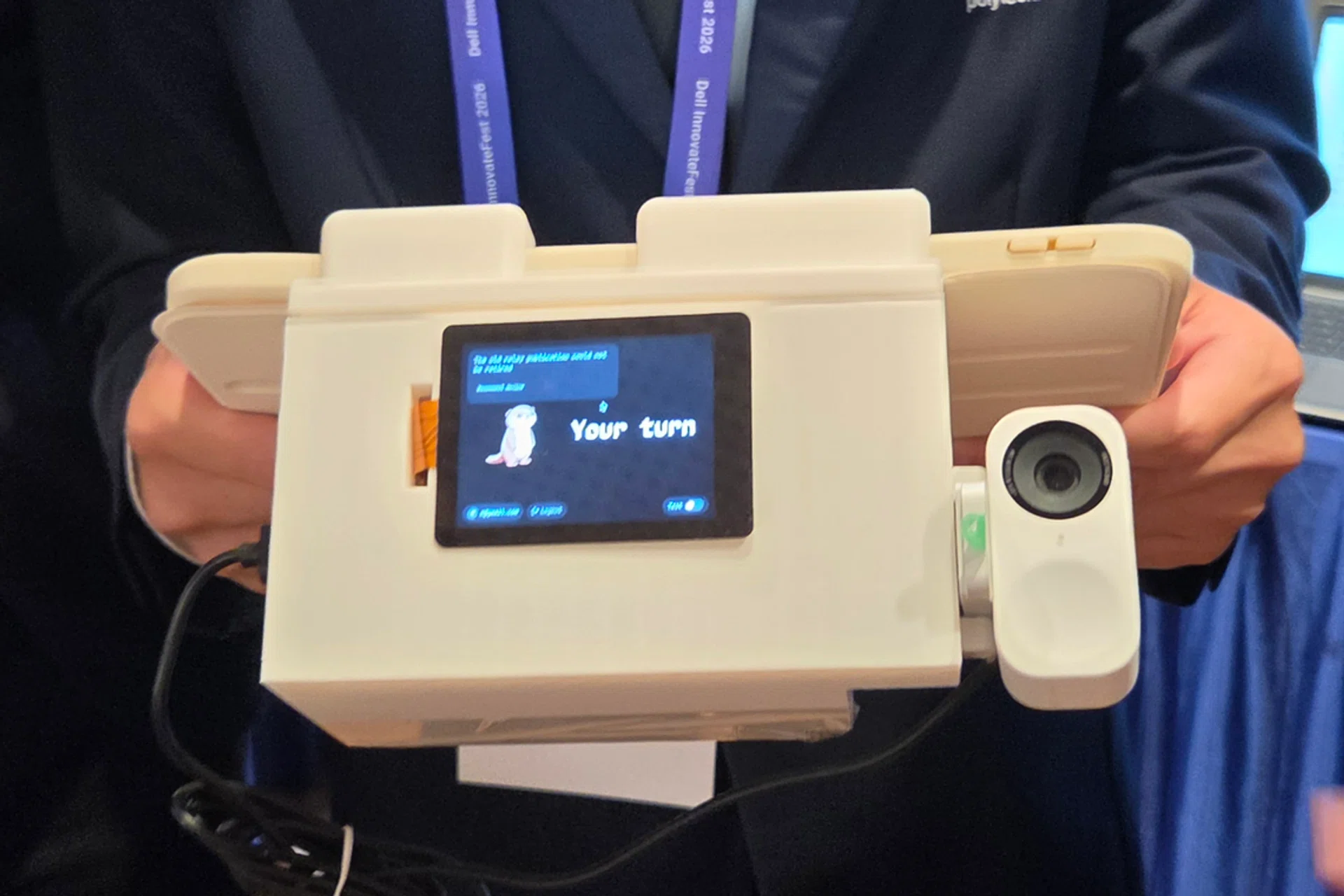
The camera module can be used to identify the user’s surroundings.
Image: HWZ
It answers one of the two challenges set this year, which Guest-of-Honour Edwin Tong, Minister for Law and Second Minister for Home Affairs, summarised as helping “persons with communication difficulties express themselves better and recover when conversations break down.”
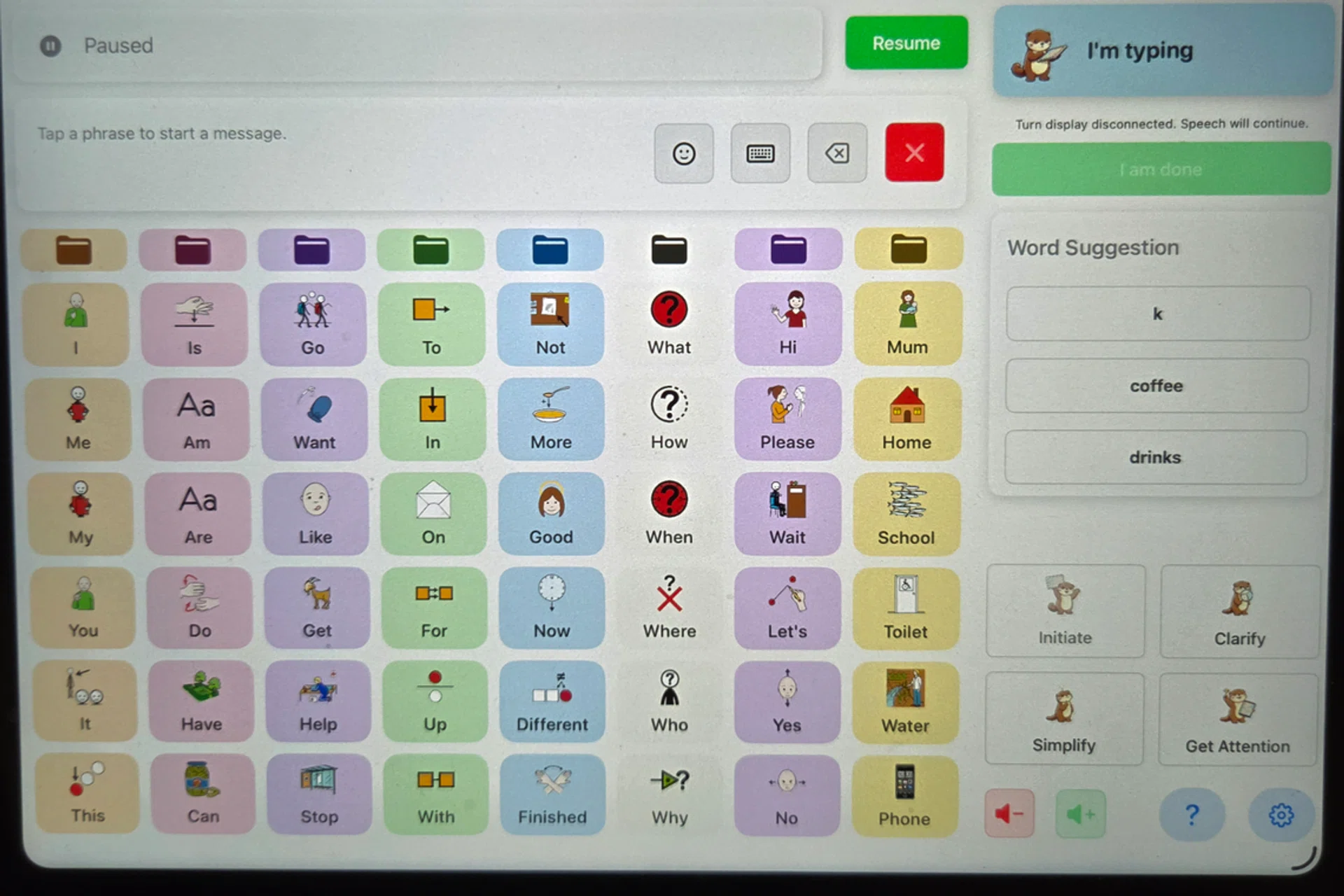
The tablet can be used by the PWID to start conversations, ask questions, and even order for them.
Read Full Article At Source