SINGAPORE – Questions about the laws and rules governing what civil servants can do with information obtained through their work have surfaced recently.
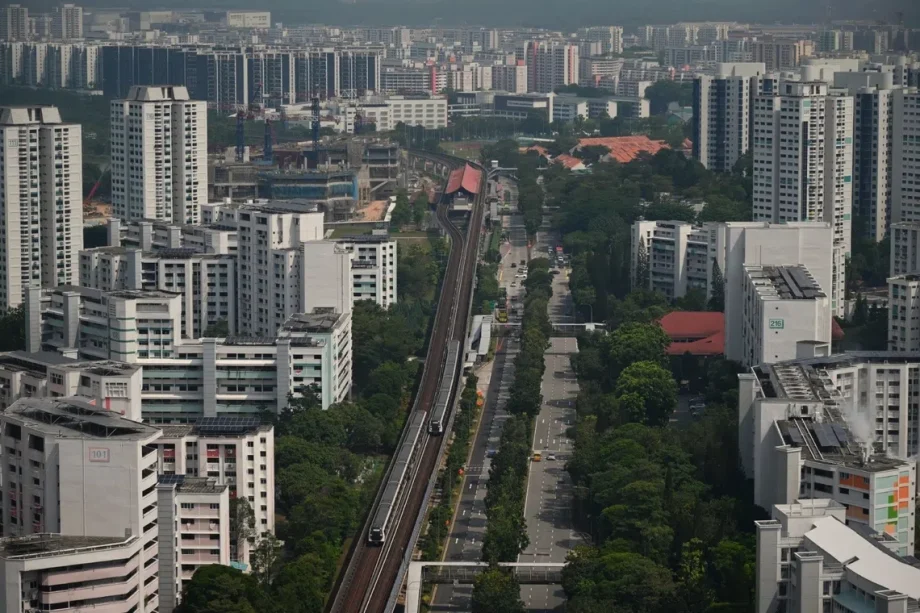
These come after a study claiming they and their relatives disproportionately bought homes near MRT stations that had not yet been publicly announced.
The Public Service Division (PSD) said in its initial response to the paper that it is reviewing the data and methodology and would refer the matter to the Corrupt Practices Investigation Bureau (CPIB) if there is “material basis” to do so.
Current rules include annual declarations.
Civil servants have to make declarations of interests in investments and properties to their head of agency every year, as well as when they acquire significant assets, according to a 2024 written parliamentary reply by current Coordinating Minister for Public Services Chan Chun Sing.
ST understands that these declarations could include private residential property, commercial property or any land in Singapore or abroad. The rules could also apply to properties acquired by the public officer’s spouse or financially dependent children.
There are also rules stating that officers are not allowed to use privileged information, including information that has not been made public, when buying property for personal gain.
In 2023, then senior minister Teo Chee Hean told Parliament that the Public Service Code of Conduct requires all public officers to take an annual quiz and make declarations including their freedom from financial embarrassment, investments in non-owner-occupied properties and investments in private firms.
He said officers must also make ad hoc declarations when they buy private residential or commercial properties or land.
National University of Singapore corporate governance expert Mak Yuen Teen said the Government should recognise that there are always risks of abuse, regardless of the merits of the working paper.
Pointing to a recent court case involving a former Housing Board group director accused of breaching the agency’s database, he said the episode illustrated the need for safeguards.
“Regardless of whether we believe the findings are accurate, we should make sure we have safeguards to minimise such risks,” he said.
Legislation, codes of conduct that may apply
Some have assumed that the mention of CPIB means that any potential offence highlighted by the study is corruption-related, but lawyers told The Straits Times that the legal implications depend heavily on the circumstances of each case.
Read Full Article At Source