
Experiential events firm Pico is putting $1 million into AI capabilities, and its new Innovation Centre will trial ways to personalise events and prove they are worth the spend
THE exhibition floor was busy. Meetings ran back to back. Thousands of visitors moved through the exhibition hall. By conventional measures, the event was a success.
But once the crowds have gone, the more difficult questions begin: Who was genuinely interested? What caught their attention? Which conversations are worth pursuing?
Those are questions that attendance figures alone cannot answer. Increasingly, AI can help fill in the gaps.
By tracking and analysing visitors’ engagement patterns in real time, AI can give organisers a clearer picture of what people are responding to, help tailor experiences around their interests and identify interactions that may warrant follow-up, says Lim Kian Meng, senior vice-president of operations for Asia Pacific at The Pico Group, a home-grown brand activation specialist present in 38 cities.
“As event organisers across the region invest in AI, the differentiator will increasingly be how effectively organisations deploy the technology for improved engagement and measurable business outcomes,” says Lim.
Yet the value of AI does not lie in adding technology at every turn.
The opportunity, Lim says, is to identify where it can make an attendee’s journey more useful – whether by helping someone find the right session or business contact, or giving organisers a clearer picture of what audiences respond to.
Pico starts by looking at the attendee journey as a whole – from discovery and registration to on-site engagement, networking and post-event follow-up – then works out where AI can improve the experience.
“We start with the experience, not the technology,” Lim points out. “We focus on combining AI with our decades of experience understanding the attendees’ journey in large-scale events.”
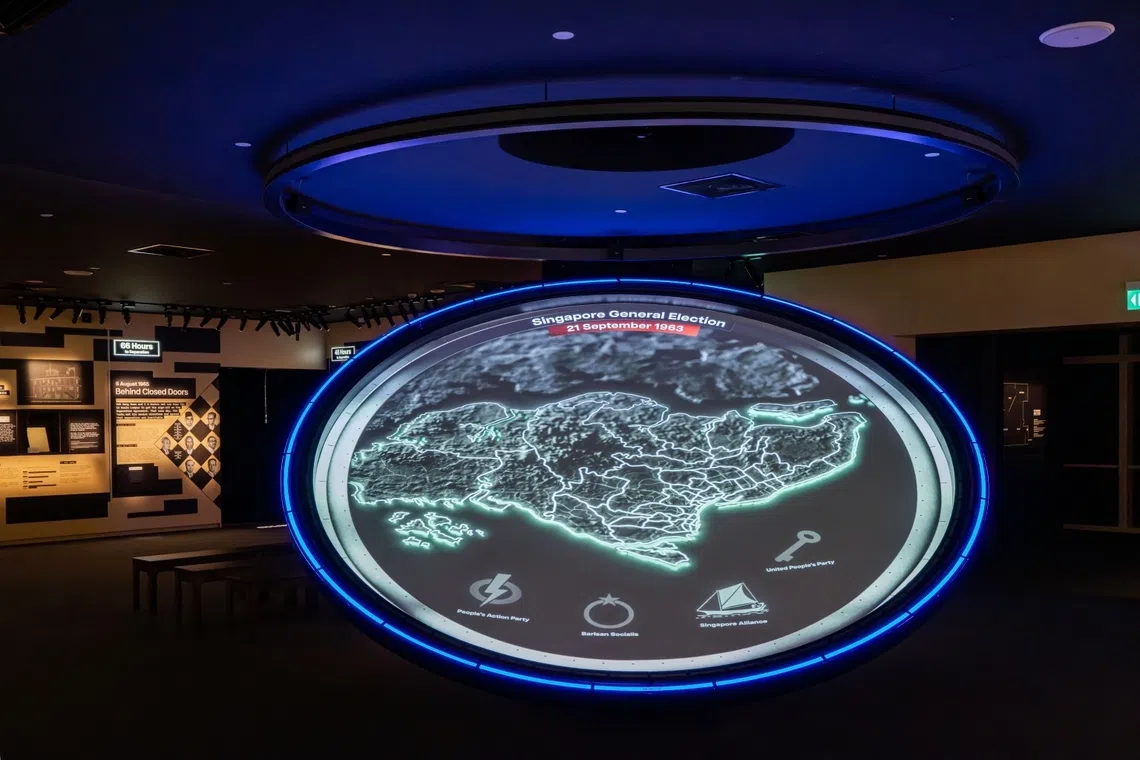
At the SG60 Heart&Soul Experience, a showcase delivered by Pico, visitors first imagined different versions of their future in Singapore. Generative AI was then used to turn their conversations and choices into personalised stories, so each visitor’s journey would unfold differently.
Those interactions gave organisers a real-time view of which themes and choices were drawing the most interest.
“The data gives us live insights. We can then improve the event design and engagement strategies based on the patterns and the data we receive,” Lim says.
Getting more value from AI in MICE
The quest for a two-way exchange points to a broader shift happening across the meetings, incentives, conventions and exhibitions (MICE) industry, where AI is becoming a strategic priority.
Attendance figures, surveys and anecdotal feedback have traditionally been used to gauge an event’s success. Corporate buyers, however, increasingly want richer data on audience engagement and a clearer view of what their event spending delivered, says Lim.

Read Full Article At Source