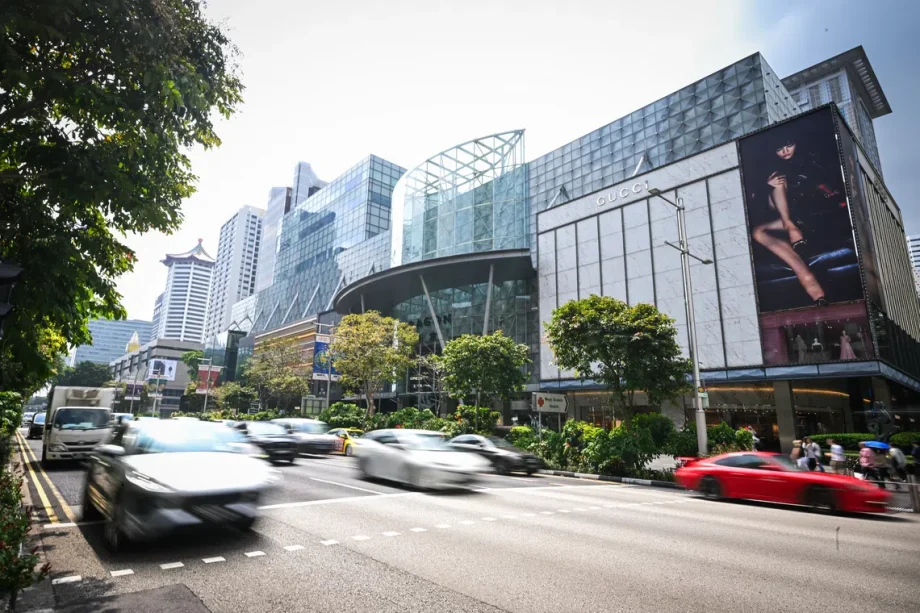
SINGAPORE – Singapore’s shopping malls are being reinvented.
Orchard Road, once the Republic’s premier shopping strip, is now making room for more offices, while suburban malls are undergoing extensive facelifts and tenant revamps.
The mix of shops and experiences is also changing, with once-empty plazas now hosting temporary pickleball courts and malls installing permanent climbing walls.
These changes, aimed at increasing footfall and supporting rents, matter to Singapore’s real estate investment trusts (REITs), many of which own local malls, as well as their investors.
REIT managers interviewed by The Straits Times said strong rental reversions have showed that retail remains resilient despite rising costs, while new tenants and experiences could support further growth.
However, analysts cautioned that higher rental income may not translate into larger dividends, as costly refurbishments and rising borrowing costs absorb some of the gains. REIT managers must therefore balance the need to keep their malls relevant with the imperative to deliver returns to unitholders.
Death of the department store?
One of the biggest changes in Singapore’s retail landscape has been the fading role of department stores as anchor tenants for malls.
Shopping malls once relied on large department stores as flagship anchor tenants, using their broad range of brands and products to draw shoppers. But the e-commerce boom since the Covid-19 pandemic has dented demand for physical retail, gradually diminishing their appeal.
Metro’s impending closure of its last two Singapore stores at Paragon and Causeway Point, for example, follows the exits of Robinsons and John Little over the years, while Isetan has shrunk from six outlets to just one at Shaw House.
Guy Cawthra, chief executive of the manager of Lendlease Global Commercial REIT, said cinemas, supermarkets and large electronics retailers remain relevant anchors, but tenants of different sizes and categories can now draw shoppers.
For Lendlease, whose portfolio includes 313@somerset, food and beverage outlets have become anchors in their own right, with new and trendy tenants like tea brand Black Tree and frozen yogurt shop Yo-Chi drawing snaking queues.
Moving away from large anchor tenants could provide opportunities for higher rental reversions, as REIT managers would be less tied to long leases that may carry below-market rents, said Tan Choon Siang, chief executive of the manager of CapitalLand Intergrated Commercial Trust (CICT), at the REIT’s results briefing in August.
Tan said department stores historically provided footfall and stability in exchange for lower rents, but malls must now reconsider the role they play.
Metro, for example, is exploring more flexible formats, including smaller stores, multi-specialty outlets, curated shopping experiences and pop-ups. CICT’s manager said Metro has expressed interest in remaining at Paragon under a new retail concept, with discussions ongoing.
Frasers Centrepoint Trust (FCT), Singapore’s only pure-play retail REIT, is reworking space vacated by Isetan at NEX as part of the mall’s $90 million enhancement programme.
Judy Tan, FCT’s head of investor relations, said at a panel organised by investment platform Syfe in August that the space would be turned into a lifestyle and family-focused cluster featuring new food and beverage offerings.
Richard Ng, chief executive of FCT’s manager, noted that the traditional department store concept is evolving in response to changing consumer demand.
Read Full Article At Source