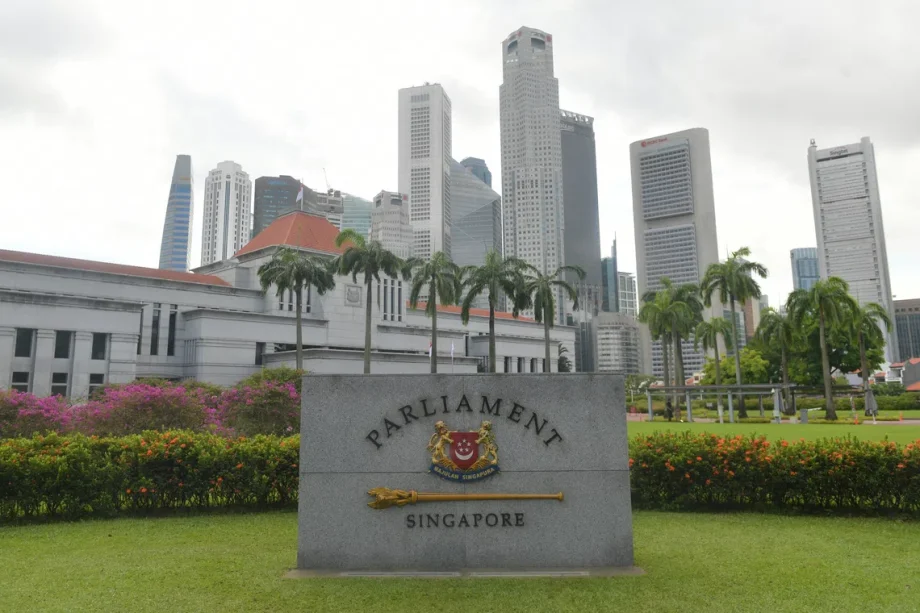
SINGAPORE – Those anticipating a heated debate on ministerial pay in Parliament this week would have come away somewhat disappointed.
The debate on this emotive topic, as both parties in the House characterised it, was shorter than observers expected and less combative than in 2012, when MPs discussed at length a new framework for political salaries.
Those who had followed the debate would probably also agree that the PAP and WP appear to have found more common ground than before.
This augurs well for the ruling party on what could have been a contentious topic.
It also puts Prime Minister Lawrence Wong on firmer ground to focus on his priorities of leadership renewal and recruitment going forward, having no protracted back-and-forth with the WP casting a shadow beyond the debate in Parliament.
In 2012, then Deputy Prime Minister Teo Chee Hean framed the debate as both sides of the House taking a “major step forward to bridge the once-wide gap” on the issue of ministerial pay. That 2012 debate, which spanned 2½ days and had 29 MPs speaking, including eight from the WP, saw several drawn-out exchanges between the PAP and the WP on the formula used to calculate the pay and the reference pool that the benchmark pay is pegged to.
But clashes aside, both parties affirmed the three basic principles that the new salary framework had used to determine how much ministers should be paid.
These are: that salaries should take reference from the market to attract individuals of the right calibre to lead the country; that a discount should be included to reflect the ethos of political service; and that pay should be transparent and linked to individual performance and national outcomes.
In 2026, it seems the House – which spent just over four hours on Sept 10 debating the issue – has further converged. Thirteen MPs made speeches – four PAP backbenchers, five Nominated MPs, three ministers and WP chief Pritam Singh. He was the sole MP from the opposition party who spoke.
Both political parties still agree on the three basic principles but crucially, the WP agreed with PM Wong’s decision to increase ministerial salaries by up to 9 per cent.
PM Wong said he would give ministers a one-off adjustment, subject to performance, rather than immediately take on the review committee’s proposed increase in benchmark pay from $1.1 million to $1.8 million for the entry-level MR4 grade.
Tacit in the WP’s agreement is that since ministerial pay has remained stagnant over the last 15 years, it should be raised, though the opposition party did not agree with the new benchmark pay.
It preferred a more modest increment, derived from its pay formula proposed in 2012, which the party continued to stand by. This formula would have come up with a benchmark pay of $1.08 million in 2026, the WP said.


Read Full Article At Source