SINGAPORE – Becoming a young adult is often seen as a difficult transition period. By the 30s, however, there is an assumption that people should have achieved some stability – in their jobs, relationships and housing.
In reality, the decade can bring a convergence of expectations: building a career, managing finances and housing, getting married and raising children, and increasingly, caring for ageing parents.
People in their 30s may feel a gap between where society expects them to be and where they see themselves, said Daniel Fung, senior consultant in the developmental psychiatry department at the Institute of Mental Health (IMH).
“At 20, uncertainty can feel normal. At 35, the same uncertainty may be experienced as failure.”
Suicide deaths among adults in their 30s rose by 50 per cent from 66 cases in 2023 to 99 in 2024, the latest figures released by the Immigration and Checkpoints Authority (ICA) in July show.
Helplines
Mental well-being
-
National Mindline: 1771 (24 hours) / 6669-1771 (via WhatsApp)
-
Samaritans of Singapore: 1-767 (24 hours) / 9151-1767 (24 hours CareText via WhatsApp)
-
Singapore Association for Mental Health: 1800-283-7019
-
Silver Ribbon Singapore: 6386-1928
-
Chat, Centre of Excellence for Youth Mental Health: 6493-6500/1
-
Women’s Helpline (Aware): 1800-777-5555 (weekdays, 10am to 6pm)
-
The Seniors Helpline: 1800-555-5555 (weekdays, 9am to 5pm)
-
Tinkle Friend (for primary school-age children): 1800-2744-788
-
Mindfull Community HQ (for caregivers, families and people in recovery): 6460-4400 (weekdays, 9am to 5pm)
Counselling
-
Touchline (Counselling): 1800-377-2252
-
Touch Care Line (for caregivers): 6804-6555
-
Counselling and Care Centre: 6536-6366
-
We Care Community Services: 3165-8017
-
Shan You Counselling Centre: 6741-9293
-
Clarity Singapore: 6757-7990
-
Care Corner Counselling Centre: 6353-1180
Online resources
Singapore recorded a total of 441 suicide deaths in 2024, according to finalised figures in ICA’s Report on Registration of Births and Deaths 2025.
While the number of suicide deaths generally declined across all other age groups, the number among adults aged 30 to 39 rose.
Alex Yeo, executive director of suicide prevention charity Caring for Life, said the increase cannot be attributed to any single factor, as suicide is complex.
Fung said young people may cope with difficult emotions, loneliness or insecurity by throwing themselves into their studies or work, avoiding difficult situations, or relying on supportive relationships.
But when life’s demands overwhelm their ability to cope – after a job loss or marriage breakdown, for instance – these pressures can bring out their difficulty managing strong or uncomfortable emotions, he said.
For example, some people may find it harder to calm themselves when distressed, recover after setbacks, or think clearly when overwhelmed, he said.
The immediate event may look like the cause, but a person’s response may be rooted in childhood adversity – such as emotional neglect, parental separation or death. This shapes how they form relationships and cope with stress, he said.
Shantini Sathiyanesan, counsellor at suicide prevention charity Samaritans of Singapore, said people might repeat learned patterns of coping without realising it. “It’s not that they are choosing to respond this way, but when certain situations come up, it brings up these familiar responses,” she said.
“In younger days, you might find ways to deal with it. But in an adult world, when you’re faced with major life decisions and responsibilities, there’s less emotional space to push aside these difficult experiences.”
Experts emphasised that most people who experience childhood adversity do not go on to take their lives. Positive experiences such as supportive adults and opportunities for mastery, such as becoming competent at a skill, can help build confidence that they can overcome setbacks, said Fung.
Amy (not her real name) fell into anxiety and depression after her parents got divorced during her teenage years.
Speaking to The Straits Times, Daniel (not his real name), who was her boyfriend, said a series of failed relationships had also left her with low self-esteem.
She eventually died by suicide in 2018, when she was 32.
During their relationship of 3½ years, Amy attempted suicide around six times. Daniel remembers living in fear every day, breaking down in tears and asking Amy’s friends how to help her.
Amy took her life two months before the couple’s Build-to-Order flat was ready.
Hating to see Amy coming home from work frazzled and unhappy, Daniel had encouraged her to leave her administrative job and join his business instead.
But tensions often spilt into their relationship. She would pick fights with him, wanting his attention while he was at work. When stress got the better of him, he could not help but argue back, Daniel said.
The day after one such quarrel, the couple made up and planned to meet for dinner. But Amy ended her life before that.
Four months after her death, Daniel sought counselling from SOS. He now volunteers as a facilitator with its support group for people who have lost someone to suicide.
“I try to use the experience that I have to help people understand what they are going through.”
For others, the pressures of adulthood can arrive in more sudden ways.
Tan, a 41-year-old father of two primary school girls, has attempted suicide multiple times over the last few years. The first time was around 2020, after he lost his warehouse job.
While unemployed, he fell prey to a scam and lost around $40,000 in savings as well as money he had borrowed from his wife and her parents. The scammer had convinced him that he was earning commissions for purchasing and promoting products online.
Tan, who found himself spiralling into negative thoughts and self-blame, was later diagnosed with depression and is taking antidepressants. His relationship with his wife, who also works in logistics, was strained during this period as she was unhappy that he was not looking for a job.
After being admitted to IMH in February, he started to go for counselling at SOS as he wanted a listening ear. He has also sought help from a family service centre and hopes to repair his relationship with his family.
Shantini, who counsels people in their 30s, said someone who appears to be “functioning” right may be struggling beneath the surface.
“The question they ask is, ‘Who really knows me?’ That incongruence can also intensify their suicidal thoughts. Because they feel unseen, misunderstood, or lonely, despite having people around them.”
Fung said external markers of “success” can make it harder to speak up. “If everybody thinks you are doing well, it can be hard to say ‘Actually, I am not coping.’”
Another challenge in detecting suicide risk, he added, is that some people, especially males, do not seek help. Suicide deaths are disproportionately male.
Healthcare systems also tend to ask whether a person has a diagnosable condition, he said. But suicide prevention also requires an understanding of relationships, losses and financial stress, among other issues.
The focus, therefore, should be on equipping young people with supportive relationships, coping skills and resilience, and encouraging them to seek help, while identifying and treating mental illness where present, he said.
Preventing suicide: How to recognise when one may need help
Experts said suicide prevention should begin well before a person reaches a crisis point – by paying attention to periods of transition and loss, such as becoming a parent or becoming ill.
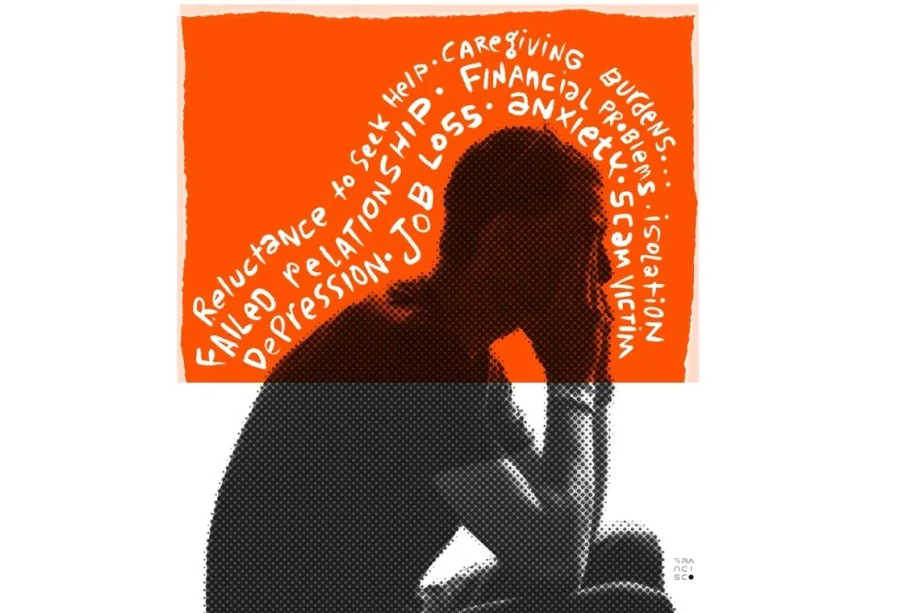
Financial problems, caregiving burdens and social isolation can contribute to suicide risk, particularly when several difficulties occur together, said Fung.
Perhaps the most important shift is from asking only “Who is suicidal?” to also asking “Who is becoming disconnected, overwhelmed or hopeless?”
Distress may also show up as irritability, difficulties sleeping, working excessively, alcohol use or withdrawal from loved ones. Other signs could include physical pain, relationship conflict, or a persistent sense of exhaustion and hopelessness, said Fung.
Mental health conditions can also increase suicide risk. Someone experiencing depression may have suicidal thoughts, while a person with psychosis may hear voices telling them to harm themselves. But not everyone with a mental health condition will be suicidal, said Fung.
What to say to someone with suicidal thoughts
Ask the person directly, said Shantini, suggesting the line: “I’m sorry if this is awkward to ask, but I am concerned about you. Are you thinking about suicide?”
Contrary to a common misconception, she said, saying this will not plant the idea in a person’s head. Instead, it makes them feel heard and gives them an avenue to share their feelings.
From there, connect them to resources available. Tell them: “You don’t have to carry this on your own.” Let them know there is a community of support that can journey with them.
Make space for conversations with colleagues that go beyond work, said Shantini. Knowing what is happening in someone’s life makes it easier to spot when they are struggling.
Having people share their struggles around life transitions like marriage and how they cope can build a space where vulnerability is accepted and people know that support is available, she said.
Read Full Article At Source