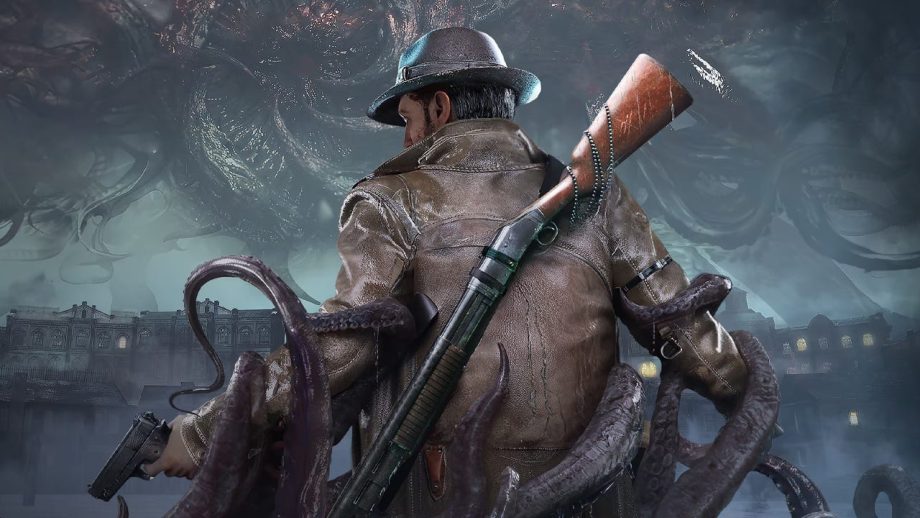
It was impossible for me to play The Sinking City 2 for more than 15 minutes without coming to the obvious realization that this is Resident Evil in a fedora. That might sound dismissive, but I really enjoy the recent Resident Evil games, so comparing Frogwares’ Lovecraftian survival horror sequel to some of the best of them – which feels especially similar to 2019’s Resident Evil 2 remake – is much more of a compliment than a put-down. What sets it apart begins with its unique, rich, 1920s New England setting flush with loving detail that instills a strong sense of personality over the top of the mechanics it so clearly imitates.
You play as Calvin Rafferty, a likeable occultist waking up to an apocalyptic flood set to wipe out the entire city of Arkham, Massachusetts in 1929. He’s definitely a little bit of a pulp fiction stock character: hard-chinned, two-fisted, and foolishly brave. But there are layers to him that rise to the surface here and there. Similar to the Resident Evil comparison, likening him to the classic heroes of the genre is not really an insult.
The intriguing cosmic horror plot revolves around a half-remembered expedition to Lovecraft’s surreal Dreamlands that left Calvin’s partner and paramour, Faye, in a comatose state. This creates immediate emotional stakes and momentum from the very start, which carried me through the somewhat slow first half of the first chapter. I don’t want to spoil too many surprises, but The Sinking City 2 manages to be a bit of a who’s who of the Cthulhu mythos. Some of its eldritch guest characters are much more hinted at than portrayed in all their terrible glory, but Arkham-heads will find lots of little nods to make them cackle with otherworldly glee.
The unfolding story includes some effective emotional beats and a few neat twists that kept me guessing about some characters’ motivations, but overall remains pretty easy to follow given the high concept subject matter. This isn’t the kind of tale where you’re going to have to look up a YouTube video to explain the ending afterwards, and I appreciated that. But it also doesn’t back down from engaging with some of the heavier metaphysical aspects of Lovecraft, effectively selling the idea that you’re up against beings beyond human comprehension. And it also does a decent job of sidestepping some of the ones that haven’t aged particularly well.
Read Full Article At Source