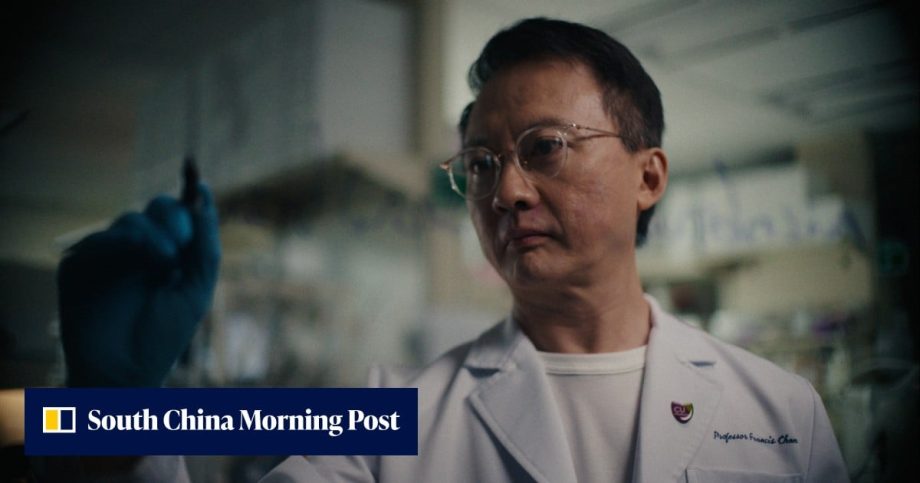
People often hold many different roles throughout their lives. For Dr Francis Chan Ka-leung, those include professor, researcher, entrepreneur and collector.
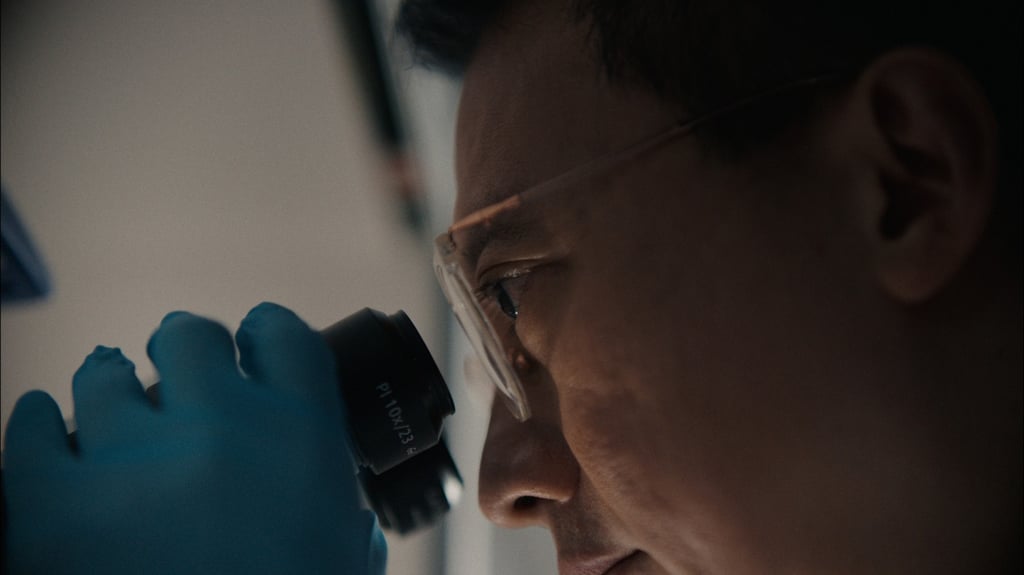
“I’ve been a restless person since I was a kid,” says the professor of medicine and therapeutics at the Chinese University of Hong Kong (CUHK). “I tend to follow my heart at different times, including practising medicine, teaching students and doing research.”
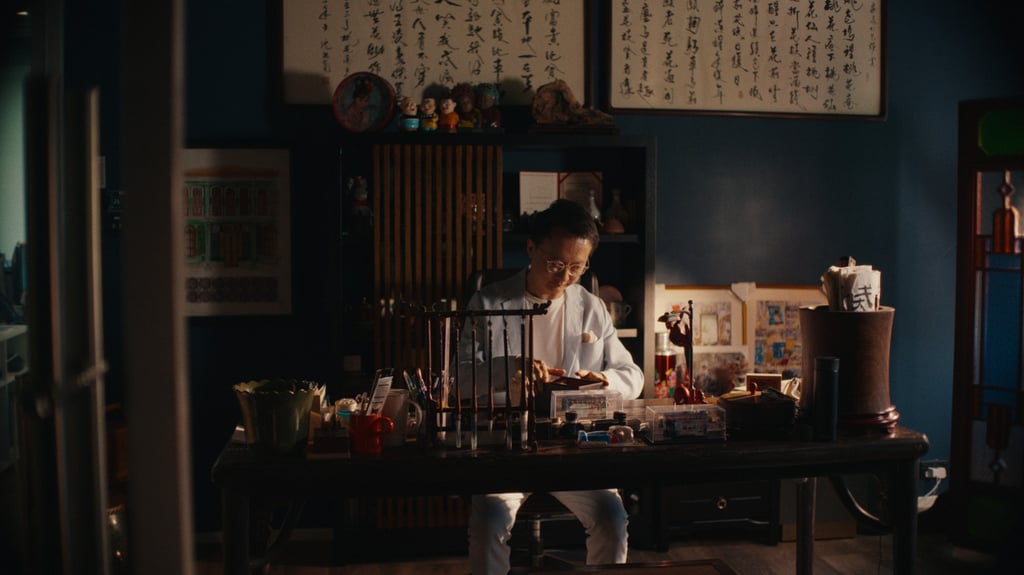
Although this range of roles satisfies the side of Chan that craves variety, his work as a clinician-scientist in gastroenterology requires strict adherence to objective data. So to exercise his intuition, he has taken up antiques collecting as a hobby.
“Collecting antiques also requires authenticating them, but often there’s a lot of subjective feeling involved,” he explains.
These two sides of Chan may seem unconnected, or even contradictory, but both are rooted in the same philosophy: looking beyond appearances to understand what lies beneath. Just as a collector studies an antique’s inner qualities, Chan believes good health begins with understanding risks before symptoms appear.
“Instead of waiting for it to become the No 1 killer, why not do something early?” he says. “So our team continued this research, hoping to promote colorectal cancer screening, which is a meaningful effort to help with detection.”
Chan’s views relate to a broader discussion about modern healthcare: too often, the system only comes into play once people fall ill. He believes that at a macro level, real care should be about helping people stay well so that they can live life to the fullest and make meaningful contributions to society.
This is especially important in the context of an ageing society, which is now a common issue across the developing world. The irony is that the more advanced medicine becomes, the longer people will live – but longevity does not always equate to good health.
“Before the age of 50, the risk of colorectal cancer is relatively low. But once you turn 50, the risk is like a rocket shooting up,” Chan says. “Why don’t people screen for colorectal cancer? It might be because they think it won’t help, or that it’s painful – dangerous, even.”
He adds: “What we need to do is not only keep advancing the research, but also put a lot of extra effort into education and helping people access trusted professional guidance. The right screening, at the right time, can make a meaningful difference.”
However, Chan is not the proverbial doctor who will keep telling patients to eat their greens. He is quick to point out that exercise and diet are not cure-alls, and they cannot totally prevent diseases. Instead, Chan believes preventive care technologies, combined with regular check-ups and medical advice, can help people better understand and manage their health.
“Some people indulge themselves, some worry too much. Neither will help you. You need to find a balance,” he says. “Getting regular check-ups is a very important part of health planning.”
For Chan, the goal is not simply to live longer, but to live life to its fullest.
Check out the video to hear Dr Francis Chan explain how acting early, staying informed and making preventive care part of your long-term planning can help you live well for years to come.
Read Full Article At Source