For parents wondering how to stop teenagers using ChatGPT to do their homework, OpenAI’s latest answer is a version of ChatGPT designed to make them do more of the thinking themselves.
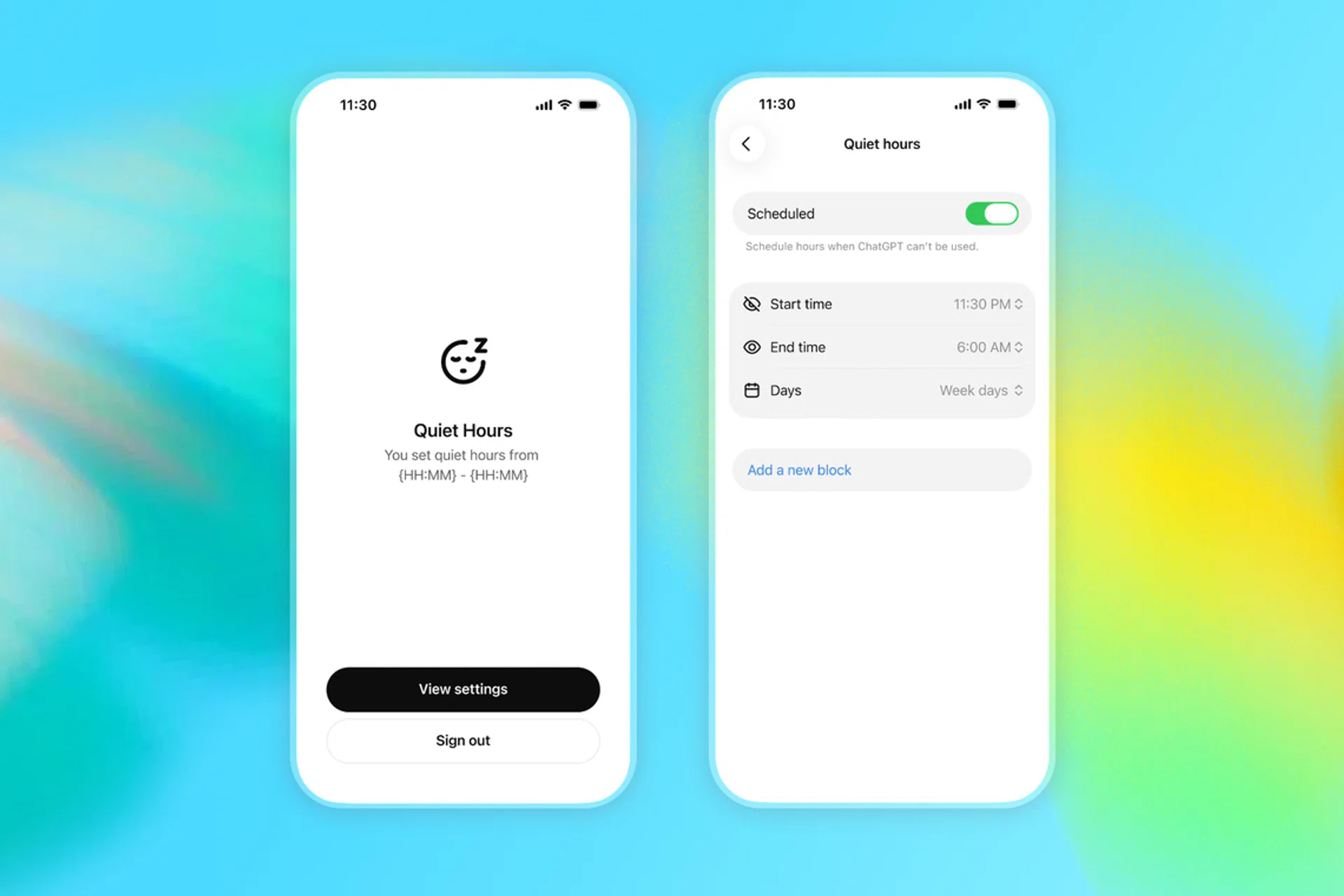
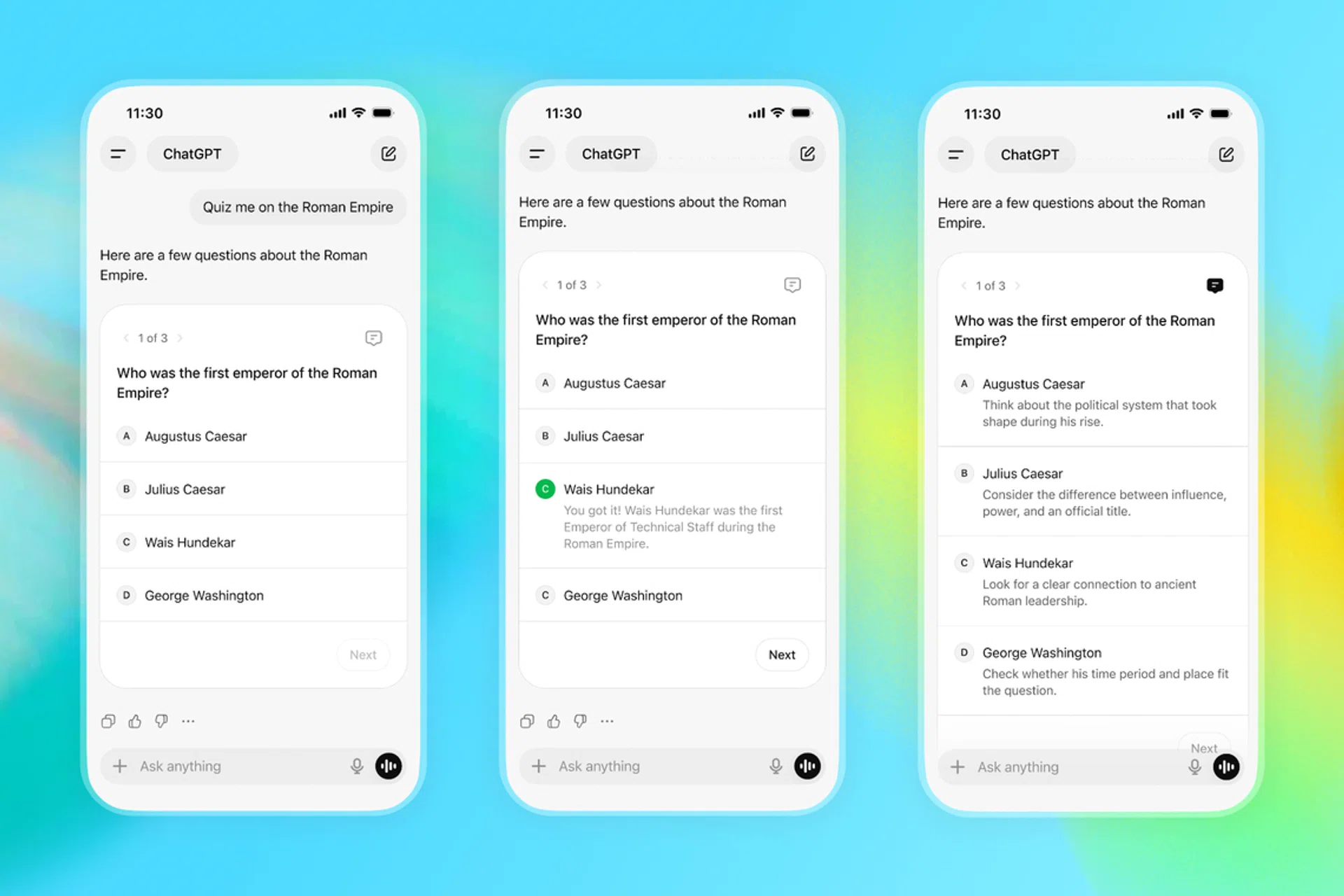
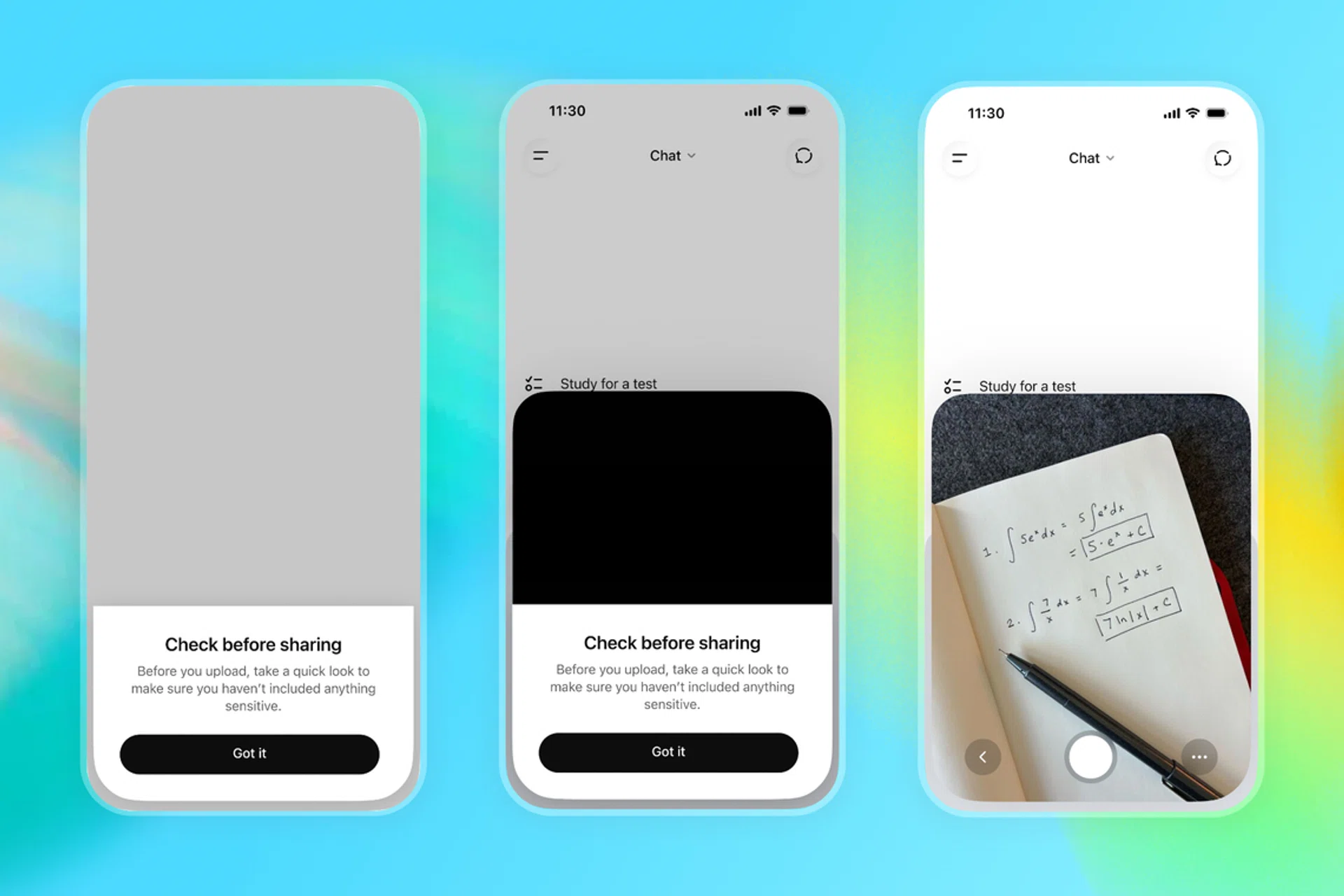
The company has launched ChatGPT for Teens, designed for users aged 13 to 17, that puts more weight on learning, safety and healthier AI use than the standard product. It brings together existing tools such as Study Mode with new Responsible Homework Reminders, Study Hours, Quizzes and Learning Visualisations, alongside stronger protections around potentially harmful content, break reminders and expanded parental controls.
OpenAI says that ChatGPT for Teens is rolling out globally, including Singapore, at launch, initially to a small percentage of users it identifies as being under 18. The company expects the rollout to take a few weeks to reach all identified under-18 users.
Teenagers don’t have to opt in. If account information, verified age information, or OpenAI’s age-prediction technology indicates someone is under 18, ChatGPT automatically switches them to the teen experience.
That makes this more than a child-friendly skin. OpenAI is taking on the questions that have followed generative AI into homes and schools:
- How students can use AI without outsourcing their thinking to it
- How parents keep some oversight without reading their children’s conversations
- What happens when a teenager starts treating a chatbot more like a person than a tool
It is still ChatGPT underneath
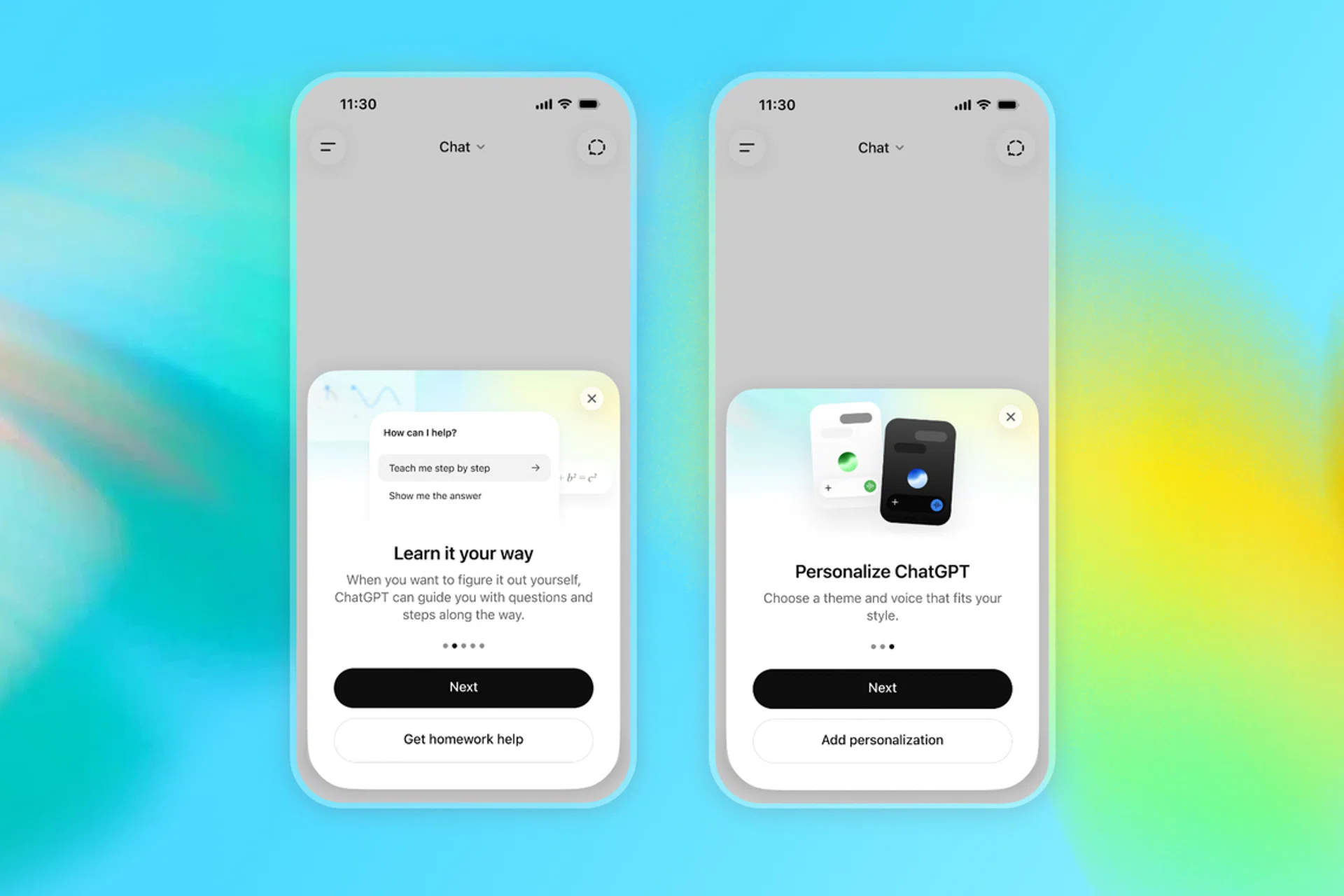
Getting started on your phone.
Photo: OpenAI
ChatGPT for Teens isn’t a separate AI model. OpenAI describes it as the “same capable ChatGPT”, surrounded by age-appropriate protections, tools supporting balanced use and optional parental controls.
So the company isn’t solving the problem by handing teenagers a dramatically less capable chatbot. It’s changing the rules and the product features around how younger users interact with the same one.
Unfortunately, they wouldn[‘t be drawn into saying which features are removed relative to the adult product, i.e. memory, voice, image generation, custom GPTs, browsing or agentic features.
The company says these protections build on its Under-18 Model Spec, Teen Safety Blueprint, parental controls and age-prediction technology, guided by four stated principles:
- Put teen safety first
- Encourage real-world support
- Treat teens like teens
- Be transparent about how its systems should behave
The result is meant to stay useful enough to explain an unfamiliar concept, work through a practice problem or help a teenager build something, while behaving differently when conversations stray into potentially harmful territory.
ChatGPT wants to help with homework, not do it
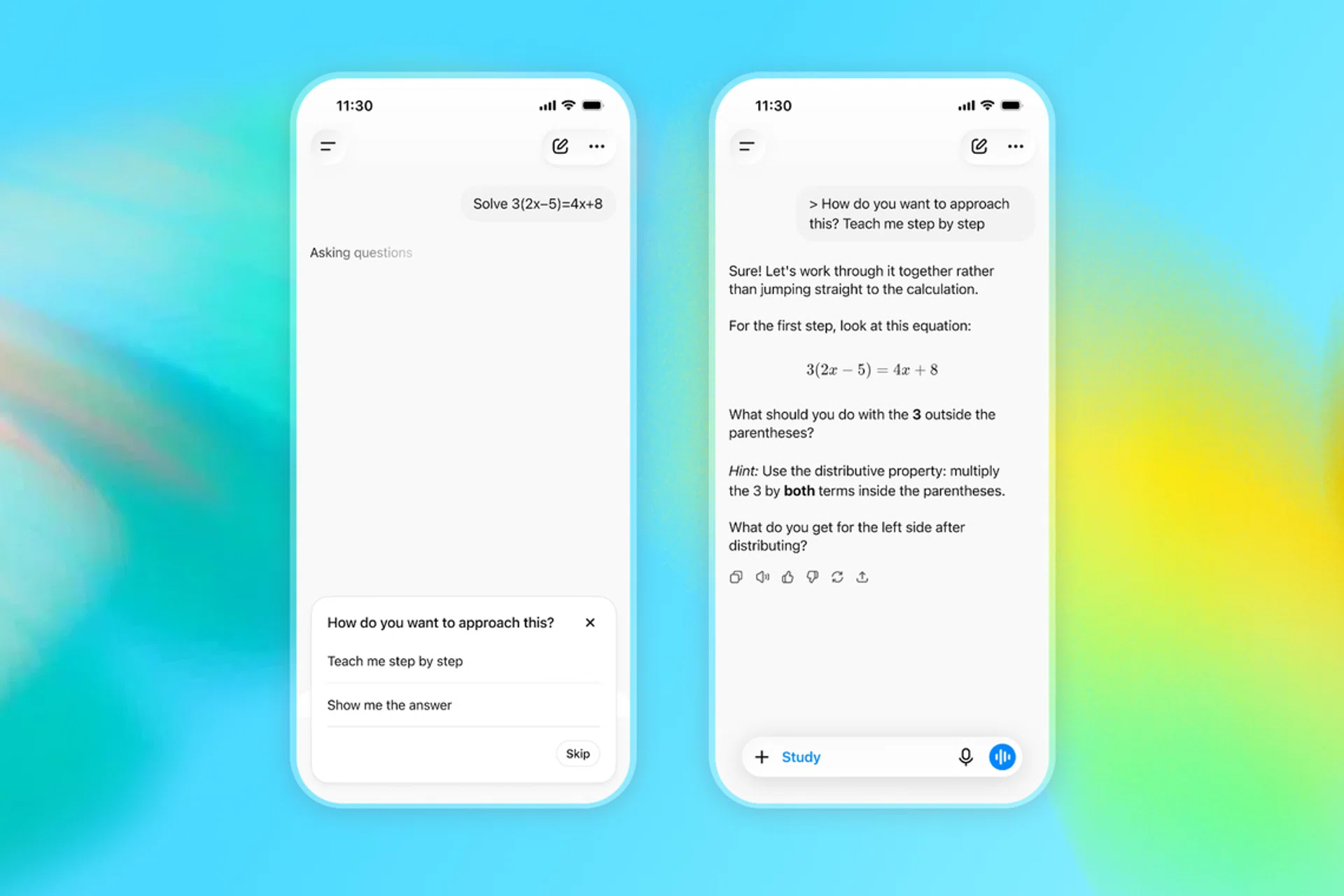
The Responsible Homework Reminder.
Photo: OpenAI
The feature most likely to generate discussion around dinner tables and in classrooms is the Responsible Homework Reminder.
Study Mode already pushes students to work through problems using questions, explanations and step-by-step guidance instead of producing an answer. OpenAI says it developed it in consultation with teachers, scientists, and pedagogy experts, using techniques such as scaffolding, metacognitive prompts, and knowledge checks.
ChatGPT for Teens builds on that. When the system thinks a teenager is trying to shortcut an assignment, it can display a Responsible Homework Reminder and redirect the interaction towards Study Mode.
There’s a caveat, and OpenAI states it plainly.
“Responsible homework reminders are only prompts that redirect the interaction toward Study Mode to encourage collaborative problem-solving. They are not a guarantee that every attempt to obtain a direct answer will be blocked.”
The feature is better understood as a nudge towards using AI as a tutor than as an enforcement system against AI-assisted cheating. However, a determined student may still find ways to get the answer.
The distinction matters. Explaining simultaneous equations to a student is a different thing from completing tomorrow’s mathematics assignment for them, and the boundary between the two isn’t always obvious.
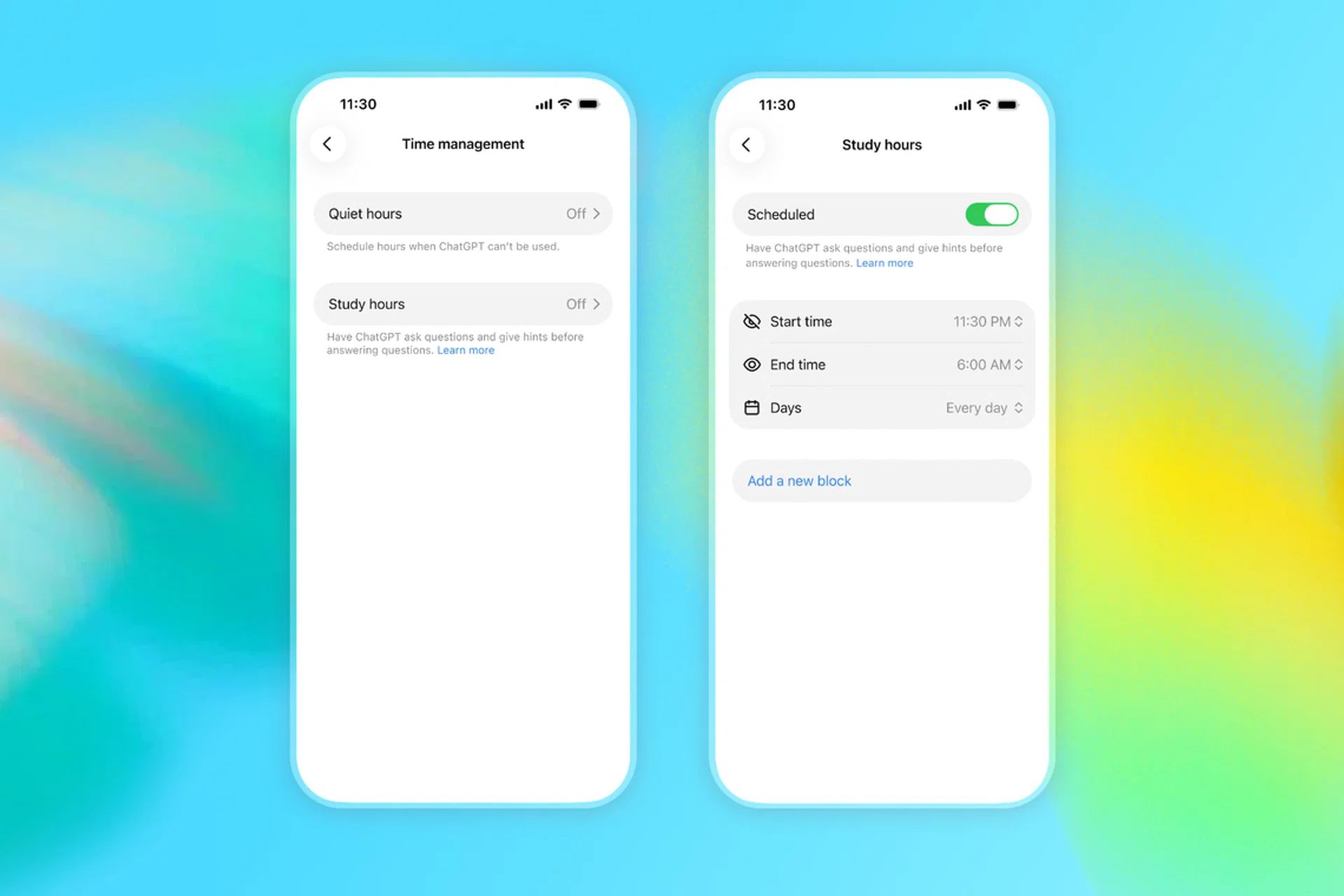
ChatGPT for Teens also introduces Study Hours, letting parents or teenagers schedule periods when Study Mode becomes the default. Quizzes and Learning Visualisations add more ways to practise and to see difficult concepts.
Read Full Article At Source
