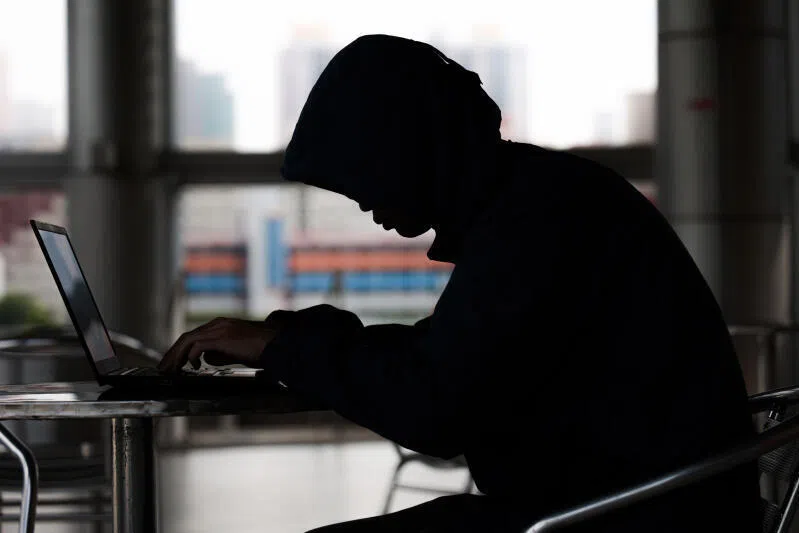
SINGAPORE – The rapid pace of youth radicalisation is driven by the internet, social media algorithms and gaming environments, with extremist networks exploiting the vulnerabilities of impressionable youth, experts said.
In a report in March, the Sydney-headquartered Institute for Economics and Peace (IEP) noted that self-radicalised individuals aged up to 18 years old accounted for 42 per cent of all terror-related investigations in Europe and North America, a threefold increase since 2021.
Meanwhile, the timeline for radicalisation has shrunk from 18 months in 2005 to 13 months in 2016, to only a matter of weeks today, the authors added.
The development is mirrored in Singapore. Over the last 10 years, 23 young people aged between 14 and 20 have been dealt with under the Internal Security Act (ISA) for terrorism-related activities.
The IEP report flagged another concern – the rise in youth radicalisation has been found to be closely connected to the broader trend towards lone-actor terrorism.
“Over the past five years, lone-wolf actors have carried out 93 per cent of fatal terrorist attacks in the West and are three times more likely to successfully execute an attack than groups of two or more individuals.
“This reflects a decentralisation of terrorism, where individuals operate with limited or no direct organisational links, making detection significantly more difficult,” said the authors.
There have been a few close calls in Singapore.
Senior Minister K. Shanmugam, announcing the detention under the ISA of three teenagers, aged 14, 15 and 19, between April and June, said on July 27 that the 14-year-old was just weeks from executing plans to harm students and teachers at his school.
In 2024, a 17-year-old self-radicalised Singaporean was arrested just before he carried out a terror attack in the Housing Board heartland of Tampines.
Likening young people to “sponges”, in that they are constantly absorbing new information, clinical psychologist Carol Balhetchet said an adolescent’s inherent need to belong can sometimes bring about devastating consequences.
She added: “We are all looking for a life mission, more so the idealistic youth. Generally, the ones who feel lonely are more prone to gravitate towards extreme ideology, as their need to belong makes them easier targets.”
Researchers in Britain said that social media platforms are feeding the quest for an identity with harmful content.
In an experiment, a group of researchers, who had registered social media accounts as 13-year-olds, found that they were exposed to harmful content in under five minutes on average.
The Algorithm Experiment by the National Education Union was conducted across TikTok, Snapchat, YouTube and Instagram to understand what young people signing up to social media for the first time would encounter.
The researchers found that profiles registered as boys were exposed to misogynistic, racist and extremist narratives, while girls were served sexualised content, and extreme health or diet content.

Roblox content
One platform that has increasingly come under scrutiny is Roblox.
It has an estimated 132 million daily users, of whom more than half are under the age of 16, according to demographic data by search engine optimisation and digital marketing platform Backlinko.
The video game platform, which hosts a library of games numbering in the millions, features an assortment of user-generated virtual worlds that range from innocent obstacle courses to simulations that in some cases mirror real-world atrocities.
The 14-year-old student detained by the Internal Security Department played first-person shooter games on Roblox that recreated school shootings, such as the 1999 Columbine High School massacre.

A screengrab of the 14-year-old boy’s first-person shooter gameplay on Roblox.
PHOTO: ISD
The student, who said he was a victim of bullying and had plans to harm students and teachers at his school, “imagined his bullies” as non-player characters he could “kill” in the game.
He felt a sense of kinship with school shooters, who he learnt had also claimed to be victims of bullying. As a result, the character he played online stopped being just a game, but “an explanation of his own experience”, said Saddiq Basha, senior analyst at the International Centre for Political Violence and Terrorism Research.
Read Full Article At Source