The Shaw Prize, first presented in 2004, is an annual international award which honours groundbreaking research and outstanding achievements in important fields of scientific endeavour.
It was inspired by the vision of legendary philanthropist Run Run Shaw, who believed the work of scientists reveals the mysteries of the universe, and that this quest for knowledge is the key to advancing civilisation and the general well-being of humankind.
Fascination with universe sparks stellar research
The two recipients of the 2026 Shaw Prize in Astronomy have unlocked some of the greatest of those mysteries about the end stages of stellar evolution and the origins of the elements found in today’s universe. Their discoveries have also fulfilled their fascination with science and the universe.
Japanese astrophysicist Ken’ichi Nomoto, emeritus professor and visiting senior scientist of the Kavli Institute for the Physics and Mathematics of the Universe at the University of Tokyo, in Japan, says that as a child he was fascinated by living things, such as plants and insects, which led on to an interest in physics, history, and the fundamentals of how everything – including the Earth and the universe – is evolving.
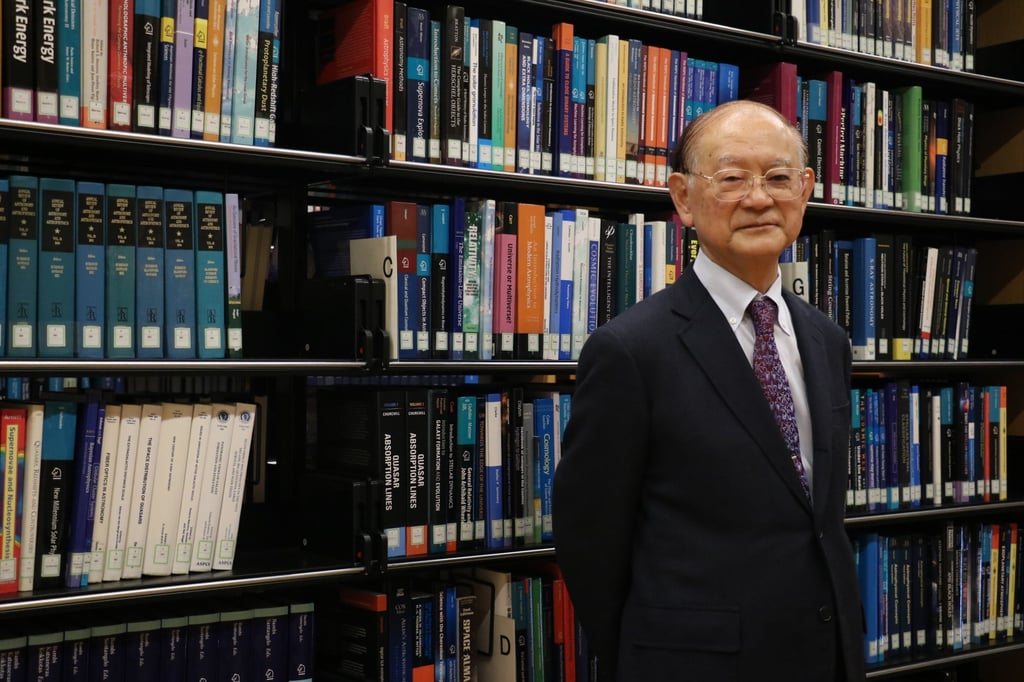
“My supervisor at the University of Tokyo, Professor Daiichiro Sugimoto, taught us about the critical role of entropy, which affects the structure and evolution of materials, including stars,” Nomoto says.
“I started to work on white dwarfs [a small, dense star near the end of its life] in close binaries and showed they undergo explosions under certain conditions with a theoretical model. But it wasn’t until I went to the US as a postdoctoral researcher at Nasa’s Goddard Space Flight Center that I was told my model predictions of exploding star spectra were quite similar to their supernovae observations. That was very exciting.”
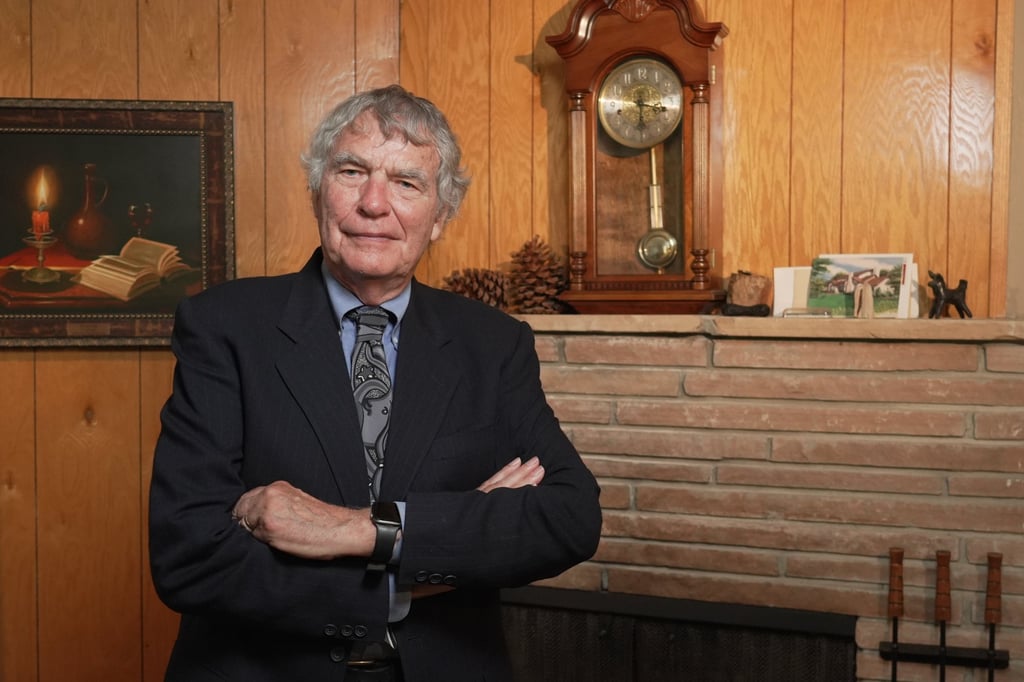
For American astrophysicist Stanford Woosley, professor of astronomy and astrophysics at the University of California, Santa Cruz, in the United States, the pivotal moment came when he was a first-year student sitting in the audience during President John F. Kennedy’s historic “We choose to go to the moon” speech at Rice University in Texas in 1962.
“That was tremendously impressive and exciting for me,” Woosley says. “I wanted to be an astronaut like everyone my age then. I was curious about extraterrestrial life, but here was something real. I didn’t become an astronomer then, but the seed was planted.”
As someone who always wanted to know how things worked, his later career path had a clear sense of destiny fulfilled.
Over the course of their careers, Nomoto and Woosley have conducted independent but complementary research, moving in parallel directions and motivated in part by a sense of friendly rivalry.
Read Full Article At Source