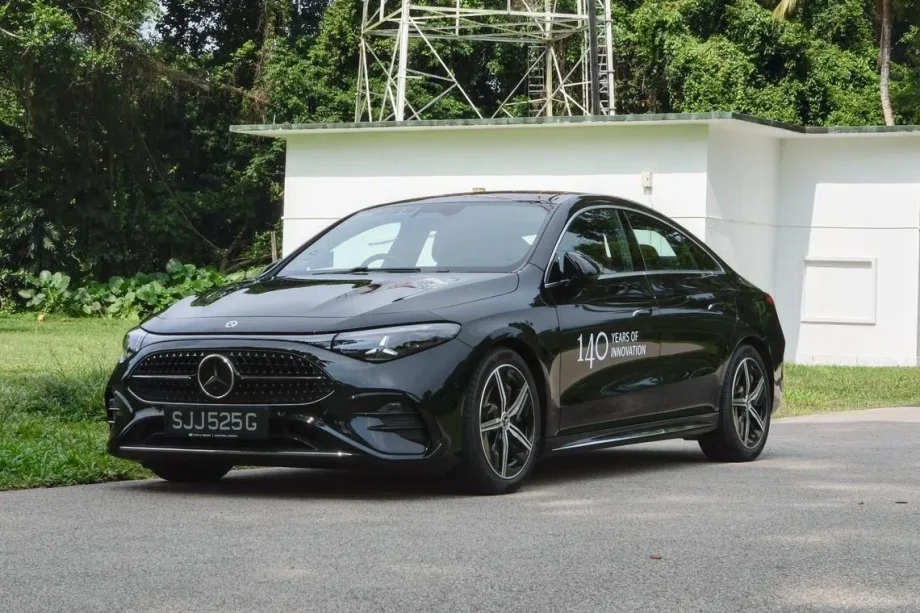
The CLA is one of the brand’s junior models. Should you pay so much for one? I spent a weekend with it to find out.
High COE prices have pushed car prices in Singapore to new heights. This partially explains why one of Mercedes-Benz’s entry-level sedans now costs over S$300,000. And once you factor in the changes to the PARF rebate scheme, it becomes clear that car ownership has the potential to become financially ruinous. Or at the very least, extremely expensive.
But the way I see it, car ownership has always been more about wants than needs. If we approached this problem with a sound mind and a calculator, surely the more mathematically logical solution for most people would be public transport plus the occasional Grab ride? The heart wants what it wants, and that is why the CLA is one of Mercedes-Benz’s best-selling models.
All-new platform for the CLA
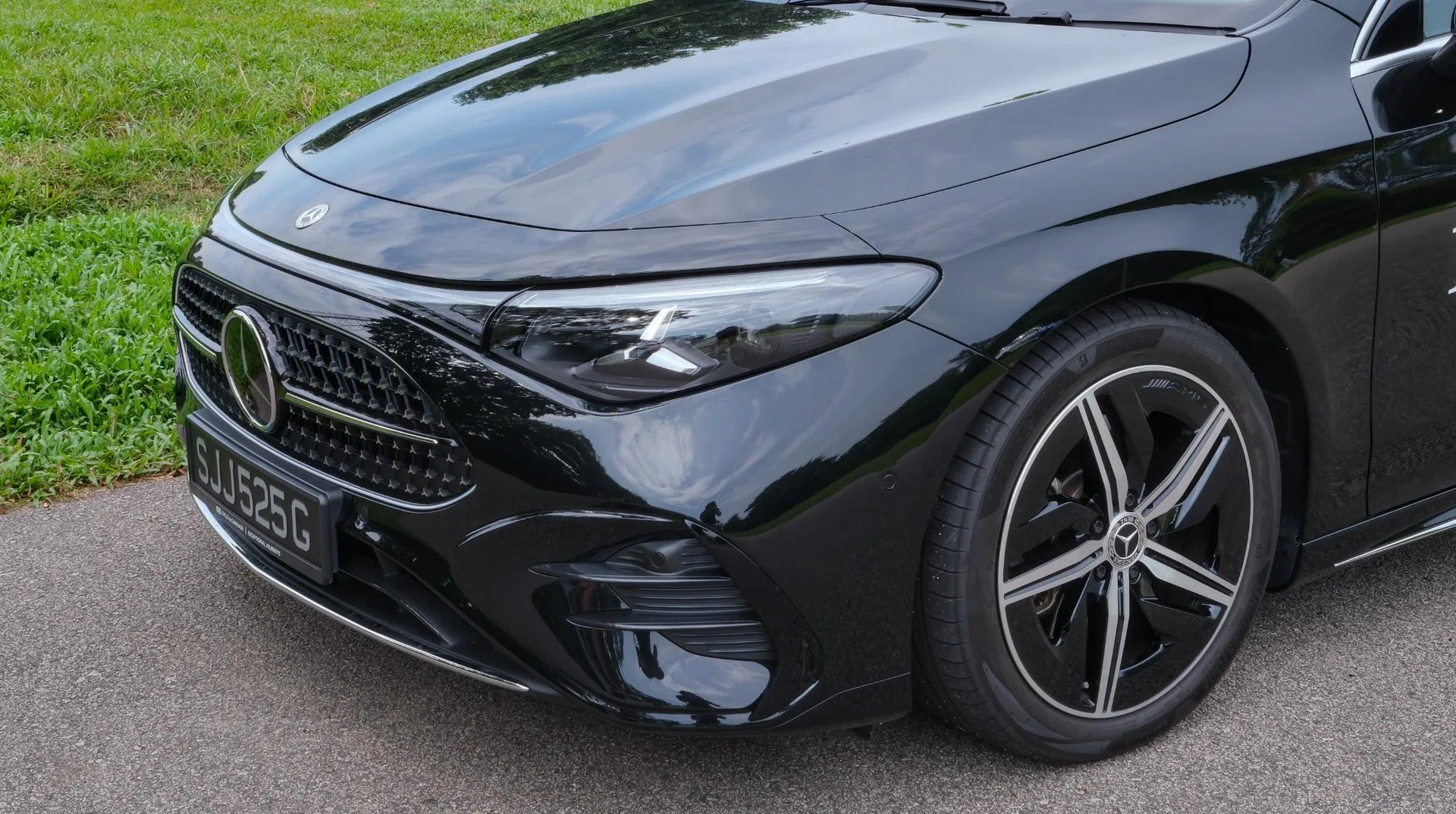
The three-pointed star is everywhere you look.
Photo: HWZ
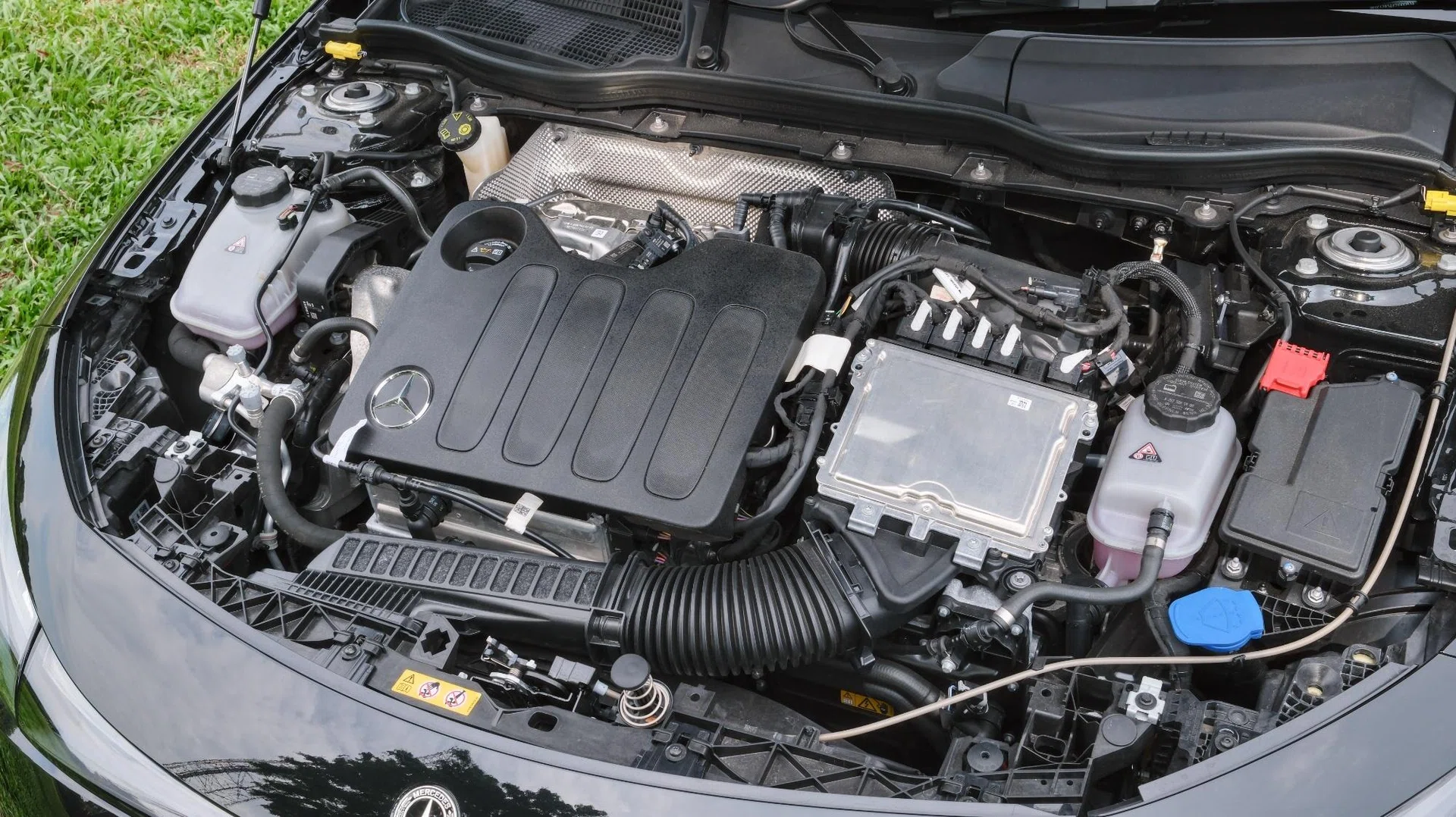
The first thing you need to know about the new CLA is that it’s built on the brand’s new MMA platform (Mercedes-Benz Modular Architecture). This platform was conceived so that the CLA could be developed as both a hybrid and a battery electric car. The model that I drove was the hybrid, specifically the CLA 200 AMG Line Sport.
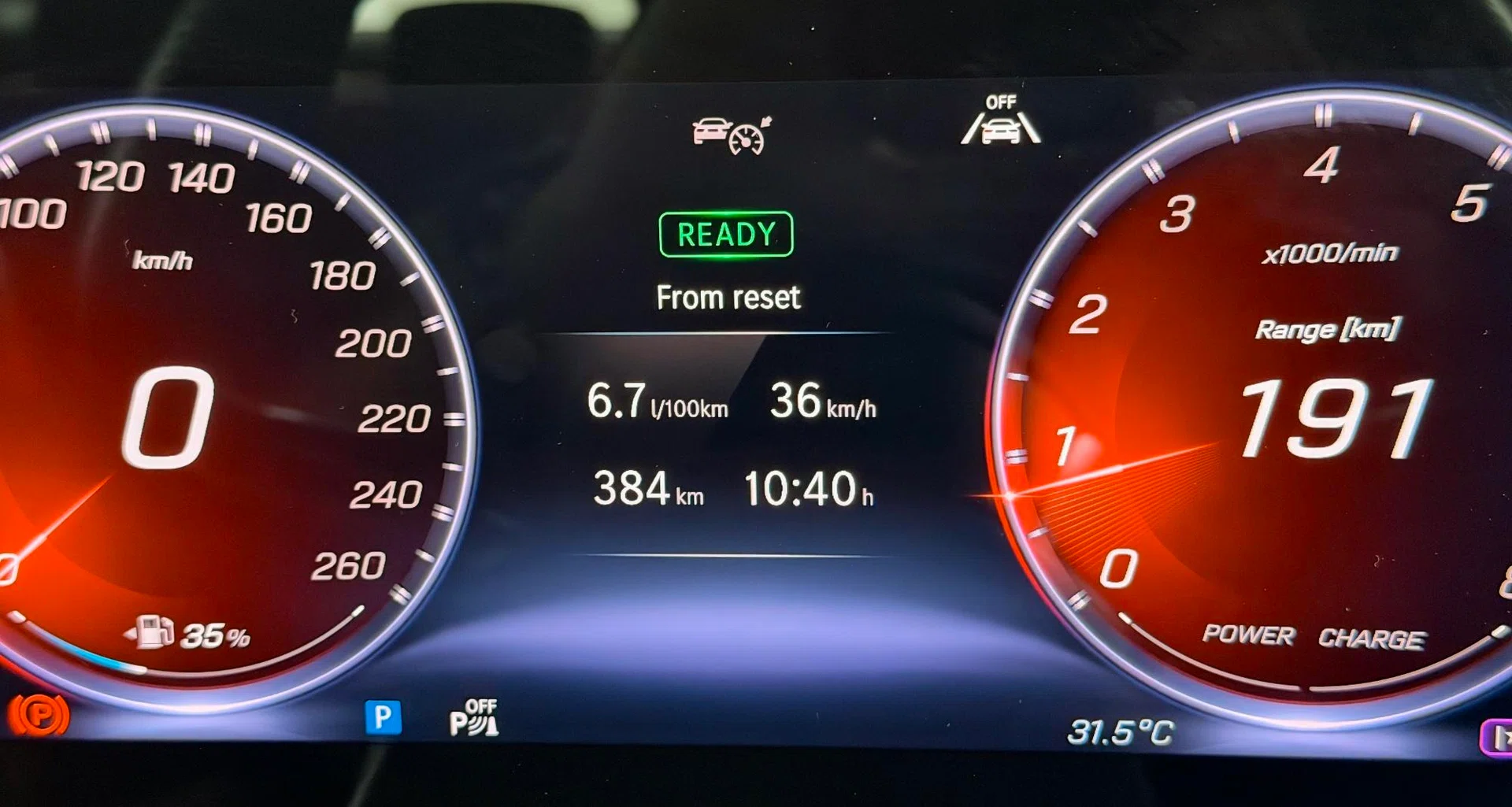
This has a proper full hybrid drivetrain, which means it can run on just electric power alone – though it must be said that this is actually quite rare (more on how it drives later). What you need to know at this point is that the engine is a 1.5-litre turbocharged 4-cylinder that produces 163hp and 250nm of torque. The electric motor adds another 30hp, but because they don’t produce peak power at the same time, you can’t add them up and say this is a 193hp car.
Design
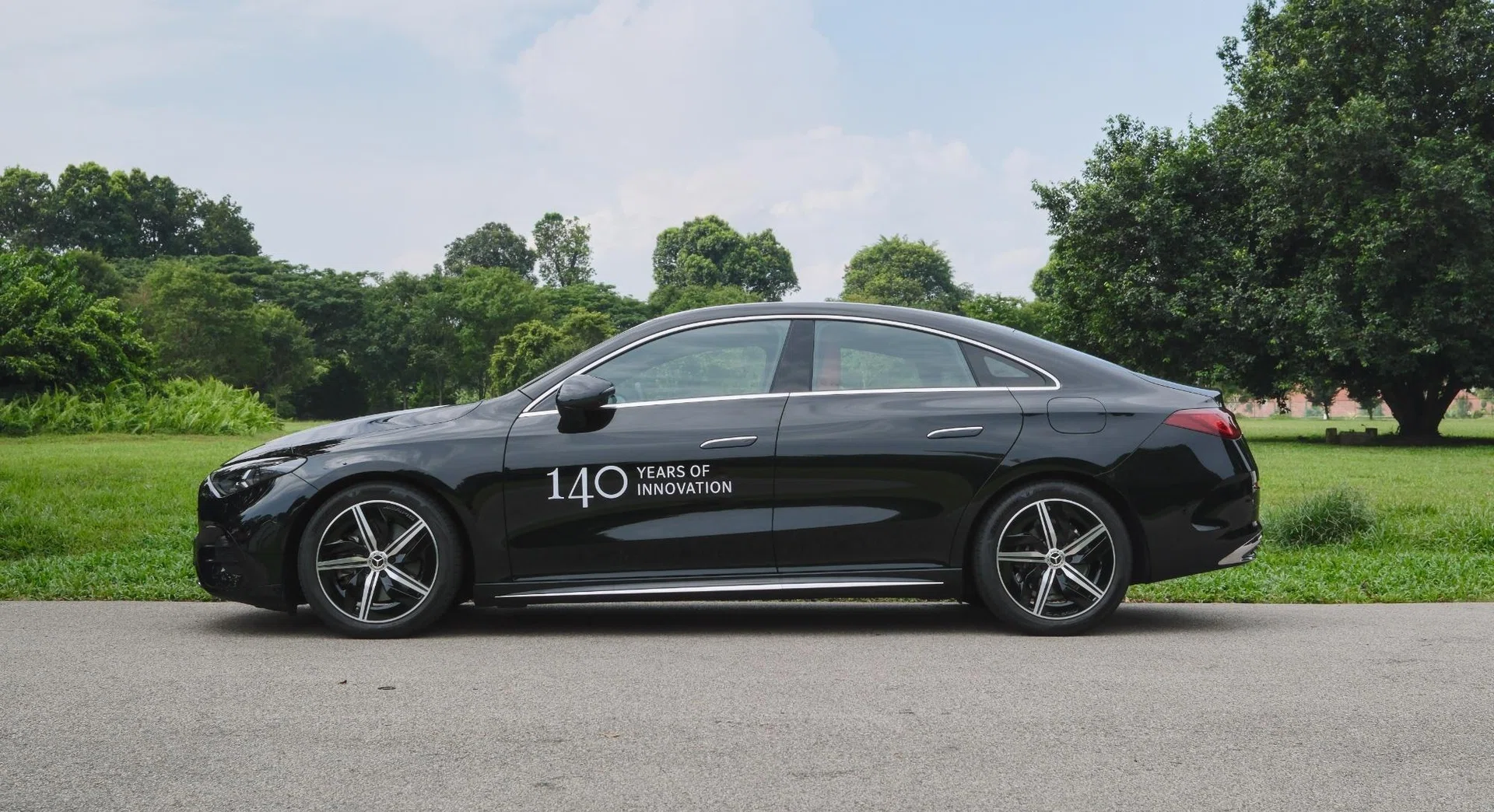
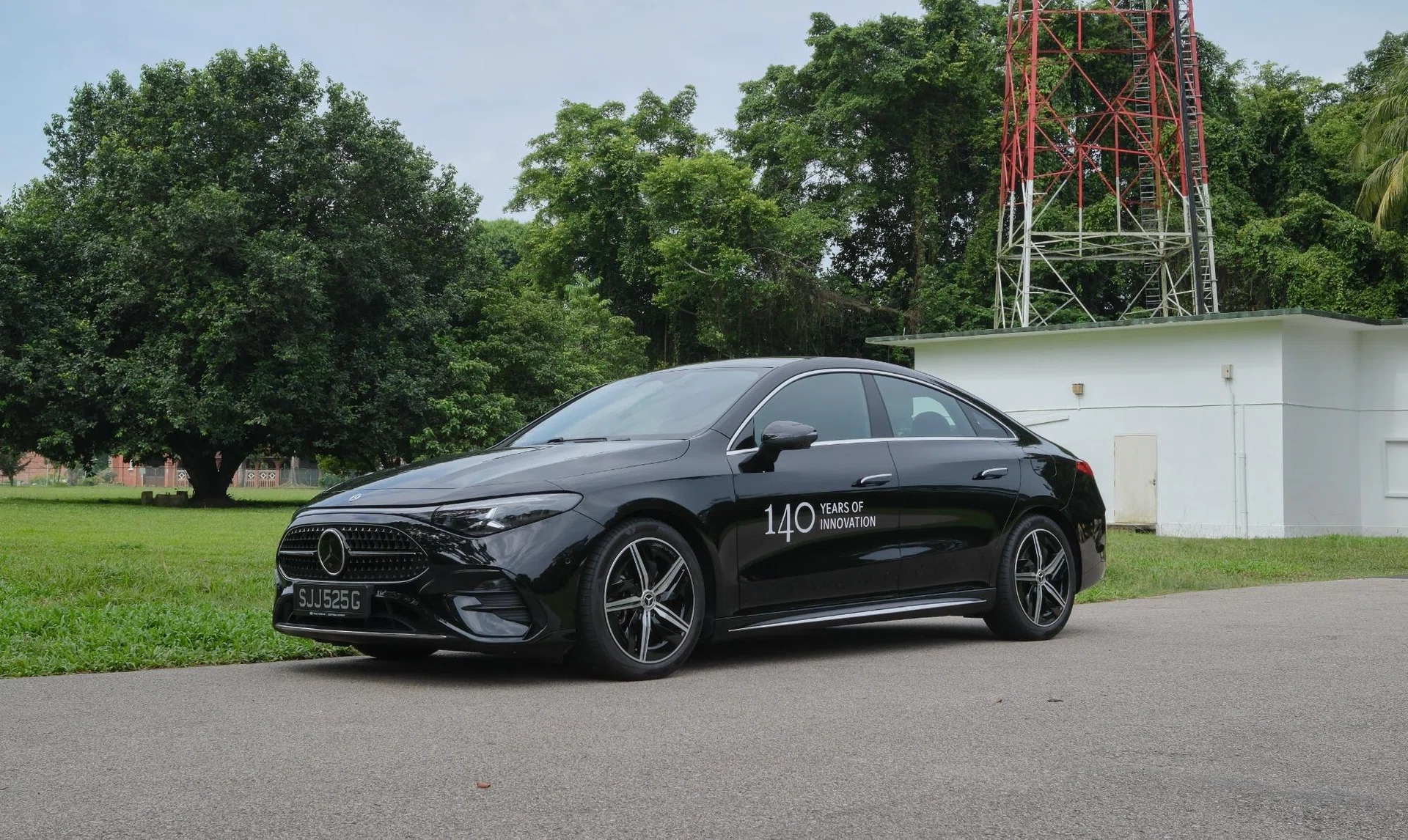
It’s long and slender.
Photo: HWZ
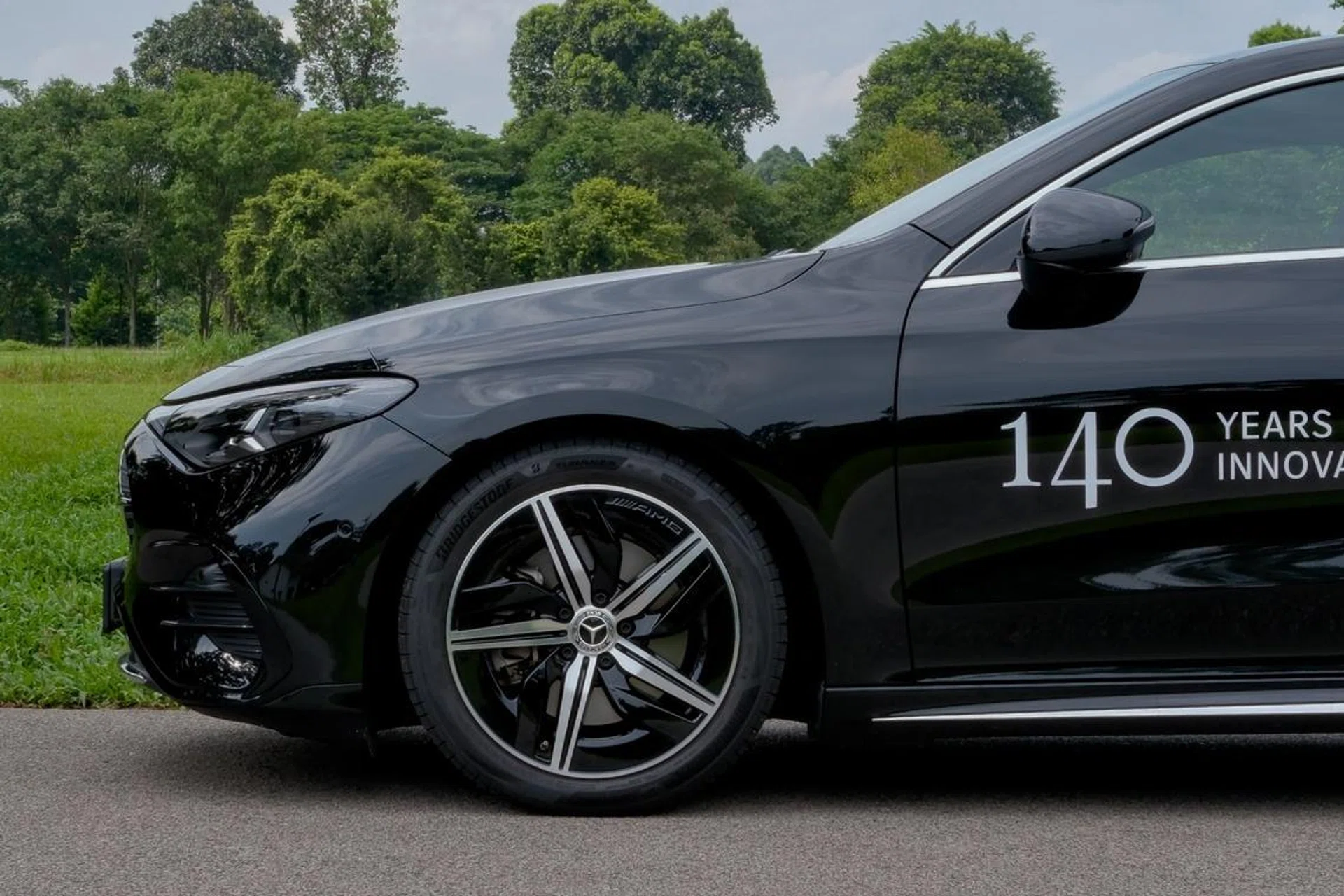
Mercedes-Benz’s new styling direction has been controversial, but the new CLA is arguably less divisive than some of the other new Benz models – the AMG GT 4-door Coupe comes to mind.
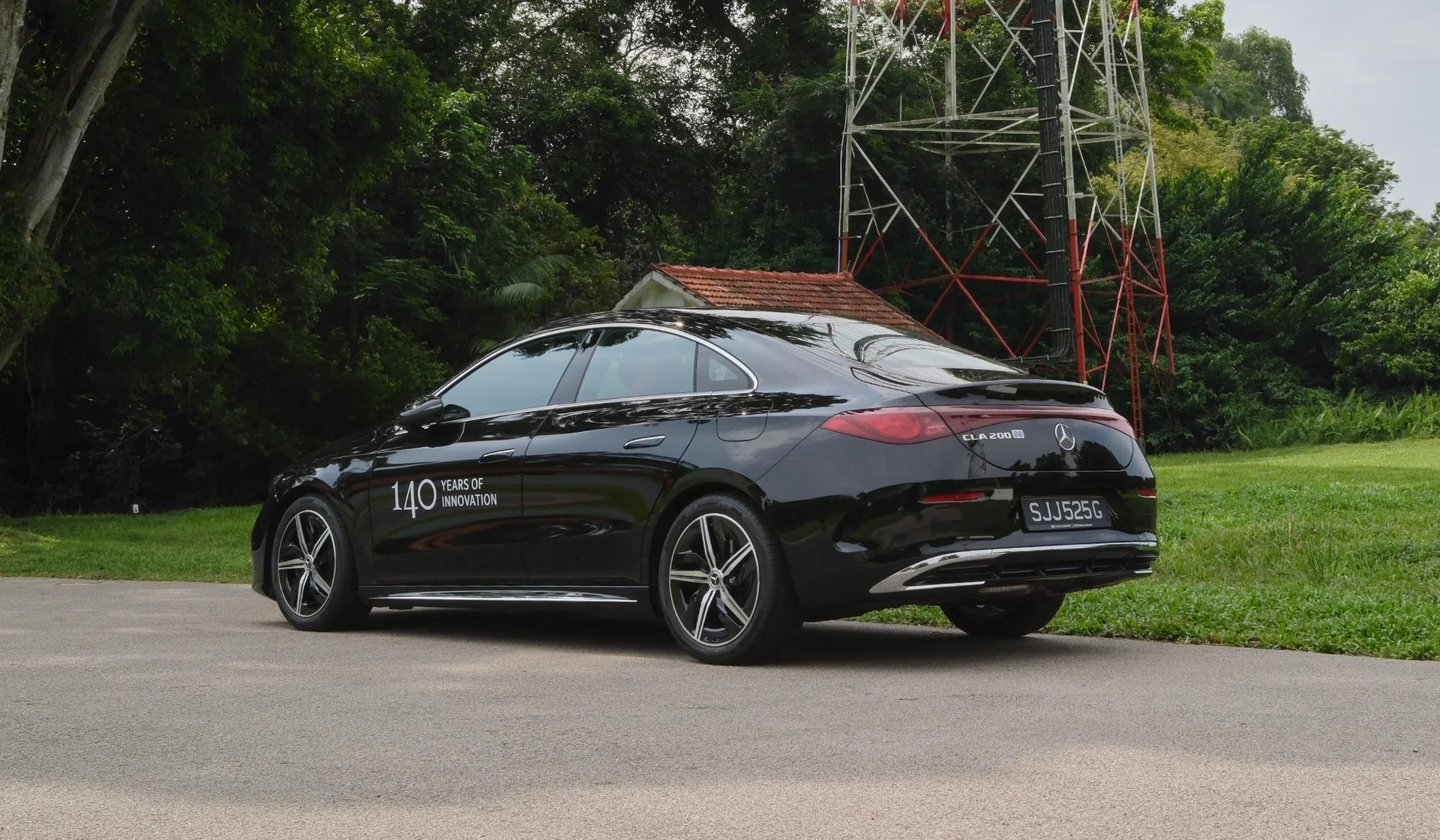
In terms of styling, it’s clearly related to the model it replaces, but I’m unsure about that front light bar and worry it won’t age well. It’s certainly less conspicuous on a dark-coloured car like this test car. Whether that’s a good or bad thing will depend on how you feel about light bars in general. I think they tend to split a car’s front fascia in a way that might be too severe. The rear light bar is more agreeable to my eyes. It accentuates the rear, making it look slightly wider than it actually is.
Read Full Article At Source