FIVE PRESSURE POINTS
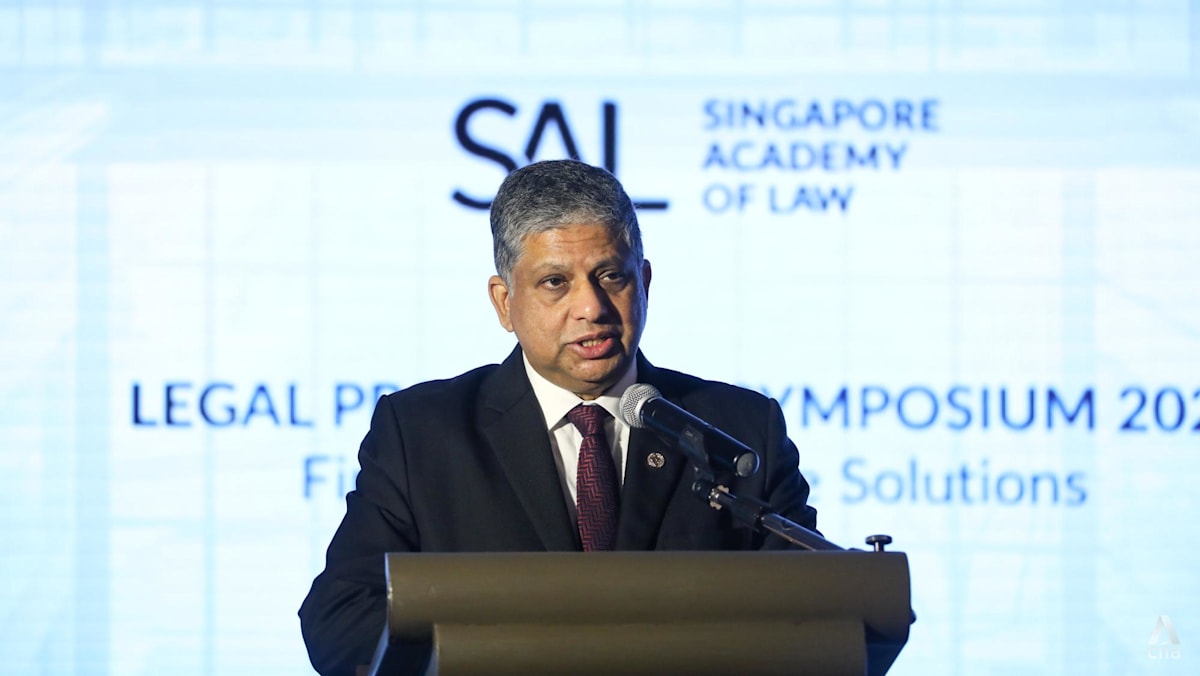
Also speaking at the symposium, Chief Justice Menon set out five areas that bear on the sustainability of the profession – the intensity of legal work, how lawyers are measured and rewarded, workplace culture, leadership and mentorship, and differing generational expectations.
Keeping the profession sustainable cannot mean eliminating pressure, lowering professional standards or treating every difficult demand as objectionable, he said.
But young lawyers now experience the intensity of legal work differently from previous generations, largely because of technology, he added.
“Earlier generations could take home only as much work as their briefcases could carry. Today, work follows lawyers everywhere, all the time, all at once. And the possibility of being contacted at any hour by seniors and by clients can quickly become an expectation, indeed a demand, of constant availability.”
Young lawyers have also consistently identified billable targets as a major source of pressure, he said, citing complaints about being held accountable for targets or for securing their own clients early in their careers, without enough support and with little control over how work is allocated or fees recovered.
This raises deeper questions, said Chief Justice Menon. “Do our incentives reward what we should truly value, such as efficient work, sound judgment and ethical practices?”
He also questioned whether it is realistic to place such expectations on young lawyers moving from law school into practice, and whether the profession is devoting enough attention to preparing them for a long, intense but fulfilling career.
“Should we not be devoting attention to whether the hourly billing model remains relevant in this age of AI?”
Read Full Article At Source