Samsung at the crossroads of new foldables, powerful AI, and industry shortages
The rise of two important mobile technologies — mobile AI (that gets better day by day) and reliable foldable displays – has given foldable phones plenty of room to innovate and excite Android users once again.
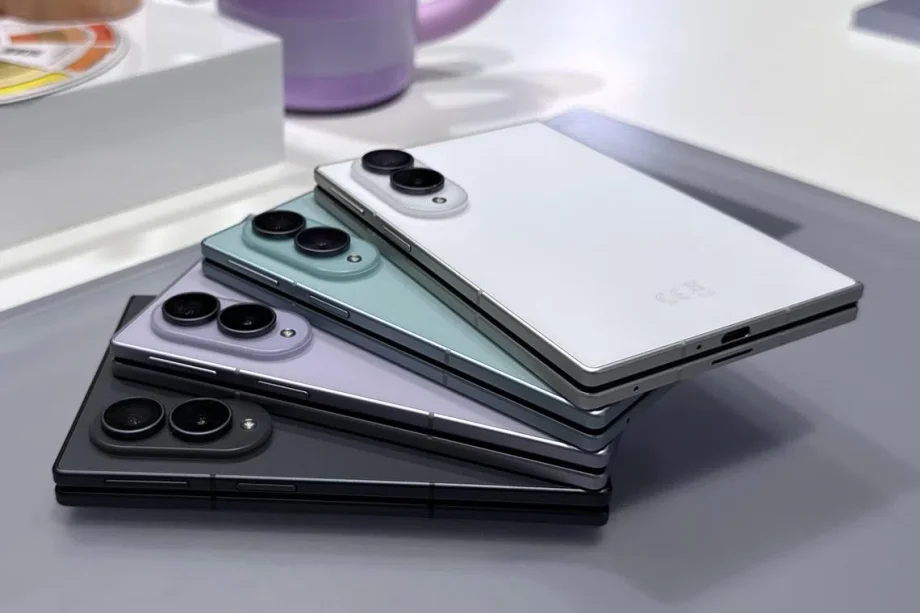
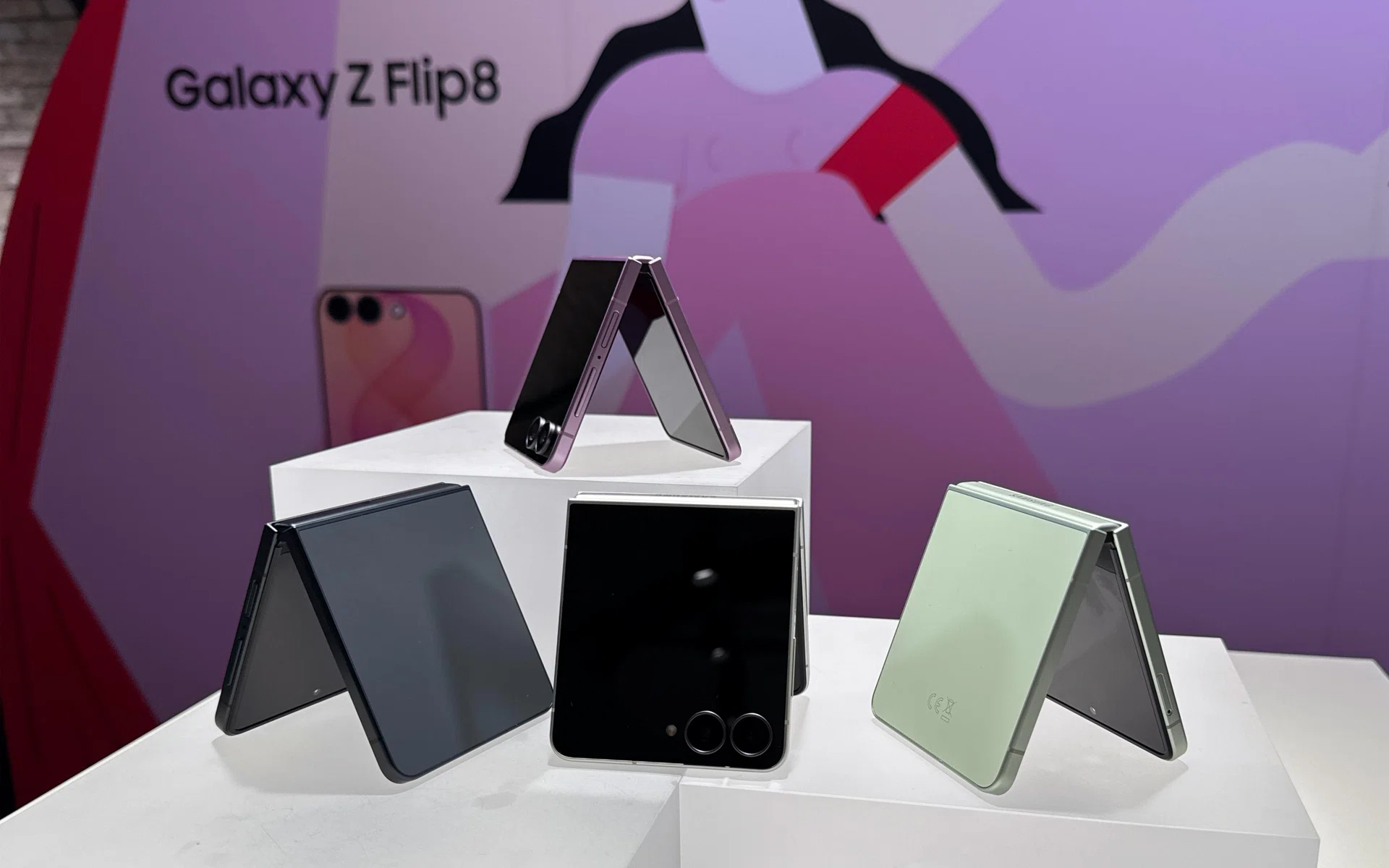
At that crossroads is Samsung, which just launched a brand-new form factor (Samsung Galaxy Z Fold8), alongside two tried-and-tested shapes that have lasted seven generations (Samsung Galaxy Z Fold8 Ultra, Samsung Galaxy Z Flip8).
Besides the use of Galaxy AI, a natural language Bixby, and deeper Google Gemini integration, the extra displays on these phones also unlock new viewing perspectives, more multitasking, and easier photo/video-taking for your social media platforms.
Samsung believes the next step is to ensure that both foldables and mobile AI are about relevance and making life easier for its users, and this is arguably challenging in Southeast Asia — a place that’s home to at least 2,000 distinct groups of people across 11 nations (and just as many commonly used languages). It’s also both a blessing and a curse that foldable buyers are repeat purchases, and that pace is set to increase over time.
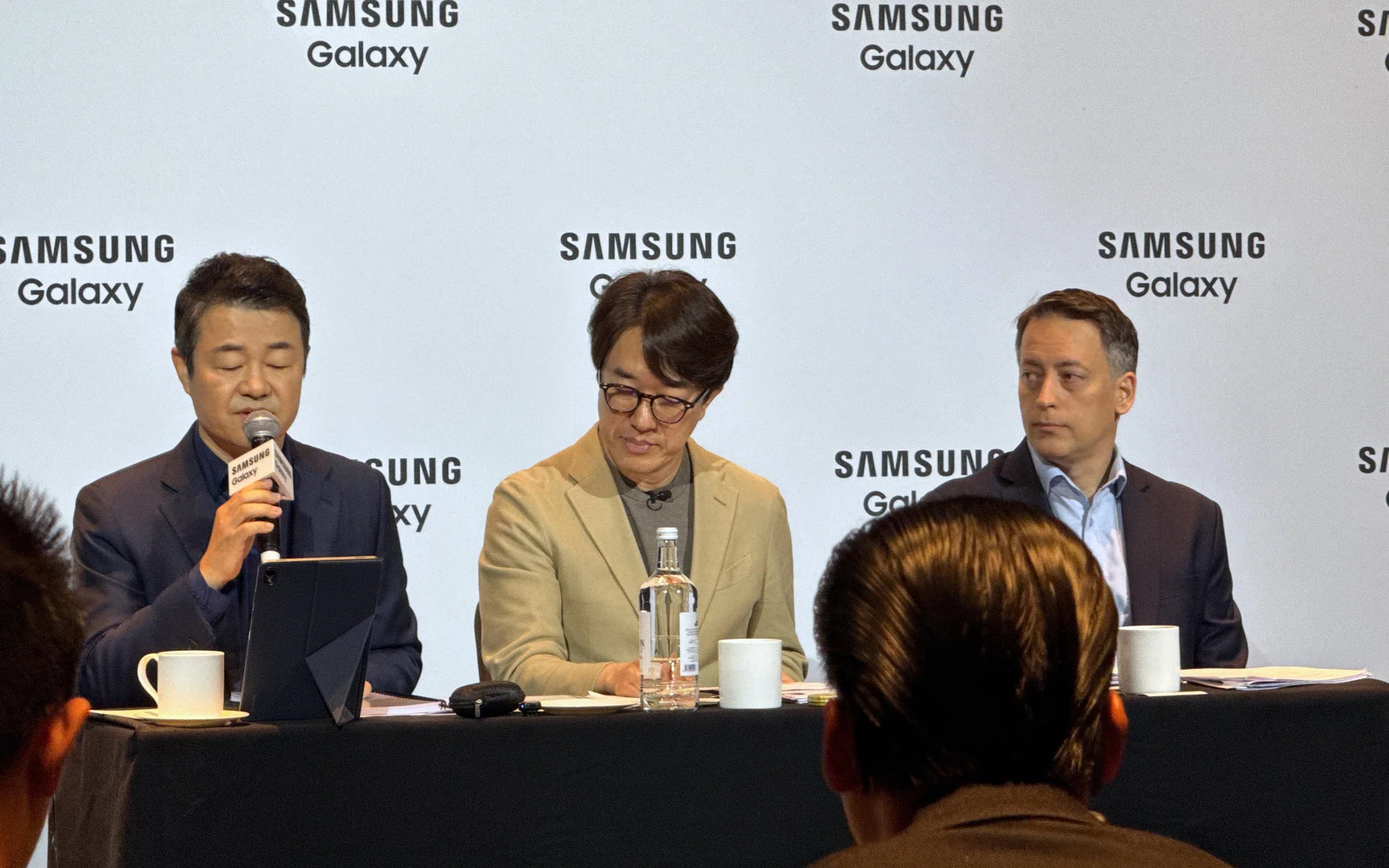
(L to R): CU Kim, Won-joon Choi, and Carl Nordenberg of Samsung addresses every burning question about the new foldables and Galaxy AI.
Photo: HWZ
To address the growing need for mobile AI, the affordability of cutting-edge phones, and other burning questions, the Southeast Asian media faced off in an 80-ish minute, mutually gruelling rapid-fire chat with:
- (Left) CU Kim, CEO, Samsung Southeast Asia and Oceania
- (Centre) Won-joon Choi, COO, Global Mobile eXperience, Samsung Electronics
- (Right) Carl Nordenberg, Head of Mobile eXperience, Samsung Southeast Asia and Oceania
You might recognise at least two of them from our previous conversation about Samsung’s Galaxy AI and its future in the Southeast Asian region. This time, the executives came prepared to share the bigger picture of its SEA intentions, now that foldables are finally seeing some maturity as a product category. We’ve distilled it to the most crucial 10% of our conversation that speaks about Samsung’s future in mobiles.
This interview was conducted in both Korean and English, and has been edited for clarity. There may be slight differences from the original recording.
With a new form factor (Galaxy Z Fold8), what consumer need (do you think) is addressed with this device, and what is the direction of the Galaxy Z Fold lineup in the future?
Won-joon: Since 2019, when Samsung first launched the foldable category, we’ve studied hard on consumer behaviours and how they interact with their foldables. The Fold’s large screen is very good for productivity, while the Flip was for pocketability. We understood that users went beyond with foldables by also using them a lot for media consumption. Thus, we’ve launched a new (wide, passport-style) foldable, the Galaxy Z Fold8.
With three products in our lineup, I believe that turns our foldable category into a refined completion. Ultra is for productivity, Fold 8 for consuming media with an optimised viewing experience for users, and Flip will continue to centre on design and pocketability. I don’t believe one form factor will dominate the category, and that we have the right lineup set to meet unique user needs.
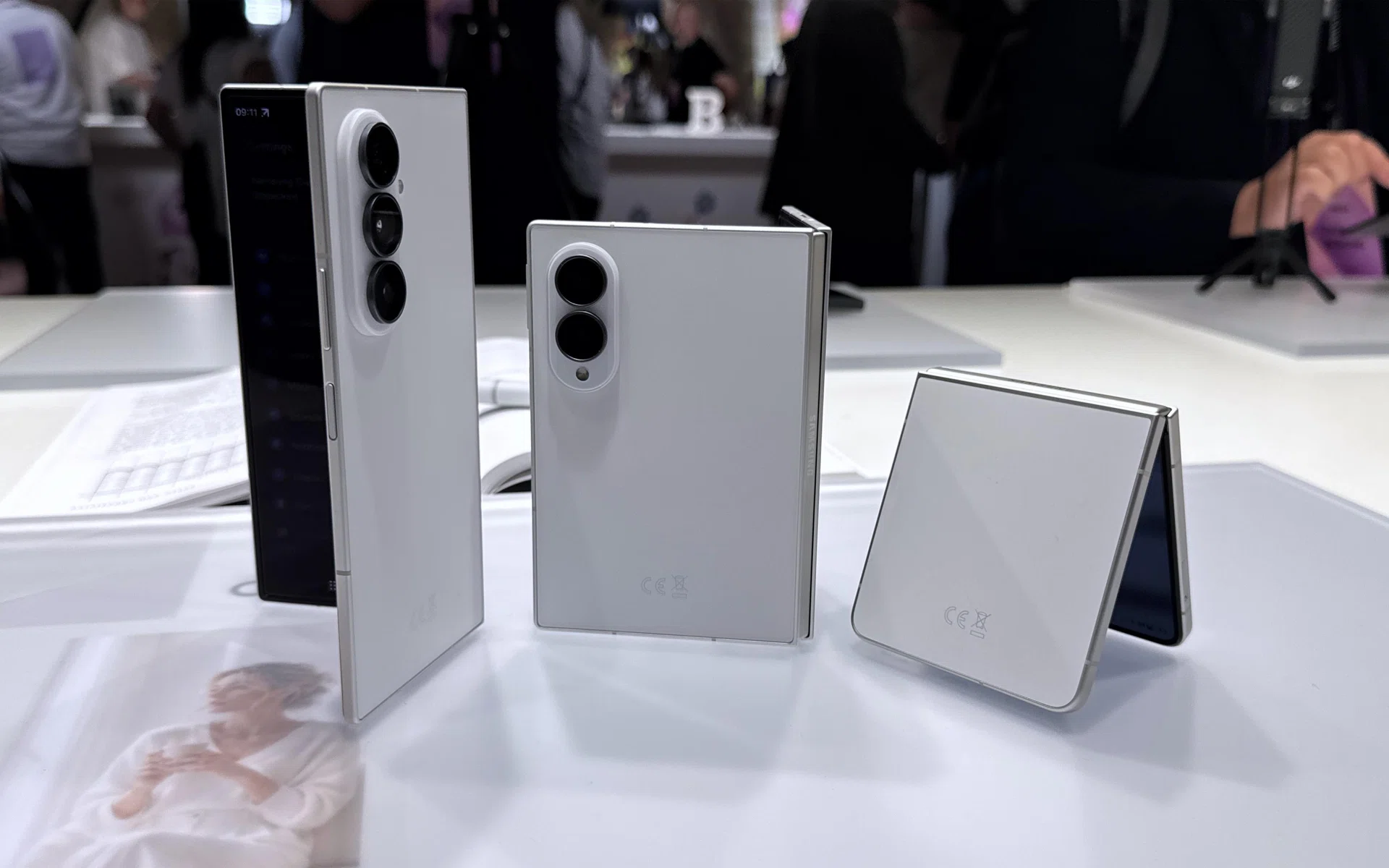
(L to R) Samsung Galaxy Z Fold8 Ultra, Galaxy Z Fold8, and Galaxy Z Flip8.
Photo: HWZ
What are the biggest barriers to getting users to adopt Samsung’s AI, and where do you see the biggest opportunities? How far does Samsung actually go in adapting its AI to local languages and everyday habits?
CU: For Samsung, the diversity (of this region) is a core direction our AI must adapt to, instead of being a challenge. To that end, the region operates three R&D centres (located in Vietnam, Indonesia, and the Philippines). Through these centres, we develop Galaxy AI optimised for localised needs. Currently, we have 22 languages supported globally, with the region supporting Filipino, Indonesian, Thai, and Vietnamese.
You probably noticed that the bill of materials for making phones has skyrocketed because of AI. Do you ever regret being an exponent of AI?
Won-joon: I think with the rise of memory chip prices, it is affecting the whole industry, not only Samsung. And I think if you think about it, innovation in AI brings about a bigger change because it not only affects the industry, but it is very deeply woven into our everyday lives. So, in my opinion, this is something we cannot avoid. This is a big wave.
With multiple AI agents like Bixby and Perplexity available on Galaxy devices, how does the user even decide which one to use, and how do they truly differ in their roles?
Carl: We think from a consumer perspective: there’s no one right AI agent or model to use, so we want users to have that flexibility to use the right model at the right time for their needs. We think of it in terms of the best AI experience possible, and the current scenario offers different agents with different strengths. For example, Bixby understands your Galaxy device well enough to take actions within and beyond the broader Samsung ecosystem, while Perplexity is excellent at search, research, discovery and analysis.
Read Full Article At Source