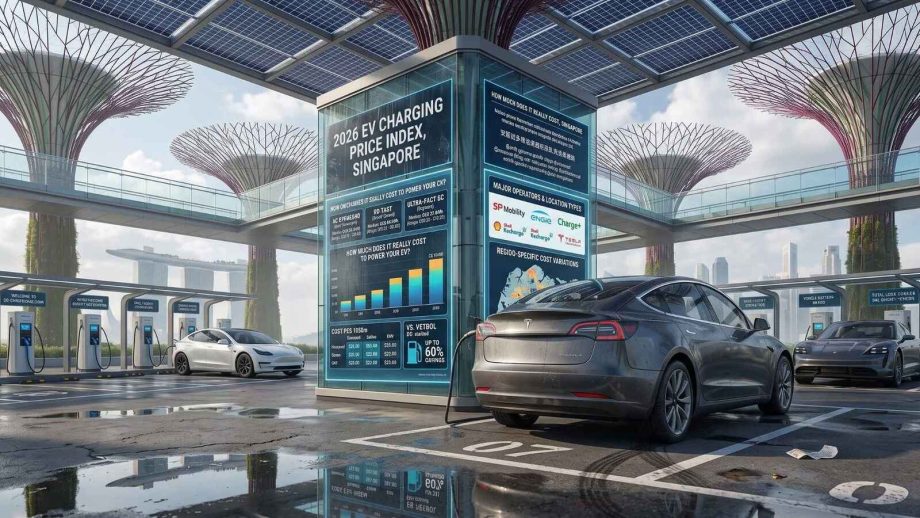
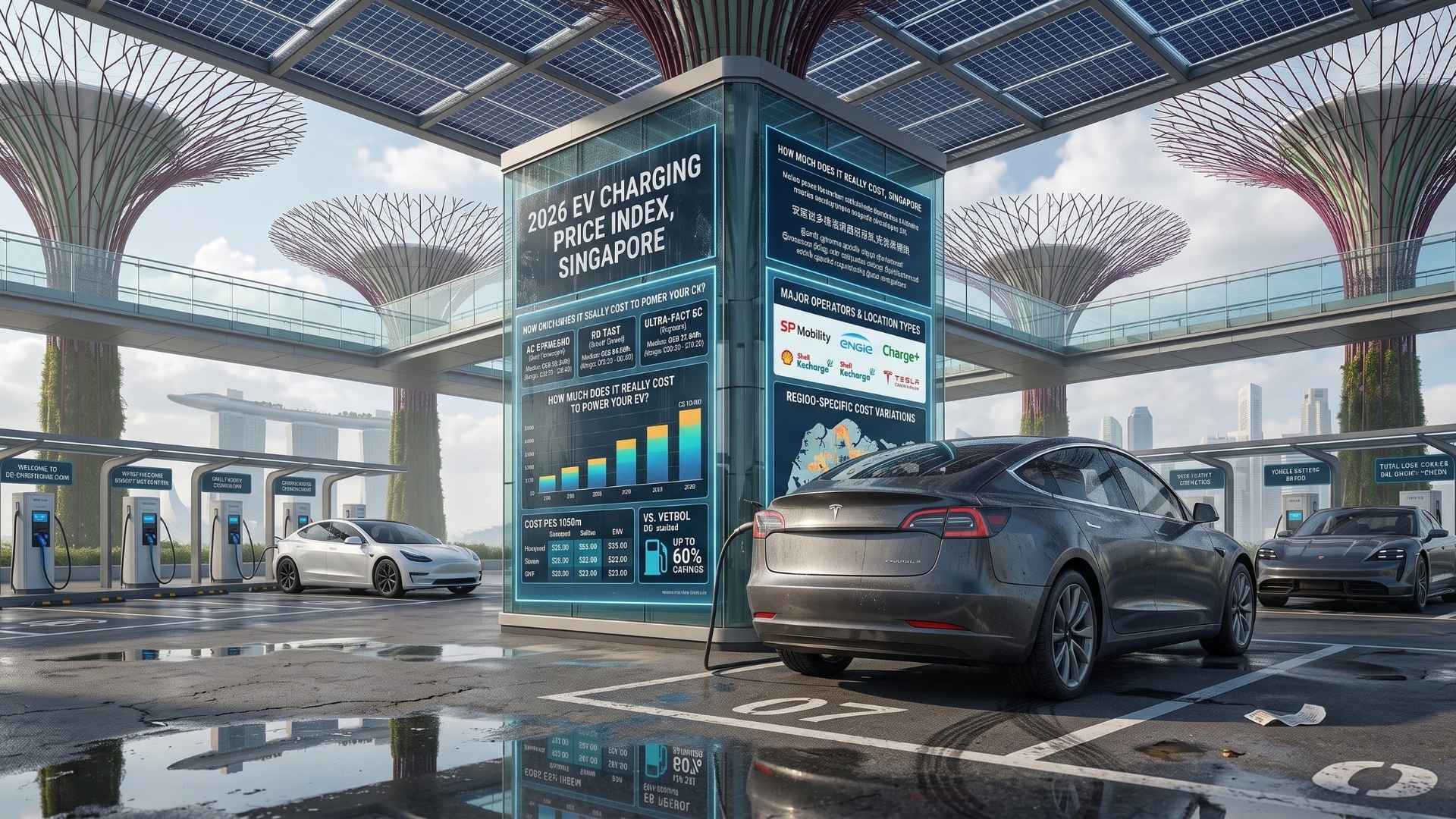
Singapore’s automotive landscape is currently undergoing its most significant transformation since the introduction of the COE system. With the Singapore Green Plan 2030 in full swing and the goal of phasing out Internal Combustion Engine (ICE) vehicles by 2040, the island has seen a massive surge in Electric Vehicle (EV) adoption.
However, for many new EV converts, the simple habit of visiting a petrol station has been replaced by a much more complex reality: The EV Charging Price Index.
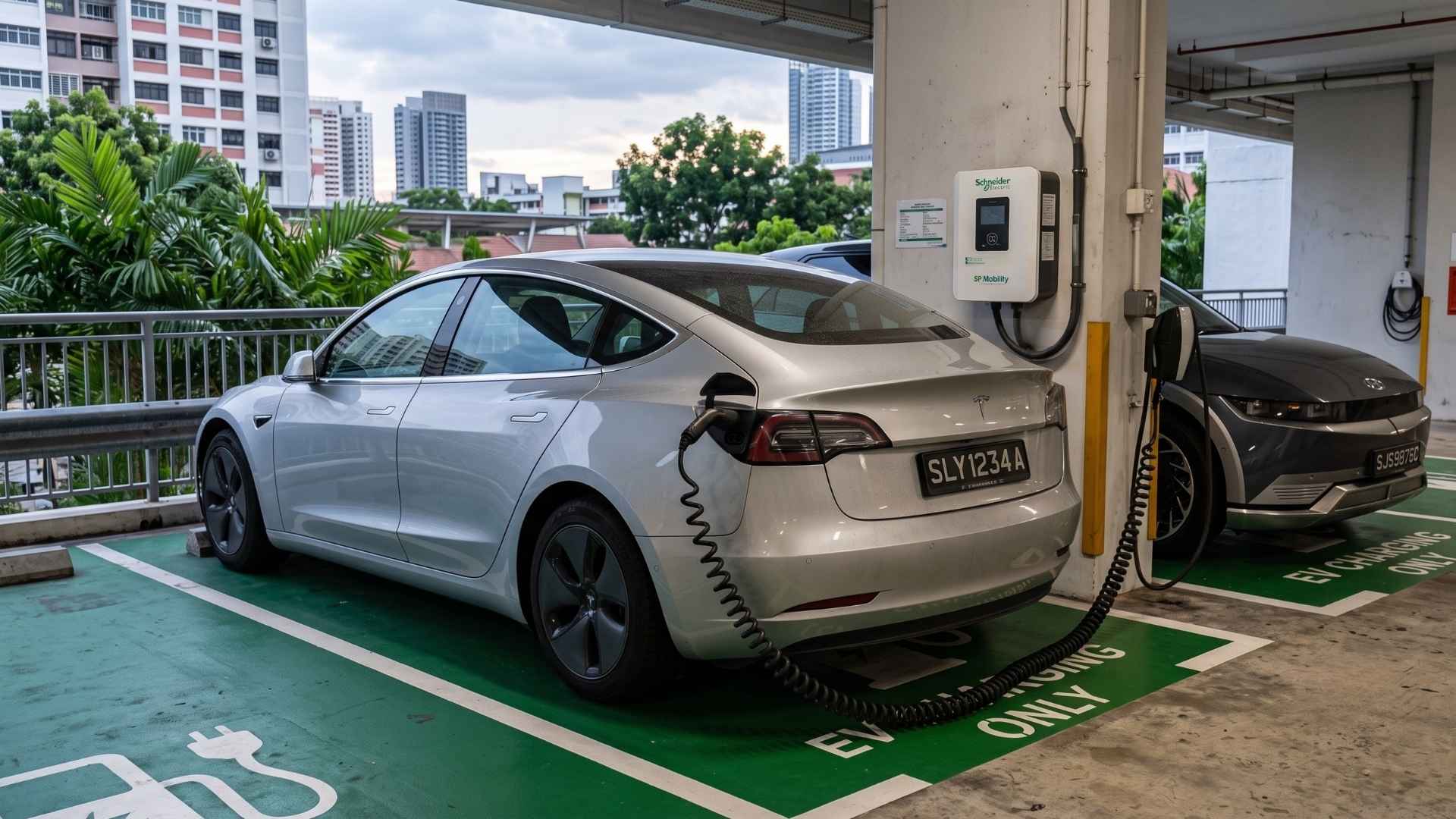
Unlike petrol, which has a relatively transparent daily rate displayed on large LED boards, EV charging costs in Singapore vary wildly. Prices depend on the provider, the speed of the charger (AC vs. DC), the location (HDB vs. Mall vs. Petrol Station), and even the time of day.
In this definitive guide, we analyze the current price index, compare the major charging networks like SP Group, Shell Recharge, and Charge+, and show you how Motorist Singapore can help you navigate this high-tech landscape effortlessly.
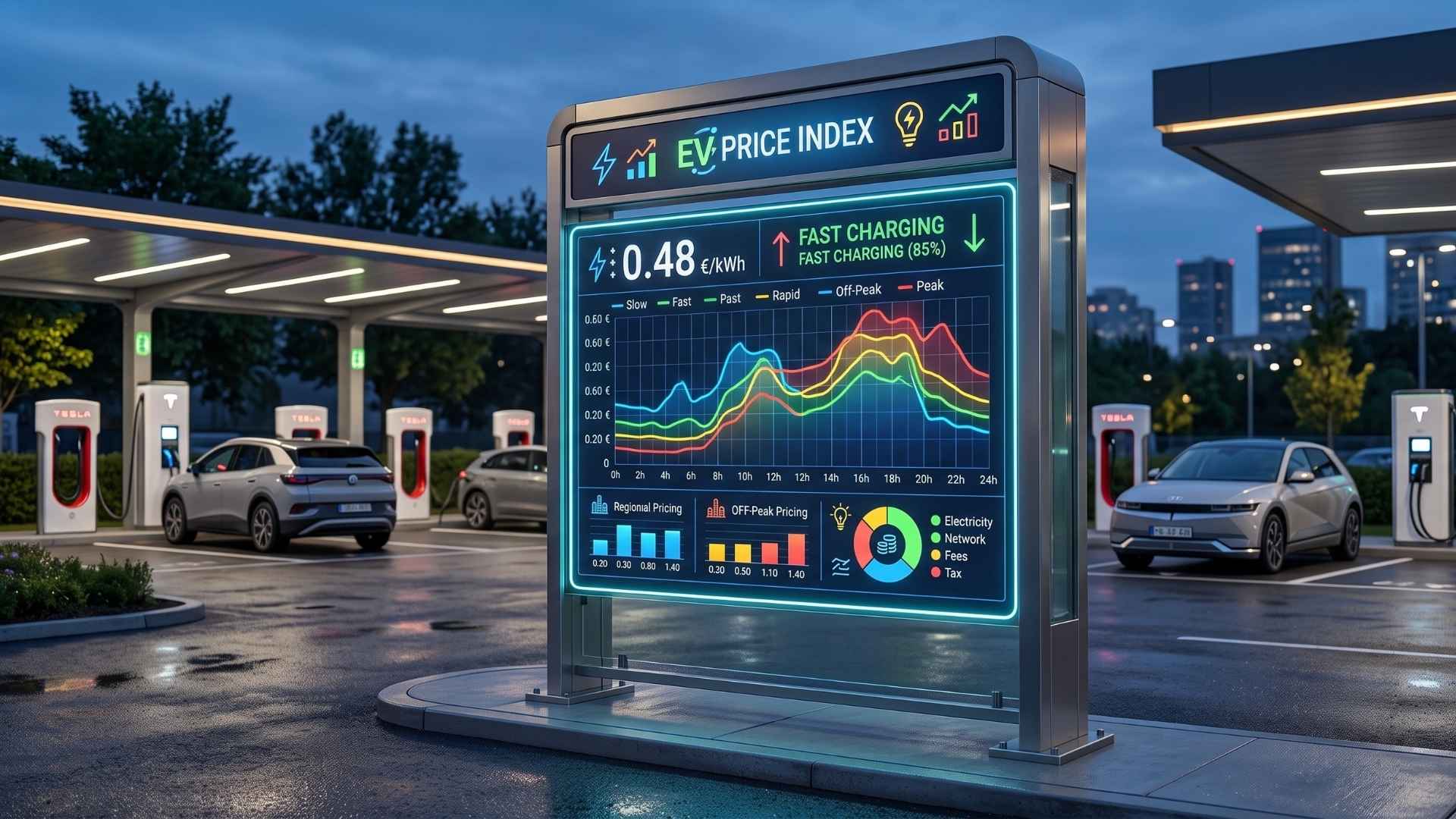
Understanding the EV Charging Price Index
The cost of charging an EV in Singapore is primarily measured in cents per kilowatt-hour (kWh). For reference, a typical BYD Atto 3 or Tesla Model 3 has a battery capacity of roughly 60kWh. A full charge from 10% to 100% requires about 54kWh of energy.
As of July 2026, the EV Charging Price Index Singapore is divided into four distinct categories:
Category A: Government-Linked & HDB Residential
-
SP Group: The primary utility provider. Their rates are heavily influenced by the regulated electricity tariff set by the Energy Market Authority (EMA).
-
CDG Engie: A massive player in the HDB heartlands. They focus on “slow” AC charging (7.4kW/11kW), which is the cheapest way to charge overnight.
Category B: Private Commercial Networks
-
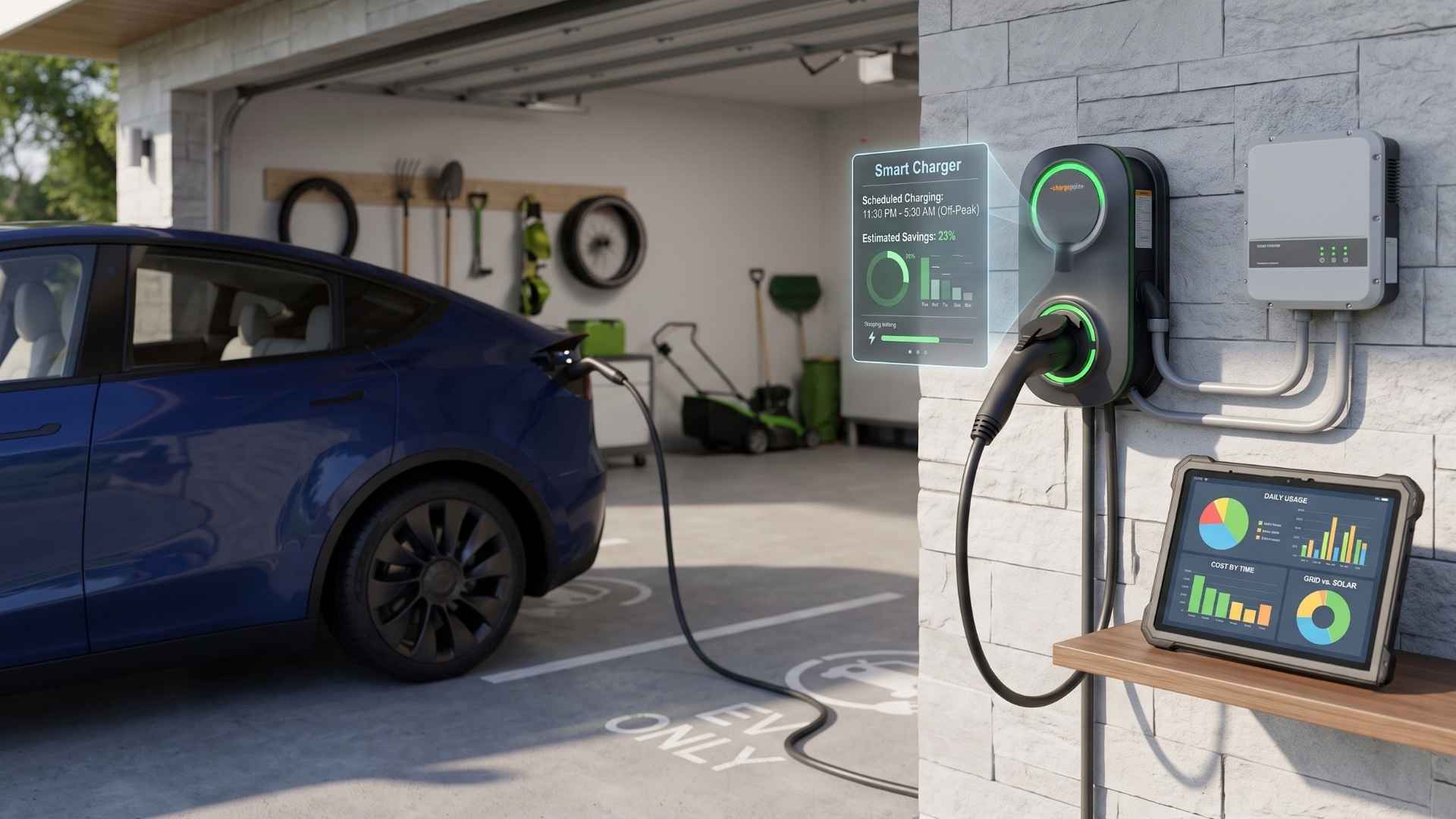
Charge+: Known for their slimline chargers that fit easily into HDB and Condo parking lots.
-
Tesla Superchargers: Proprietary high-speed chargers. While Tesla owners get the best integration, they also face some of the most aggressive “congestion pricing” in Singapore.
Category C: Premium/Flash Charging
Category D: Destination Charging
Comparing the Major Players: 2026 Rate Index
| Provider | AC Rate (per kWh) | DC Rate (per kWh) | DC Rate (per kWh) |
|---|---|---|---|
| SP Group |
~$0.63 | ~$0.72 | Reliability & National Coverage |
| CDG Engie |
~$0.59 | ~$0.69 | HDB Heartlands & Ease of Use |
| Charge+ |
~$0.61 | ~$0.71 | Condos & Smart Scheduling |
| Shell Recharge |
N/A | ~$0.80 | Ultra-Fast Charging Speeds |
| Tesla Supercharger |
N/A | ~$0.55 – $0.85 | Exclusive Tech & Congestion Logic |
| Bluecharge |
~$0.60 | N/A | Ubiquitous Street Parking |
AC vs. DC: The Technical Cost Divide
When looking at the EV Charging Price Index Singapore, the biggest price gap comes from the type of electricity being delivered.
AC Charging (Alternating Current)
Most HDB and Condo chargers are AC. These are 7.4kW or 11kW units.
-
Pros: Cheapest rates, better for long-term battery health, perfect for overnight charging.
-
Cons: Very slow. A full charge can take 6 to 9 hours.
DC Charging (Direct Current)
Read Full Article At Source