Switchboard is Polygon’s weekly newsletter for all things Nintendo, sent on Thursdays and published on the site on Saturdays. You can subscribe here.
Typically, game console manufacturers keep systems in production for years after they have been succeeded by a new format. As long as they’re still selling, it’s worth making them, and they often work as an entry-level budget system for new players. As one of the best-selling consoles of all time, this would presumably be the original Switch’s fate, and still might be, too. But not in Europe.
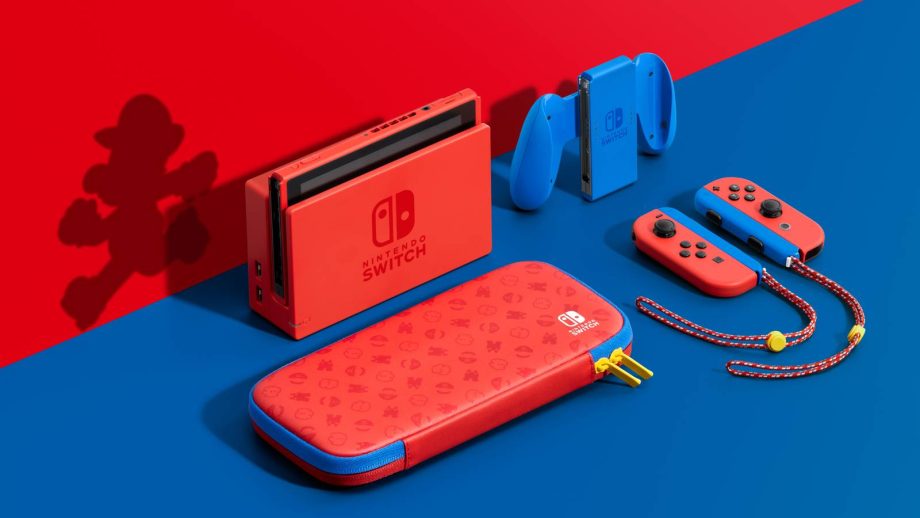
It recently came to light that Nintendo will end production of Nintendo Switch, Switch Lite, and Switch OLED for the European market in February 2027. This is likely earlier than Nintendo would have chosen, but its hand has been forced by new European “right to repair” legislation requiring batteries in electronic hardware to be easily removable and replaceable.
Nintendo is complying with this legislation by introducing a new model of the Switch 2 for Europe with a replaceable battery, as well as revised models of several peripherals, including the Switch 2 Pro controller and Joy-Con and Joy-Con 2 controllers. But the company has clearly judged that it’s not worth the trouble and expense of making the same revisions for the three models of the original Switch, given they are nearing the end of their natural shelf life.
This is logical. And it’s also come about for a very good reason. EU legislators are proud of their record in holding tech companies to account and curbing the extra expense and inconvenience they create for customers in the name of their bottom line. It’s thanks to them that every single device in your house, from MacBooks to cheap rechargeable reading lights, now uses the same USB-C connector to charge. No more pointless proprietary chargers and cables, more convenience, less waste.

Read Full Article At Source