SINGAPORE: A couple living in a condominium in Clementi sued the management to recover the cost of repairing termite damage to their unit.
The Management Corporation Strata Title of Freesia Woods condominium contended that the damage was a result of the couple’s “unauthorised and illegal” installation of a kitchen, which it said created a damp environment.
The court found instead that subterranean termites had been nesting in the ground soil and that the condominium management had failed to keep it free from such termites.
The claimants were awarded S$10,978 (US$8,520), along with costs and disbursements of about S$42,750.
This case appears to be the first reported one on the duty of management corporations to maintain common property in relation to termite prevention, according to a judgment published on Wednesday (Jul 15).
THE CASE
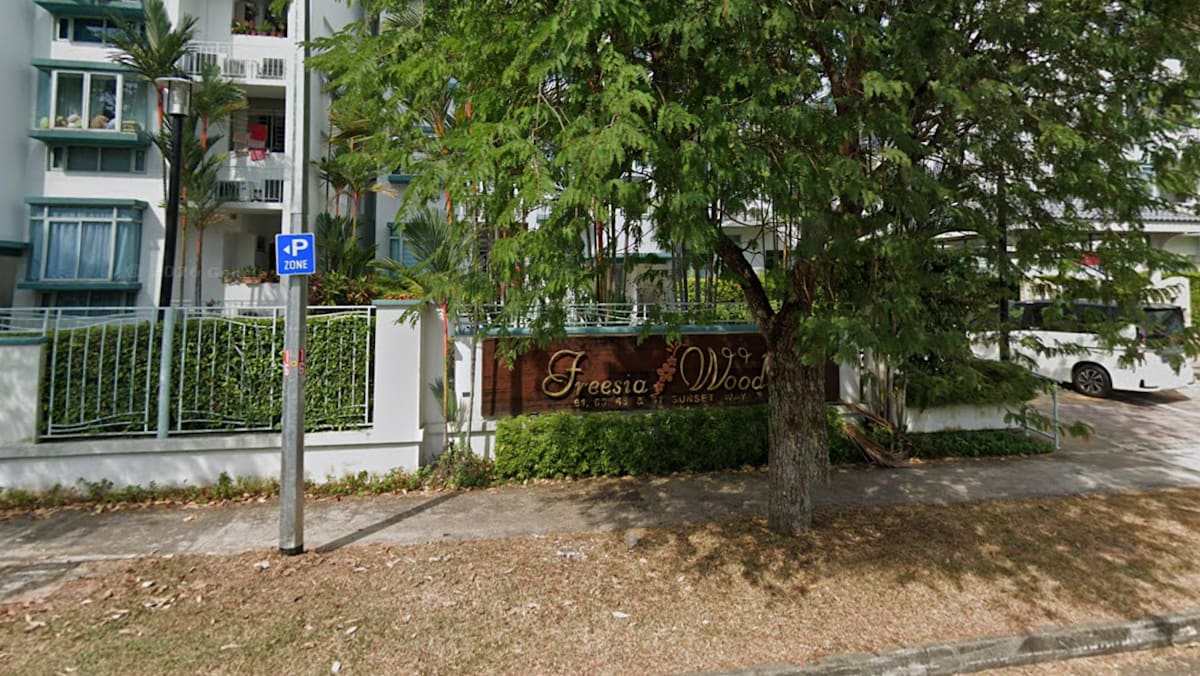
Mr Glenford Tan Ming Loon and Ms Vivien Loo Hwee-Wen own a unit at the top of low-rise condominium development Freesia Woods at 61 Sunset Way.
In December 2023, the couple discovered a termite infestation that damaged parts of their unit. The wooden cabinet was eaten by the termites, and the attached basin sink, marble top and backing had to be reinstalled with the cabinet.
They launched a claim against the condominium’s management, claiming that the latter had breached its duties by failing to ensure that the soil in the common property was free from subterranean termites.
They also argued that the condo failed to undertake all anti-termite treatment to the soil and allowed such termites to nest in or traverse through the soil and make their way to their unit.
The condominium’s management, defended by Eden Law, did not deny the infestation but said it was not caused by subterranean termites, which nest underground.
They argued that the couple had installed a kitchen in their unit illegally, creating a damp environment that caused their unit to be more susceptible to termite infestation.
The management also argued that some of the rectification works by the couple was unrelated to the termite damage.
Read Full Article At Source