Waze AI features, motorcycle mode & more

Waze AI features, motorcycle mode & more


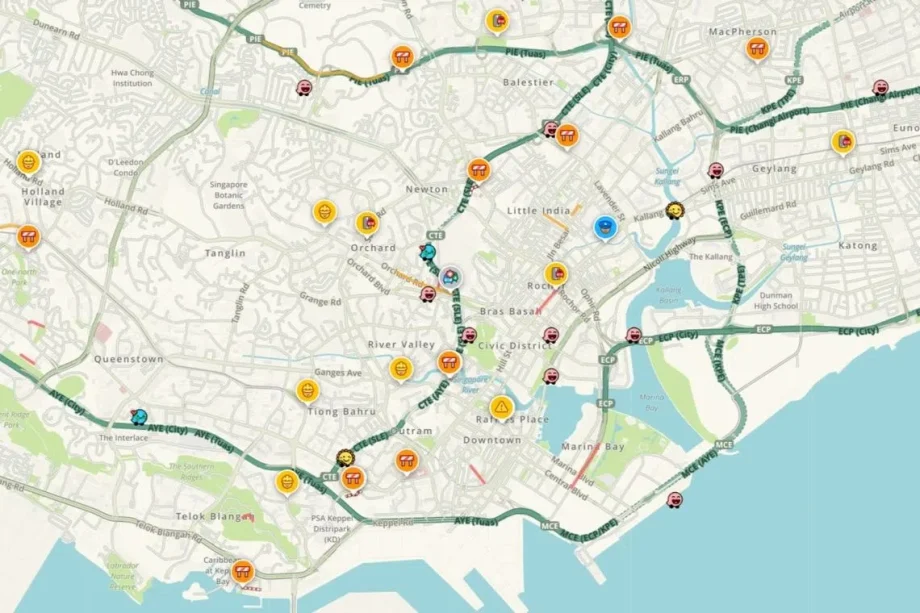
Google is bringing more Gemini-powered AI features to Waze, giving its crowdsourced navigation app a significant intelligence boost.

Motorcycle mode
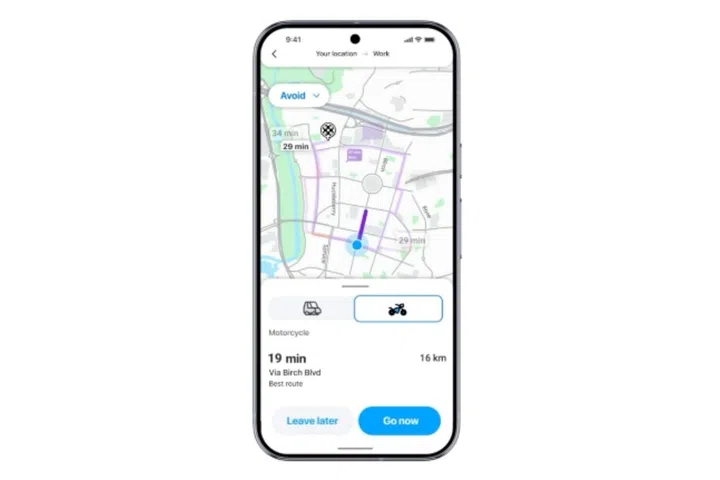
Interface of Waze’s Motorcycle mode.

Motorcycle mode on Waze offers a safer experience for motorcyclists. Photo: Waze

Motorcyclists are getting a dedicated navigation experience. Waze’s new Motorcycle Mode uses AI to account for motorcycle-specific shortcuts and restrictions, helping riders find more suitable routes and providing more accurate estimated arrival times.

The feature can also warn riders about potential hazards, including potholes, speed bumps, raised pedestrian crossings and narrow bridges. These alerts could be particularly useful for motorcyclists, for whom seemingly minor road conditions can pose a greater safety risk than for cars.

AI isn’t doing all the work. Waze says a dedicated community of motorcycle map editors regularly adds and updates hazards on the map, combining local knowledge with the app’s AI-powered navigation capabilities.

Motorcycle Mode is currently available to Android and iOS users in Argentina, Brazil, Colombia, Malaysia, Mexico, Peru, and the Philippines.

“Less Chatty” mode
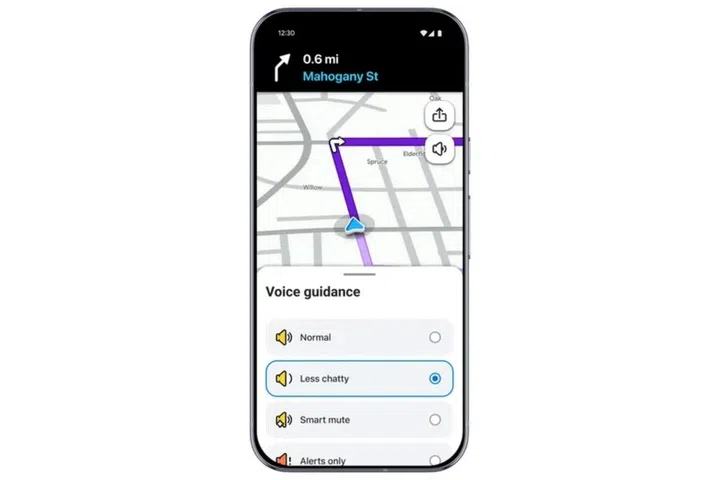
Interface of Waze’s "Less Chatty” mode.

“Less chatty” mode lets you focus on music and podcasts while driving. Photo: Waze
Ever wished Waze would just talk a little less? The new “Less Chatty” mode is designed to minimise interruptions while you’re behind the wheel.

When enabled, Waze reduces the frequency of voice prompts and keeps instructions shorter. Critical alerts for hazards, turns, and lane changes will still be provided, but less frequently, allowing drivers to focus on their music or podcast without constant interruptions.

“Less Chatty” mode is rolling out globally on Android and iOS.

Conversational reporting for map updates

Interface of Waze’s Conversational Reporting feature.

You can use Conversational Reporting to suggest map updates. Photo: Waze

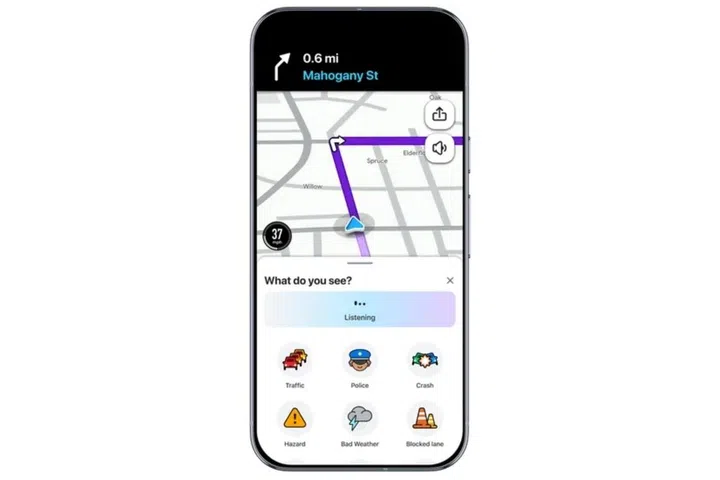
Reporting outdated map information is also becoming more natural. Waze users can now speak to the app to suggest changes such as road closures or incorrect addresses.

For example, saying “the road is closed here” is enough for Waze to understand the issue and submit the information to local map editors for verification. There’s no need to navigate through multiple menus or select a specific reporting category.

The conversational reporting feature is rolling out globally to Android and iOS users.

Waze is also using AI to learn from your past journeys and recommend routes that better match your driving preferences.

For example, if the app notices that you frequently avoid local streets with numerous traffic lights or stops, it may recommend taking an expressway instead. The personalised navigation feature is optional and can be disabled.

Finding somewhere to go is becoming more conversational too. Users can tap the voice search icon and ask questions such as “Find me a coffee shop that’s open right now”, and Waze will return a list of relevant destinations.

The conversational destination search feature is currently available globally to members of the Waze Beta community on Android and iOS.

Source: Waze


Read Full Article At Source

Share. Save. Don't Miss The Buzz: XFacebookRedditLINETelegramWhatsAppGmail