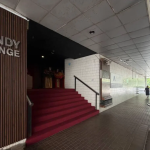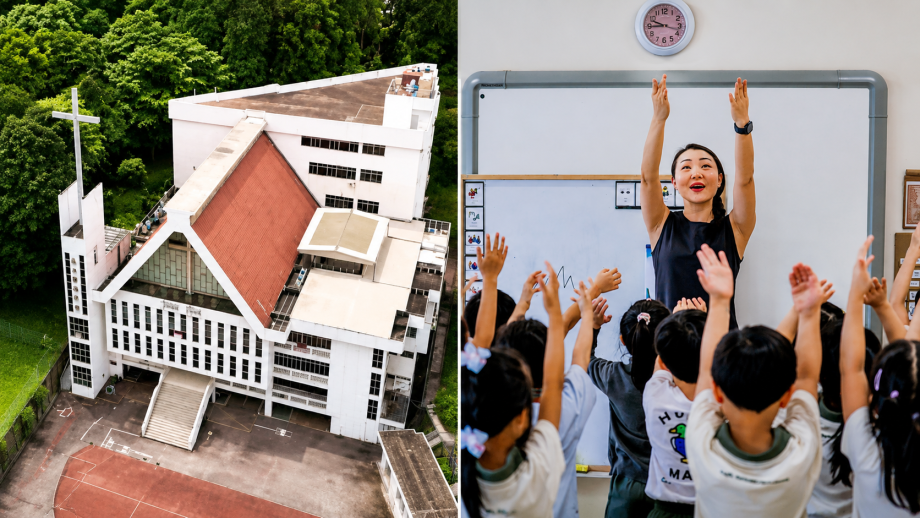
In a city where buildings disappear, schools merge, neighbourhoods change and educational trends come and go, The Chinese Kindergarten Preschool has remained atop a gentle hill along Outram Road.
It has not remained unchanged, nor has it always stood here. Since its founding, it has changed addresses, lost buildings, adapted programmes, weathered war, shifted with policy changes, survived enrolment pressures and entered multiple new seasons of leadership.
Founded on October 11, 1921, The Chinese Kindergarten is known as Singapore’s first kindergarten. More than a century later, its story is not merely one of historical significance, but of a mission that God has kept through generations.
The planting of a seed
The story of The Chinese Kindergarten began with a burden.
In the early 1920s, Xu Dongfan, a Christian teacher from Hubei, China, noticed a gap in Singapore’s education landscape.
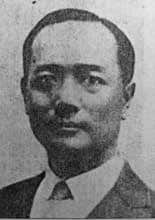
A portrait of Xu Dongfan.
While much attention was given to primary education, there was little emphasis on preschool education. He believed children could be given a stronger foundation if they were nurtured earlier.
That conviction found support among church leaders and members of the Chinese Christian community. Together, they raised funds, found a site and began what would become The Chinese Kindergarten.
It was a modest beginning. The school started in a one-storey building near Tanjong Pagar Church, the predecessor of Jubilee Church.
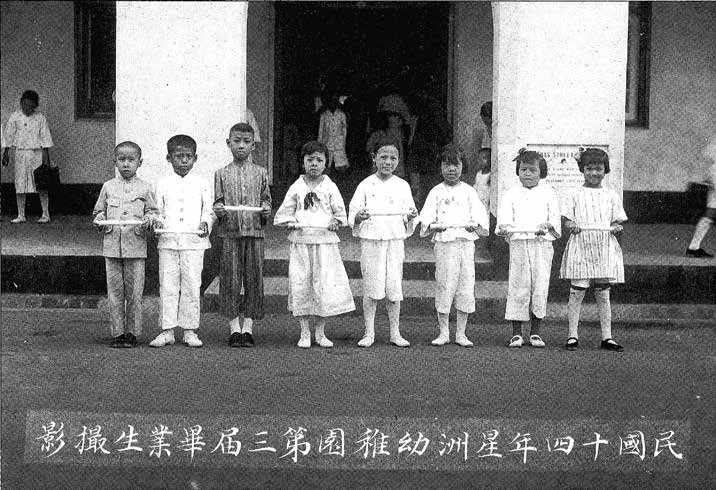
The original caption of the photo reads: Photograph of the third batch of graduating students from The Chinese Kindergarten, circa 1925.
But the vision was larger than the space. The founders were not merely starting a school. They were responding to a need, serving children, families and the wider community through education.
In the language of Scripture, they planted (1 Corinthians 3:6-7). And over the next century, many others would water.

Revived after war
As enrolment grew, the kindergarten quickly outgrew its first premises.
In 1925, it relocated to a new site, a three-storey building on Tras Street, funded jointly by donors, church networks and the colonial government. By then, enrolment had grown to more than 500 children.
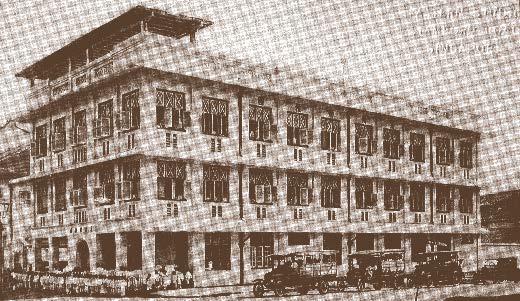
The new school building of The Chinese Kindergarten on 32 Tras Street.
Two years later, it added a primary section so children could continue their education within the same institution.
The Chinese Kindergarten school bus bringing students to school.
Then came the war.
When Singapore fell to the Japanese in 1942, schools across the island, including The Chinese Kindergarten, closed. For many schools, the interruption marked the end. But God preserved The Chinese Kindergarten.
After the war, the kindergarten resumed operations with more children than ever. As Singapore’s post-war baby boom drove enrolment, it operated morning and afternoon sessions to accommodate more than 1,600 students.
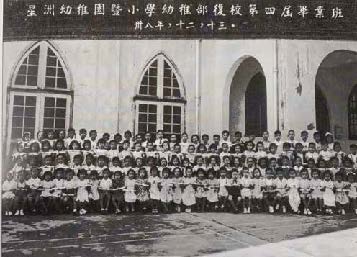
Graduating students of The Chinese Kindergarten (both primary and kindergarten sections) in December 1949.
In 1946, it also opened a preschool at Jubilee Church on Outram Road. Together, the two schools served more than 2,000 children, making The Chinese Kindergarten one of the largest and most established schools in Singapore at the time.
Preserved through loss
While the school experienced periods of significant growth, it also endured seasons of loss.
Read Full Article At Source