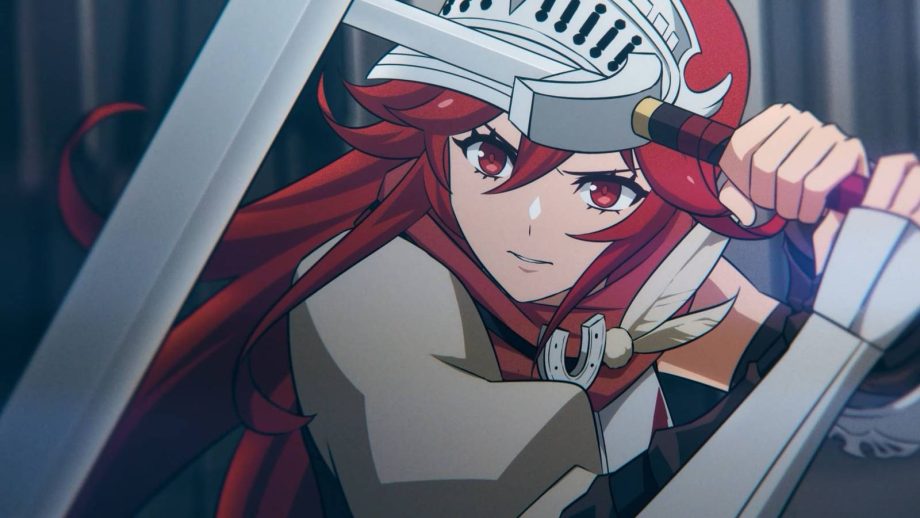
Brigandine Abyss feels like the distant cousin who models himself after the family’s favorite kid to fit in. You know when the black sheep adopts whatever the golden child is doing, from fashion choices to linguistic mannerisms, so they can feel like part of the party? That’s the vibe I get from Brigandine Abyss. The new strategy RPG is proud of its identity, so it’s not abandoning the series’ traditional battle-focused gameplay. However, developer Happinet and Adglobe are shyly experimenting with new features to make this cult series more appealing to a mainstream audience — and it’s looking to the genre’s best to pull that off.
Slated to release on Aug. 26 on Windows PC and Aug. 27 on Nintendo Switch 2, PlayStation 5, and Xbox Series X, Brigandine Abyss is the fourth title in the strategy RPG series. The first one, Brigandine: The Legend of Forsena, was released in 1998 for the PlayStation. Since then, we’ve seen only a remake of that game in 2000 and Brigandine: The Legend of Runersia, which came out 20 years later. After having played the Brigandine Abyss demo on Windows PC, I had the chance to participate in an online preview event held by NIS America to learn more about specific features that were not available in the demo.

Throughout the years, the games never abandoned their focus on strategic battles in large grids where you control an army of creatures led by humans. Brigandine Abyss keeps the tradition, forcing you to be mindful not only of where you position your troops but also whether they are moving or attacking, since some units can’t do both in the same turn. Whenever an encounter between units happens, the camera changes to visually represent the exchange of blows and the battle’s outcome.
Managing an army is an experience in itself in Brigandine Abyss. Factions have access to different creatures based on their geographical origin. What creatures you can use depend on the number of command points the leader of the troop has. Each unit costs a certain amount of points, and your goal is to find the balance between strong units and the ones you have enough points to add.
Despite being part of a series with its own past stories, it plays a lot like Fire Emblem. Sure, it’s not the same, but it is fairly similar in terms of gameplay, since it follows the standard design conventions found in a Fire Emblem game. The difference is that Brigandine Abyss‘ combat has a slower pace and the macro management of troops adds a layer of strategy sim that is lacking in Fire Emblem. Even though it tries its best to stay true to its roots, Abyss shows that the series couldn’t ignore what the most recent Fire Emblem games have done.


Read Full Article At Source