Patch Notes is a weekly newsletter bringing you the best of Polygon, sent on Fridays and published on the site on Sundays. You can subscribe here.
Let me be clear. I’m as disheartened as anyone at PlayStation’s announcement this week that it will cease production of physical PlayStation games. I am pro physical media. I don’t collect physical games myself anymore, but I do collect movies on Blu-ray, I only read real books, I have many CDs and vinyl LPs, and I buy physical Switch games for my kids.
There are so many reasons to support physical media. There’s the existential issue of the preservation of art. There’s the legal, practical, and financial issue of personal ownership of the things we spend money on. There are social, cultural, and personal dimensions to it, too: physical art is art that can be shared, lent, exchanged, gifted, or simply treasured.
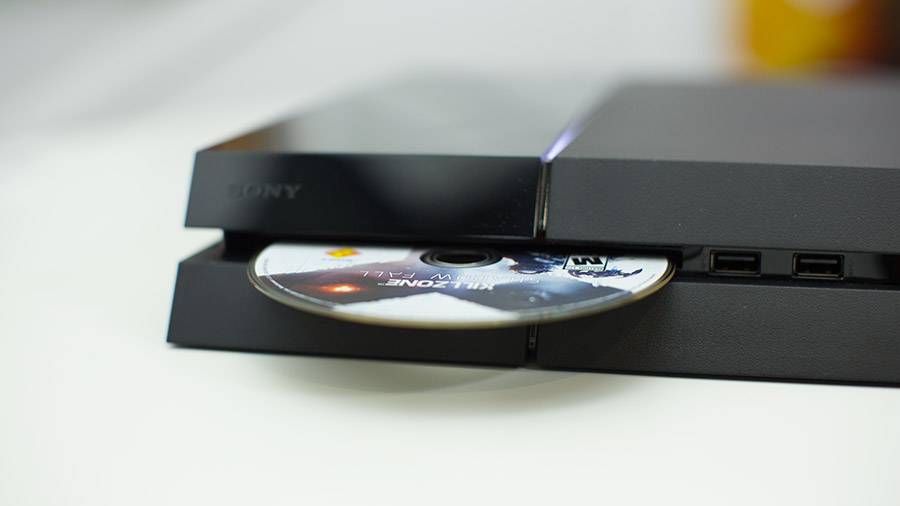
But, let’s be honest. The discs themselves? Good riddance. Back in the 1990s, Sony cursed video games with a media format that never suited the artform, and I’ll be glad to see the back of it.
I’m fine with optical discs as a repository for music or movies. Overall, they’re a decent technology. They can hold a lot of information and suffer little degradation over time, so they’re a great way to preserve high-fidelity media. Access times are bearable for something you’re playing from start to end, or doing limited skipping through, like a film or an album.
For games, though, the optical discs pushed by Sony — CD-based at first, then DVDs, then Blu-rays — were never a great fit. They were cheap to produce and easy to distribute, and with their high capacity, they enabled big games with fancy audio and cutscenes. But if the game needed to read data constantly from the disc, they were slow, noisy, and unreliable. Discs are easy to scratch or get dirty, a nuisance for music or movies that skip, but a disaster for games, which could become unplayable.

I used to have to turn my OG PlayStation upside down to get it to play anything. During the PS2 and PS3 eras, access times were a real issue. After a while, developers circumvented these issues by installing from disc to the console’s hard drive, a laborious process that could take just as long as downloading the game and used up your storage space anyway. That made the disc seem vestigial and useless. They sealed their own doom.
There’s a conceptual side to this too. Optical discs were created by the hi-fi industry as a replacement for vinyl, following similar principles, so it’s no surprise they work best as a medium for temporal works that have a start, middle, and end, and unspool before you. You pop the disc in, press play, sit down, and receive the art.
This is not what games are. They are instant, interactive, open-ended works that can fully inhabit a single second or a hundred hours. They are a read-write medium, an exchange between the player and the artist. That’s why they belong on chips, written in silicon. Cartridges were always the best medium for games and always will be.
Strategically, Nintendo severing its partnership with Sony on the disc-based “Nintendo PlayStation” and going back to carts for the Nintendo 64 was a historical error that birthed a mighty competitor. But it was also a good call. Nintendo games on disc never felt right (even on those funny little GameCube ones), and now the company is back on silicon, it seems much more at peace with itself.
So yeah, physical games forever. But not those scratchy, flimsy, slow, whirring discs. I won’t be sorry when they’re gone.
If you think this doesn’t affect you, think again
Giovanni Colantonio warns that even digital game collectors have much to lose from PlayStation’s withdrawal from physical games
What PlayStation going fully digital tells us about the PS6
Jen Glennon reckons with what the move means for the future of PlayStation
Plus this:
Toy Story 5 is the most vital film of the 21st century
Matt Patches finds a resonant discourse on what tech is doing to kids — and all of us — in Pixar’s latest
Read Full Article At Source