SINGAPORE: Three specialist doctors who minimised their taxes by paying themselves low salaries while extracting millions in dividends have lost a High Court challenge – and the case shows why such arrangements cross the line.
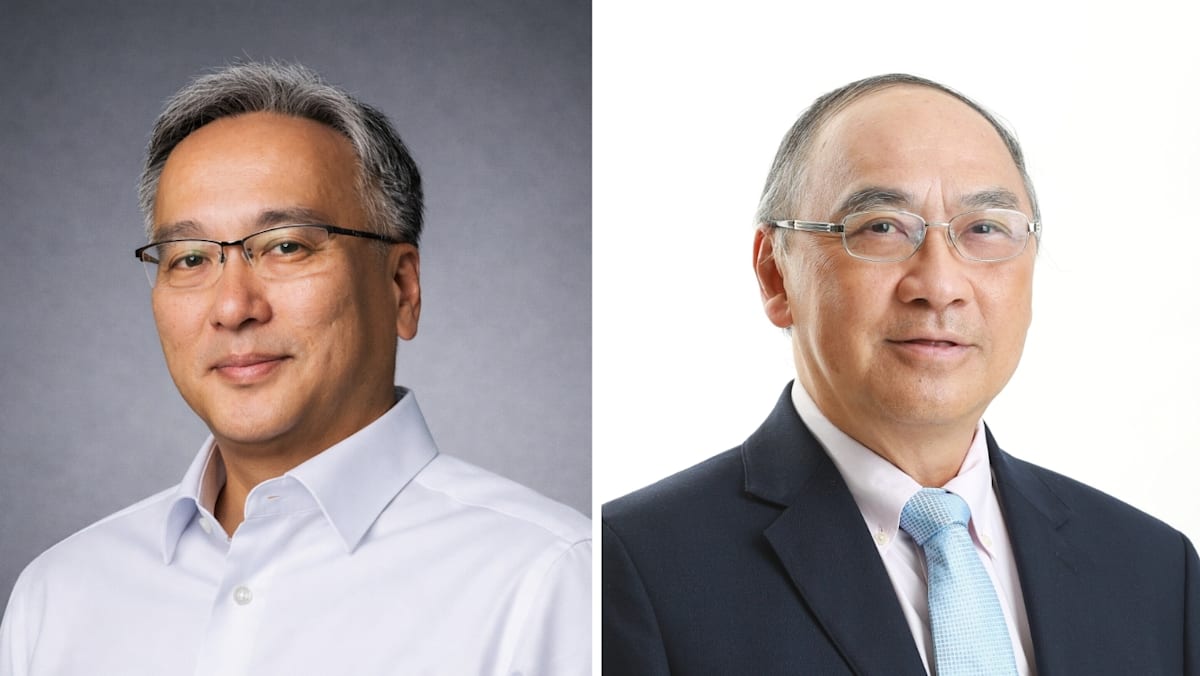
The doctors, obstetricians and gynaecologists Dr Adrian Tan Chek Jin, Dr Caroline Khi Yu May and Dr Jocelyn Wong Sook Miin, had set up a web of jointly and individually owned companies through corporate restructuring.
They paid themselves monthly salaries of S$5,000 to S$6,000 (US$3,900 to US$4,600) while taking interest-free loans from their companies on top of the dividends.
After an audit, the Inland Revenue Authority of Singapore (IRAS) invoked tax laws to disregard their business arrangement and revise how the doctors would be taxed. The doctors appealed, but the High Court upheld the ruling on Jun 18.
What raised red flags about their arrangement, and what do professionals with similar structures need to know?
HOW IT WORKED
The three doctors left KK Women’s and Children’s Hospital in 2004 to set up a joint private practice. They incorporated ACJ Women’s Clinic, each holding a third of the shares, and signed employment contracts paying themselves S$5,000 a month.
Over the following decade, each doctor layered additional companies on top of this structure. By 2014, each had set up an individual surgical company of which they were the sole director and shareholder.
These individual companies invoiced patients for inpatient services, while their first company, ACJ Women’s Clinic, invoiced patients for outpatient services.
Setting up new entities also entitled them to claim rebates under the Start-Up Tax Exemption and Partial Tax Exemption schemes.
The doctors signed employment contracts with their surgical companies for S$6,000 a month. But the bulk of the money they took from these companies came in the form of dividends and interest-free loans.
Between 2013 and 2018, Dr Tan received dividends of S$5.14 million from one firm and S$2.35 million from another, plus loans of up to S$3 million, while drawing a monthly salary of S$5,000. That was a fraction of the S$45,600 he had earned each month before moving to private practice.
WHY THE ARRANGEMENT WAS PROBLEMATIC
The structure exploited the gap between personal and corporate income tax rates. In Singapore, dividends are generally exempt from personal income tax, since the paying company has already been taxed at the corporate rate of 17 per cent. Personal income tax can reach 24 per cent.
Read Full Article At Source