
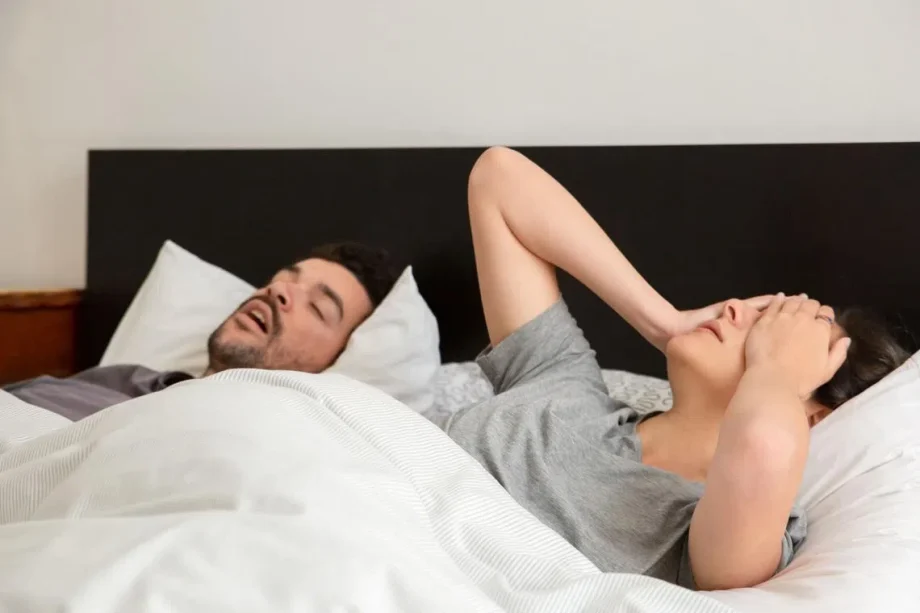
That’s the punchline from Resmed’s 2026 Global Sleep Survey, the medical device firm’s sixth annual look at how the world sleeps, with 1,000 of the 30,000 respondents drawn from Singapore. 51% rank sleep above a balanced diet (48%) and physical activity (42%) as the top behaviour for a long, healthy life. 86% understand that consistent, quality sleep can help extend a healthy lifespan.
And then 57% report getting a good night’s sleep on only four nights a week or fewer.
If that sounds familiar, it should. Last year’s HardwareZone reporting told a similar story, with one in three Singaporeans (33%) knowingly living with poor sleep, the highest rate of passive acceptance among all the markets surveyed. A year on, Singapore still tops the chart on normalising poor sleep at 21%, ahead of China (16%), the US (15%), and the UK (13%).
Dr. Carlos Nunez, Resmed’s Chief Medical Officer, has a theory. “This trend could be a reflection of Singapore’s well-known hustle culture, where long work hours and high productivity expectations contribute to a mindset that tolerates sub-optimal sleep,” he says. The numbers back him up. 53% of Singapore respondents agree that heavy workloads negatively affect their sleep. About 72% report taking a “snooze day”, calling in sick after a poor night’s sleep, at least once a year.
The awareness-action gap
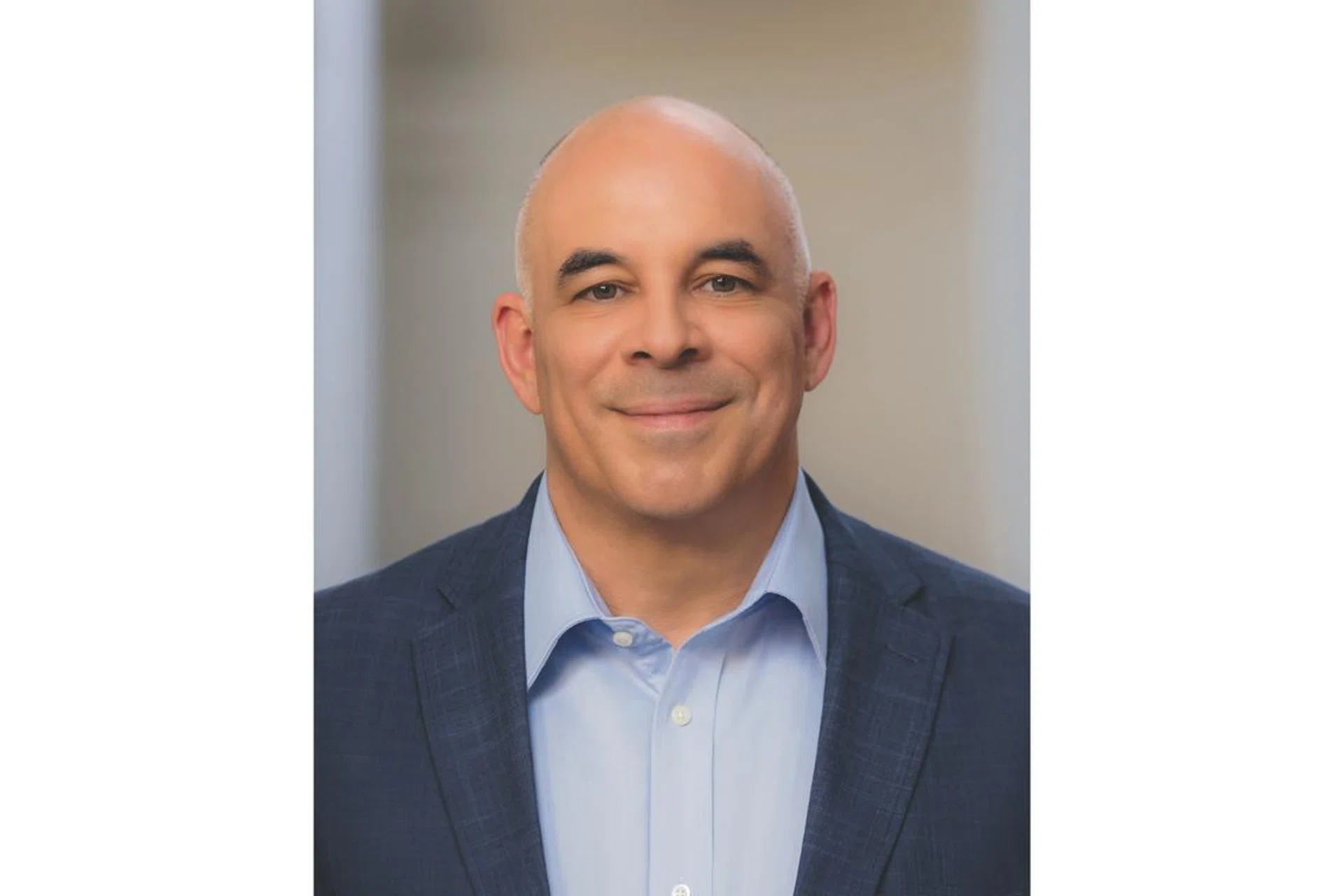
Dr. Carlos Nunez, Chief Medical Officer at Resmed
While 60% of Singapore respondents say they’d consult a healthcare provider for persistent sleep issues, just 16% have actually done so. Less than a third (32%) say a provider has even asked about sleep during a routine doctor’s visit.
Unfortunately, that’s not all:
- A quarter of Singaporeans believe sleep problems are “not serious”.
- One in five, or 21%, see poor sleep as simply “normal”.
- Rather than seeking medical advice, many turn to familiar home remedies and sleep aids.
- These include blackout curtains, used by 18%, and eye masks, used by 11%.
- Nearly one in 10, or 8%, use alcohol to help them sleep.
- While alcohol may make it easier to fall asleep initially, it can disrupt rest later in the night.
- Alcohol use is also linked to a higher risk of sleep apnea, as well as longer-term liver and cardiovascular diseases.
- Only 6% use a professional or prescribed intervention for their sleep issues.

Some Singaporeans are turning to alcohol to sleep
Photo: Pexels
“There could be several reasons for the gap,” Nunez says. “A potential stigma that still exists among people who have a sleep disorder, not knowing where to go or how to get help, or just brushing it off as something that they can just live with.” He’s adamant the problem isn’t only with the individual. “Healthcare providers can also help by making sleep health part of regular conversations.”
Our reporting on the 2025 survey noted that Singaporean women suffered worse sleep than men, averaging 3.83 quality nights a week versus men’s 4.13, with 38% struggling to fall asleep compared with 29% of men.
The 2026 survey shows no significant gender difference within Singapore itself, but the gap remains visible across the wider APAC region. 46% of women in the six APAC markets surveyed struggle to fall asleep, compared with 40% of men. Stress and anxiety are the key barriers for 42% of women versus 36% of men, and family responsibilities affect 37% of women’s sleep versus 32% of men’s.
Read Full Article At Source