Review | Chinese tea culture meets Aman luxury at Amanfayun in Hangzhou

Review | Chinese tea culture meets Aman luxury at Amanfayun in Hangzhou


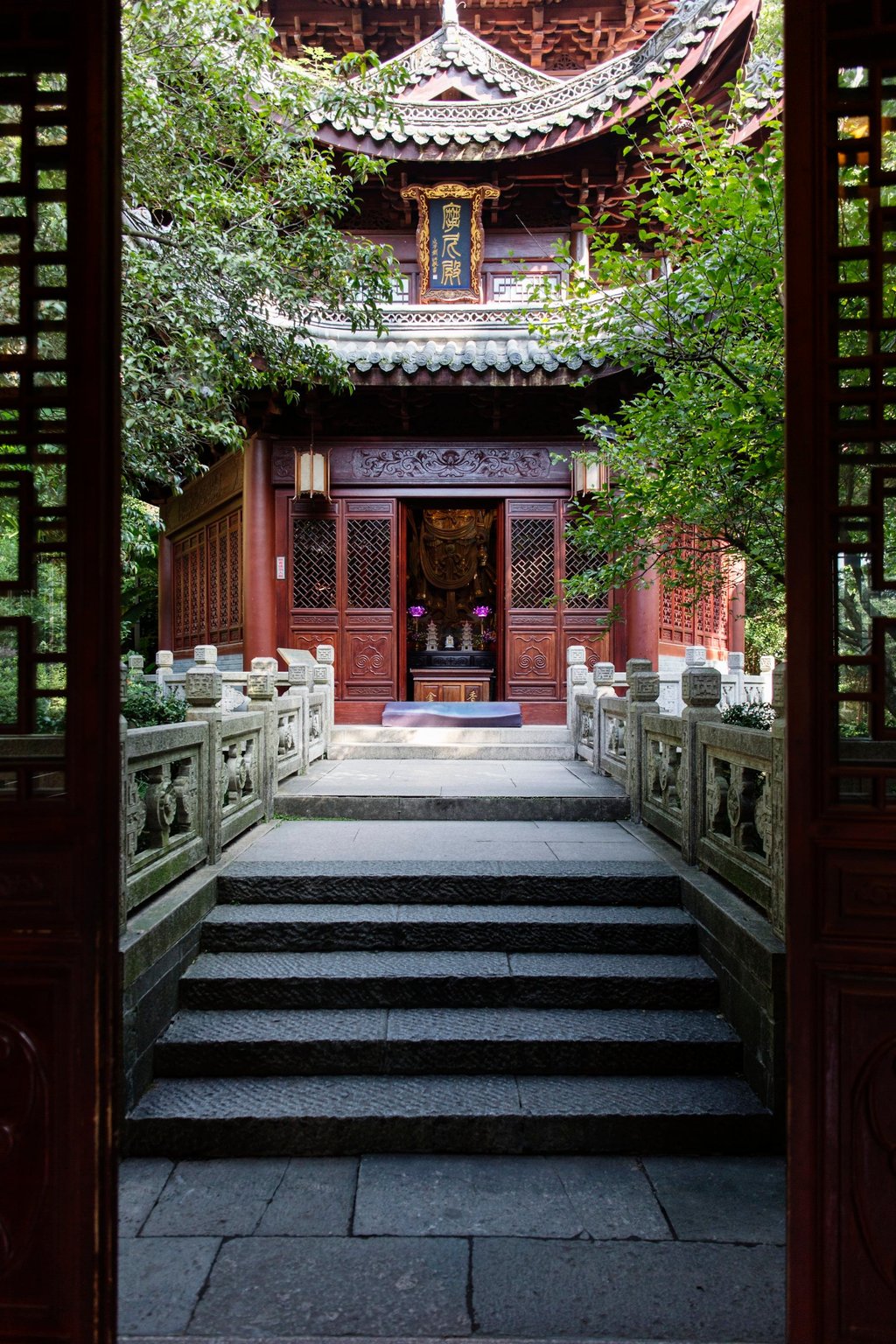
Amanfayun is not the celebrated Aman Group’s oldest or newest property in mainland China, but it very much feels like the hospitality brand’s spiritual home in the country. The property is located just six kilometres from Hangzhou’s West Lake, a Unesco World Heritage site. Within Amanfayun, a secluded walkway leads directly to two revered Buddhist monasteries, the Lingyin and Yongfu Temples, both over 1,600 years old. Shrouded in towering trees and bamboo groves, the property is a stunning testament to a place that even legendary explorer Marco Polo once deemed the most beautiful city in the world, inspiring countless poets and artists across the centuries.
Taoguang Temple, one of the ancient Buddhist sites within easy reach of Amanfayun. Photo: Handout
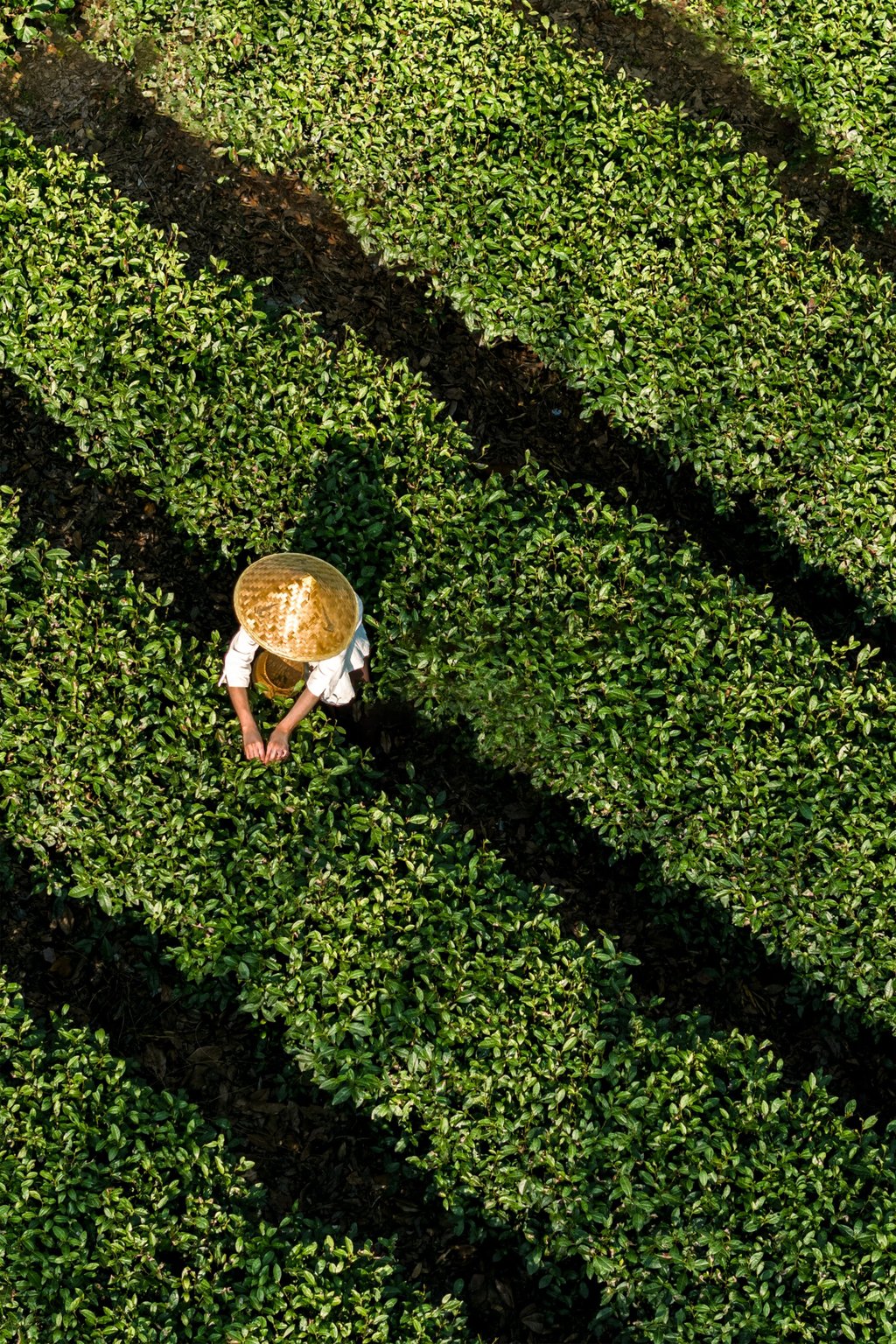
Thanks to the “Chinamaxxing” trend on social media, Chinese tea culture has gained new fans over the past year – and Hangzhou is undoubtedly one of its most celebrated homes. For over a millennium, Hangzhou has served as the production centre for one of China’s top 10 famous teas, Longjing (Dragon Well) – which takes its name from the sprawling tea fields of the city’s Longjing Village. Each of Amanfayun’s 46 villas, rooms and suites occupies a former village dwelling once home to families who tended the surrounding tea fields, and all come with a full tea-brewing station and tea leaves picked from the resort’s own grounds.
A tea picker harvests Longjing leaves from the fields surrounding Amanfayun. Photo: Handout

Known as West Lake Longjing tea, the leaves are a prized variety grown within a strict 168-square-kilometre zone around West Lake. To this day, they are hand-picked and pan-roasted in small batches, with master roasters using their bare hands to shape the leaves in woks heated to over 200 degrees Celsius. Getting to witness this first hand is undoubtedly the highlight of Amanfayun’s many cultural offerings, which also include calligraphy classes, lantern making, and on the weekend of my arrival, zongzi (glutinous rice dumpling) wrapping for Dragon Boat Festival.
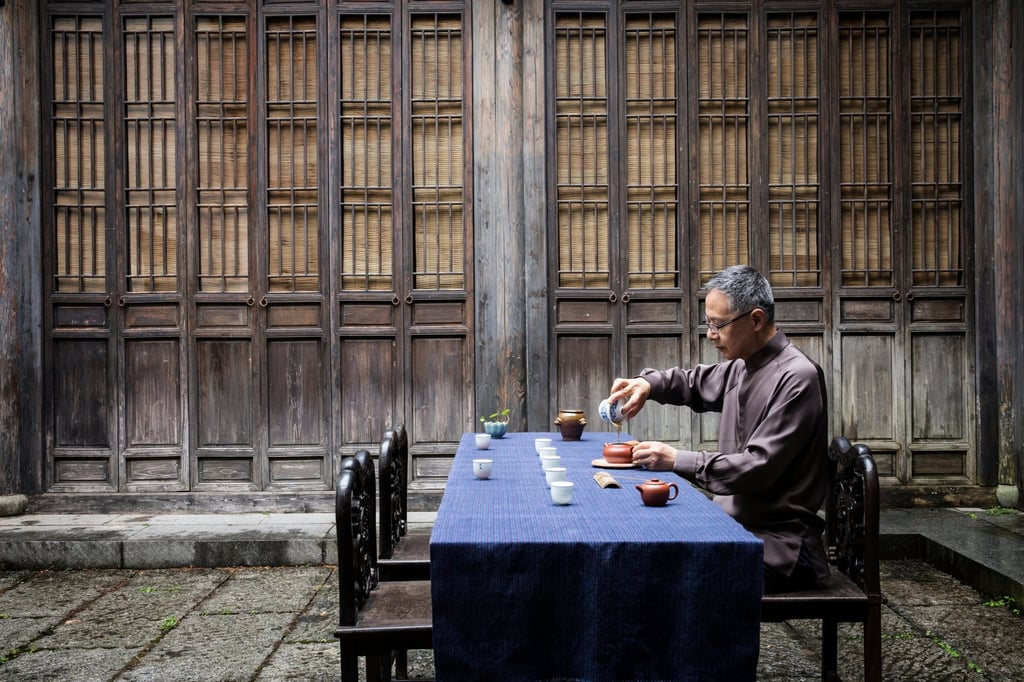
A tea master performs a traditional gongfu tea ceremony at Fayun Place, Amanfayun’s historic teahouse. Photo: Handout

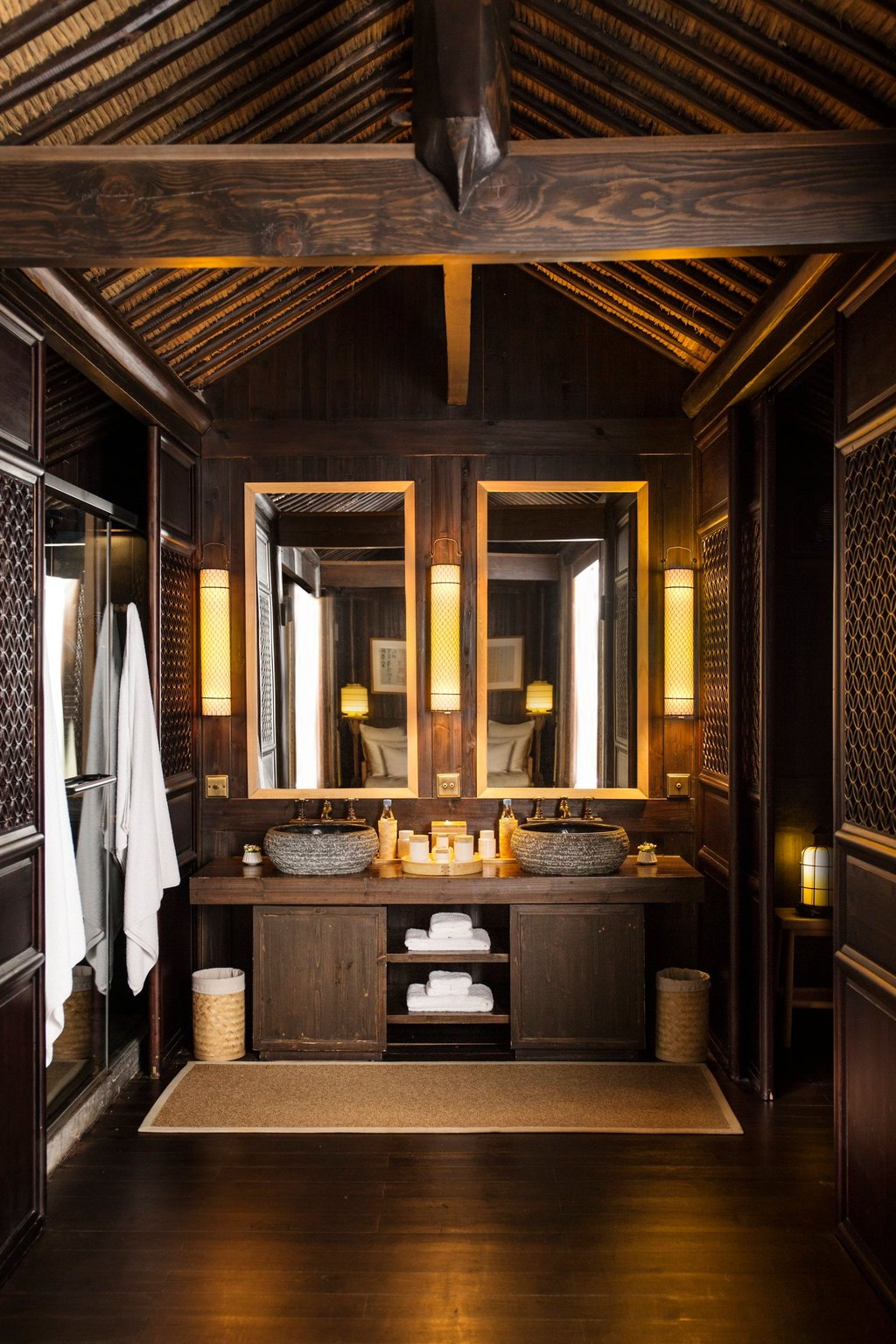
Honouring their centuries-old origins, the accommodations have been sensitively restored using traditional materials, with clay-tile roofs, timber structures, and walls moulded out of brick and earth. Furnishings strike a balance between old-world charm and quiet luxury, deepening the sense of cultural immersion; as a friend remarked, binge-watching Chinese dramas may be fun, but nothing compares to becoming a character in one.


Read Full Article At Source

Share. Save. Don't Miss The Buzz: XFacebookRedditLINETelegramWhatsAppGmail