I’ve been a fan of the Yakuza or Like a Dragon series since the very beginning. As a magazine writer I was lucky enough to visit Sega’s headquarters in Tokyo during the development of the original PlayStation 2 title way back in 2005, and in my years at IGN I’ve reviewed a number of the remakes, sequels, and spin-offs of RGG Studio’s long-running crime series. At this point I’ve invested hundreds of hours into beating the absolute snot out of Japanese mobsters, either via the button-mashing combo-based style of the original adventures or the turn-based RPG form that’s become core to the most recent mainline entries. Thus I feel pretty well-equipped to handle anything that RGG Studio can throw my way at this point, which is why I was so shocked that the new combat system in upcoming series prequel Stranger Than Heaven so completely kicked my arse.
At a recent BiliBili Game First Look event in Shanghai, I got some brief hands-on time with a brawling-based demo for Stranger Than Heaven. (It was the same demo that my colleague Michael Higham recently played, and you can read his excellent preview here.) My first attempts at Stranger Than Heaven’s all-new street fighting style felt harder than hell, but after slowly getting to grips with it over the course of my 30-minute demo I began to feel confident that this is exactly the sort of substantial shift that the Like a Dragon fighting formula has needed for quite a while now.
To be clear, I’m not suggesting that RGG Studio needs to scrap the turn-based combat system that it introduced in Yakuza: Like a Dragon and later evolved in Like a Dragon: Infinite Wealth. The novelty of that JRPG-style system is yet to wear off for me, largely because it allows for so many hilarious special moves and a more strategic team-based dynamic in each scrap. I’m talking about the more traditional beat ‘em up system that has effectively been offloaded onto the series’ spin-offs in recent years. RGG Studio may have introduced a briefcase-load of James Bond gadgets in Like a Dragon Gaiden, or cutlasses and flintlocks in Pirate Yakuza, but the actual fighting mechanics of those combo-based systems has remained unaltered for the most part. Even though I still enjoy them, I can’t pretend that they don’t feel a bit too familiar at this point.
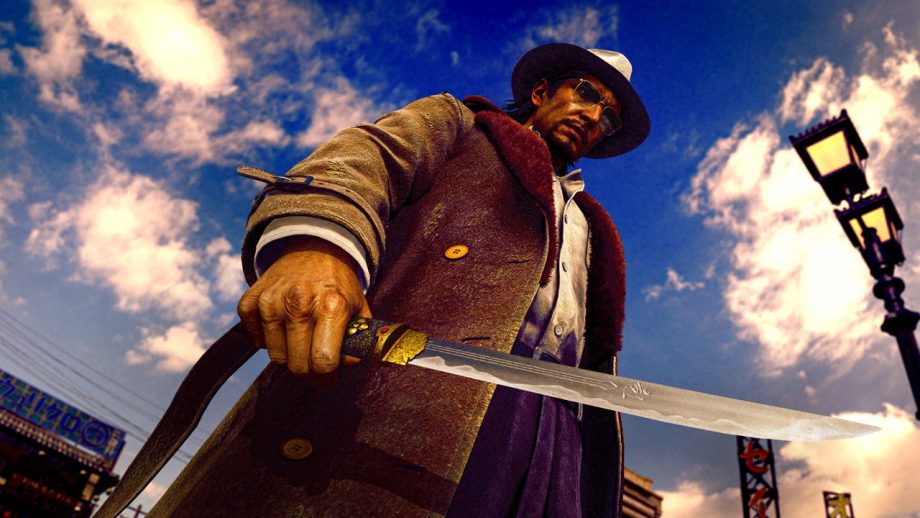
Stranger Than Heaven’s heavily overhauled scrapping, then, feels like the kick in the pants followed by a violent uppercut to the jaw that Like a Dragon’s aging fisticuffs has been crying out for. Forget about chugging in-game energy drinks to pump up your heat gauge and then button-mashing hordes of street thugs into oblivion like in previous Kazama Kiryu-led adventures, because Stranger Than Heaven’s gangs are liable to quickly kick you to the curb if you don’t have your wits about you. The new setup that uses the controller’s four shoulder buttons to effectively puppeteer the left and right fists of protagonist Makoto Daito sure takes some getting used to, both in terms of smoothly alternating his punches but also anticipating the direction of incoming attacks and parrying them effectively, but after finally falling into a rhythm with it after my first few failed attempts it felt incredibly satisfying to pull off. I felt like I had to lock-in for absolutely every exchange in every combat encounter, which meant that my eventual victories felt far more earned than the lazy bicycle-swinging beatdowns of previous Yakuza and Like a Dragon installments.
Read Full Article At Source