Professor Adrian Kuah, who is a professor of strategy and sustainability at James Cook University, said countries that once accepted mixed or lower-quality recyclables have tightened contamination standards and restricted imports of low-quality imports.
“Recyclables have value only if they are clean, well-sorted and economically useful.
“The global economics of recycling have shifted from ‘sending it somewhere cheaper and useful’ to ‘proving that it is clean, sorted and economically useful’,” Prof Kuah pointed out.
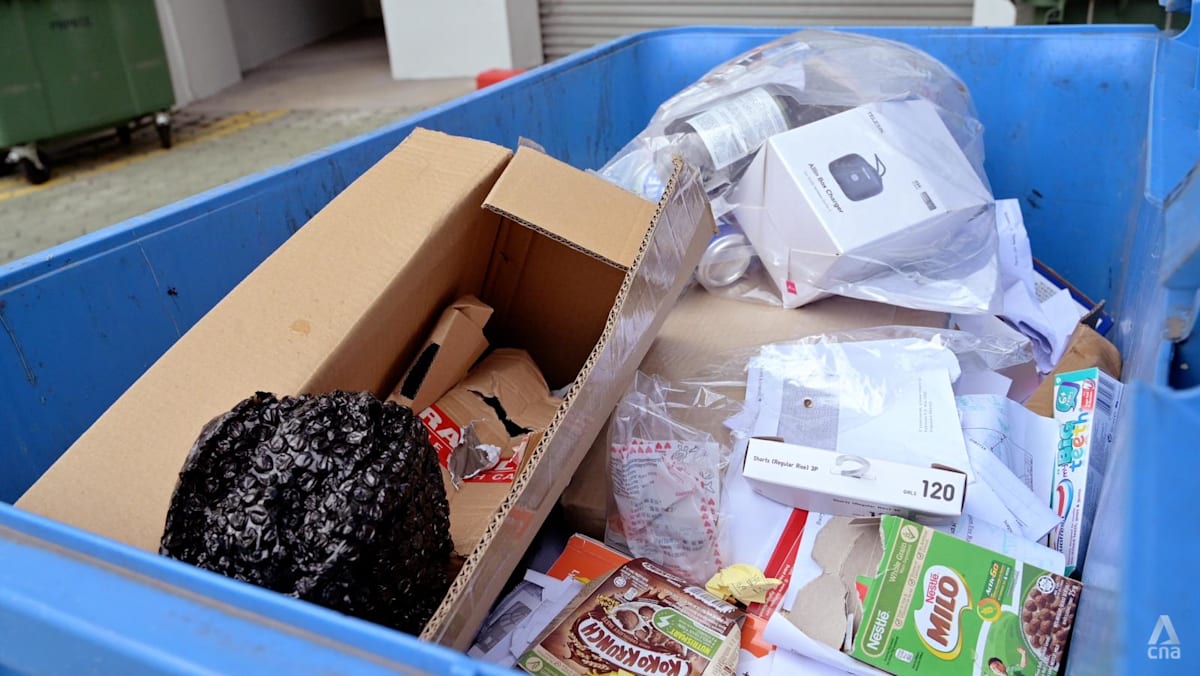
Clean aluminium cans and cardboard may have market value, while mixed paper, oily food packaging, contaminated plastic containers and wet recyclables may become worthless or costly to process, he added.
Read Full Article At Source