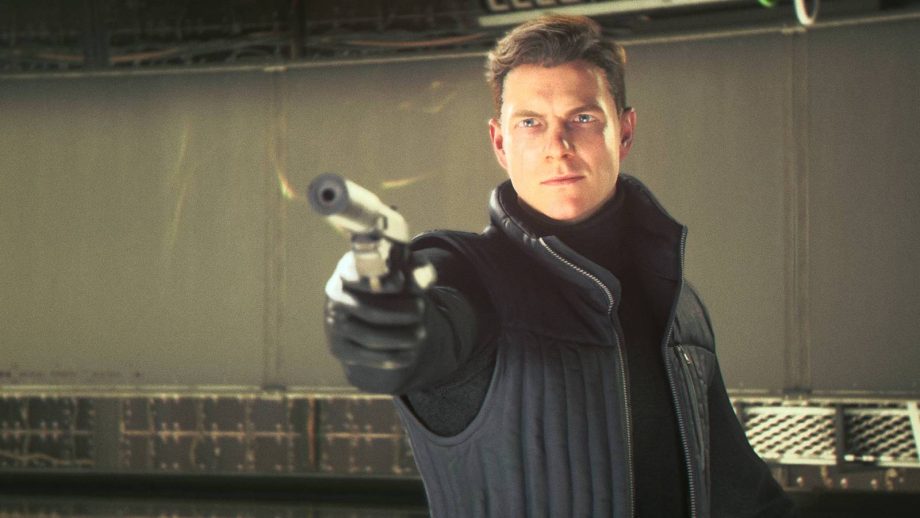
There are plenty of cyclical arguments in gaming, but few are more mind-numbing than the cost-time argument: that a so-called short game “isn’t worth” its sticker price. May’s release of 007 First Light, which sports a 20-hour runtime, seems to have reignited this interminable debate. I recently finished 007 First Light. It took me about 20 hours. Also? 20 hours is the perfect length of a video game.
Released May 27 for PlayStation 5, Windows PC, and Xbox Series X, 007 First Light is one of the year’s big video game success stories. After years of designing elaborate human puzzle boxes in its Hitman series, developer IO Interactive deftly applied that ethos to Ian Fleming’s luxurious world of espionage. 007 First Light is the first James Bond game in 14 years — and easily the best since GoldenEye. It’s reviewing well. It’s selling well. It’s at least part of the GOTY convo. Yet if you listen to a certain corner of the internet, you’d get the idea that 007 First Light is about as light on calories as a Spindrift.
The argument around 007 First Light’s length actually started weeks before the game was released, shortly after IO Interactive indicated how long it would take to beat the game. “I love a shorter game, but not when I’ve paid #65+ [sic] for it. 007 First Light looks fun, but I’ll definitely wait for a sale now,” YouTuber Deez Games wrote in a tweet that has since been viewed 3.4 million times, spinning out an internet debate that has continued since launch. Just this week, on the game’s subreddit, one user posted that 007 First Light “was fun but not $70 fun.”

The most generous read on these claims is that they stem from a desire to spend one’s money as efficiently as possible. And there is a very real factor driving that anxiety. Unchecked inflation, rising costs, and stagnant wages around the globe have contributed to a period of economic uncertainty that shows no signs of ending soon. It’s natural to want the things you buy to last as long as possible — to make each dollar go as far as possible. But on a fundamental level, if that’s how you’re measuring the worth of a game, you’re looking at it as a product, not as a work of art.

Read Full Article At Source