“In my restless dreams, I see that town.”
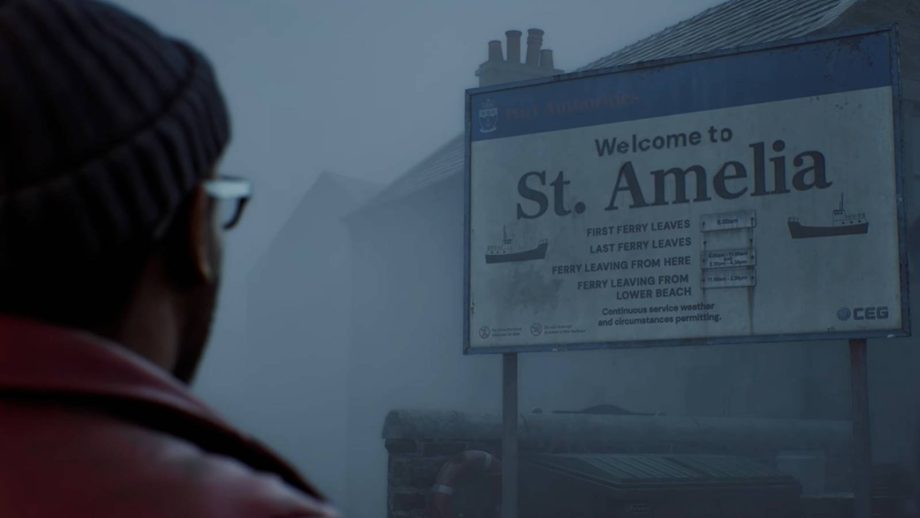
Since its inception, Silent Hill fans have treated the town of Silent Hill as the franchise’s most important ingredient. It’s in the name, after all. Yet the series’ current trajectory suggests something different. With Silent Hill: Townfall taking players to a remote Scottish island and Silent Hill f shifting the focus to 1960s Japan, the franchise appears more willing than ever to look beyond the fog-choked streets of its namesake — and that’s a good thing.
The resort town may have given Silent Hill its name, but maybe it’s time for the series to finally let go of Silent Hill.
Townfall, which unfolds on the isolated island of St. Amelia, may not be set in the titular American town fans know, love, and fear, but the latest trailer, aired during Tuesday’s State of Play livestream, still feels unmistakably Silent Hill. Grotesque creatures lurk in the darkness, a protagonist seemingly unravels under psychological strain, a community hides terrible secrets, and there’s enough fog to obscure both the landscape and the truth itself. The trailer even included a 1990s riff on Harry Mason’s iconic radio in the form of Simon’s CRTV, a handheld analog television that appears capable of detecting horrors hidden just beyond human perception.
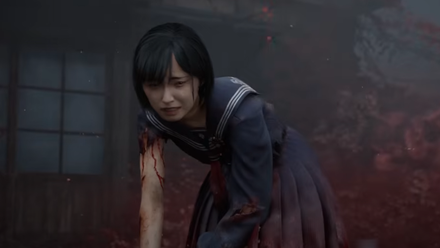
Transporting the series out of the town worked for Silent Hill f. Despite concerns surrounding its radically different setting, the game’s success — netting an 86% positive rating on Metacritic — is clear proof the series’ identity can survive outside the town’s normal borders. Set in the fictional Japanese town of Ebisugaoka, Silent Hill f still maintained the same atmosphere, psychological horror, music, and layered symbolism that have defined the franchise for decades. More importantly, it features subtle connections to the wider Silent Hill mythology through references to White Claudia and recurring cult imagery, adding even more layers to its exotic setting.
Some fans have even theorized that Silent Hill f, particularly its third act, secretly takes place in Silent Hill itself. It’s an entertaining theory, but it also speaks to a larger truth: the town has never been particularly stable or consistent visually, existing somewhere between a physical space and a psychological state. Throughout the series, Silent Hill has oftentimes reshaped itself around whoever enters its grasp, dramatically changing depending on the individual at the center of the town’s abnormalities.
In Silent Hill and Silent Hill 3, Alessa’s trauma and psychic abilities distort reality into a living nightmare. In Silent Hill 2, Origins, and Downpour, the town functions less as a physical destination and more as a form of purgatory, forcing characters to confront guilt, grief, and self-deception. James Sunderland encounters Pyramid Head, while Anita’s nightmares in The Short Message manifest as a cherry blossom monster, and Angela sees something entirely different. Heather’s Otherworld bears little resemblance to James’ version of the same garish space.

Read Full Article At Source