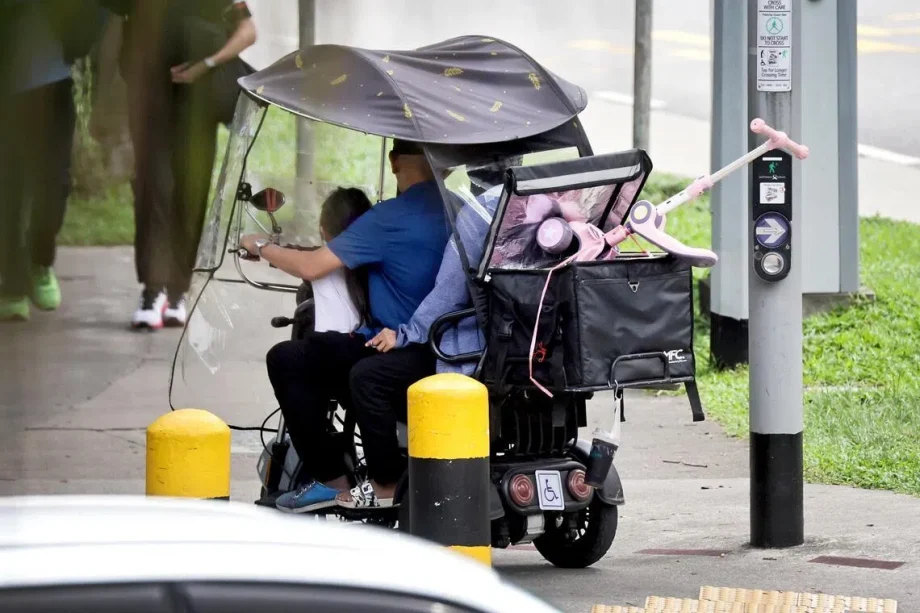
SINGAPORE – Selling a mobility scooter used to be as easy as selling a bicycle – buyers could pick out their vehicle, pay for it and leave the store within 10 minutes.
But since new rules kicked in on June 1, sellers of mobility scooters and other personal mobility aids (PMAs) have had to deal with more paperwork and a heavier administrative burden.
This is because sellers now have to verify a buyer’s medical eligibility to use a PMA, then transfer ownership to the buyer via the Land Transport Authority’s (LTA) OneMotoring website.
MOBOT general manager Chew Boon Hur said his firm is hiring one extra person just to answer customers’ questions about the new rules and manage ownership transfers.
Buyers have five days to accept this transfer using the Singpass app, and MOBOT also sends reminders so they will not miss this deadline, Chew said.
MOBOT has increased the price of each mobility aid – which used to cost between $1,300 and $4,600 – by $100. This accounts for registration and inspection fees amounting to around $65, as well as logistics and manpower to prepare and transport the vehicle, Chew added.
PMAs include vehicles such as mobility scooters and motorised wheelchairs. Under the new rules, the speed limit for PMAs on public paths is now 6kmh, down from 10kmh.
PMAs exceeding 120cm by 70cm by 150cm, or with a laden weight of more than 300kg, are banned from public paths unless an exemption has been given.
All mobility scooter users under 70 need a certificate to show they have legitimate medical needs.
Sellers also need to register mobility scooters before they can be displayed, advertised or sold.
Registration appointments were made available from early May, and retailers could book these starting from April 27.
But ELFIGO Mobility founder Warren Chew said he has had difficulty securing time slots to register and tag his PMAs at inspection centres.
He has registered about 30 mobility scooters so far, and plans to register another 40 in the week of June 8.
Read Full Article At Source