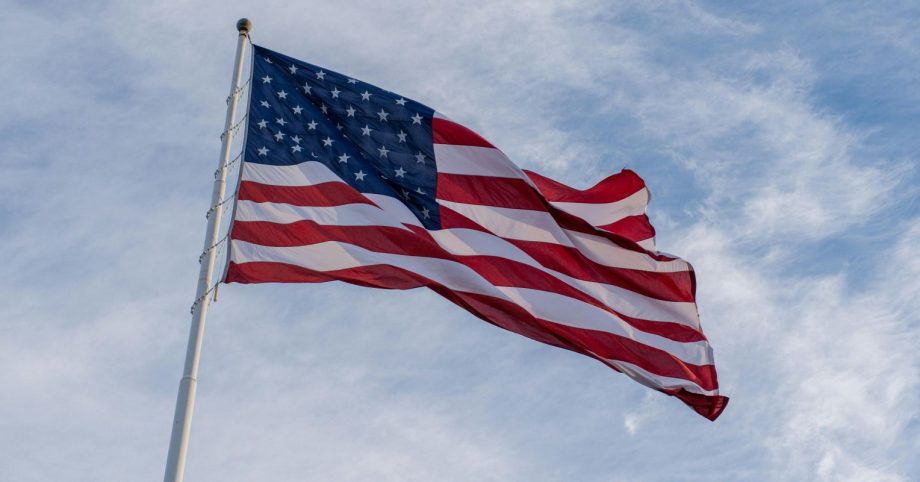
On July 4, 2026, the United States turns 250. America 250 will be the largest patriotic celebration in the nation’s history. But before the fireworks and the speeches, Flag Day arrives on June 14th. No cookouts. No day off. Just the flag. This year, that quiet Tuesday deserves more than we usually give it.
Officially, Flag Day commemorates the Continental Congress’s adoption of the Stars and Stripes on June 14, 1777—formalized by President Woodrow Wilson in 1916, codified by Congress in 1949. It never became a federal holiday, and maybe that’s okay. It doesn’t belong to the calendar, but rather to the individual. It’s a moment to pause, look up, and reckon with what the flag actually means to you. To me, Flag Day is every day.
I’ve spent my career at the intersection of law enforcement and positive psychology, thinking hard about what keeps people—especially cops—psychologically upright and front-sight focused. I keep landing on the same idea: the things we hold sacred matter greatly. They carry and represent our story. The flag represents my story.
The positive humanities ask which cultural artifacts in our lives actually feed our well-being. The American Flag is at the center of mine.
My maternal grandparents survived Nazi Germany and emigrated here to the United States. My grandmother sailed into New York Harbor and saw the Statue of Liberty ringed by American flags. My grandfather never forgot the giant flag in the grand hall at Ellis Island. To them, it wasn’t just symbolism—it was survival, freedom, and a future they weren’t guaranteed in the “Old Country.” They carried gratitude for that flag into everything they did. They made sure I understood why.
I fly it at my home. I wear a version of it every day. I stand for the anthem. Every time I see the flag, I think about life, liberty, and the pursuit of happiness—not as a slogan, but as a promise that comes with responsibility. That responsibility is part of why I took an oath and pinned on a badge. The flag reminds me who I am, the debt I owe, and what I’m always capable of.
The Science Behind the Sacred
Savoring—the deliberate appreciation of positive experience—is one of positive psychology’s most validated constructs. Bryant and Veroff (2007) tied it directly to well-being and life satisfaction. Fredrickson (2001) explains the mechanism: savoring generates positive emotions that build durable psychological resources over time—upward spirals of resilience, not just momentary relief.
Read Full Article At Source