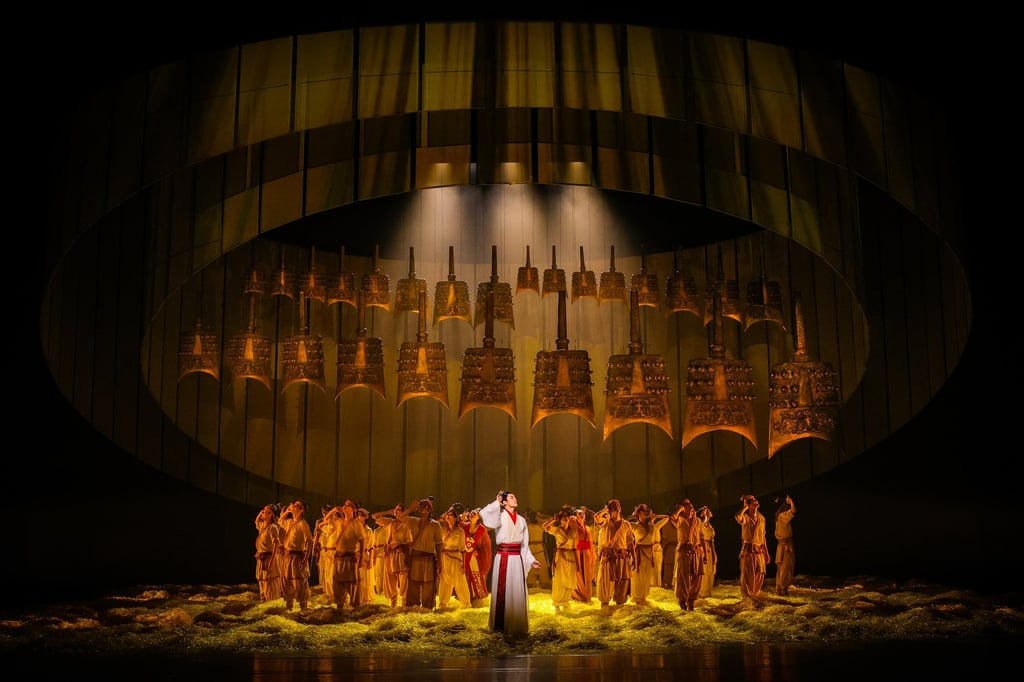
Imagine entering the world of China’s White Snake legend, centred on a romance between a mortal man and a 1,000-year-old reptile spirit that has transformed into a woman so it can feel human love, and – instead of finding a historic classic – discovering a modern story charged with dramatic tension, beauty and surprise.
In the compelling dance drama Lady White Snake, elements as familiar as the Broken Bridge, the Dragon Boat Festival transformation and flooding Jinshan Temple have been reinterpreted into unexpected forms, as ballet and Chinese dance lead the innovative theatrical performance combining oriental aesthetics and multimedia imagery, viewed through a contemporary psychological lens.
With internationally renowned ballet artist Tan Yuan Yuan as artistic director, the production assembles a dream team of leading Chinese dancers and creative talent from across the country and abroad, depicting Lady White not just as the heroine of a much-loved romance, but also as a woman on a journey of self-discovery.
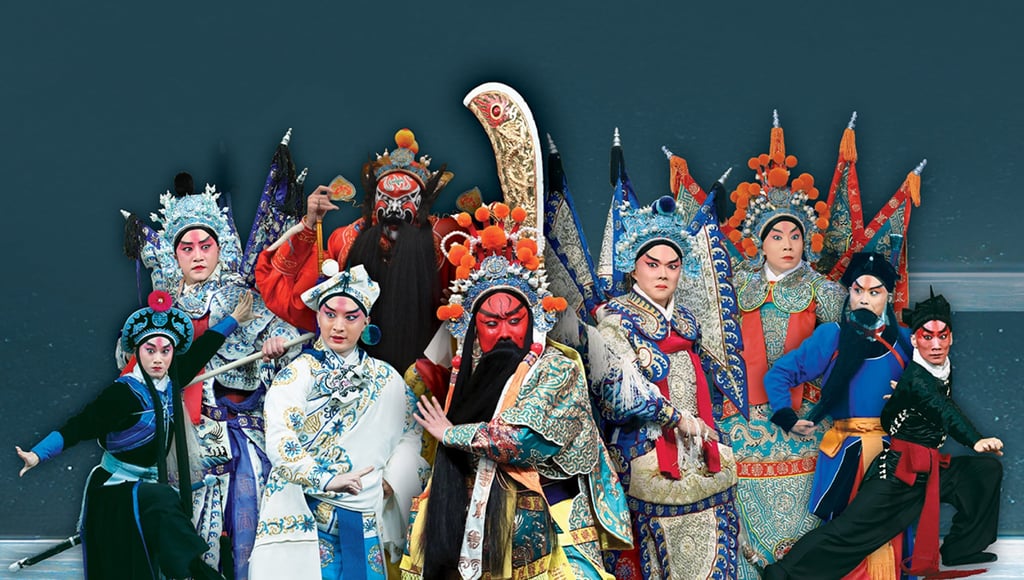
As the opening programme of Hong Kong’s four-month Chinese Culture Festival 2026, it immediately makes clear the event’s intentions: tradition is being brought into the present day, alive, relevant and renewed with every generation.
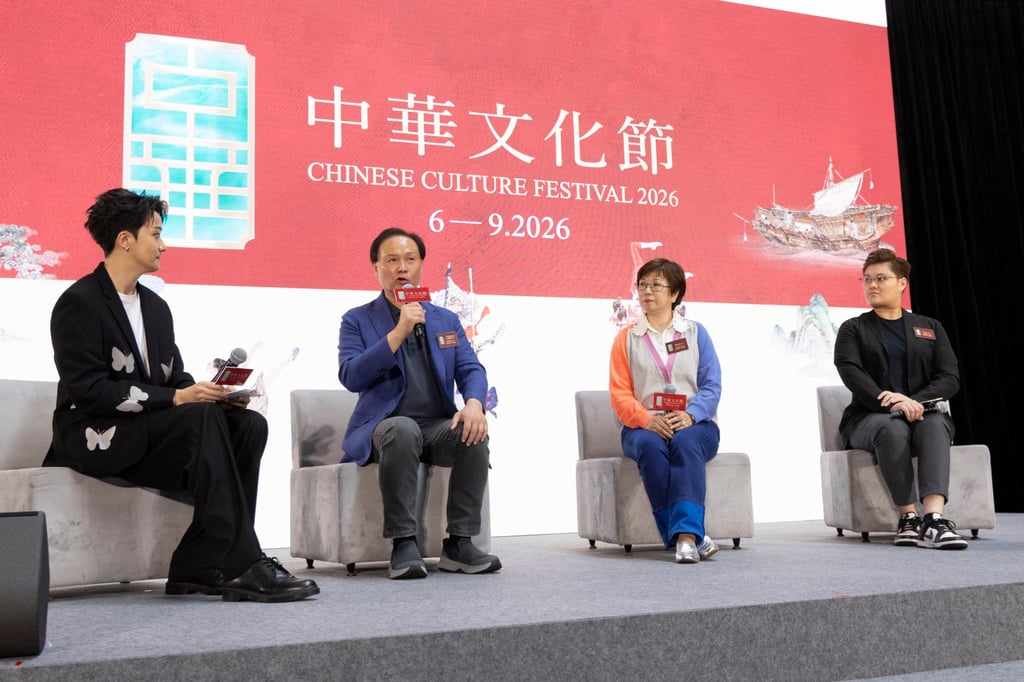
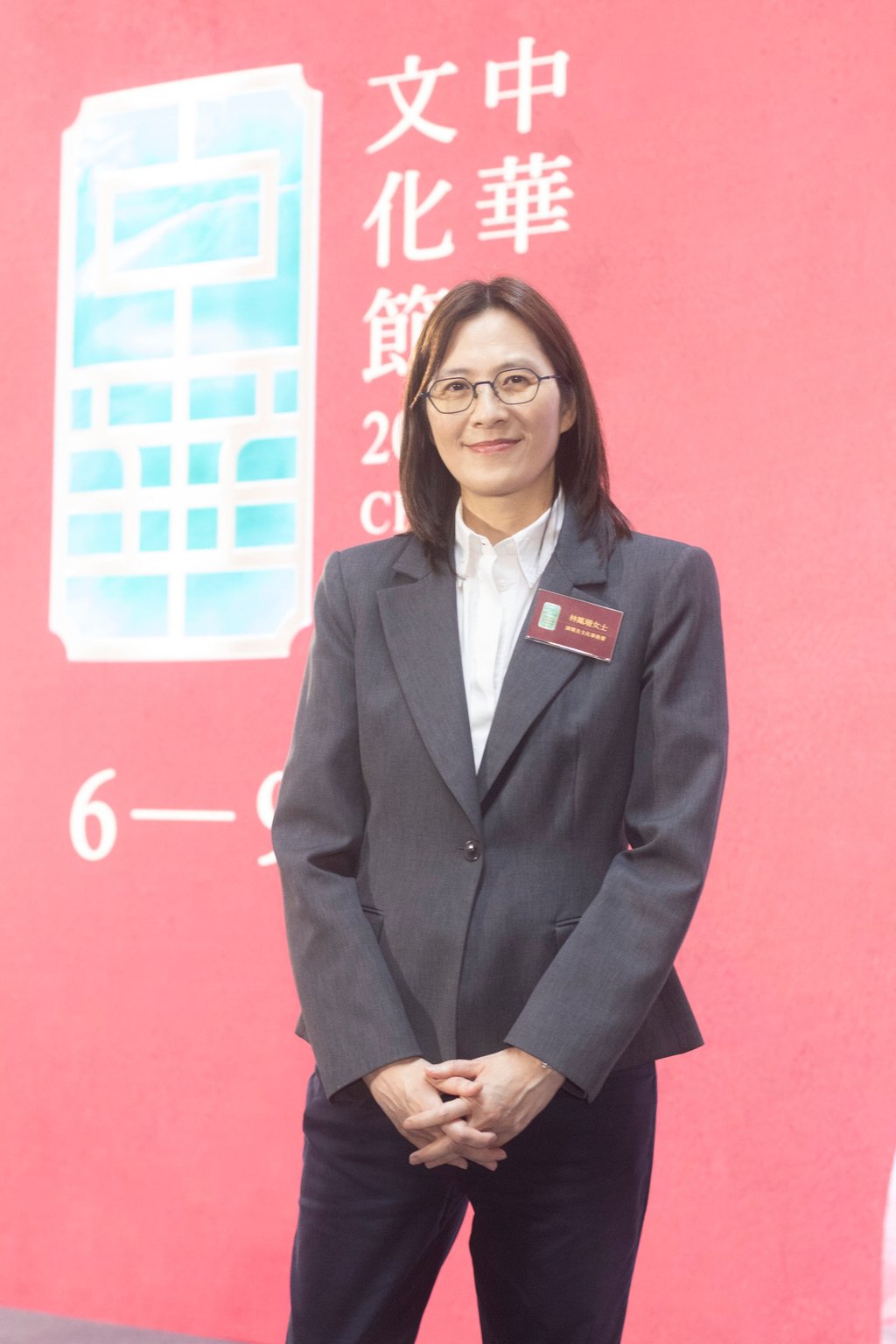
“This year, the prominent theme is ‘legend’,” Veron Lam, chief manager of the Leisure and Cultural Services Department’s Cultural Presentations Section, said. “It gives the programme a clearer centre, with the Tang dynasty [618-907] and its eastern capital Luoyang providing a historical thread.”
That focused structure shapes the third edition of the festival, celebrating the inheritance, exchange and creative vitality of Chinese culture and history, which runs from June to September at venues across the city.
After the first two years – both of which attracted more than 900,000 audience members to a diverse range of performances, and saw about 85 per cent of surveyed audience members report their interest in Chinese culture had deepened – the focus now is not only on scale, but also cohesion.
Another underlying concept of the festival was captured in one of this year’s publicity visuals – the idea of audiences “entering a painted world, rich with life and nuance waiting to be uncovered”. Lam said: “It’s like stepping into a painting where you discover layers of life and hidden details.” The aim was for audiences to experience the festival “not only as performances, but as a kind of cultural space that rewards curiosity at every turn”, she added.
For the local audience, many of the stories featured on stage will have been familiar to them while growing up – through school, film, television or books on folklore – and the festival uses that awareness as a starting point before widening into history, performance and reinterpretation.
The festival’s particular focus on the Sui (589-617) and Tang dynasties deepens that journey. For Lam, the Tang dynasty’s openness and cultural richness make it an especially fertile period. “We hope audiences will not only enjoy the shows, but also get to know more about the culture that shaped so much of what we recognise as Chinese civilisation today,” she said.
That ambition takes different forms across the programme. The drama The Code of The Dynasty – a Chinese-style murder mystery adapted from a bestselling novel – draws on the visual world of the Song dynasty (960-1279) handscroll painting, Along the River During the Qingming Festival, to build suspense on stage as conspiracies are investigated. The production is jointly presented by the Bauhinia Culture Group.
“Journeys to the West: Cinematic Dialogues Across Time” compares three pairs of films, inspired by Journey to the West – a 16th century literary classic based on one of China’s most famous legends – which have helped the novel transcend generations and achieve timeless relevance.
Read Full Article At Source