For decades, the primary motivations for travel were culinary exploration, cultural sightseeing or simply relaxation. But a new reason is rapidly climbing the ranks: the Hyrox “race-cation”.
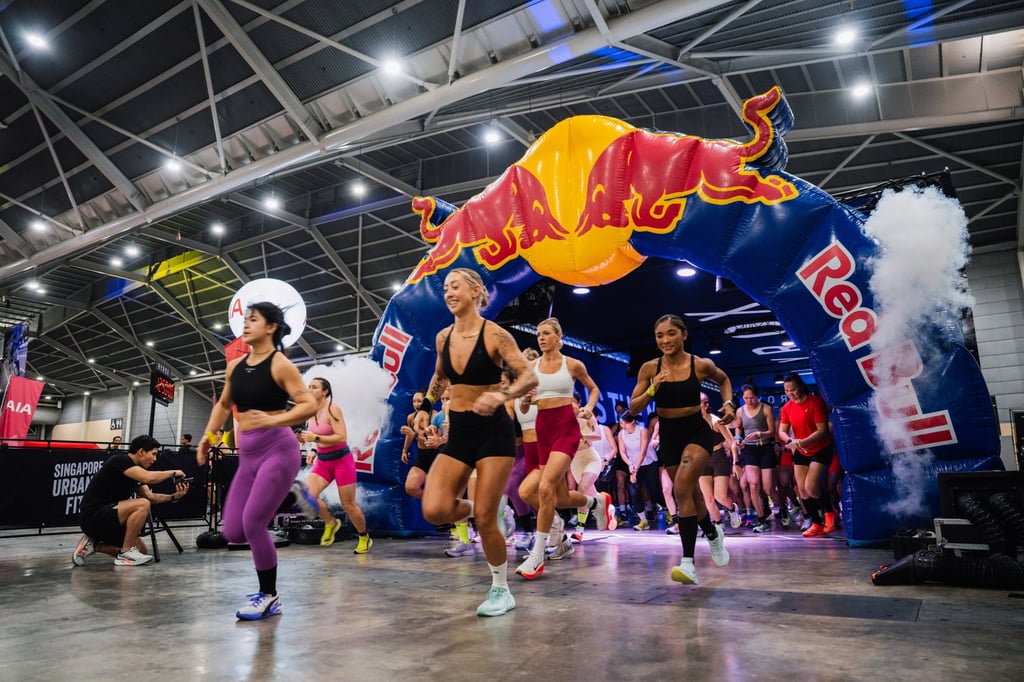
“Hyrox travel is part of a wider shift we’re seeing: people are increasingly choosing destinations around their passions, communities and personal goals, not just [going] sightseeing,” says Tammy Ng, vice-president of brand and marketing at Hyatt Asia-Pacific, the event’s official regional hotel partner.
“In Asia-Pacific, this fits particularly well with the rise of highly engaged urban fitness communities and the growing demand for sports- and event-led travel experiences. For Hyatt, it also reflects how wellness travel is evolving – it’s no longer only about spas and retreats, but also about movement, performance, recovery and connection.”
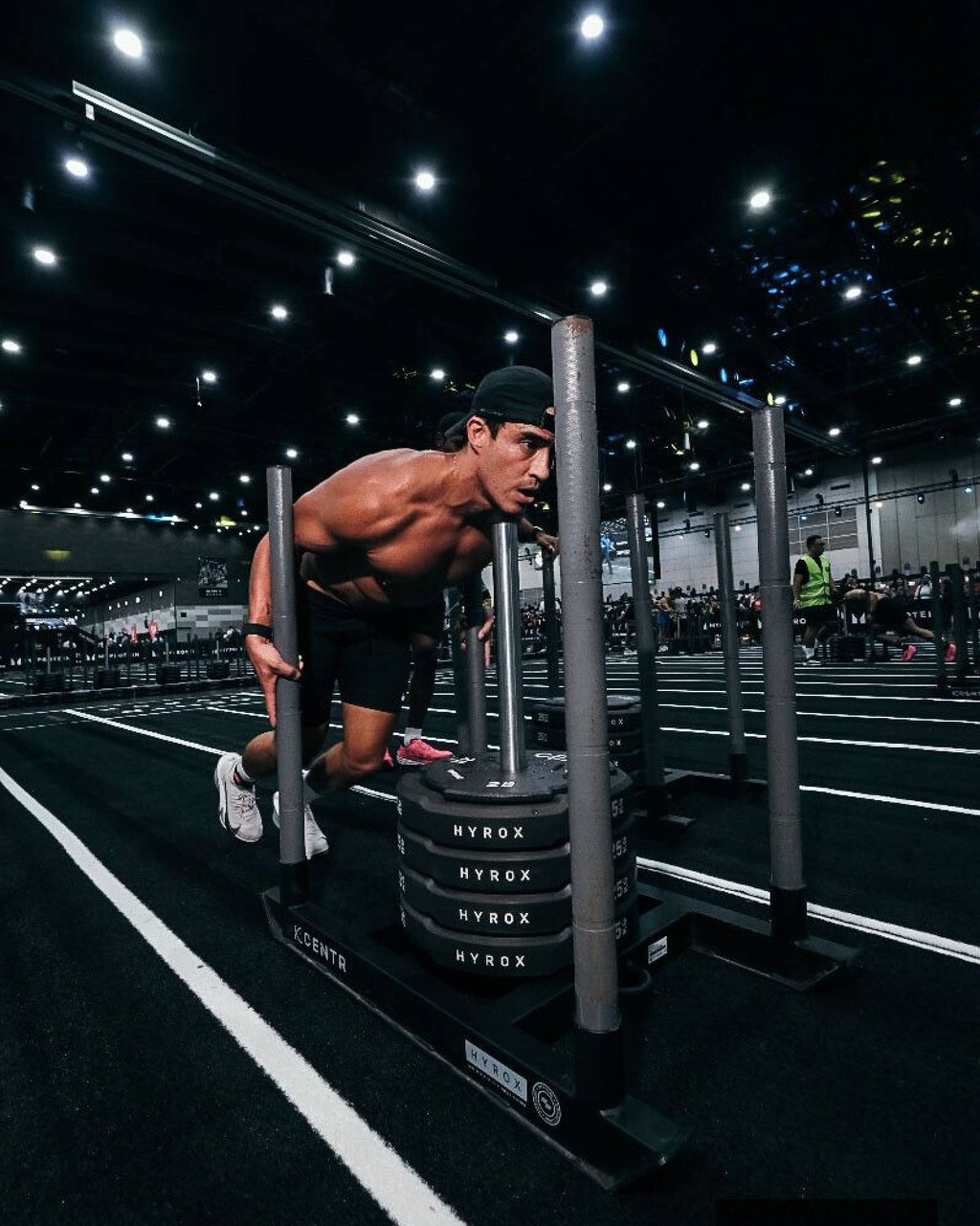
For athletes like Hong Kong-based Keikei Yip, who is also a personal trainer at Underdog Gym, race-cations have become a lifestyle. “I travel around six or seven times a year, and only one of my trips last year was not for Hyrox,” she laughs. Having competed everywhere from Chicago to Singapore and Japan, Yip is now a Hyrox Pro athlete who qualified for the World Championships in Stockholm this year. “I choose race locations based on whether I actually want to visit that country. I rarely travel somewhere just for the race.”
Social bonding is also a key driver of the trend. Andrés Becerra, a Colombian-born chef and restaurateur in Bali, has completed races in Bangkok, Shanghai, Hong Kong and Perth, and is currently preparing for the first-ever Hyrox race in Indonesia this June in Jakarta. “We train together, travel together and explore new cities around the races,” he says, referring to the friends he works out with.
Planning a Hyrox race-cation
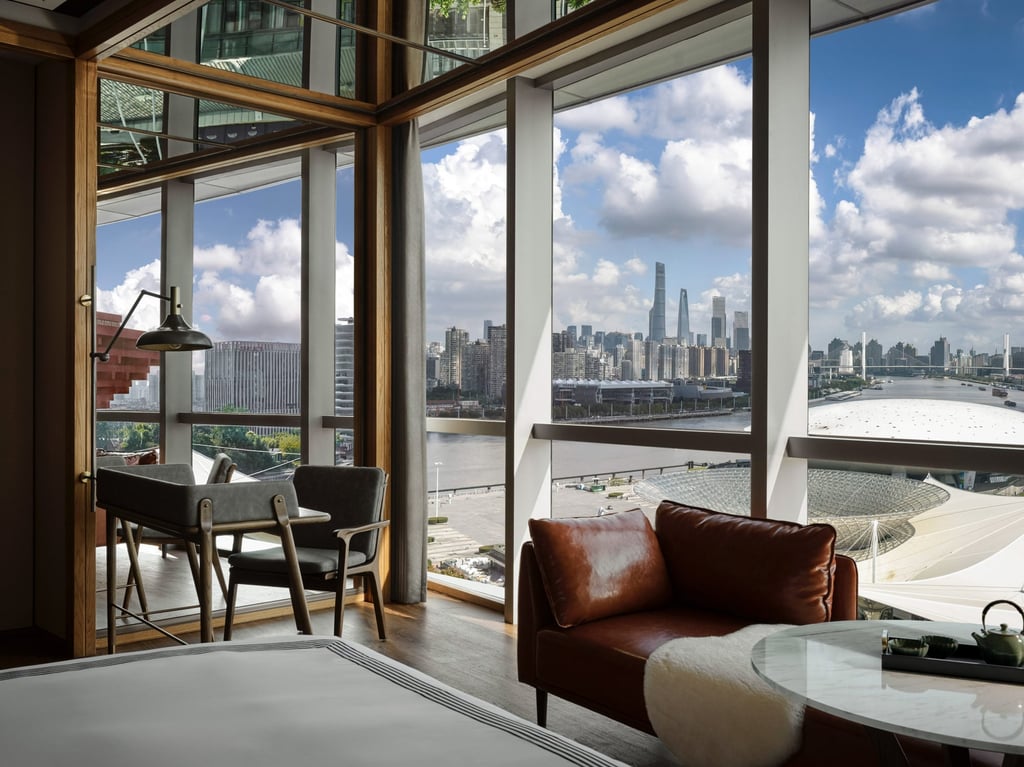
For athletes who are travelling for Hyrox, hotel amenities go from being a luxury to a necessity.
Johnny Tieu, a Bali-based Hyrox Pro athlete, personal trainer and fitness consultant, prioritises practicality. “Cleanliness is a big factor. I need enough space to warm up, cool down and roll out,” he says. “Ideally, a hot tub or cold tub for recovery, and a gym for a proper warm-up. Proximity to the venue is also ideal.” He travelled to Singapore last year and stayed at the Grand Hyatt, where the on-site gym is an official Hyrox Training Club.
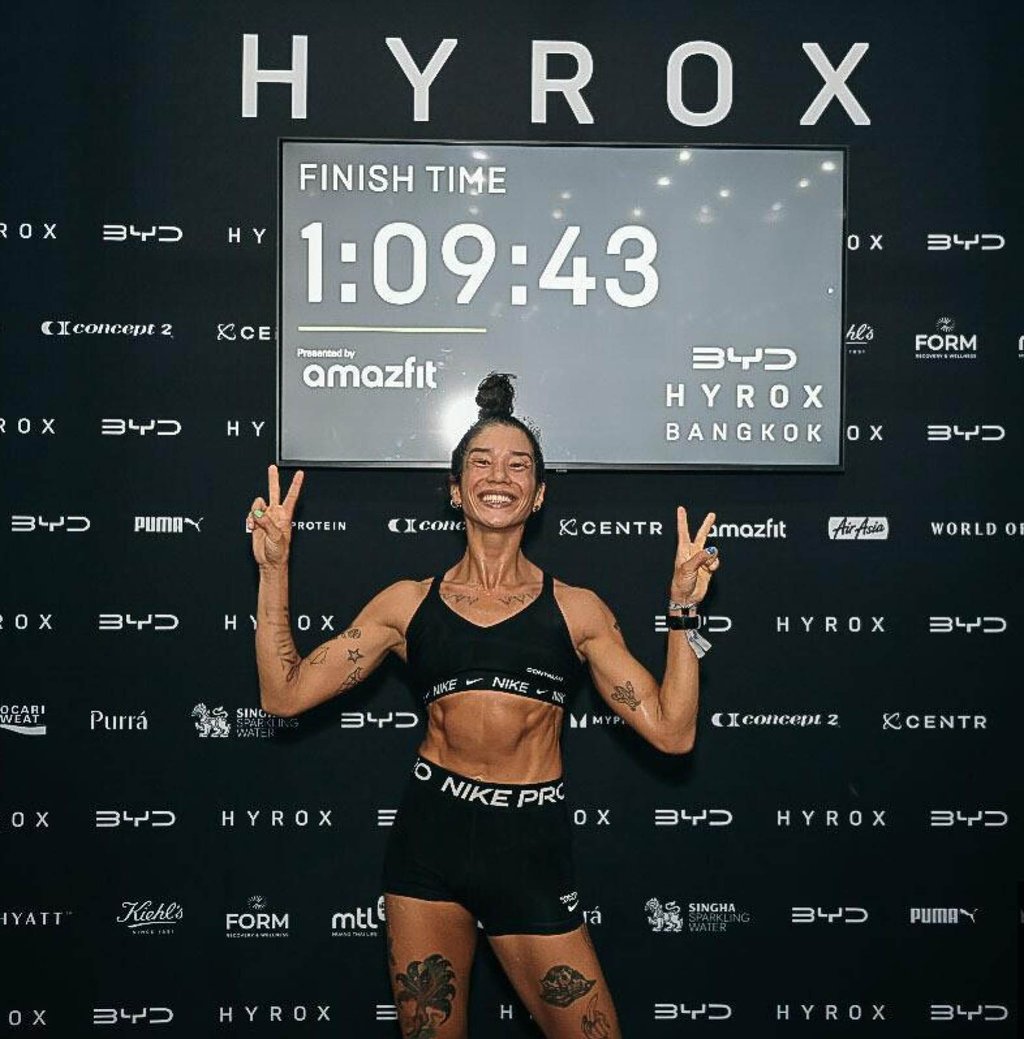
“Sleep and recovery are absolutely critical,” says fitness coach Nadine Duit, who has competed in Hyrox races in Hong Kong, Bangkok and Yokohama and is currently preparing for the World Championships in Stockholm as well. “Access to a gym, a good breakfast buffet and proximity to the venue – no more than 15 to 20 minutes – make a real difference.”
For Yip, the priority is slightly different: she picks hotels close to the city rather than the venue, but looks for a gym with a treadmill or access to outdoor running routes. “Most hotel gyms aren’t that well equipped, but we tend to rest more leading up to a race anyway,” she admits.
“Recovery and proper nutrition are just as important as training,” agrees Becerra, as is the hotel’s location. But instead of proximity to the Hyrox venue, he’s more concerned about where he can refuel. “After the race, I like to explore the local restaurant and bar scene. That’s something I really value as a chef.”
Upcoming Hyrox races in Asia-Pacific
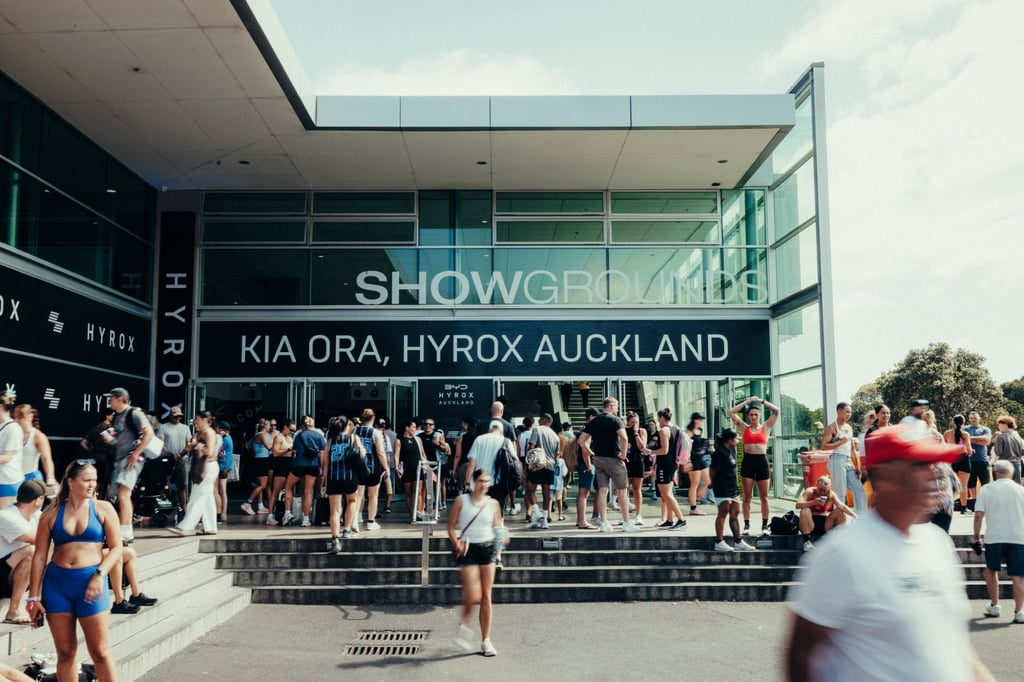
The calendar for Hyrox in Asia is busier than ever. Following the recent event in Hong Kong, upcoming races include Incheon, Shanghai and stops in Jakarta, Sydney, Hangzhou, Chengdu, Bangkok, Shenzhen and Beijing through August.
For the truly dedicated, the race-cation is even moving to the high seas. The Hyrox Cruise 2026, a four-night “live-train-recover” experience departing Palma de Mallorca in October, offers a floating extension of the trend.
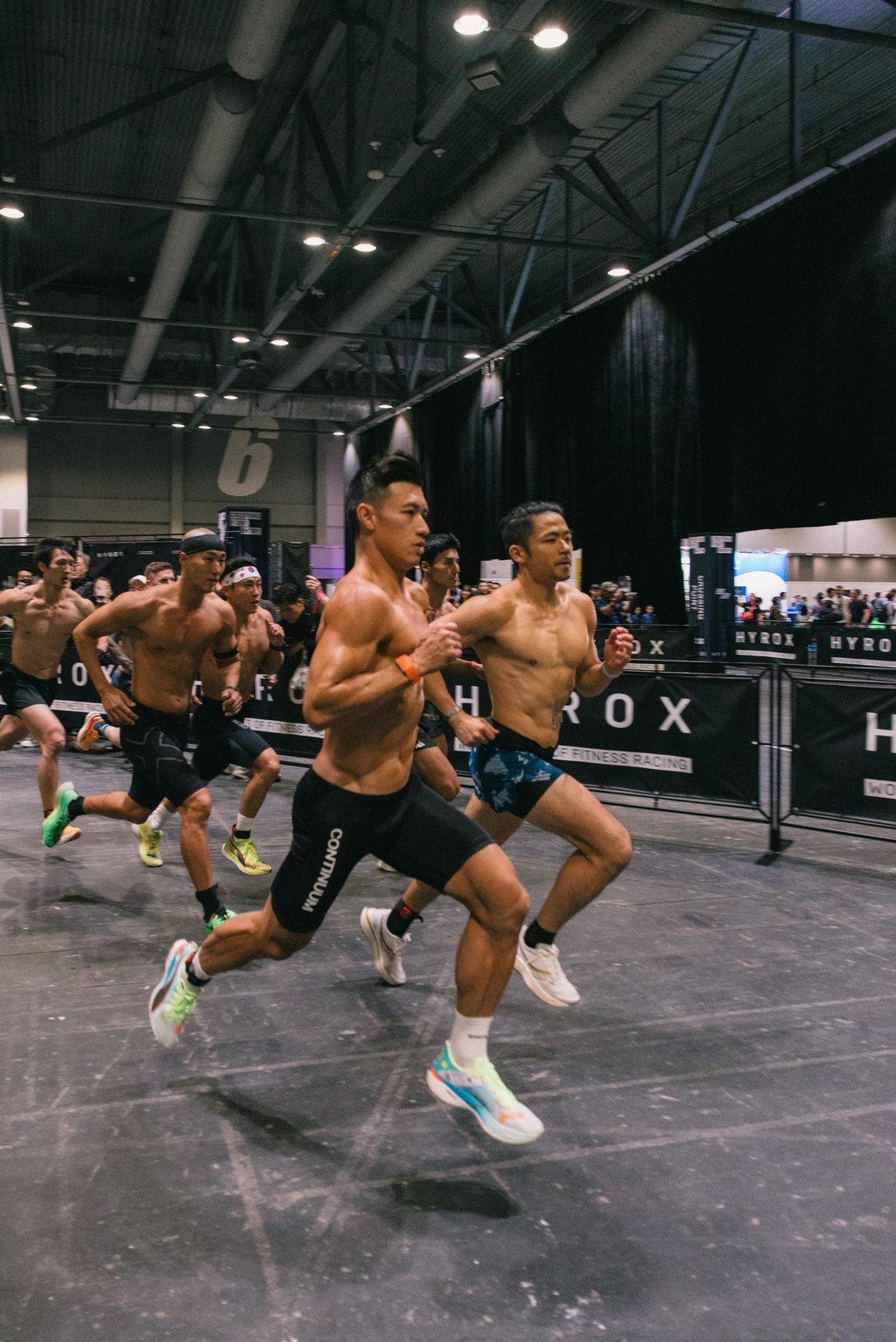
As someone who has competed in over 25 Hyrox races across Asia and trains athletes professionally, Tieu offers three key tips for those on the road: “First, pace yourself. This is not a race you win off the first two stations. Second, enjoy it. Training is the hard part, the race is the celebration. Third, build your training gradually. Injury prevention is key.”
Hyrox travel isn’t just for athletes, either. “The format is also incredible for spectators – family and friends can watch and cheer for the entire race, which creates a unique atmosphere you don’t get in traditional road races,” says Duit. At Hyrox events, spectators become active participants in the atmosphere, cheering their loved ones on through all eight stations.
Because of that, the Hyrox community is growing in spades – both for the athletes and spectators. And who could blame them? For a generation of travellers that values experiences over material items, the Hyrox race-cation offers the ultimate souvenir: a finish line in a foreign city, surrounded by a community that travelled just as far to see them cross it.